The Boeing Company DC-10-10 Airworthiness Directives

Browse ADs indexed for this model. Applicability depends on your aircraft configuration.

Check your aircraft configuration

2001-24-22

final rule

Airworthiness Directives; McDonnell Douglas Model DC-10-10, -10F, -30, -30F (KC-10A and KDC-10), -40, and -40F Series Airplanes; and Model MD-10-10F Series Airplanes

Unsafe Condition: Chafing of the generator power feeder cable assembly of the auxiliary power unit (APU), which could lead to loss of the APU generator, electrical arcing, and smoke/fire in the APU compartment.

Effective: Jan 16, 2002 Category: aircraft Compliance: Within 12 months of the effective date.
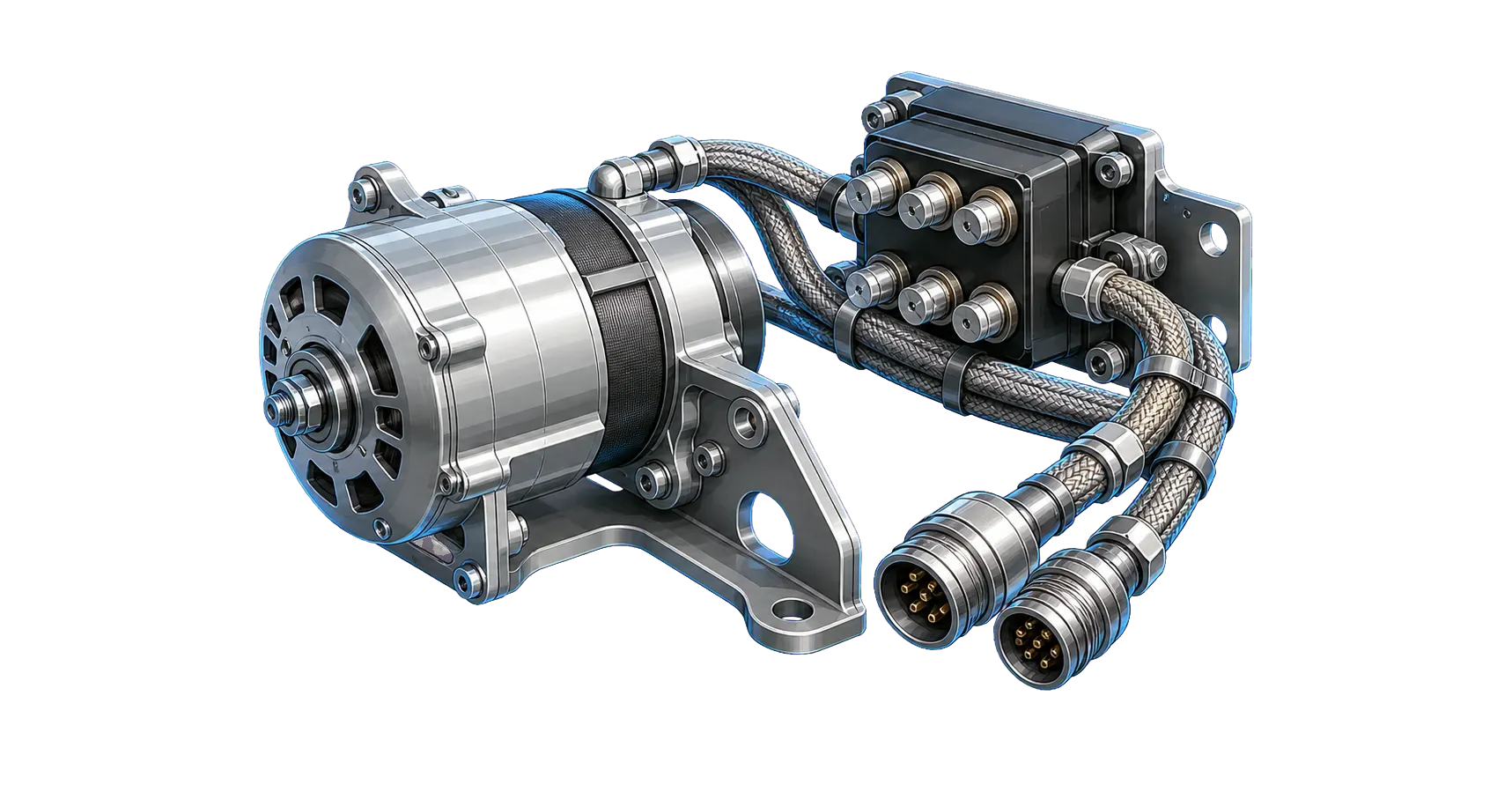
Technical illustration of an aircraft electrical generator and wiring assembly
Problem area Electrical system

2001-17-22

final rule

Airworthiness Directives; McDonnell Douglas Model DC-10 and MD-10 Series Airplanes

Unsafe Condition: Defective braze joints of certain latch assemblies of the one phase remote control circuit breakers (RCCB) could fail and prevent the RCCB from tripping during an overload condition, which could re...

Effective: Oct 3, 2001 Category: aircraft Compliance: Within 6 months after the effective date
Technical illustration of an aircraft electrical generator and wiring assembly
Problem area Electrical system

2001-17-19

final rule

Airworthiness Directives; McDonnell Douglas Model DC-10 Series Airplanes, and KC-10A and KDC-10 (Military) Airplanes

Unsafe Condition: Current thrust reverser systems do not adequately preclude unwanted deployment of a thrust reverser, which could significantly jeopardize continued safety of flight and landing of the airplane.

Effective: Oct 1, 2001 Category: engine Compliance: Within 5 years after the effective date of this AD for the thrust reverser wiring modification an...

2001-16-12 Recurring

final rule

Airworthiness Directives; McDonnell Douglas Model DC-10-10, -15, -30, and -30F (KC-10A Military) Series Airplanes, and Model MD-10-10F and -30F Series Airplanes

Unsafe Condition: Broken lockwires on forward engine mount bolts could result in loosening of the bolts and consequent separation of the engine from the airplane.

Effective: Sep 25, 2001 Category: engine Compliance: Before further flight
Technical illustration of an aircraft turbine engine assembly
Problem area Engine

2001-13-26

final rule

Airworthiness Directives; McDonnell Douglas Model DC-10-10, -15, -30, and -40 Series Airplanes, and Model MD-10-10F and -30F Series Airplanes

Unsafe Condition: Chafing of the feeder cables of the external ground power in the forward cargo compartment during removal of the sump panels, which could result in electrical arcing and damage to adjacent structur...

Effective: Aug 27, 2001 Category: aircraft Compliance: Before further flight

2001-13-22 Recurring

final rule

Airworthiness Directives; McDonnell Douglas Model DC-10-10, -15, -30, -30F (KC-10A Military), and -40 Series Airplanes; and Model MD-10-10F and MD-10-30F Series Airplanes

Unsafe Condition: Failure of H-11 attaching bolts on the inboard and outboard support on the inboard and outboard flap assemblies, which could result in reduced controllability of the airplane.

Effective: Aug 9, 2001 Category: aircraft Compliance: Within 2 months after September 25, 2000, unless previously accomplished.

2001-05-10

final rule

Airworthiness Directives; McDonnell Douglas Model DC-10 and MD-11 Series Airplanes, and KC-10A (Military) Airplanes

Unsafe Condition: Current thrust reverser systems do not adequately preclude unwanted deployment of a thrust reverser, which could result in reduced controllability of the airplane.

Effective: Apr 25, 2001 Category: aircraft Compliance: Within 3,000 flight hours or 12 months after the effective date of this AD, whichever occurs first.

2000-22-21

final rule

Airworthiness Directives; McDonnell Douglas Model DC-10, Model MD-10, and Model MD-11 Series Airplanes

Unsafe Condition: Short circuit of the fuel pump electrical connector, which could damage the conduit that protects the power lead inside the fuel tank, and result in the creation of a potential ignition source in t...

Effective: Dec 5, 2000 Category: aircraft Compliance: Within 50 flight hours after the effective date of the AD.

2000-15-05

final rule

Airworthiness Directives; McDonnell Douglas Model DC-10-10, -10F, -15, -30, -30F (KC-10A and KDC-10 Military), -40, and -40F Series Airplanes

Unsafe Condition: Wiring of the aft main avionics rack (MAR) chafing against clamps due to improper installation during production, which could result in electrical arcing, smoke, and possible fire in the MAR.

Effective: Sep 4, 2000 Category: aircraft Compliance: Within 60 days of the effective date.
Technical illustration of an aircraft electrical generator and wiring assembly
Problem area Electrical system

2000-15-07

final rule

Airworthiness Directives; McDonnell Douglas Model DC-10 Series Airplanes

Unsafe Condition: Chafing of the galley power feeder cables against a certain fuselage frame in the forward lower cargo compartment, resulting in electrical arcing and potential smoke and fire.

Effective: Sep 4, 2000 Category: aircraft Compliance: Within 6 months after the effective date of the AD.
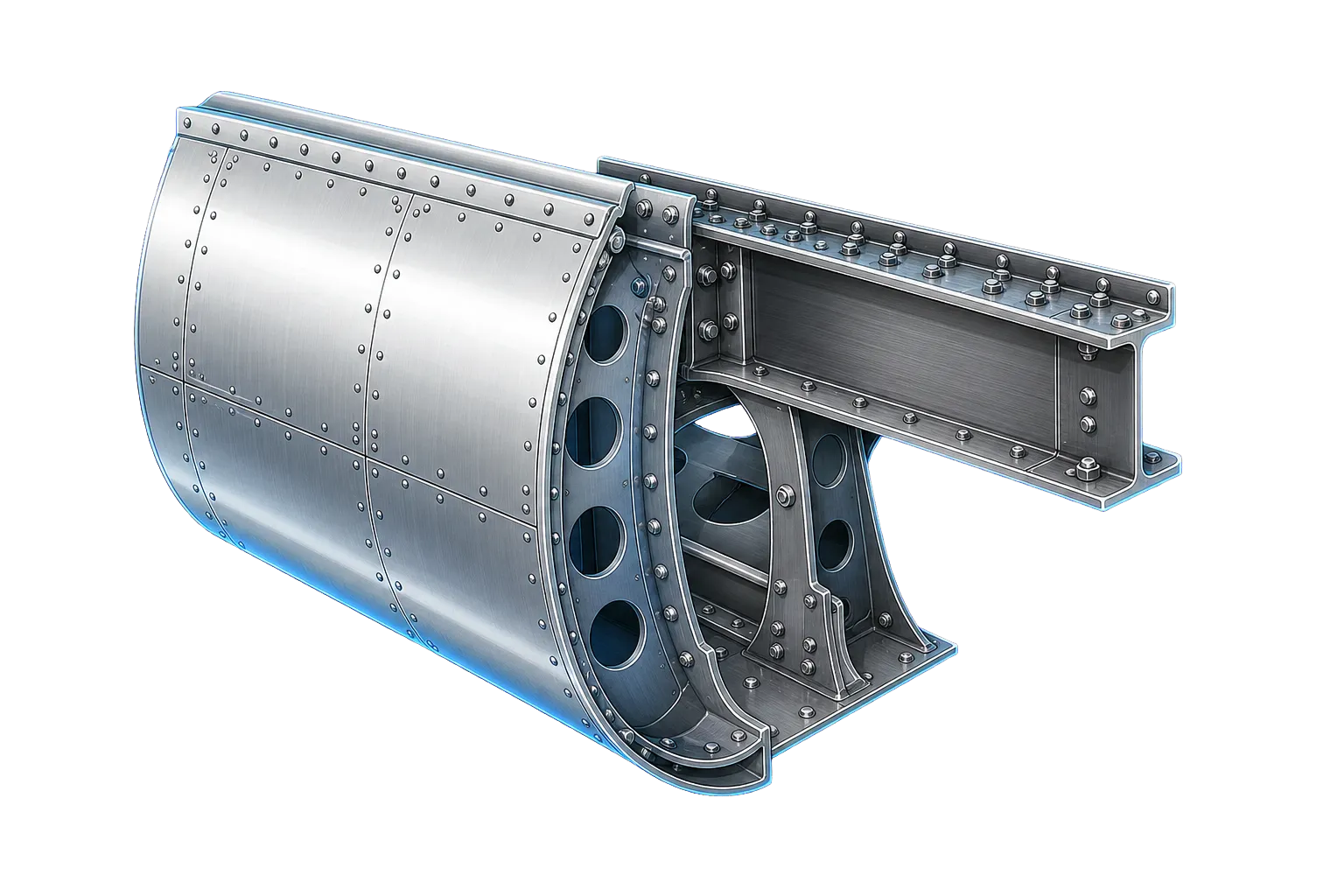
Technical illustration of a riveted aircraft structural panel and frame
Problem area Airframe structure

2000-15-06

final rule

Airworthiness Directives; McDonnell Douglas Model DC-10 Series Airplanes

Unsafe Condition: Chafing and arcing of electrical power feeder cables against fuselage structure due to insufficient clearance, which could cause smoke and fire in the overhead of the main cabin.

Effective: Sep 4, 2000 Category: aircraft Compliance: Within 6 months of the effective date
Technical illustration of a riveted aircraft structural panel and frame
Problem area Airframe structure

2000-14-10 Recurring

final rule

Airworthiness Directives; McDonnell Douglas Model DC-10-10, -15, -30, and -40 Series Airplanes; Model MD-10-10F and MD-10-30F Series Airplanes; and KC-10A (Military) Airplanes

Unsafe Condition: Failure of certain fasteners installed in the banjo No. 4 fitting of the vertical stabilizer, which could result in cracking of the attachment fasteners, loss of fail-safe capability of the vertica...

Effective: Aug 23, 2000 Category: aircraft Compliance: Before further flight

2000-11-02

final rule

Airworthiness Directives; McDonnell Douglas Model DC-10-10F, DC-10-15, DC-10-30, DC-10-30F, and DC-10-40 Series Airplanes, and Model MD-11 and -11F Series Airplanes

Unsafe Condition: Insulation blankets constructed of metallized polyethyleneteraphthalate (MPET) can propagate a small fire from a small ignition source, such as electrical arcing or sparking, leading to a much larg...

Effective: Jun 30, 2000 Category: aircraft Compliance: Before further flight

2000-09-07

final rule

Airworthiness Directives; McDonnell Douglas Model DC-10-10, -15, -30, -30F, and -40 Series Airplanes, and KC-10A (Military) Airplanes

Unsafe Condition: Failure of circuit breakers due to long-term use and breakdown of internal components, leading to internal overheating and arcing, which could result in smoke and fire in the flight compartment and...

Effective: Jun 16, 2000 Category: aircraft Compliance: Within 24 months after the effective date of the AD.
Technical illustration of an aircraft electrical generator and wiring assembly
Problem area Electrical system

99-08-22

final rule

Airworthiness Directives; McDonnell Douglas Model DC-10 Series Airplanes and KC-10 (Military) Airplanes

Unsafe Condition: Fatigue cracking of the rear spar cap of the horizontal stabilizer could result in reduced structural integrity of the horizontal stabilizer and consequent reduced controllability of the airplane.

Effective: May 21, 1999 Category: aircraft Compliance: Within 5 years or prior to the accumulation of 18,000 landings, whichever occurs later.

99-06-08

final rule

(Correction) Airworthiness Directives; McDonnell Douglas Model DC-10 and MD-11 Series Airplanes, and KC-10 (Military) Series Airplanes

Unsafe Condition: Forward Trunnion Bolt

Effective: Apr 16, 1999 Category: aircraft Compliance: within 24 months after the effective date of this AD

99-04-10

final rule

Airworthiness Directives; Transport Category Airplanes Equipped with Day-Ray Products, Inc., Fluorescent Light Ballasts

Unsafe Condition: Failure of the fluorescent light ballasts installed in the cabin sidewall can emit smoke, fumes, and/or electrical fire in the baggage bin of the aft passenger compartment.

Effective: Mar 18, 1999 Category: aircraft Compliance: 12 months after the effective date of this AD (March 18, 1999).

98-26-22

final rule

Airworthiness Directives; McDonnell Douglas Model DC-10 Series Airplanes and KC-10A (Military) Airplanes

Unsafe Condition: Fatigue cracking of the lower cap of the wing rear spar could result in reduced structural integrity of the airplane.

Effective: Feb 2, 1999 Category: aircraft Compliance: Prior to the accumulation of 7,000 total landings, or within 18 months after the effective date o...
Technical illustration of a riveted aircraft structural panel and frame
Problem area Airframe structure

98-24-17

final rule

Airworthiness Directives; McDonnell Douglas Model DC-10-10, -30, and -40 Series Airplanes

Unsafe Condition: Failure of the forward trunnion bolt due to overstrength can cause the main landing gear (MLG) to break away and rupture a wing fuel tank during abnormal operations.

Effective: Dec 29, 1998 Category: aircraft Compliance: Before further flight unless accomplished previously.

98-21-37

final rule

Airworthiness Directives; McDonnell Douglas Model DC-10-10, -15, -30, and -40 Series Airplanes

Unsafe Condition: Damage to the fuel tank boost/transfer pump housings in case of an electrical connector malfunction, which could result in increased risk of a fuel tank explosion or fire.

Effective: Nov 23, 1998 Category: aircraft Compliance: Within 24 months after the effective date of this AD
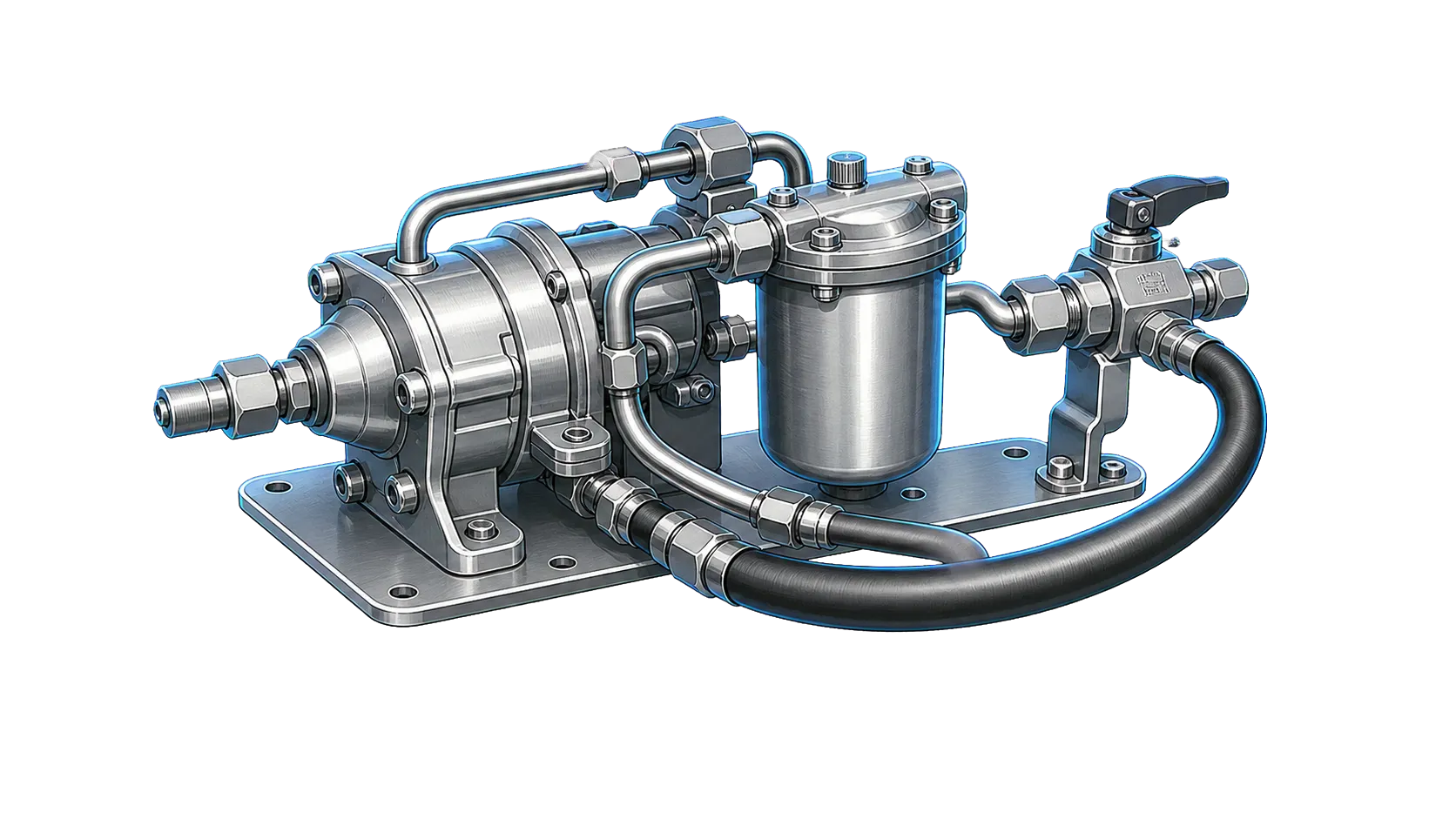
Technical illustration of an aircraft fuel pump, filter, valve, and lines
Problem area Fuel system

97-07-12

final rule

Airworthiness Directives; McDonnell Douglas Model MD-11 and DC-10 Series Airplanes, and KC-10A (Military) Airplanes

Unsafe Condition: Improper connection of electrical connectors to the engine generator and fire bell shutoff switches, which could result in the wrong engine-driven generator being shut down unnecessarily during an ...

Effective: May 13, 1997 Category: aircraft Compliance: within 24 months

96-25-14

final rule

Airworthiness Directives; McDonnell Douglas Model DC-10-10, -30, and -40 Series Airplanes, and KC-10 (Military) Series Airplanes

Unsafe Condition: Cracks in the number 4 banjo fitting on the rear spar of the vertical stabilizer could reduce structural integrity, ultimately resulting in reduced ability to control the airplane during flight and...

Effective: Jan 31, 1997 Category: aircraft Compliance: Prior to the accumulation of 5,000 total landings, or within 1,500 landings after the effective d...

96-24-15

final rule

Airworthiness Directives; McDonnell Douglas Model DC-10 Series Airplanes and KC-10A (Military) Airplanes

Unsafe Condition: Fatigue cracking in the secondary pivot support of the horizontal stabilizer could result in reduced structural integrity of the horizontal stabilizer and lead to reduced controllability of the air...

Effective: Jan 27, 1997 Category: aircraft Compliance: Prior to the accumulation of 10,000 total landings, or within 3,000 landings after the effective ...

96-19-03

final rule

Airworthiness Directives; McDonnell Douglas Model DC-10 and MD-11 Series Airplanes and KC- 10A (Military) Airplanes

Unsafe Condition: Stress corrosion cracking in the steel Hi-Lok fasteners at the inboard flap inboard track could result in binding of the flap and inability of the flap to extend or retract.

Effective: Oct 16, 1996 Category: aircraft Compliance: Within 18 months after the effective date of this AD (October 16, 1996).

96-18-11

final rule

Airworthiness Directives; McDonnell Douglas Model DC-10-10 and -15 Series Airplanes

Unsafe Condition: Fatigue cracking in the bulkhead tee caps at fuselage station Y=1156.000 in the area of longerons 38.0 through 41.0 due to fatigue, which could result in loss of pressurization and damage to adjace...

Effective: Oct 10, 1996 Category: aircraft Compliance: Prior to the accumulation of 20,000 total landings, or within 1,500 landings after the effective ...
Technical illustration of a riveted aircraft structural panel and frame
Problem area Airframe structure