Airworthiness Directives; Superior (Culver) V and V2 Aircraft
Unsafe Condition: Fuel cell failures due to icing or water accumulation in the fuel cell vent outlet
Effective: Dec 13, 1960Category: aircraftCompliance: Within the next 25 hours of operation, but not later than the next periodic or progressive inspec...
Why matched: Airworthiness Directives; Superior (Culver) V and V2 Aircraft
Airworthiness Directives; Culver Models V and V2 Aircraft
Unsafe Condition: The brazed cabin heater valve box mounted on the firewall may not have sufficient fire resistant properties equivalent to the firewall.
Category: aircraftCompliance: prior to April 1, 1947
Why matched: Airworthiness Directives; Culver Models V and V2 Aircraft
Unsafe Condition: The absence of wing fillets at the junction of the fuselage and wing trailing edge could lead to airflow separation and adverse aerodynamic effects.
Category: aircraftCompliance: prior to August 15, 1947
Why matched: Airworthiness Directives; Culver Model V Aircraft
Airworthiness Directives; Culver Models V-1 to V-130
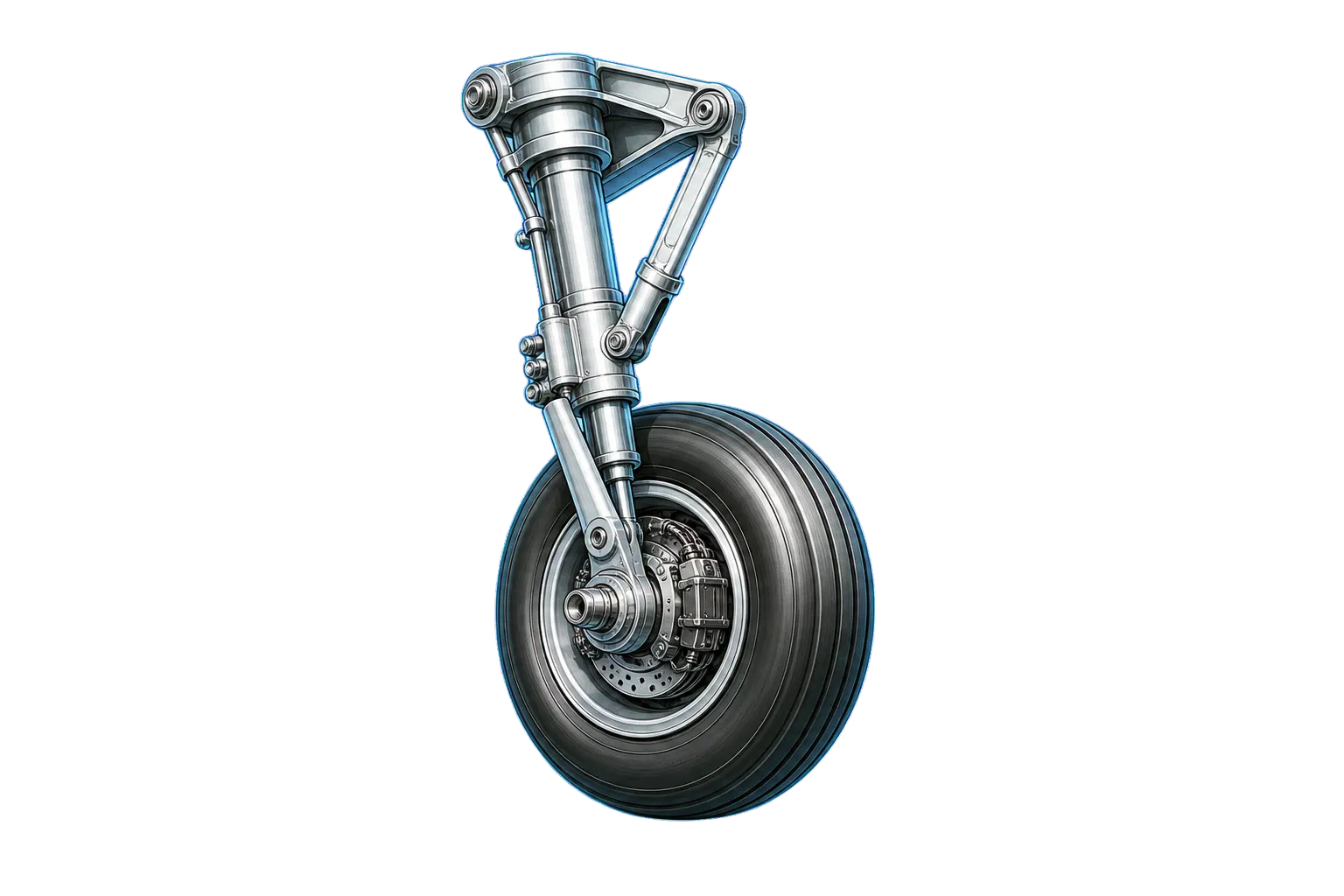
Unsafe Condition: The nose gear drag link connection may not have the 3/4-inch diameter tube butted against the aft fitting, which could lead to structural failure of the nose gear assembly.
Category: aircraftCompliance: prior to August 15, 1947
Why matched: Airworthiness Directives; Culver Models V-1 to V-130
Airworthiness Directives; Culver Models V and V2 Aircraft
Unsafe Condition: Improper adjustment of the landing gear retraction system could result in damage to the retraction system due to insufficient upward pressure on the retraction links, unequal pressure on the push-p...
Category: aircraftCompliance: after each 100 hours of operation
Why matched: Airworthiness Directives; Culver Models V and V2 Aircraft
Unsafe Condition: Inadequate illumination of the compass in Model V aircraft certified for night flying could lead to reduced visibility of the instrument during nighttime operations.
Category: aircraftCompliance: prior to August 15, 1947
Why matched: Airworthiness Directives; Culver Model V Aircraft
Airworthiness Directives; Culver Models LCA and LFA Aircraft
Unsafe Condition: Failure of the landing gear throttle stop mechanism could result in improper clearance during operation, leading to potential landing gear malfunction.
Category: aircraftCompliance: immediately
Why matched: Airworthiness Directives; Culver Models LCA and LFA Aircraft
Airworthiness Directives; Culver Models V and V2 Aircraft
Unsafe Condition: The absence of a complete firewall cover plate at the firewall opening where the cold air scoop was installed could allow flames or hot gases to enter the cockpit, compromising fire protection.
Category: aircraftCompliance: prior to April 1, 1947
Why matched: Airworthiness Directives; Culver Models V and V2 Aircraft
Airworthiness Directives; Culver Models V and V2 Aircraft
Unsafe Condition: Broken blade lag screws and cracked blade shanks and ferrules due to excessive vibratory stresses from operation beyond allowable engine rpm ratings.
Category: aircraftCompliance: prior to January 31, 1951
Why matched: Airworthiness Directives; Culver Models V and V2 Aircraft
Airworthiness Directives; SUPERIOR (Culver) Model V, Serial V-3 Through V-357 and Model V2, Serial V2-503 Through V2-517
Unsafe Condition: The teeth of the final pinion, P/N 10528, in the gear reduction train of the landing gear retraction motor have inadequate strength to sustain shock loads from abrupt reversal of the landing gear r...
Category: aircraftCompliance: at the next 100-hour inspection but not later than February 1, 1951
Why matched: Airworthiness Directives; SUPERIOR (Culver) Model V, Serial V-3 Through V-357 and Model V2, Serial V2-503 Through V2-517
Airworthiness Directives; Culver Models V and V2 and V2 Aircraft
Unsafe Condition: Corrosion and pitting on the nose-main gear interconnection tube's unpainted aft end, which slides through a trunnion, may cause binding and failure of the landing gear retracting system.
Category: aircraftCompliance: every 50 hours of operation
Why matched: Airworthiness Directives; Culver Models V and V2 and V2 Aircraft