The Boeing Company DC-9-12 Airworthiness Directives

Browse ADs indexed for this model. Applicability depends on your aircraft configuration.

Check your aircraft configuration

2002-26-13 Recurring

final rule

Airworthiness Directives; McDonnell Douglas Model DC-9-11, -12, -13, -14, -15, and -15F Airplanes; Model DC-9-21 Airplanes; Model DC-9-31, -32, -32 (VC-9C), -32F, -32F (C-9A, C-9B), -33F, -34, and -34F Airplanes; Model DC-9-41 Airplanes; Model DC-9-51 Airplanes; Model DC-9-81 (MD-81), DC-9-82 (MD-82), DC-9-83 (MD-83), and DC-9-87 (MD-87) Airplanes; and Model MD-88 Airplanes

Unsafe Condition: Reports indicate that the alternating current (AC) cross-tie relay shorted out internally, causing severe smoke and burn damage to the relay, aircraft wiring, and adjacent panels.
Effective: Feb 6, 2003 Category: aircraft Compliance: Before further flight.
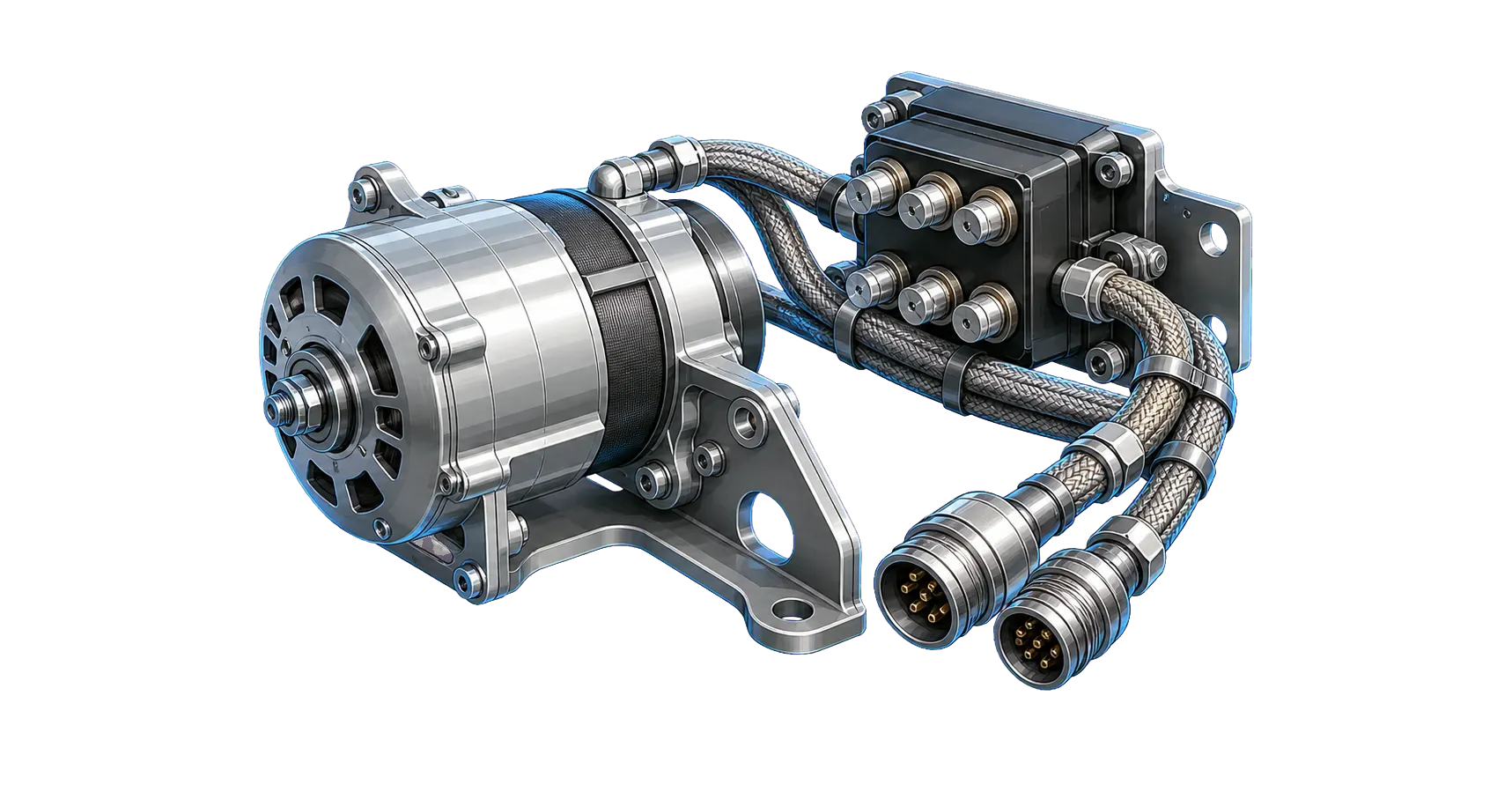
Technical illustration of an aircraft electrical generator and wiring assembly
Problem area Electrical system

2002-25-04

final rule

Airworthiness Directives; McDonnell Douglas Model DC-9-10, -20, -30, -40, and -50 Series Airplanes; and C-9 (Military) Airplanes

Unsafe Condition: Internal overheating and arcing of circuit breakers and airplane wiring due to long-term use and breakdown of internal components of the circuit breakers, which could result in smoke and fire in th...

Effective: Jan 17, 2003 Category: aircraft Compliance: Within 18 months after the effective date of this AD.
Technical illustration of an aircraft electrical generator and wiring assembly
Problem area Electrical system

2002-21-09

final rule

Airworthiness Directives; McDonnell Douglas Model DC-9-10, -20, -30, -40, and -50 Series Airplanes

Unsafe Condition: Fatigue cracking of the internal doublers and frame structure of the fuselage skin of the cockpit enclosure window sill, which could result in rapid decompression of the fuselage and reduced struct...

Effective: Nov 29, 2002 Category: aircraft
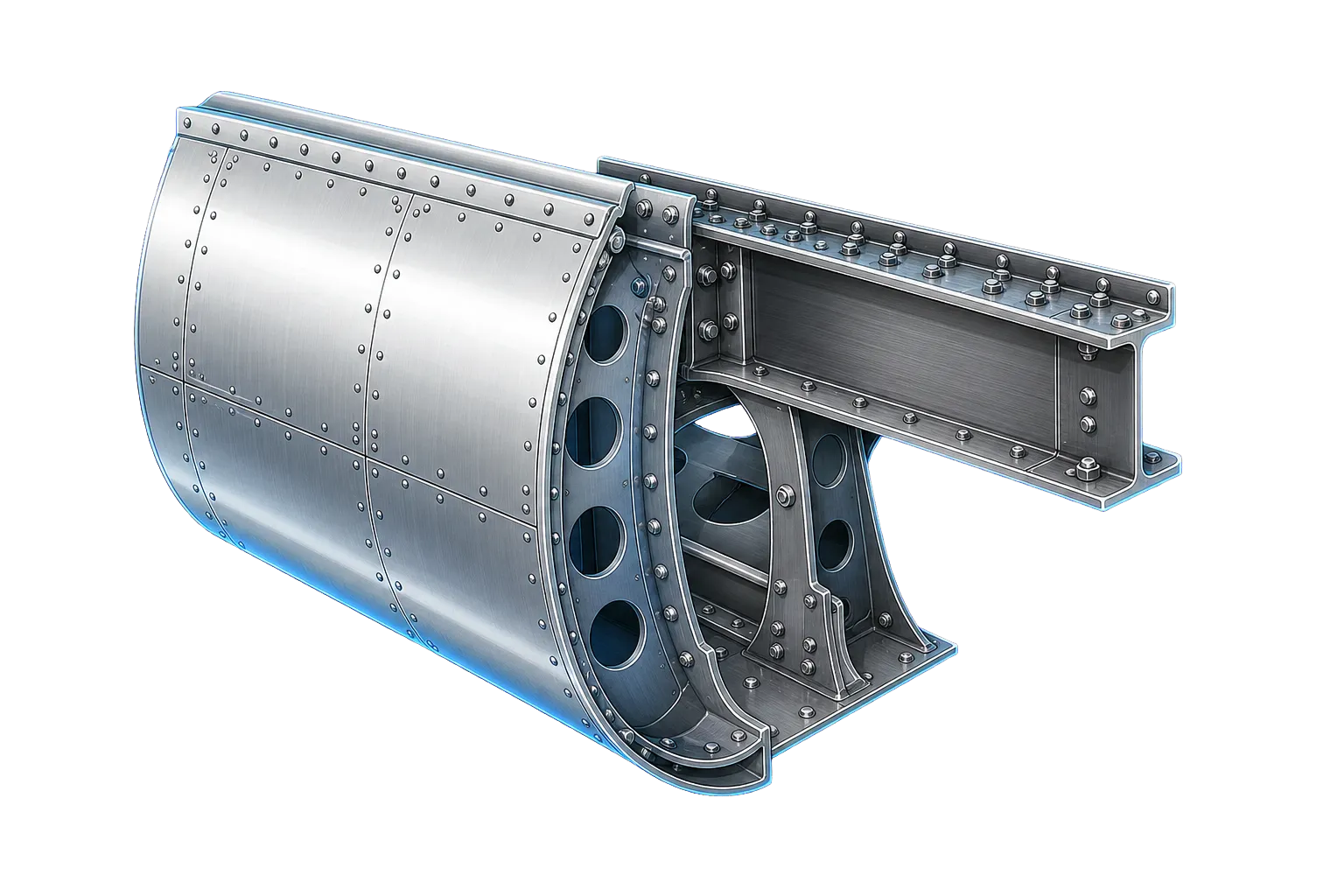
Technical illustration of a riveted aircraft structural panel and frame
Problem area Airframe structure

2002-13-12

final rule

Airworthiness Directives; McDonnell Douglas Model DC-9-10, -30, -30F, and -40 Series Airplanes, and Model C-9 Airplanes

Unsafe Condition: Chafing of the ground wire against the positive contact of the lamp of the attendants' work light of the aft cabin, leading to arcing or arcing damage to the wiring of the attendants' work light an...

Effective: Aug 13, 2002 Category: aircraft Compliance: Before further flight
Technical illustration of an aircraft electrical generator and wiring assembly
Problem area Electrical system

2002-07-06 Recurring

final rule

Airworthiness Directives; McDonnell Douglas Model DC-9-10, -20, -30, -40, and -50 Series Airplanes; and C-9 Airplanes

Unsafe Condition: Fatigue cracks in the corners and upper center of the door cutout of the aft pressure bulkhead, which could result in rapid decompression of the fuselage and reduced structural integrity.

Effective: May 14, 2002 Category: aircraft
Technical illustration of a riveted aircraft structural panel and frame
Problem area Airframe structure

2002-04-01 Recurring

final rule

Airworthiness Directives; McDonnell Douglas Model DC-9, DC-9-80, and C-9 Series Airplanes; Model MD-88 Airplanes; and Model MD-90 Airplanes

Unsafe Condition: NLG upper lock link assembly fracturing due to fatigue cracking, potentially jamming against the NLG shock strut and restricting full extension of the nose landing gear.

Effective: Mar 28, 2002 Category: aircraft Compliance: Not specified in the provided text.
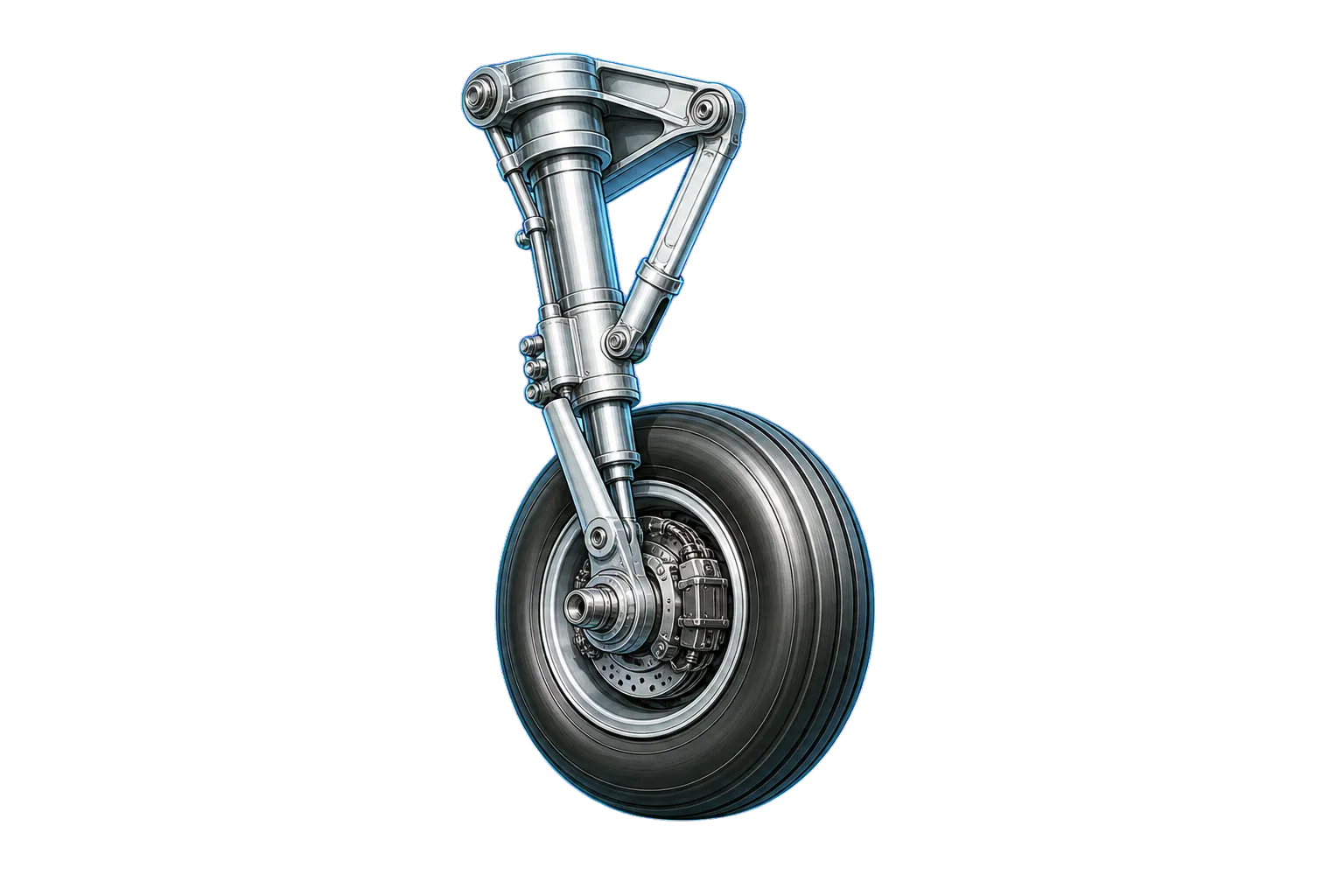
Technical illustration of an aircraft landing gear and wheel assembly
Problem area Landing gear

2001-24-19

final rule

Airworthiness Directives; McDonnell Douglas Model DC-9-10, -20, -30, -40, and -50 Series Airplanes; C-9 Airplanes; Model DC-9-81, -82, -83, and -87 Series Airplanes; and Model MD-88 Airplanes

Unsafe Condition: Chafing or overheat damage of the electrical wires located at fuselage station Y=110.000 bulkhead of the lower nose left tunnel could cause loose external power ground wires, leading to arcing and ...

Effective: Jan 16, 2002 Category: aircraft Compliance: Before further flight for corrective actions if damage is found; within 18 months after the effec...

2001-24-16

final rule

Airworthiness Directives; McDonnell Douglas Model DC-9-10, -20, -30, -40, and -50 Series Airplanes and C-9 Airplanes

Unsafe Condition: Chafing of electrical cables in the forward electrical power center (EPC) and a possible short within a conduit, which could result in smoke and fire in the cockpit.

Effective: Jan 16, 2002 Category: aircraft Compliance: Within 1 year after the effective date of this AD.

2001-24-18

final rule

Airworthiness Directives; McDonnell Douglas Model DC-9-10, -30, and -40 Series Airplanes and C-9 Airplanes

Unsafe Condition: Overheating of the control switch of the cabin sidewall lights on the forward attendant's panel, which could result in shorting of the dim, bright, and power terminals, and consequent smoke/fire in...

Effective: Jan 16, 2002 Category: aircraft Compliance: Within 1 year after the effective date of this AD.

2001-24-27 Recurring

final rule

Airworthiness Directives; McDonnell Douglas Model DC-9-10, -20, -30, -40, and -50 Series Airplanes; Model DC-9-81, -82, -83, and -87 Series Airplanes; Model MD-88 Airplanes; and C-9 Airplanes

Unsafe Condition: Cracking of the rudder pedal adjuster hub assembly, which could lead to loss of rudder pedal control and reduction of braking capability.

Effective: Jan 16, 2002 Category: aircraft Compliance: Within 18 months of the effective date of this AD.
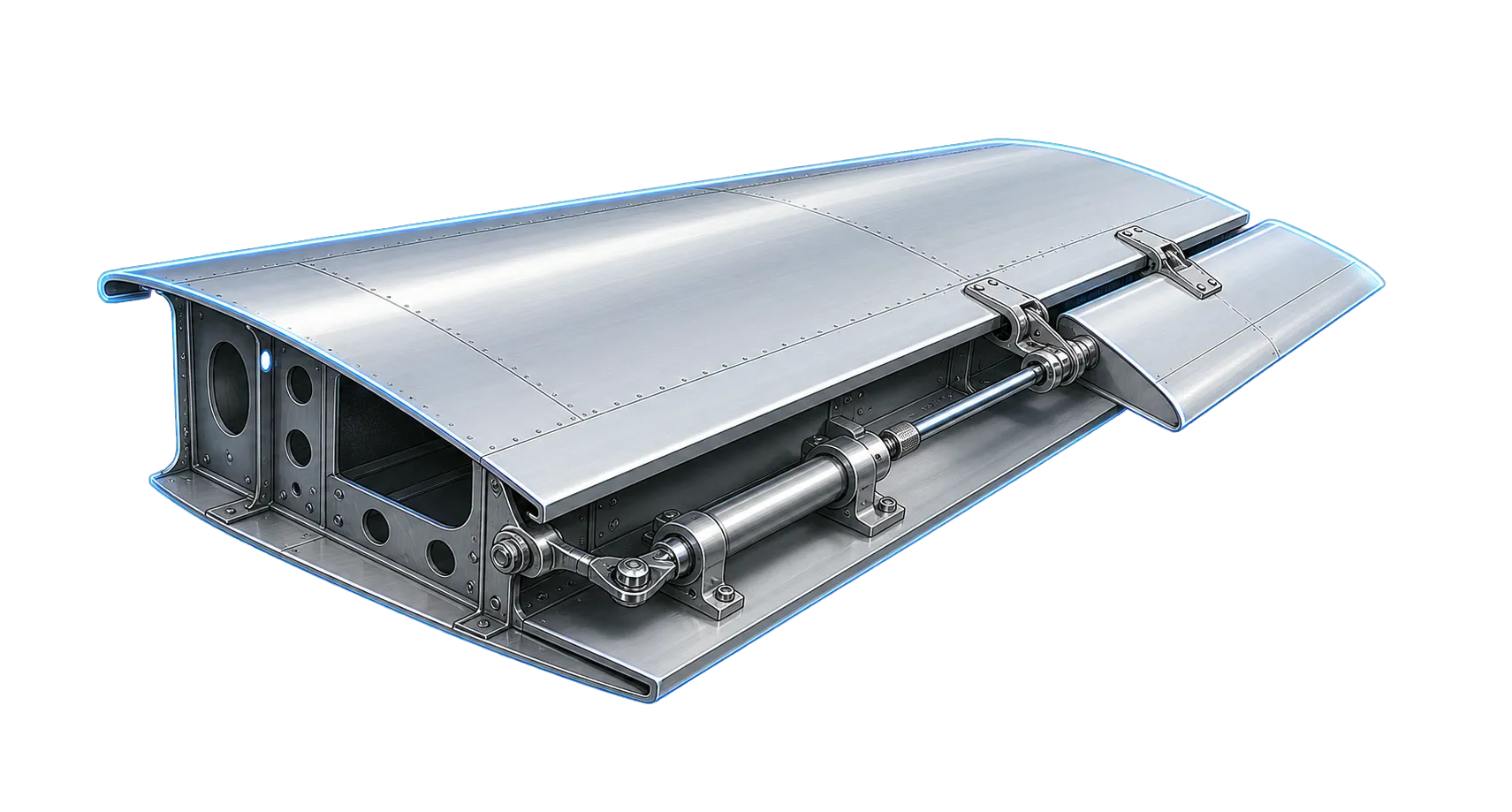
Technical illustration of an aircraft flight control surface and actuator
Problem area Flight controls

2001-24-17

final rule

Airworthiness Directives; McDonnell Douglas Model DC-9-10, -20, -30, -40, and -50 Series Airplanes; C-9 Airplanes; and Model DC-9-81, -82, and -83 Series Airplanes

Unsafe Condition: Generation of smoke and fire in a cargo compartment due to an illuminated light with a missing cover contacting cargo contents for an extended period of time.

Effective: Jan 16, 2002 Category: aircraft Compliance: Before further flight

2001-24-14

final rule

Airworthiness Directives; McDonnell Douglas Model DC-9-10, -20, -30, -40, and -50 Series Airplanes; C-9 Airplanes; and Model DC-9-81, -82, -83, and -87 Series Airplanes

Unsafe Condition: Loose terminal stud connections and consequent damage to the small copper terminals could result in overheating of the wires at the terminal strip, leading to electrical failure and potential smoke...

Effective: Jan 16, 2002 Category: aircraft Compliance: Before further flight

2001-24-13

final rule

Airworthiness Directives; McDonnell Douglas Model DC-9-10, -20, -30, and -40 Series Airplanes

Unsafe Condition: Heat damaged lamp reflectors and scorched insulation blankets in the main cabin due to high temperatures created by lamps inside the reflectors.

Effective: Jan 16, 2002 Category: aircraft Compliance: Within 18 months after the effective date of this AD.

2001-24-24

final rule

Airworthiness Directives; McDonnell Douglas Model DC-9-10 and -30 Series Airplanes

Unsafe Condition: Chafing and arcing of the power feeder cable and adjacent airplane structure and system components, which could lead to smoke/fire in an engine nacelle.

Effective: Jan 16, 2002 Category: engine Compliance: Within 12 months after the effective date of this AD.

2001-20-15 Recurring

final rule

Airworthiness Directives; McDonnell Douglas Model DC-9 Series Airplanes and MD-88 Airplanes

Unsafe Condition: Internal phase-to-phase short circuiting of the AC cross-tie relay caused by metallic dust accumulation, which could result in internal arcing of the relay and smoke and/or fire in the cockpit and ...

Effective: Oct 26, 2001 Category: aircraft Compliance: Within 90 days after the effective date of this AD.

2001-13-27

final rule

Airworthiness Directives; McDonnell Douglas Model DC-9-10 and -30 Series Airplanes

Unsafe Condition: The existing 10-amp circuit breaker in the navigation transfer circuit will not adequately protect the 24-gage wire during an overload condition, potentially causing damage to wires or equipment an...

Effective: Aug 7, 2001 Category: aircraft Compliance: Before further flight
Technical illustration of an aircraft electrical generator and wiring assembly
Problem area Electrical system

2000-23-22 Recurring

final rule

Airworthiness Directives; McDonnell Douglas Model DC-9-10, -20, -30, -40, and -50 Series Airplanes, and C-9 (Military) Airplanes

Unsafe Condition: Fatigue cracking in the forward passenger door doorjamb, which could result in rapid decompression of the fuselage and reduced structural integrity.

Effective: Jan 2, 2001 Category: aircraft Compliance: Within the specified intervals and thresholds as detailed in the referenced service bulletin, wit...

2000-22-14 Recurring

final rule

Airworthiness Directives; McDonnell Douglas Model DC-9-10, -20, -30, -40, and -50 Series Airplanes and C-9 (Military) Airplanes

Unsafe Condition: Fatigue cracking in the upper cap of the front spar of the left and right engine pylons, which could lead to failure of the upper cap and reduced structural integrity of the airplane.

Effective: Dec 13, 2000 Category: engine Compliance: Within 3,600 flight hours after the effective date of this AD, or before the accumulation of 8,00...

2000-22-20 Recurring

final rule

Airworthiness Directives; McDonnell Douglas Model DC-9-10, -9-20, -9-30, -9-40, and -9-50 Series Airplanes and C-9 (Military) Airplanes

Unsafe Condition: Failure of the outboard flap idler hinge fitting due to fatigue cracking, which could result in a deflected flap causing asymmetric lift and reduced controllability and structural integrity of the ...

Effective: Nov 29, 2000 Category: aircraft Compliance: Within 90 days after the effective date of this AD or before the accumulation of 24,000 total lan...

2000-15-15

final rule

Airworthiness Directives; McDonnell Douglas Model DC-9, Model MD-90-30, Model 717-200, and Model MD-88 Airplanes

Unsafe Condition: Presence of metallic particles (including slivers, dust, shavings, and flakes) in the jackscrew assembly and surrounding area of the horizontal stabilizer, which could lead to excessive wear and lo...

Effective: Aug 23, 2000 Category: aircraft Compliance: Within 650 flight hours for initial inspection, with subsequent inspections every 2,000 flight ho...

2000-08-18

final rule

Airworthiness Directives; McDonnell Douglas Model DC-9 Series Airplanes, and Model MD-88 and MD-90-30 Airplanes

Unsafe Condition: Stress corrosion on the lanyard pins of the evacuation slide lanyard assembly can cause the arms to freeze, potentially leading to improper deployment of the evacuation slide during an emergency.

Effective: Jun 13, 2000 Category: aircraft Compliance: Within 180 days after the effective date of the AD.

2000-02-23

final rule

Airworthiness Directives; McDonnell Douglas Model DC-9, DC-9-80, and C-9 (Military) Series Airplanes, and Model MD-88 Airplanes

Unsafe Condition: Reports of smoke in the flight compartment during engine ignition selection indicate a potential internal electrical short in the engine ignition switch.

Effective: Mar 9, 2000 Category: engine Compliance: Within 50 flight hours after the effective date of this AD.

99-23-08

final rule

Airworthiness Directives; McDonnell Douglas Model DC-9-10, -20, -30, -40, and -50 Series Airplanes, and C-9 (Military) Airplanes

Unsafe Condition: Excessive electrical energy entering fuel tanks through fuel quantity indicating system (FQIS) wiring due to discrepancies in the wiring of the FQIS in the forward cargo compartment, which could re...

Effective: Dec 17, 1999 Category: aircraft Compliance: Within 18 months after the effective date (December 17, 1999)
Technical illustration of an aircraft electrical generator and wiring assembly
Problem area Electrical system

99-22-08

final rule

Airworthiness Directives; McDonnell Douglas Model DC-9, DC-9-80 and C-9 (Military) Series Airplanes, and Model MD-88 Airplanes

Unsafe Condition: The pneumatic augmentation valve may go fully open when an engine fails during initial climb prior to deactivation of the second segment climb switch, which could result in significant loss of thru...

Effective: Nov 30, 1999 Category: aircraft Compliance: Within 3 years after the effective date

99-21-07

final rule

Airworthiness Directives; McDonnell Douglas Model DC-9, DC-9-80, and C-9 (Military) Series Airplanes, and Model MD-88 Airplanes

Unsafe Condition: Failure of the hydraulic damper assemblies of the main landing gear (MLG), due to insufficient material thickness of the spring retainers, could result in vibration damage and collapse of the MLG.

Effective: Nov 12, 1999 Category: aircraft Compliance: Varies based on prior AD compliance: within 9, 24, or 36 months from effective dates of supersede...
Technical illustration of an aircraft landing gear and wheel assembly
Problem area Landing gear