Cessna Aircraft Company 140 Airworthiness Directives

Browse ADs indexed for this model. Applicability depends on your aircraft configuration.

Check your aircraft configuration

79-08-03

final rule

Airworthiness Directives; CESSNA Models 120, 140, 150, A150, 170, 172, R172, P172, 175, 177, 177RG, 180, 182, 185, 188, 190, 195, 210-5 (205), 210-5A (205A), 206, U206, TU206, P206, TP206, 207, 210, and T210 Series Airplanes

Unsafe Condition: Inflight electrical system failure, smoke in the cockpit, and/or fire in the wire bundle behind the instrument panel.
Effective: Jun 6, 1979 Category: aircraft Compliance: At the next appropriate inspection prescribed by Federal Aviation Regulation 91.169 following the...
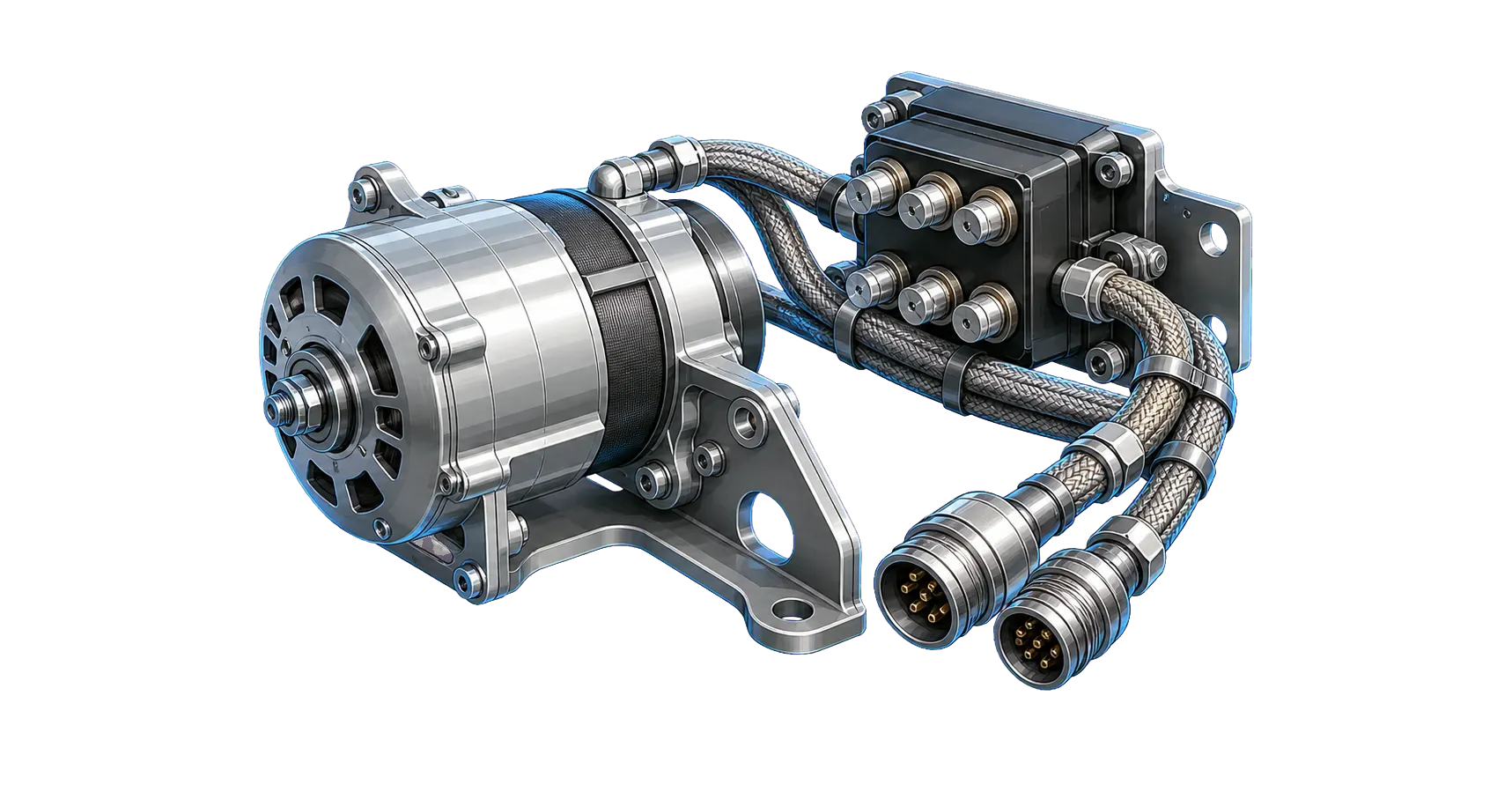
Technical illustration of an aircraft electrical generator and wiring assembly
Problem area Electrical system

61-25-01

final rule

Airworthiness Directives; CESSNA Models 120, 140, and 140A Airplanes

Unsafe Condition: Cracks in the corners of the slots in the Met-Co-Aire support plate (P/N RD-1001C-11) and attach plate, and improper installation of rivets securing the landing gear attachment box to the floor str...

Effective: Dec 20, 1961 Category: aircraft Compliance: Within 20 hours' time in service after the effective date of this AD and at periods thereafter no...
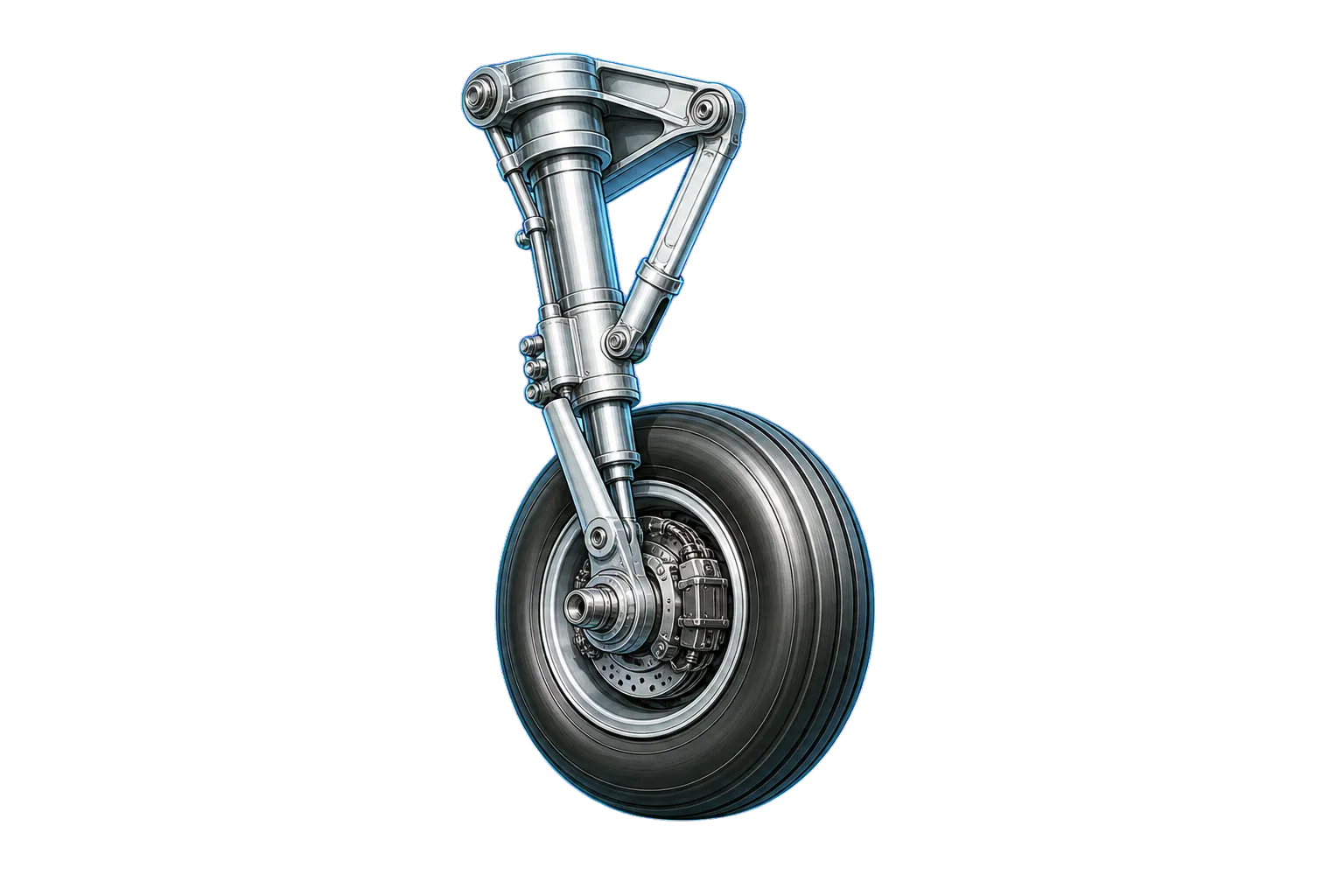
Technical illustration of an aircraft landing gear and wheel assembly
Problem area Landing gear

47-26-02

final rule

Airworthiness Directives; CESSNA Model 120 and 140 Airplanes

Unsafe Condition: Buckling of the wing leading edge skin due to failed spot welds attaching the skin to the nose ribs, which may result in structural failure of the nose ribs.

Category: aircraft Compliance: prior to August 1, 1947

47-43-06

final rule

Airworthiness Directives; CESSNA Model 120 and 140 Airplanes

Unsafe Condition: Aileron support ribs may exhibit buckling or cracking in the narrow part of the web at the aft edge of the lightening hole and in the top flange just forward of the doubler plate due to high winds ...

Category: aircraft Compliance: until Cessna parts 0422200-2 and 0422200-3 are installed
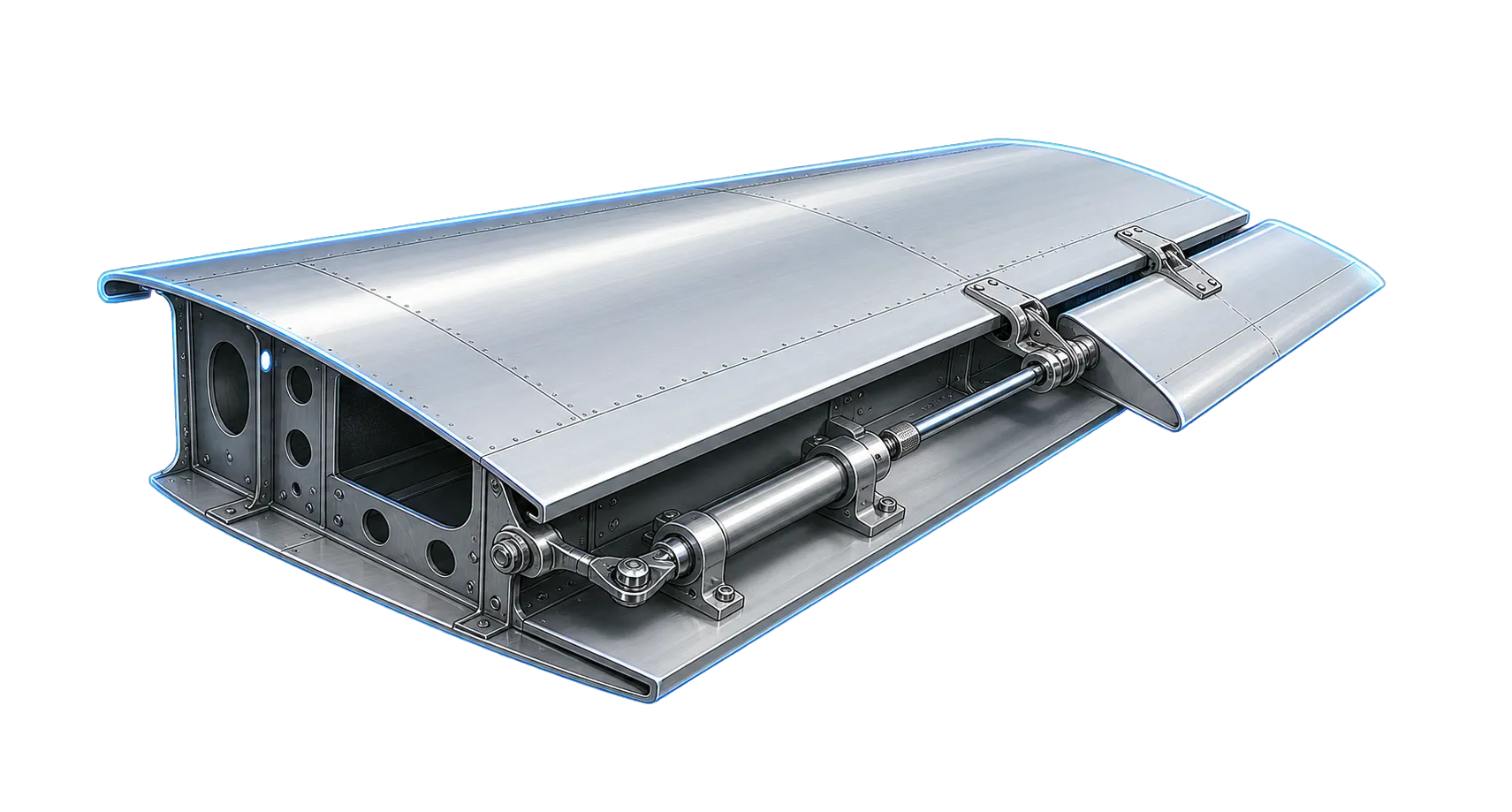
Technical illustration of an aircraft flight control surface and actuator
Problem area Flight controls

47-43-01

final rule

Airworthiness Directives; CESSNA Model 120 and 140 Airplanes

Unsafe Condition: Failure of the primer line could allow fuel contact with the left exhaust manifold.

Category: aircraft Compliance: prior to January 1, 1948
Technical illustration of an aircraft turbine engine assembly
Problem area Engine

47-43-03

final rule

Airworthiness Directives; CESSNA Model 120 and 140 Seaplanes

Unsafe Condition: Racking loads from rough water operation on CESSNA Model 120 and 140 seaplanes operated without spreader struts between floats can cause extensive structural damage to joints, fittings, and spars.

Category: aircraft Compliance: prior to January 1, 1948

47-43-02

final rule

Airworthiness Directives; CESSNA Model 120 and 140 Airplanes

Unsafe Condition: The embossed pointer on the fuel selector valve handle could cause confusion in operating the fuel selector valve, leading to incorrect position indication relative to the valve placard.

Category: aircraft Compliance: prior to January 1, 1948

47-43-08

final rule

Airworthiness Directives; CESSNA Model 120 and 140 Airplanes

Unsafe Condition: Cracks at the fillet joining the cylindrical outer surface of the propeller blade retainer ferrule with the retaining face of the flange.

Category: aircraft Compliance: prior to January 1, 1948, and thereafter upon completion of each 25 hours of operation
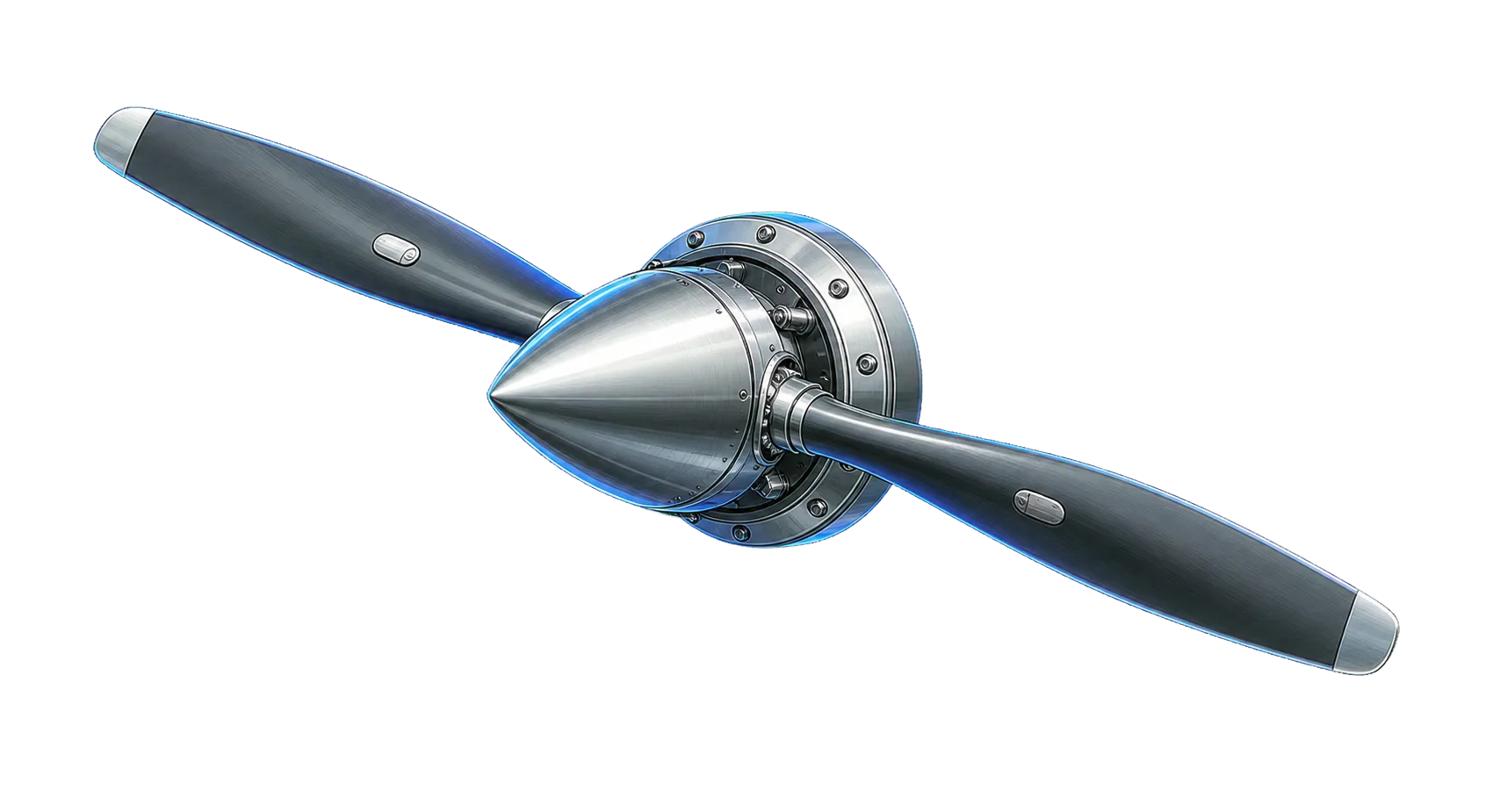
Technical illustration of an aircraft propeller assembly
Problem area Propeller

48-25-02

final rule

Airworthiness Directives; CESSNA Model 120 and 140 Airplanes

Unsafe Condition: Cracks in the Cessna welded exhaust muffler assemblies, particularly at the welds between exhaust stacks and muffler assemblies, could lead to exhaust leaks and potential fire hazards.

Category: aircraft Compliance: each 25 hours of operation

48-07-01

final rule

Airworthiness Directives; CESSNA Model 120 and 140 Airplanes

Unsafe Condition: Loose or improperly sized stabilizer attaching bolts may cause the horizontal stabilizer to become detached from the fin post, resulting in loss of aircraft control.

Category: aircraft Compliance: Compliance required by May 1, 1948, and at each annual inspection thereafter.

47-43-04

final rule

Airworthiness Directives; CESSNA Model 120 and 140 Airplanes

Unsafe Condition: Bending or cracking of the rudder control cable horns due to excessive foot pressure during parking brake application or release, leading to reduced rudder travel.

Category: aircraft Compliance: upon each 100 hours of operation until horns are reinforced
Technical illustration of an aircraft flight control surface and actuator
Problem area Flight controls

47-06-10

final rule

Airworthiness Directives; CESSNA Models 120 and 140 Airplanes

Unsafe Condition: Possible locking of aileron system at full throw due to lack of a continuous loop in the aileron control chain installation.

Category: aircraft Compliance: prior to April 1, 1947
Technical illustration of an aircraft flight control surface and actuator
Problem area Flight controls

51-21-01

final rule

Airworthiness Directives; CESSNA Model 120 and 140 Airplanes

Unsafe Condition: Rudder rib flanges may have kinks or cracks just aft of the rudder horn fitting, leading to rib breakage and loss of rudder control.

Category: aircraft Compliance: prior to December 1, 1951
Technical illustration of an aircraft flight control surface and actuator
Problem area Flight controls

46-44-04

final rule

Airworthiness Directives; CESSNA Model 120 and 140 Airplanes

Unsafe Condition: The U.S. Rubber Co. P-212 and P-212L Series flexible ducts in the carburetor hot air system may degrade, leading to potential failure of the system.

Category: aircraft Compliance: prior to December 1, 1946

46-44-01

final rule

Airworthiness Directives; CESSNA Model 120 and 140 Airplanes

Unsafe Condition: The flange of the bellcrank on the rudder bars may catch on the bolt heads of the auxiliary rudder stops, locking the system.

Category: aircraft Compliance: prior to January 1, 1947
Technical illustration of an aircraft flight control surface and actuator
Problem area Flight controls

50-31-01

final rule

Airworthiness Directives; CESSNA Model 120 and 140 Airplanes

Unsafe Condition: Fin spar fatigue failures have occurred in flight due to inadequate inspection difficulty, resulting in flange buckles or cracks in the spar and spar reinforcing channel.

Category: aircraft Compliance: Compliance required as soon as possible and not later than August 1, 1950, except for spot-welded...

46-44-03

final rule

Airworthiness Directives; CESSNA Model 120 and 140 Airplanes

Unsafe Condition: Windshield retaining channel may not secure the windshield adequately, potentially causing the windshield to pull out at the top and alter airflow, affecting operational characteristics.

Category: aircraft Compliance: prior to January 1, 1947

46-44-02

final rule

Airworthiness Directives; CESSNA 120 and 140 Airplanes

Unsafe Condition: The safety belt brackets may become detached from the fuselage skin due to insufficient rivet attachment.

Category: aircraft Compliance: prior to January 1, 1947
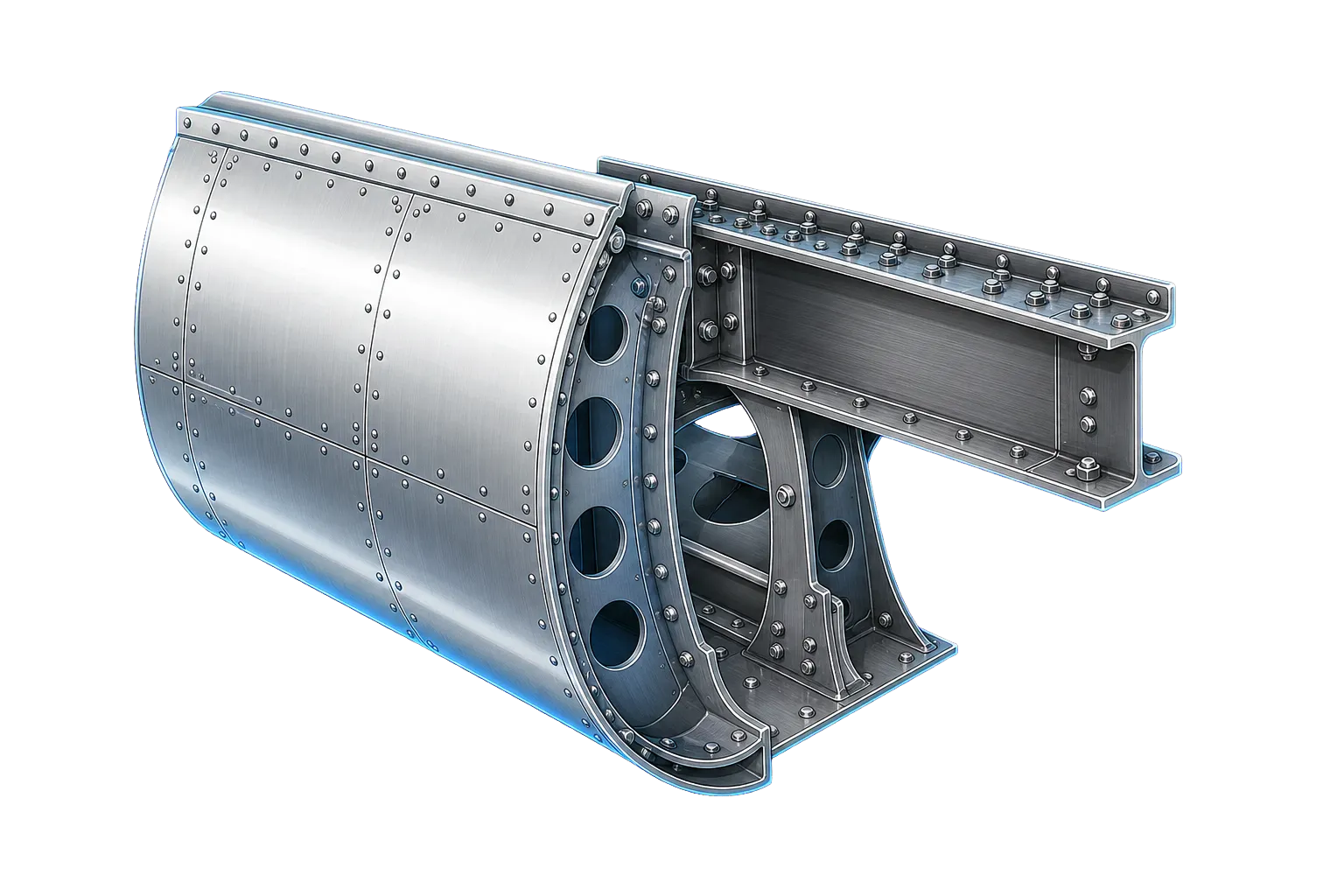
Technical illustration of a riveted aircraft structural panel and frame
Problem area Airframe structure

47-50-02

final rule

Airworthiness Directives; CESSNA Model 120 and 140 Airplanes

Unsafe Condition: Cracks in the lower right-hand corner of the cutout in the fuselage rear bulkhead extending down to the rivet holes at the nearest anchor nut.

Category: aircraft Compliance: upon each 100 hours of operation until fuselage rear bulkhead (tail post) has been reinforced
Technical illustration of a riveted aircraft structural panel and frame
Problem area Airframe structure

48-25-03

final rule

Airworthiness Directives; CESSNA Model 120 and 140 Airplanes

Unsafe Condition: Loose or broken drag wires in the wing drag wire system and damaged ribs could result in wing structural failure.

Category: aircraft Compliance: each 100 hours of operation
Technical illustration of an aircraft electrical generator and wiring assembly
Problem area Electrical system

46-44-05

final rule

Airworthiness Directives; CESSNA Model 120 and 140 Airplanes

Unsafe Condition: The engine mounting bolts may pull through the 1 1/2-inch diameter x 0.049-inch plate welded to the front of each fitting, leading to engine detachment.

Category: aircraft Compliance: prior to January 1, 1947

47-43-05

final rule

Airworthiness Directives; CESSNA Model 120 and 140 Airplanes

Unsafe Condition: Fatigue cracks in the elevator spar web at the hinges, starting at rivets or fitting edges and progressing around the fitting, leading to elevator separation from the hinge fitting.

Category: aircraft Compliance: upon each 100 hours of operation until reinforcing channels are installed at all hinge fittings
Technical illustration of an aircraft flight control surface and actuator
Problem area Flight controls

47-06-11

final rule

Airworthiness Directives; CESSNA Model 120 and 140 Airplanes

Unsafe Condition: Cracks in the forward doorposts, particularly in the flange section leading from the post to the instrument panel at the base of the windshield and the post itself below the rivet cluster at the top.

Category: aircraft Compliance: next periodic inspection and upon each 100 hours of operation thereafter until revised door posts...

48-05-04

final rule

Airworthiness Directives; Cessna Model 120 and 140 Airplanes

Unsafe Condition: Failure to operate in accordance with the flight limitations specified in the Airplane Flight Manuals could result in unsafe flight conditions.

Category: aircraft Compliance: April 1, 1948