97-22-05
final ruleAirworthiness Directives; McDonnell Douglas Model DC-9-10, -20, -30, -40, and -50 Series Airplanes and C-9 (Military) Series Airplanes
Unsafe Condition: Emergency Internal Release System Of Tailcone
Browse ADs indexed for this model. Applicability depends on your aircraft configuration.
Check your aircraft configuration
Airworthiness Directives; McDonnell Douglas Model DC-9-10, -20, -30, -40, and -50 Series Airplanes and C-9 (Military) Series Airplanes
Unsafe Condition: Emergency Internal Release System Of Tailcone
Airworthiness Directives; McDonnell Douglas Model DC-9 and Model DC-9-80 Series Airplanes, Model MD-88 Airplanes, and C-9 (Military) Series Airplanes
Unsafe Condition: In-cabin inflation of evacuation slides due to impingement of the galley service cart on the slide girt and firing lanyard.
Airworthiness Directives; McDonnell Douglas Model DC-9 Series Airplanes
Unsafe Condition: Rapid decompression of the fuselage, significant structural damage, and subsequent reduced structural integrity due to corrosion and fatigue cracking in the fuselage forward upper skin and frames i...
Airworthiness Directives; McDonnell Douglas Model DC-9, DC-9-80 and C-9 (Military) Series Airplanes, and Model MD-88 Airplanes
Unsafe Condition: Failure of the piston of the outboard flight spoiler actuator due to fatigue at the clevis end of the upper lug mounting hole of the piston, which could result in fuel leakage and reduced structura...
Airworthiness Directives; McDonnell Douglas Model DC-9 and DC-9-80 Series Airplanes, and Model MD-88 Airplanes
Unsafe Condition: Damage to engines and airframes, separation of engines from airplanes, and damage to property on the ground caused by 'blue ice' from leaking lavatory drain systems.
Airworthiness Directives; McDonnell Douglas Model DC-9-10, -20, -30, -40, and -50 Series Airplanes; Model DC-9-81 (MD-81), DC-9-82 (MD-82) and DC-9-83 (MD-83) Series Airplanes; and C-9 (Military) Airplanes
Unsafe Condition: Fatigue cracking in the area of the attach tees of the ventral aft pressure bulkhead could lead to structural failure and subsequent rapid depressurization of the airplane.
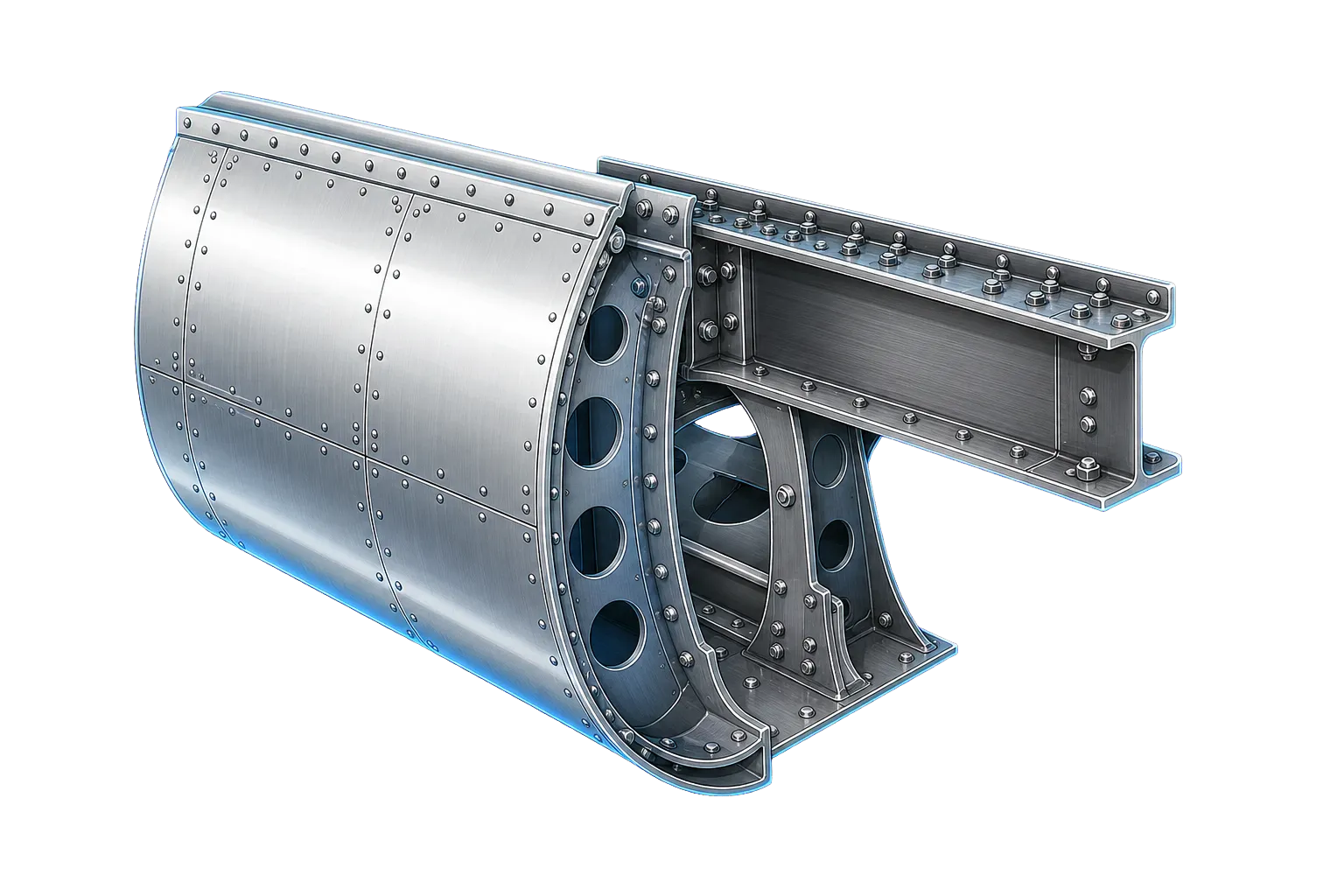
Airworthiness Directives; McDonnell Douglas Model DC-9-10, -20, -30, -40, -50, and C-9 (Military) Series Airplanes
Unsafe Condition: Fatigue-related cracking in the upper nose skin of the fuselage.
Airworthiness Directives; McDonnell Douglas Model DC-9 and Model DC-9-80 Series Airplanes, Model MD-88 Airplanes, and C-9 (Military) Series Airplanes
Unsafe Condition: Water accumulation in the slant pressure panel area of the main landing gear could result in failure of the flaps or landing gear to properly extend or retract.
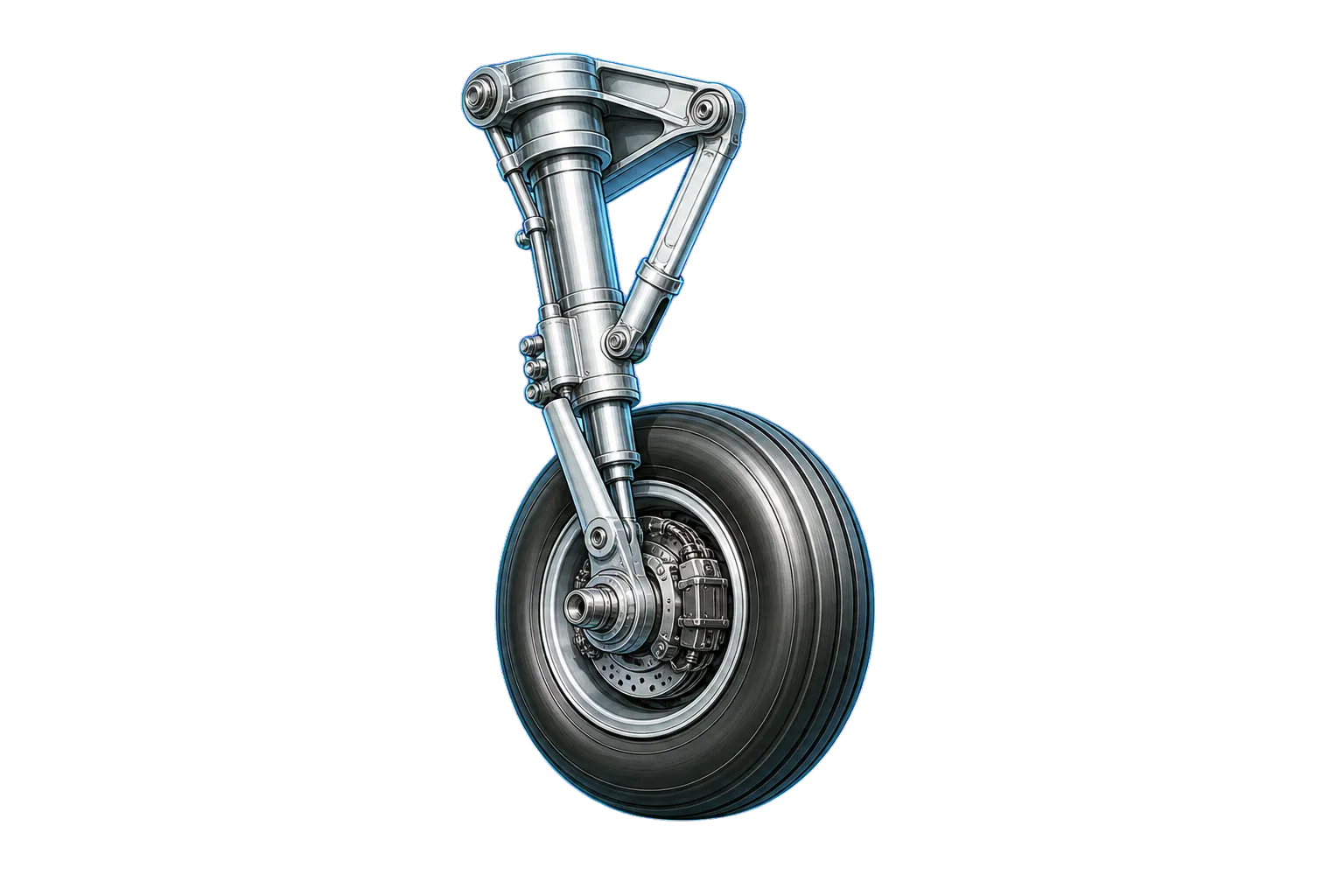
Airworthiness Directives; McDonnell Douglas Model DC-9 and DC-9-80 Series Airplanes, Model MD-88 Airplanes, and C-9 (Military) Series Airplanes
Unsafe Condition: Structural Failure
Airworthiness Directives; McDonnell Douglas Model DC-9, DC-9-80, and MD-90-30 Series Airplanes, Model MD-88 Airplanes, and C-9 (Military) Series Airplanes
Unsafe Condition: Chafing and shorting of the electrical wire bundles in the overhead switch panel of the cockpit can result in fire and uncontrolled smoke throughout the cockpit.
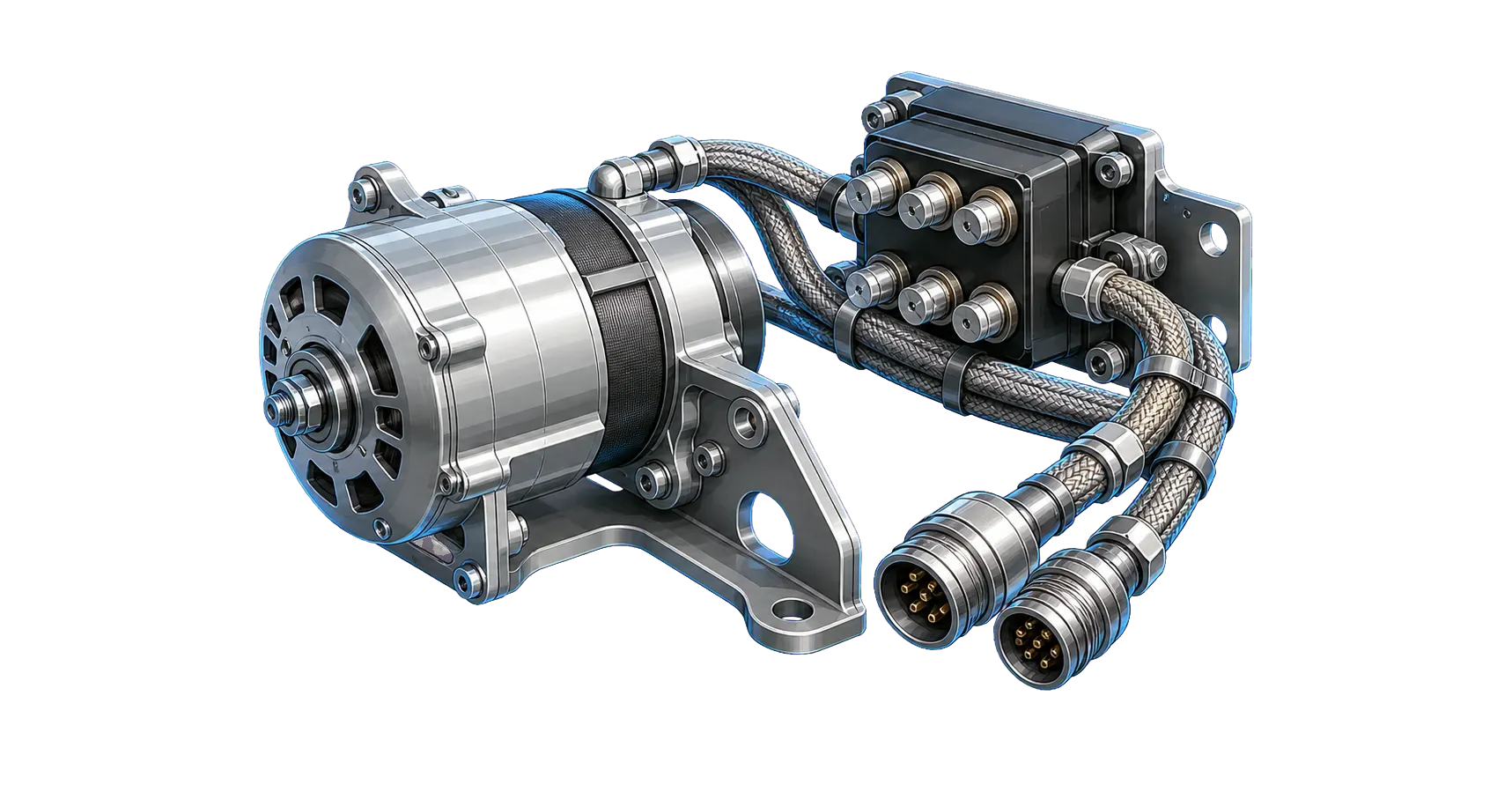
Airworthiness Directives; McDonnell Douglas Model DC-9-10, -20, -30, -40, and -50 Series Airplanes and C-9 (Military) Series Airplanes
Unsafe Condition: Severe structural damage and rupture of the integral fuel tank due to overload of the main landing gear (MLG) caused by adverse landing conditions.
Airworthiness Directives; McDonnell Douglas Model DC-9-10, -20, -30, -40, and -50 Series Airplanes, and C-9 (Military) Airplanes,
Unsafe Condition: Improperly manufactured driver links missing chamfers may cause damage to overcenter links, resulting in uncommanded opening of the thrust reverser door and adversely affecting controllability of t...
Airworthiness Directives; McDonnell Douglas Model DC-9, DC-9-80, and C-9 (Military) Series Airplanes, and Model MD-88 Airplanes
Unsafe Condition: Failure of the emergency power switch due to reaching its maximum life limit could result in a short in the electrical circuit, leading to a fire in the overhead switch panel and smoke in the cockpit.
Airworthiness Directives; McDonnell Douglas Model DC-9, DC-9-80, and C-9 (Military) Series Airplanes and Model MD-88 Airplanes
Unsafe Condition: Improper installation of wire termination lugs on the ignition selector switch could cause an uncontained failure of the engine starter, leading to damage to the engine cowling, adjacent engine com...
Airworthiness Directives; McDonnell Douglas Model DC-9-10, -20, -30, -40, and -50 Series Airplanes, and Model C-9 (Military) Airplanes
Unsafe Condition: Separation of the engine nose cowl from the airplane due to elongation and/or breakout of the nose cowl's attachment ring holes and failure of the attaching bolts.
Airworthiness Directives; McDonnell Douglas Model DC-9 and DC-9-80 Series Airplanes, Model MD-88 Airplanes, and Model C-9 (Military) Airplanes
Unsafe Condition: The inability of the tailcone to deploy because the swaged ball on the cable had jammed after passing into the release handle hole.
Airworthiness Directives; McDONNELL DOUGLAS Model DC-8-60 and -70 Series Airplanes, and Model DC-9-10, -20, -30, -40, and -50 Series Airplanes, Model DC-9-81, -82, -83, and -87 Airplanes, Model MD-88 Airplanes, and C-9 (Military) Airplanes
Unsafe Condition: Failure of the windshield due to the core ply of certain windshields being incorrectly tempered during manufacturing.
Airworthiness Directives; MCDONNELL DOUGLAS Model DC-9-10, -20, -30, -40, and -50 Series Airplanes and C-9 (Military) Airplanes; and DC-9-81 (MD-81), DC-9-82 (MD-82), DC-9-83 (MD-83), and DC-9-87 (MD-87) Series Airplanes and MD-88 Airplanes
Unsafe Condition: Cracking in the skin and doublers around the upper anticollision light cutout could result in damage to the adjacent structure and subsequent loss of cabin structural integrity.
Airworthiness Directives; MCDONNELL DOUGLAS Model DC-9 and C-9 (Military) Series Airplanes
Unsafe Condition: Cracking in the ventral aft pressure bulkhead web and doublers between stations Z=34.000 and Z=74.000, caused by fatigue, could lead to bulkhead failure and rapid decompression.
Airworthiness Directives; MCDONNELL DOUGLAS DC-9-10, -20, -30, -40, and -50 Series Airplanes; DC-9-81, -82, -83, and -87 Series Airplanes; MD-88 Airplanes; and C-9 (Military) Airplanes
Unsafe Condition: Reduced structural integrity of the nose wheel assembly resulting from installation of a suspected unapproved part.
Airworthiness Directives; MCDONNELL DOUGLAS DC-9 and Model DC-9-80 Series Airplanes
Unsafe Condition: Delayed inflation of the evacuation slide, which could delay or impede the evacuation of passengers during an emergency.
Airworthiness Directives; MCDONNELL DOUGLAS DC-9 and C-9 (Military) Airplanes, DC-9-80 Series Airplanes and MD-88 Airplanes
Unsafe Condition: Failure of the retention nut on the rudder power control valve slide assembly due to lack of a lockwire, which could result in loss of rudder control.
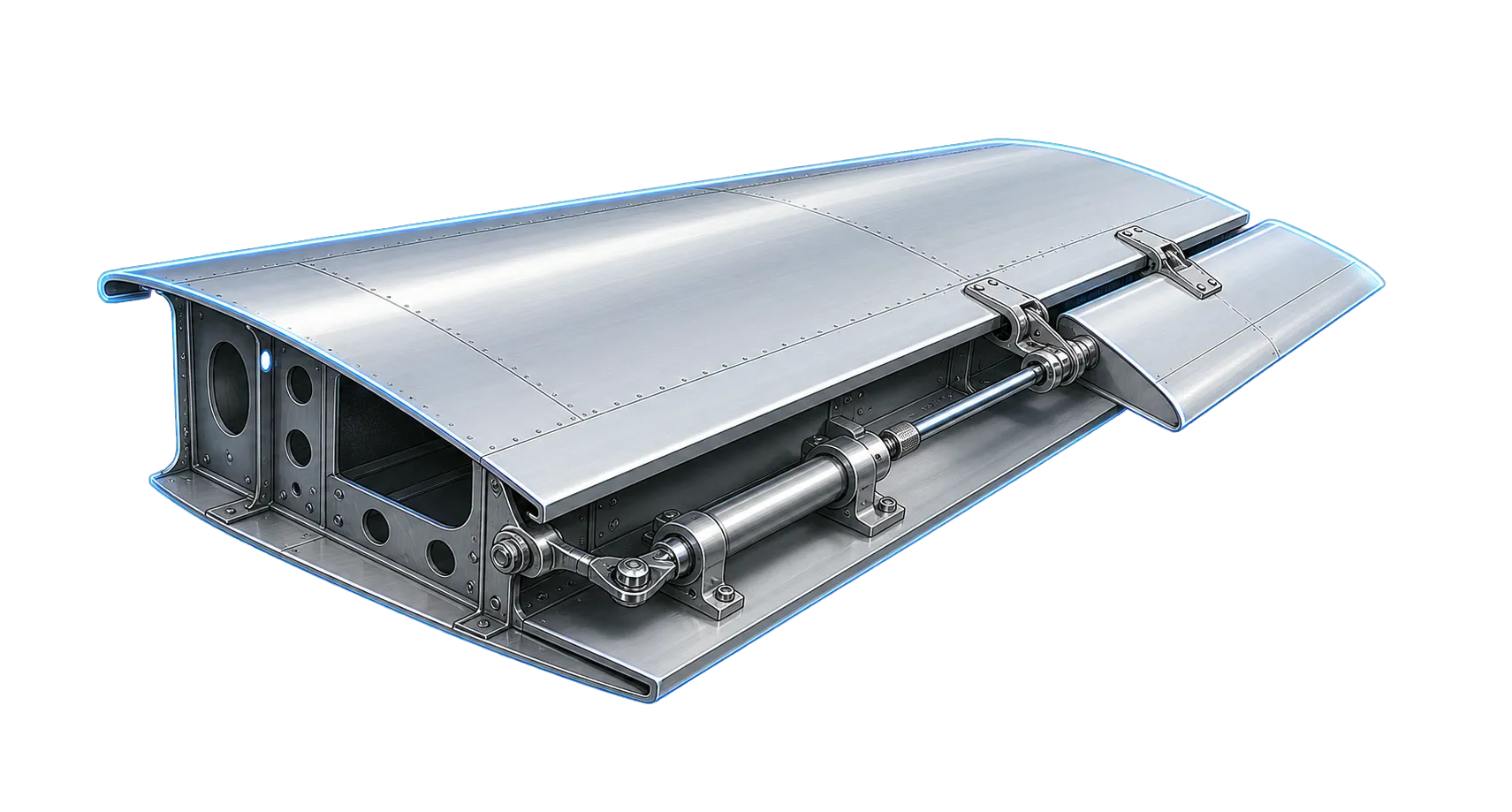
Airworthiness Directives; MCDONNELL DOUGLAS DC-9-11, -12, -13, -14, -15, and -15F Series Airplanes
Unsafe Condition: Degradation of lift due to ice accumulation on the wing leading edge, which can cause significant reduction in stall angle-of-attack and increase stall speed up to 30 knots beyond the stall warning...
Airworthiness Directives; BOEING AND MCDONNELL DOUGLAS Models 707, 727, 737, 747, and 757 and McDonnell Douglas Models DC-8, DC-9, and DC-10 Series Airplanes;
Unsafe Condition: The unsafe condition involves a main deck Class B cargo compartment fire hazard due to insufficient fire protection systems and equipment, which could compromise the ability to detect, control, or ...
Airworthiness Directives; MCDONNELL DOUGLAS DC-9 Series Airplanes, DC-9-80 Series Airplanes, MD-88 Airplanes, and C-9 (Military) Airplanes
Unsafe Condition: Structural failure due to corrosion.