Cessna Aircraft Company 182A Airworthiness Directives

Browse ADs indexed for this model. Applicability depends on your aircraft configuration.

Check your aircraft configuration

2011-10-09 Recurring

final rule

Airworthiness Directives; Cessna Aircraft Company Models 150, 152, 170, 172, 175, 177, 180, 182, 185, 188, 190, 195, 206, 207, 210, T303, 336, and 337 Airplanes

Unsafe Condition: Excessive wear on seat rail and seat rail holes, seat pin engagement, seat rollers, washers, axle bolts or bushings, wall thickness of roller housing and the tang, and lock pin springs may lead to ...
Effective: Jun 17, 2011 Category: aircraft Compliance: Within 100 flight hours after the effective date of the AD.
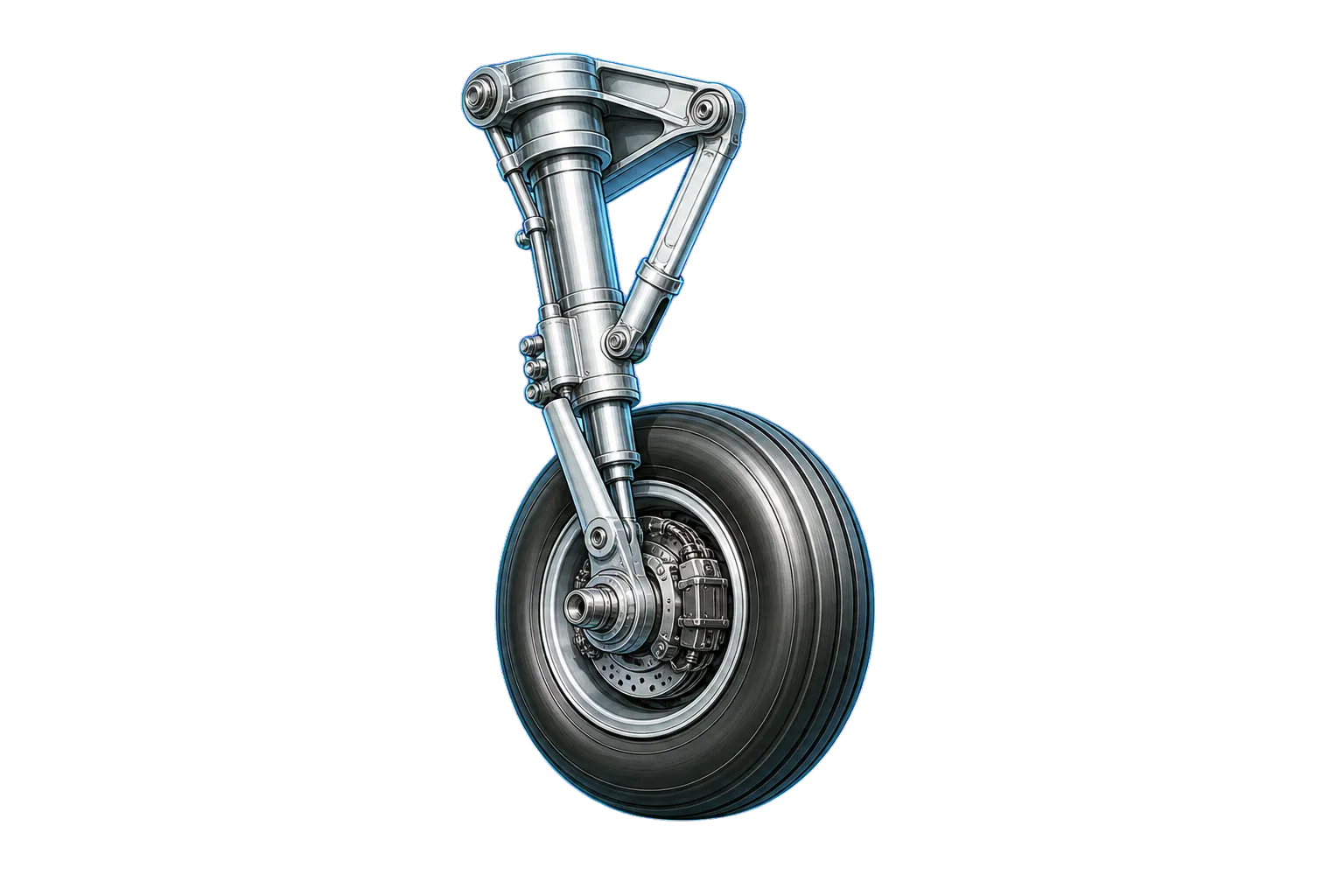
Technical illustration of an aircraft landing gear and wheel assembly
Problem area Landing gear

2008-26-10

final rule

Airworthiness Directives; Cessna Aircraft Company 172, 175, 177, 180, 182, 185, 188, 206, 207, 208, 210, 303, 336, and 337 Series Airplanes

Unsafe Condition: Obstruction of the alternate static air source selector valve port by the part number identification placard, which could result in erroneous indications from the altimeter, airspeed, and vertical ...

Effective: Jan 5, 2009 Category: aircraft Compliance: Within 120 flight hours after the effective date of this AD.

98-16-04

final rule

Airworthiness Directives; Cessna Models 180, 182, and 185 Series Airplanes

Unsafe Condition: Failure of the wing due to the absence of an angle stiffener along the lower spar splice between Wing Station 90 and 110, which could cause loss of control of the airplane during flight.

Effective: Sep 21, 1998 Category: aircraft Compliance: within the next 50 hours time-in-service (TIS) after the effective date of this AD, unless alread...

84-10-01 R1

final rule

Airworthiness Directives; Cessna Model 180, 182, R182, 185, 188, T188, 190/195, 210-5 (205), 206, U206, TU206, P206, TP206, 207, T207, 210, T210, A182, F182, FR182 Series Airplanes

Unsafe Condition: Power loss or engine stoppage due to water contamination of fuel system.

Effective: Jul 5, 1988 Category: aircraft Compliance: Within the next 50 hours time-in-service after the effective date of this AD, except for reinspec...
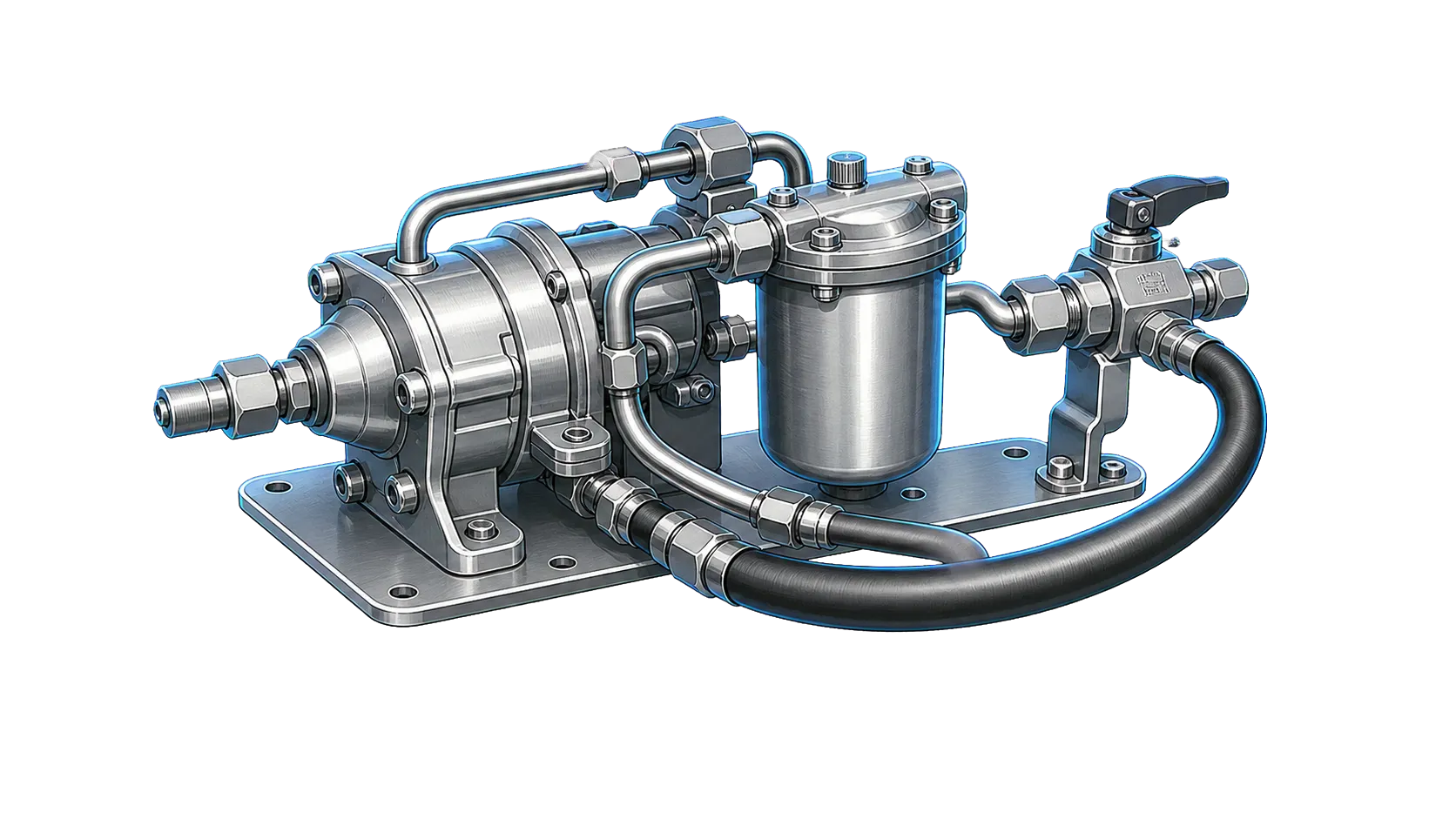
Technical illustration of an aircraft fuel pump, filter, valve, and lines
Problem area Fuel system

79-10-14 R1

final rule

Airworthiness Directives; CESSNA Models 140A, 150, A150, 170, 172, 175, P172D, R172, 177, 180, 182, 185, A185, 188, A188, 205, 206, U206, TU206, P206, TP206, 207, T207, 210, T210, 336, 337, T337, M337B Series Airplanes

Unsafe Condition: Fuel tank vent obstruction by foreign material and/or sticking of the fuel vent valve could occur, leading to potential fuel system pressure imbalance or fuel leakage.

Effective: May 30, 1988 Category: aircraft Compliance: within the next 100 hours time-in-service after the effective date of this AD
Technical illustration of an aircraft fuel pump, filter, valve, and lines
Problem area Fuel system

83-17-06

final rule

Airworthiness Directives; Cessna Models 180 through 180H, 180J and 180K 150D through 150L 185, 185A through 185E, A185E, A185F, 182 through 182R, R182, T182 and TR182, 172 and 172A through 172P Airplanes

Unsafe Condition: Possible destructive aileron flutter due to incorrectly installed aileron balance weights with measured height of approximately 1/2 inch.

Effective: Sep 1, 1983 Category: aircraft Compliance: within the next 50 hours time-in-service after the effective date of this AD
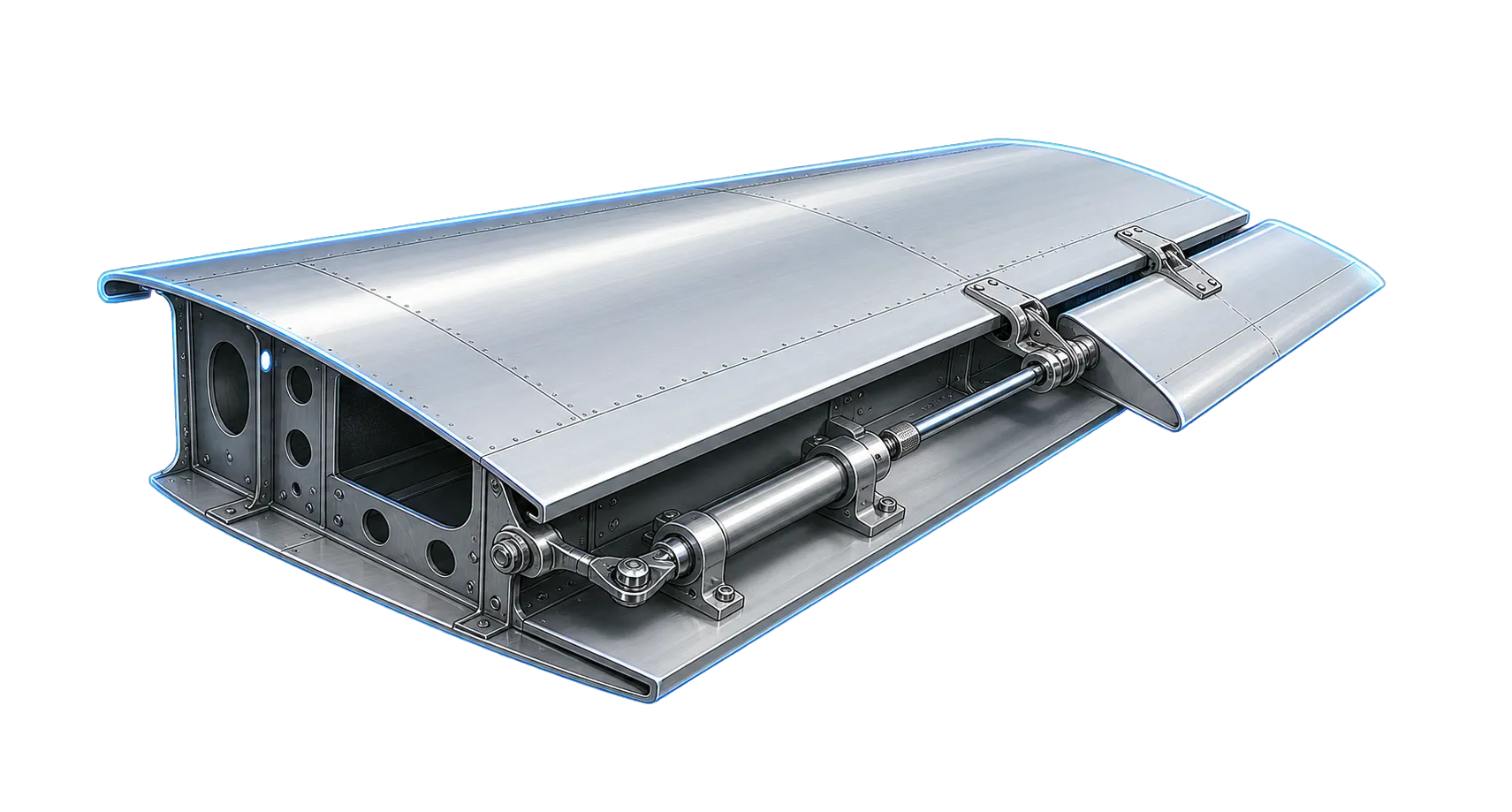
Technical illustration of an aircraft flight control surface and actuator
Problem area Flight controls

83-13-01

final rule

Airworthiness Directives; Cessna Model 182, 182A, 182B, 182C, 182D, 182E, 182F, 182G, 182H, 182J, 182K, 182L, 182M, 182N, 182P, 182Q and R182 Airplanes

Unsafe Condition: Improper fuel cap sealing can cause fuel leakage and erroneously high fuel quantity indications.

Effective: Aug 1, 1983 Category: aircraft Compliance: Within the next 12 calendar months after the effective date of this AD and each 12 calendar month...

79-25-07

final rule

Airworthiness Directives; CESSNA Models 180, 182/F182, 185, A185, 188, A188, P206, U206, TU206, 207, T207, 210, T210, P210N Series Airplanes

Unsafe Condition: Electrical or electronic component damage or an in-flight fire due to a short between an ungrounded alternator and flammable fluid carrying lines.

Effective: Dec 13, 1979 Category: aircraft Compliance: within the next 50 hours' time-in-service after the effective date of this AD unless previously a...
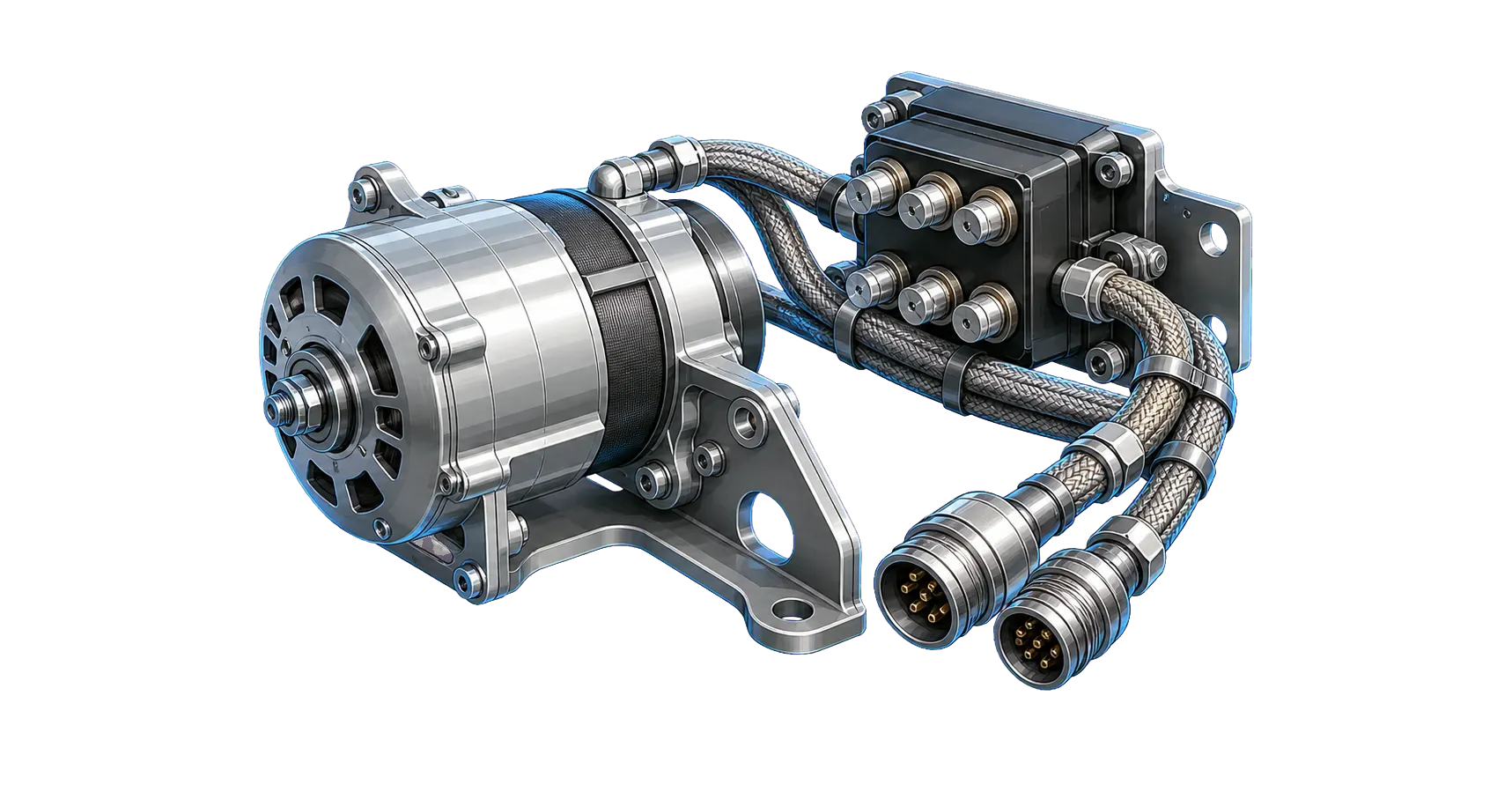
Technical illustration of an aircraft electrical generator and wiring assembly
Problem area Electrical system

79-08-03

final rule

Airworthiness Directives; CESSNA Models 120, 140, 150, A150, 170, 172, R172, P172, 175, 177, 177RG, 180, 182, 185, 188, 190, 195, 210-5 (205), 210-5A (205A), 206, U206, TU206, P206, TP206, 207, 210, and T210 Series Airplanes

Unsafe Condition: Inflight electrical system failure, smoke in the cockpit, and/or fire in the wire bundle behind the instrument panel.

Effective: Jun 6, 1979 Category: aircraft Compliance: At the next appropriate inspection prescribed by Federal Aviation Regulation 91.169 following the...
Technical illustration of an aircraft electrical generator and wiring assembly
Problem area Electrical system

78-01-14

final rule

Airworthiness Directives; CESSNA Model 182 Series Airplanes

Unsafe Condition: A loose ELT antenna coaxial cable connector contacting the terminals of the battery relay could short electrical power to ground, creating a possibility of an in-flight fire.

Effective: Jan 23, 1978 Category: aircraft Compliance: within the next 100 hours time-in-service after the effective date of this AD or by March 15, 197...
Technical illustration of an aircraft electrical generator and wiring assembly
Problem area Electrical system

77-23-11

final rule

Airworthiness Directives; CESSNA Model 182 Series Airplanes

Unsafe Condition: A loose ELT antenna coaxial cable connector may contact the terminals of the battery relay, shorting the electrical power to ground and causing an in-flight fire.

Effective: Nov 28, 1977 Category: aircraft Compliance: Before the next flight
Technical illustration of an aircraft electrical generator and wiring assembly
Problem area Electrical system

77-04-05

final rule

Airworthiness Directives; CESSNA Models 180, 182,185, 188 and A188 Series Airplanes

Unsafe Condition: Ingestion of the induction air box seal into the carburetor.

Effective: Mar 1, 1977 Category: aircraft Compliance: within the next 50 hours' time in service after the effective date of this AD

77-02-09

final rule

Airworthiness Directives; CESSNA Models 150, A150, 172, R172, 182, 206 and 207 Airplanes

Unsafe Condition: The wing flap actuator ball nut assembly may fail due to insufficient strength, leading to flap malfunction or failure.

Effective: Feb 3, 1977 Category: aircraft Compliance: Before the next flight and within 50 hours' time in service after February 3, 1977

75-16-01

final rule

Airworthiness Directives; CESSNA Models 180, 182, 15, A185, U206, TU206, P206, TP260, T207, 207, And A188 Series Airplanes

Unsafe Condition: Inadvertent fuel exhaustion due to incorrect fuel placarded capacities.

Effective: Jul 30, 1975 Category: aircraft Compliance: within the next 100 hours' time in service after the effective date of this AD

72-07-09

final rule

Airworthiness Directives; CESSNA Models 205, 206, P206, TP206, 182, U206, TU206, 207, T207, 210, T210 Series Airplanes

Unsafe Condition: Cracks and loose bolts in the fin and rudder could lead to inflight separation of the fin and rudder.

Effective: Oct 17, 1974 Category: aircraft Compliance: Within the next 50 hours' time in service after the effective date of this AD on all airplanes wi...
Technical illustration of an aircraft flight control surface and actuator
Problem area Flight controls

73-23-07

final rule

Airworthiness Directives; CESSNA Models 150, A150, 172, 180, 182, 185 Airplanes

Unsafe Condition: Defective spar attachment fittings (P/N 0523306) remaining in service.

Effective: Nov 19, 1973 Category: aircraft Compliance: within the next 50 hours' time in service after the effective date of this AD

73-17-01

final rule

Airworthiness Directives; CESSNA Models 170, 172, 175, 180 and 182 Airplanes

Unsafe Condition: Failure to turn off the fuel boost pump allows air to enter the engine fuel system and may cause engine power failure when the fuel selector valve is changed from the left tank position.

Effective: Aug 16, 1973 Category: aircraft Compliance: within 100 hours time in service after the effective date of this AD

71-22-02

final rule

Airworthiness Directives; CESSNA Models 150, 172, 175 and 182 Series Airplanes

Unsafe Condition: Cracks in the radius of the milled section of the nose gear strut attachment bolt in nose gear forks, which could lead to failure of the nose gear structure.

Effective: Nov 9, 1971 Category: aircraft Compliance: On or before January 1, 1972, and thereafter at intervals not to exceed 100 hours' time in servic...
Technical illustration of an aircraft landing gear and wheel assembly
Problem area Landing gear

59-10-03

final rule

Airworthiness Directives; CESSNA Models 172, 180, 180A, 182, and 182A Airplanes

Unsafe Condition: The Narco Model 300 position light flasher is of non-fail-safe design and does not permit steady operation of the lights in case of flasher failure.

Category: aircraft Compliance: July 15, 1959