Cessna Aircraft Company 172P Airworthiness Directives

Browse ADs indexed for this model. Applicability depends on your aircraft configuration.

Check your aircraft configuration

2011-10-09 Recurring

final rule

Airworthiness Directives; Cessna Aircraft Company Models 150, 152, 170, 172, 175, 177, 180, 182, 185, 188, 190, 195, 206, 207, 210, T303, 336, and 337 Airplanes

Unsafe Condition: Excessive wear on seat rail and seat rail holes, seat pin engagement, seat rollers, washers, axle bolts or bushings, wall thickness of roller housing and the tang, and lock pin springs may lead to ...
Effective: Jun 17, 2011 Category: aircraft Compliance: Within 100 flight hours after the effective date of the AD.
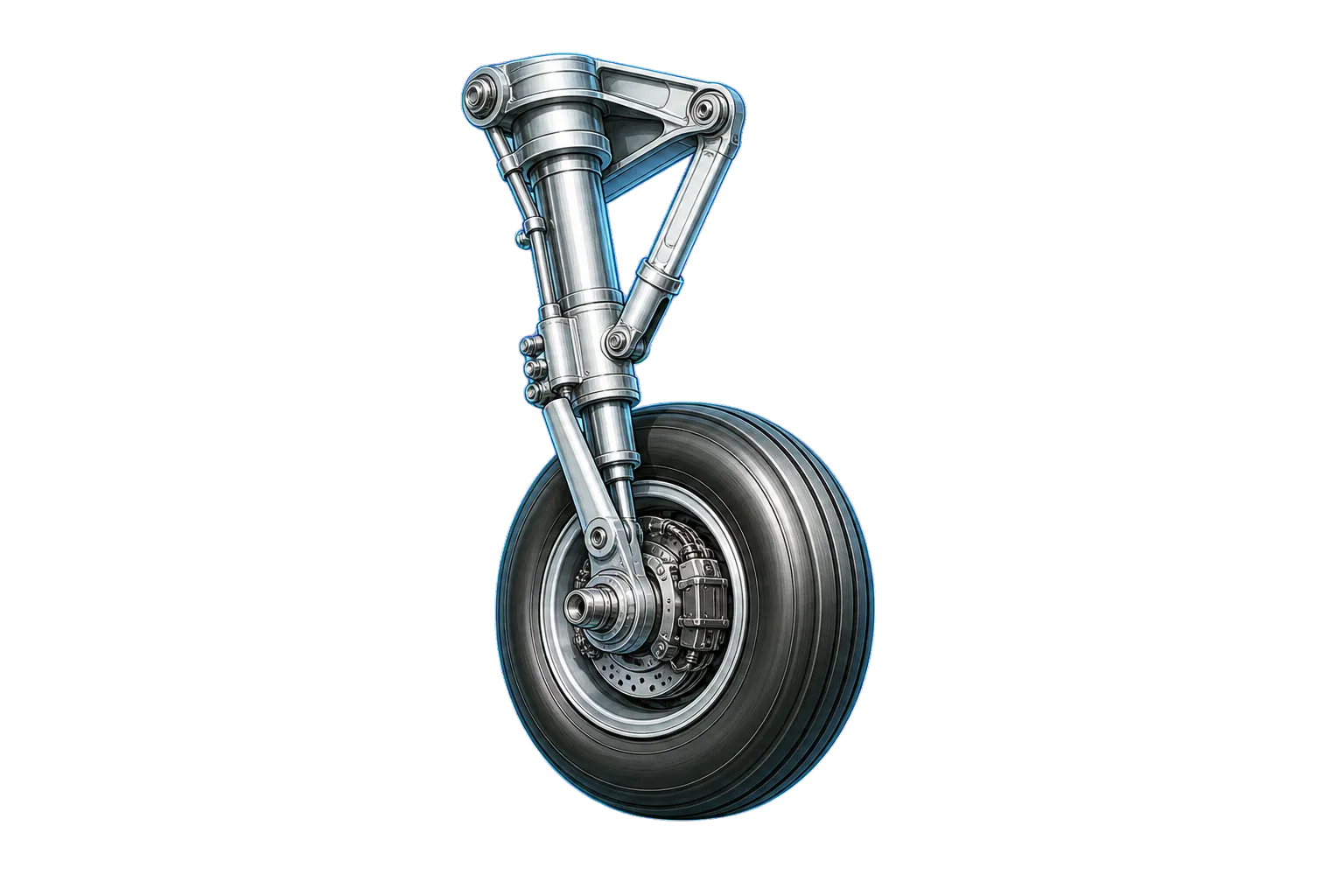
Technical illustration of an aircraft landing gear and wheel assembly
Problem area Landing gear

2011-06-02

final rule

Airworthiness Directives; Cessna Aircraft Company (Cessna) Model 172 Airplanes Modified by Supplemental Type Certificate (STC) SA01303WI

Unsafe Condition: The FAA is correcting an airworthiness directive (AD) that published in the Federal Register. That AD applies to the products listed above. The numbering of paragraphs (j)(3), (j)(4), and (j)(5) in...

Effective: May 26, 2011 Category: aircraft Compliance: Within 12 months of effective date

2008-26-10

final rule

Airworthiness Directives; Cessna Aircraft Company 172, 175, 177, 180, 182, 185, 188, 206, 207, 208, 210, 303, 336, and 337 Series Airplanes

Unsafe Condition: Obstruction of the alternate static air source selector valve port by the part number identification placard, which could result in erroneous indications from the altimeter, airspeed, and vertical ...

Effective: Jan 5, 2009 Category: aircraft Compliance: Within 120 flight hours after the effective date of this AD.

2001-23-03 Recurring

final rule

Airworthiness Directives; Cessna Aircraft Company Models 172N, 172P, R172K, 172RG, F172N, F172P, FR172J, and FR172K Airplanes

Unsafe Condition: Chafing between the map light switch and the adjacent fuel line, which could result in a fuel leak and an in-flight fire.

Effective: Dec 27, 2001 Category: aircraft Compliance: Before further flight
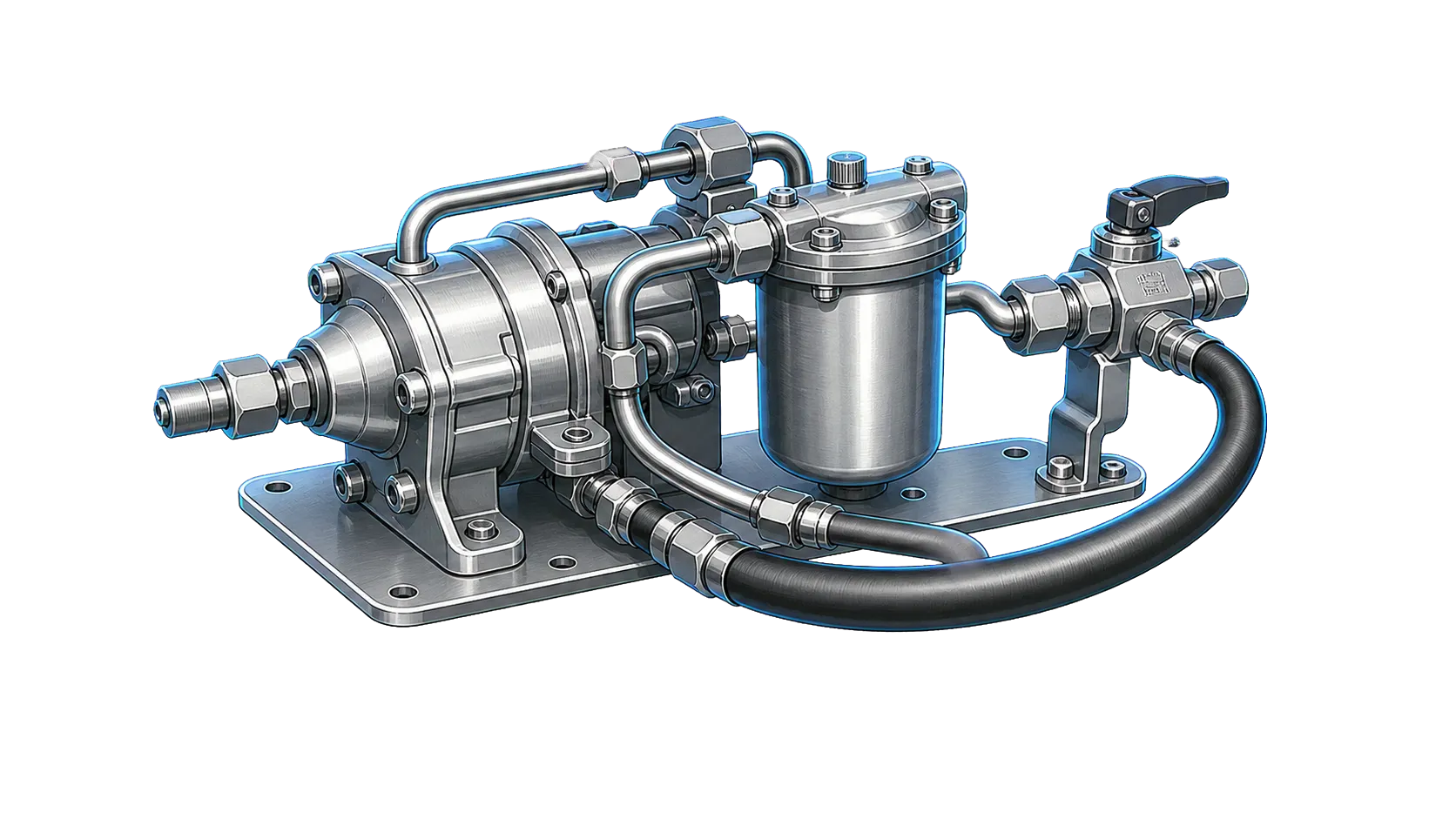
Technical illustration of an aircraft fuel pump, filter, valve, and lines
Problem area Fuel system

2000-06-01

final rule

Airworthiness Directives; Cessna Aircraft Company 150, 152, 172, 177, 180, 182, 185, 188, 206, 207, 210, and 337 Series Airplanes

Unsafe Condition: could result in loss of engine power or complete engine stoppage during flight.

Effective: May 5, 2000 Category: aircraft

90-06-03 R1

final rule

Airworthiness Directives; CESSNA Model 172 Airplanes

Unsafe Condition: Cracking of the exhaust heater/muffler that could result in dangerous carbon monoxide levels.

Effective: Mar 27, 1991 Category: aircraft Compliance: within the next 25 hours time-in-service after the effective date of this AD, unless already acco...

79-10-14 R1

final rule

Airworthiness Directives; CESSNA Models 140A, 150, A150, 170, 172, 175, P172D, R172, 177, 180, 182, 185, A185, 188, A188, 205, 206, U206, TU206, P206, TP206, 207, T207, 210, T210, 336, 337, T337, M337B Series Airplanes

Unsafe Condition: Fuel tank vent obstruction by foreign material and/or sticking of the fuel vent valve could occur, leading to potential fuel system pressure imbalance or fuel leakage.

Effective: May 30, 1988 Category: aircraft Compliance: within the next 100 hours time-in-service after the effective date of this AD
Technical illustration of an aircraft fuel pump, filter, valve, and lines
Problem area Fuel system

83-17-06

final rule

Airworthiness Directives; Cessna Models 180 through 180H, 180J and 180K 150D through 150L 185, 185A through 185E, A185E, A185F, 182 through 182R, R182, T182 and TR182, 172 and 172A through 172P Airplanes

Unsafe Condition: Possible destructive aileron flutter due to incorrectly installed aileron balance weights with measured height of approximately 1/2 inch.

Effective: Sep 1, 1983 Category: aircraft Compliance: within the next 50 hours time-in-service after the effective date of this AD
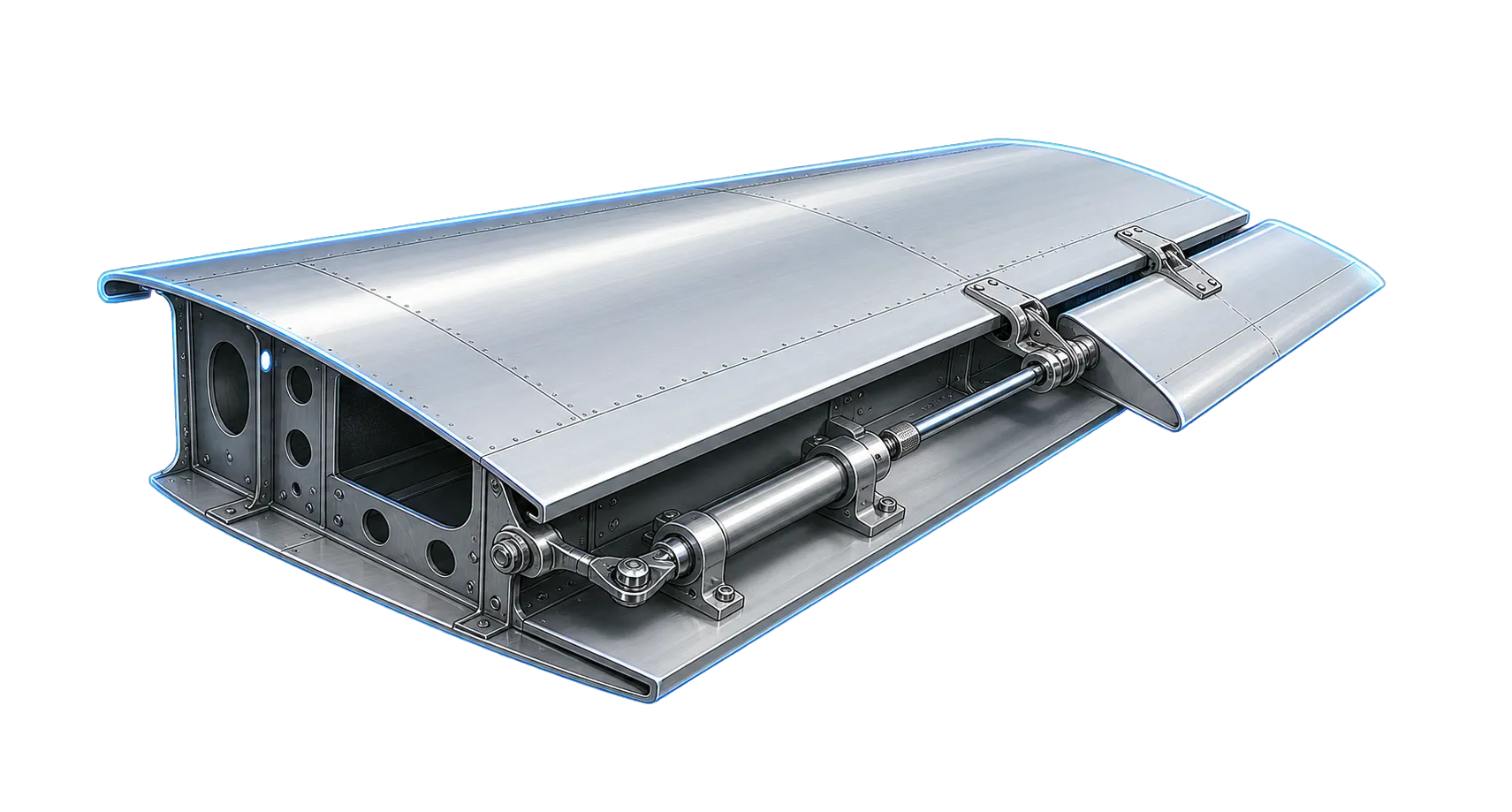
Technical illustration of an aircraft flight control surface and actuator
Problem area Flight controls

83-10-03

final rule

Airworthiness Directives; Cessna Model 172M, 172N, 172P, R172K, F172 and FR172 Airplanes

Unsafe Condition: Possible jamming of the elevator control due to the control wheel yoke guide issue.

Effective: Jun 30, 1983 Category: aircraft Compliance: Within the next 100 hours time-in-service

82-07-02

final rule

Airworthiness Directives; Cessna Models 170A, 170B, 172, 172A through 172P, 175, 175A, 175B, 175C, P172D, and R172E (USAF T-41B) Airplanes

Unsafe Condition: Rapid loss of engine oil caused by ice obstruction of the engine crankcase breather.

Effective: Apr 8, 1982 Category: aircraft Compliance: Within the next 50 hours time-in-service after the effective date of this AD
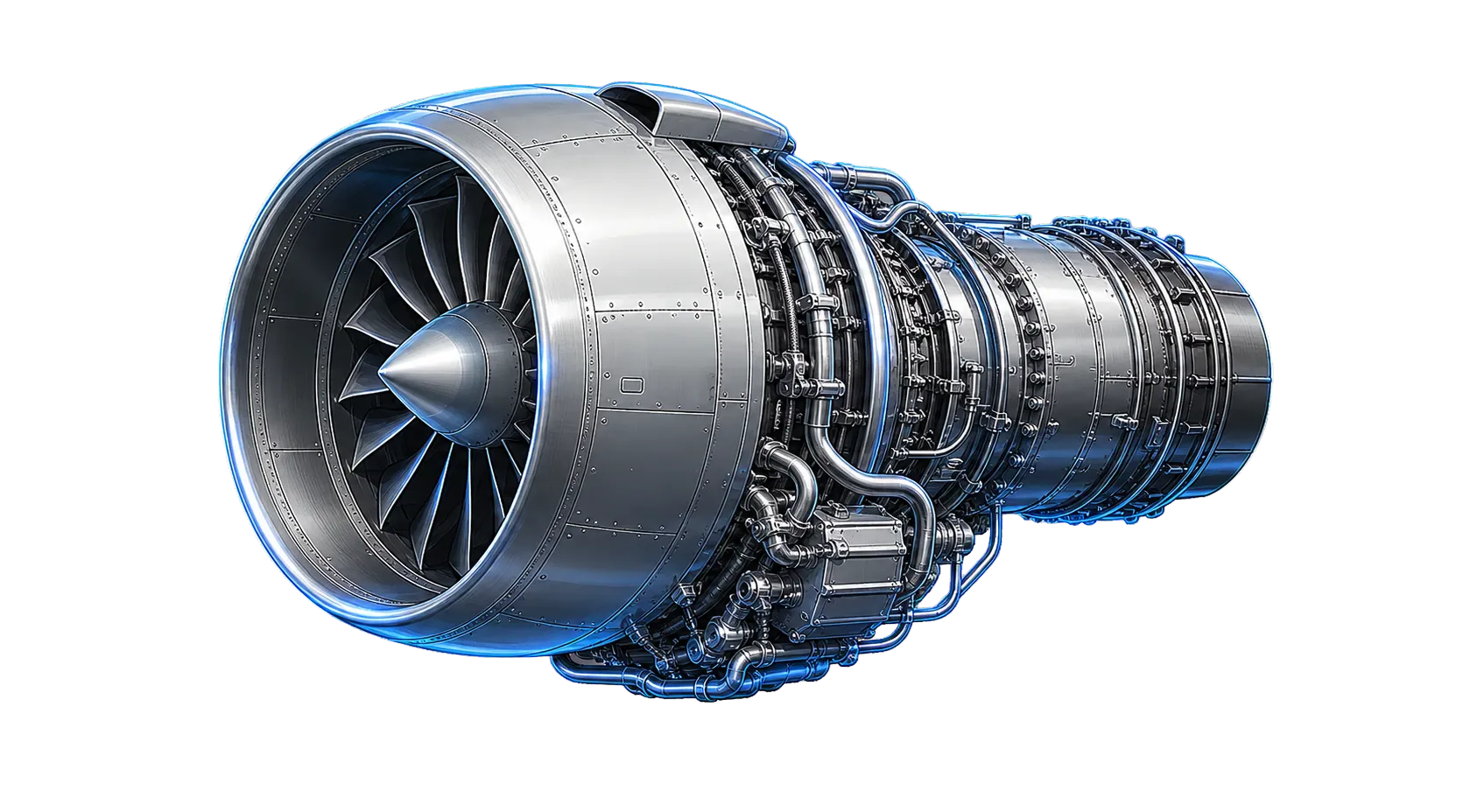
Technical illustration of an aircraft turbine engine assembly
Problem area Engine

81-16-09

final rule

Airworthiness Directives; Cessna Model 172N, 172P, R172K, 172RG, F172, FR172 Airplanes

Unsafe Condition: The elevator control system may have insufficient clearance between the elevator cable clevises (forks) and bellcrank due to improper installation or wear, leading to potential binding or failure o...

Effective: Aug 13, 1981 Category: aircraft Compliance: within the next 25 hours time-in-service after the effective date of this AD
Technical illustration of an aircraft flight control surface and actuator
Problem area Flight controls

81-05-01

final rule

Airworthiness Directives; Cessna Model 152, A152, 172N, 172P, R172K and 172RG Airplanes

Unsafe Condition: Incorrect fuel quantity markings may lead to fuel depletion.

Effective: Mar 2, 1981 Category: aircraft Compliance: within 25 hours time-in-service after the effective date of the AD

79-08-03

final rule

Airworthiness Directives; CESSNA Models 120, 140, 150, A150, 170, 172, R172, P172, 175, 177, 177RG, 180, 182, 185, 188, 190, 195, 210-5 (205), 210-5A (205A), 206, U206, TU206, P206, TP206, 207, 210, and T210 Series Airplanes

Unsafe Condition: Inflight electrical system failure, smoke in the cockpit, and/or fire in the wire bundle behind the instrument panel.

Effective: Jun 6, 1979 Category: aircraft Compliance: At the next appropriate inspection prescribed by Federal Aviation Regulation 91.169 following the...
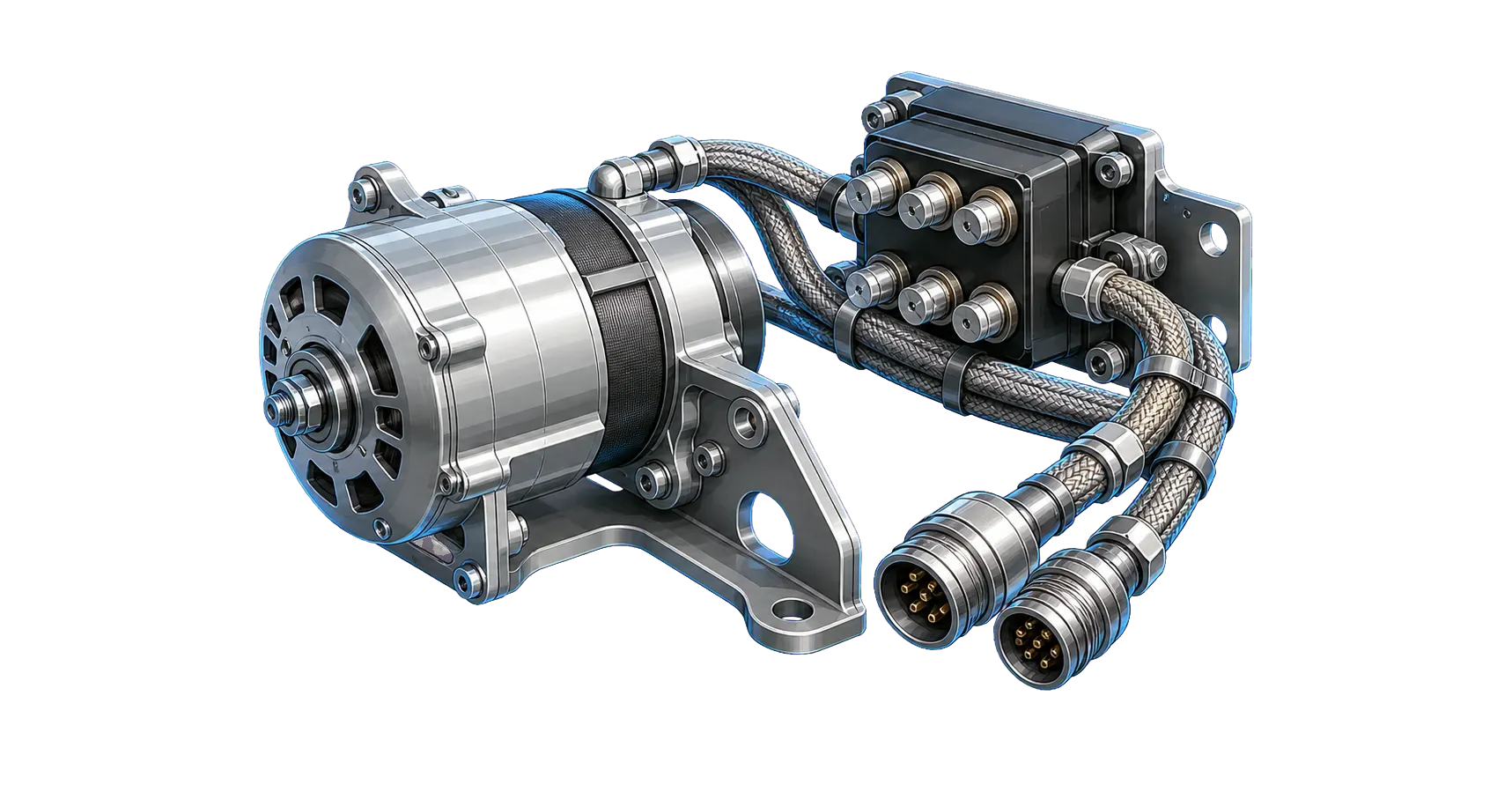
Technical illustration of an aircraft electrical generator and wiring assembly
Problem area Electrical system

77-02-09

final rule

Airworthiness Directives; CESSNA Models 150, A150, 172, R172, 182, 206 and 207 Airplanes

Unsafe Condition: The wing flap actuator ball nut assembly may fail due to insufficient strength, leading to flap malfunction or failure.

Effective: Feb 3, 1977 Category: aircraft Compliance: Before the next flight and within 50 hours' time in service after February 3, 1977

74-04-01

final rule

Airworthiness Directives; CESSNA Model 172 Series Airplanes

Unsafe Condition: Cracks in the aft fuselage bulkhead assembly (P/N 0512157-7) could result in structural failure.

Effective: Feb 12, 1974 Category: aircraft Compliance: within the next 100 hours' time in service after the effective date of this AD
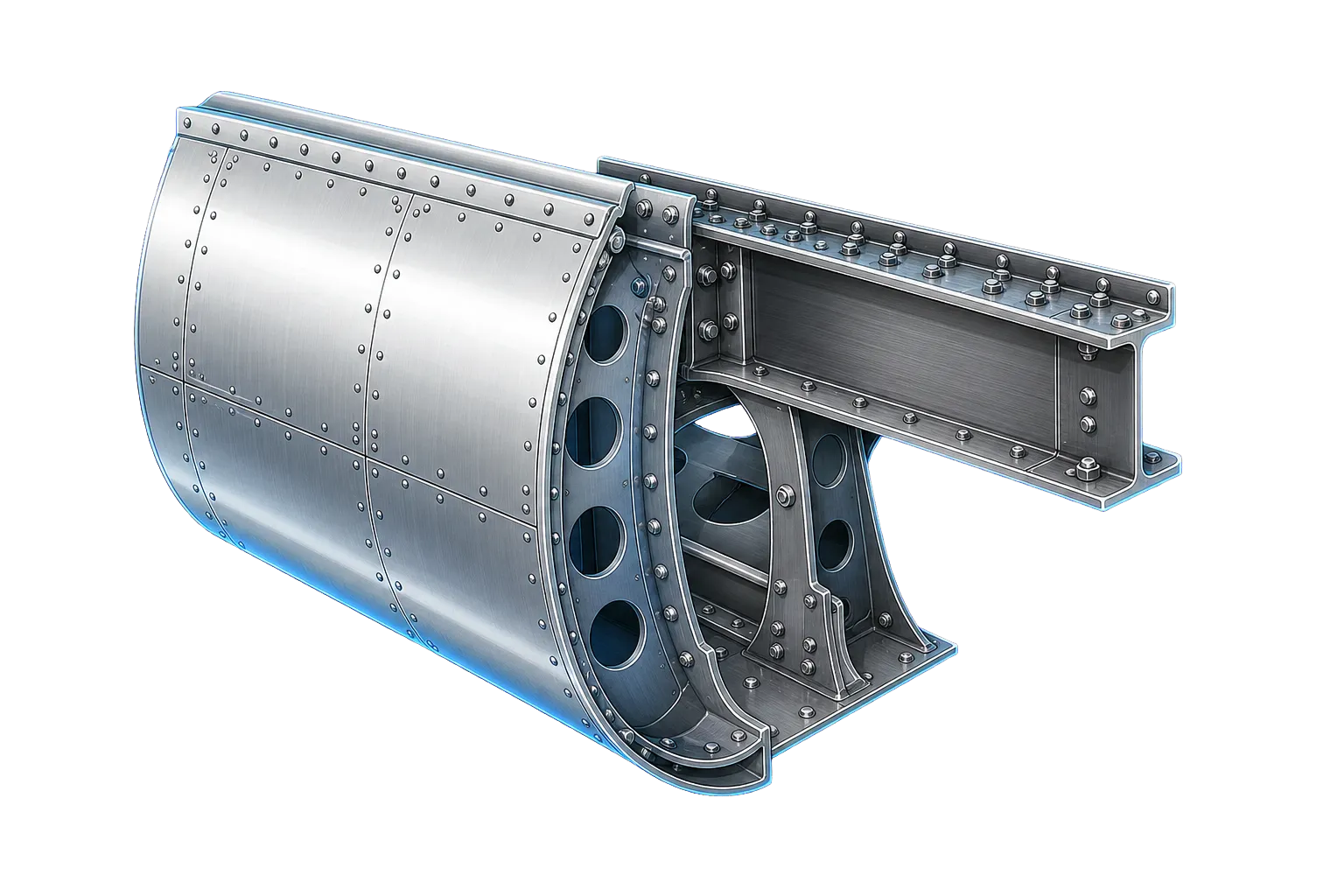
Technical illustration of a riveted aircraft structural panel and frame
Problem area Airframe structure

73-23-07

final rule

Airworthiness Directives; CESSNA Models 150, A150, 172, 180, 182, 185 Airplanes

Unsafe Condition: Defective spar attachment fittings (P/N 0523306) remaining in service.

Effective: Nov 19, 1973 Category: aircraft Compliance: within the next 50 hours' time in service after the effective date of this AD

73-17-01

final rule

Airworthiness Directives; CESSNA Models 170, 172, 175, 180 and 182 Airplanes

Unsafe Condition: Failure to turn off the fuel boost pump allows air to enter the engine fuel system and may cause engine power failure when the fuel selector valve is changed from the left tank position.

Effective: Aug 16, 1973 Category: aircraft Compliance: within 100 hours time in service after the effective date of this AD

71-22-02

final rule

Airworthiness Directives; CESSNA Models 150, 172, 175 and 182 Series Airplanes

Unsafe Condition: Cracks in the radius of the milled section of the nose gear strut attachment bolt in nose gear forks, which could lead to failure of the nose gear structure.

Effective: Nov 9, 1971 Category: aircraft Compliance: On or before January 1, 1972, and thereafter at intervals not to exceed 100 hours' time in servic...
Technical illustration of an aircraft landing gear and wheel assembly
Problem area Landing gear

71-18-01

final rule

Airworthiness Directives; CESSNA Model 172 Series Airplanes

Unsafe Condition: Incorrect fuel tank capacity information on the fuel selector valve placard and fuel filler neck markings could lead to improper fuel management and potential fuel exhaustion.

Effective: Aug 31, 1971 Category: aircraft Compliance: within the next 50 hours' time in service after the effective date of this AD
Technical illustration of an aircraft fuel pump, filter, valve, and lines
Problem area Fuel system

69-15-03

final rule

Airworthiness Directives; CESSNA Models 170, 172, and 175 Series Airplanes

Unsafe Condition: Cracks, corrosion, burn-throughs, heat damage, collapsed stack, or weld separations in the Piper Muffler Assembly (P/N 10308-00) installed with Lycoming engines under Supplemental Type Certificates...

Effective: Aug 20, 1969 Category: aircraft Compliance: Compliance required as indicated.

68-17-04

final rule

Airworthiness Directives; CESSNA Model 150, 172, 177, 180, 185, F150, and F172H Airplanes

Unsafe Condition: Failure of the pneumatic stall warning system to provide a clearly audible warning during stall conditions due to improper operation or blockage of the reed assembly and horn bell.

Effective: Sep 7, 1968 Category: aircraft Compliance: within 10 hours time in service after the effective date of this Airworthiness Directive