2023-11-07
final ruleAirworthiness Directives; Various Helicopters
Unsafe Condition: unsafe condition on these products.
Why matched: Airworthiness Directives; Various Helicopters
26 results found (3878ms)
Airworthiness Directives; Various Helicopters
Unsafe Condition: unsafe condition on these products.
Why matched: Airworthiness Directives; Various Helicopters
Airworthiness Directives; Brantly Helicopters Industries U.S.A. Co., Ltd., and Brantly International, Inc., Helicopters
Unsafe Condition: cracking of the tail rotor (T/R) hub, which could result in loss of T/R control and subsequent loss of control of the helicopter.
Why matched: Airworthiness Directives; Brantly Helicopters Industries U.S.A. Co., Ltd., and Brantly International, Inc., Helicopters
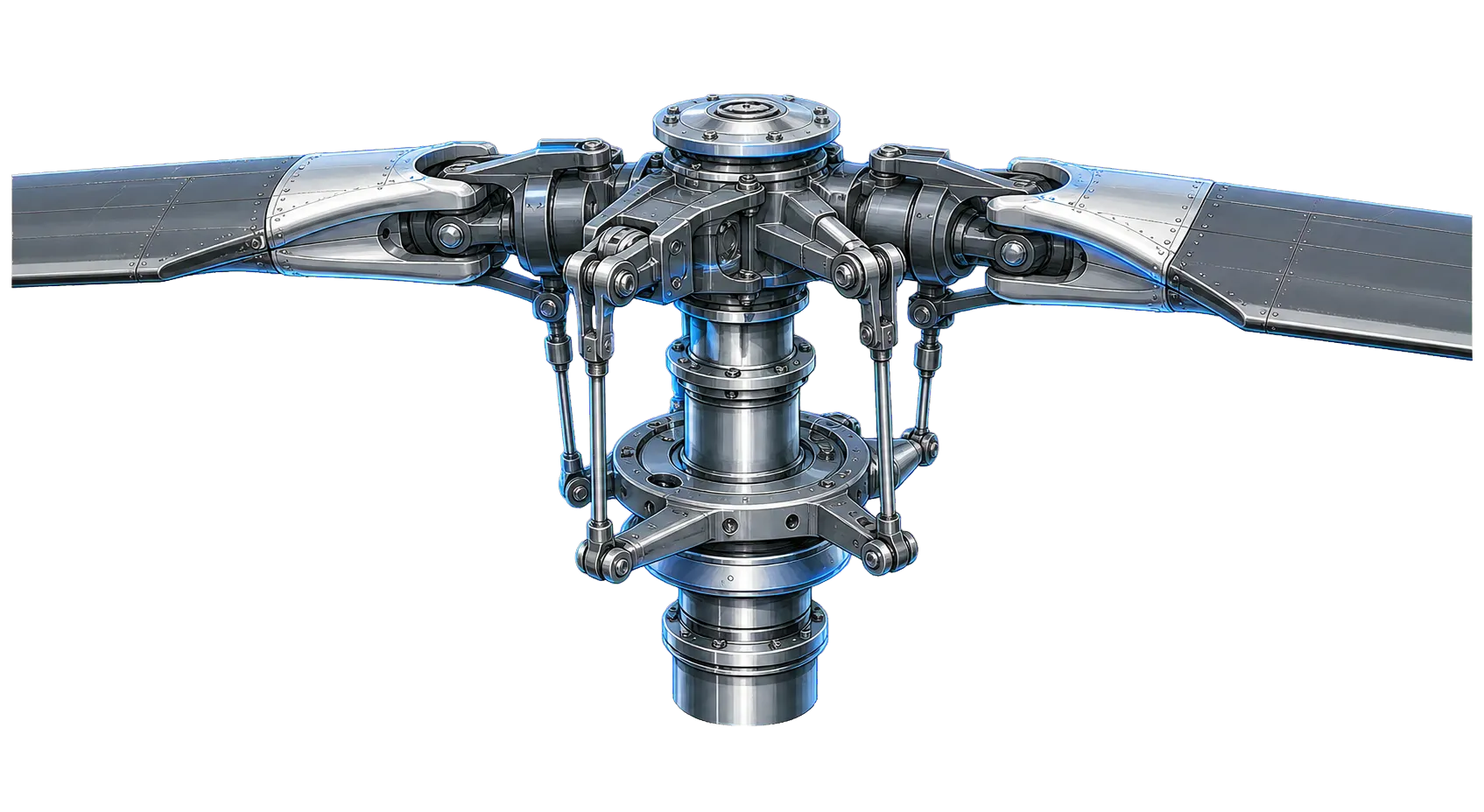
Airworthiness Directives; Brantly International, Inc. Helicopters
Unsafe Condition: Cracks or delamination in main rotor blades, particularly near the trailing edge, can lead to blade separation and loss of control.
Why matched: Airworthiness Directives; Brantly International, Inc. Helicopters
Airworthiness Directives; Engine Components Inc. (ECi) Reciprocating Engine Cylinder Assemblies
Unsafe Condition: Cracks in the cylinder assemblies and possible engine failure caused by separation of a cylinder head.
Why matched: Airworthiness Directives; Engine Components Inc. (ECi) Reciprocating Engine Cylinder Assemblies
Airworthiness Directives; Brantly International, Inc. Model B-2, B-2A, and B-2B Helicopters
Unsafe Condition: Fatigue cracking of the vertical shaft, potentially caused by misalignment, leading to shaft failure and subsequent loss of control of the helicopter.
Why matched: Airworthiness Directives; Brantly International, Inc. Model B-2, B-2A, and B-2B Helicopters
Airworthiness Directives; BRANTLY Models B-2, B-2A, and B-2B Helicopters
Unsafe Condition: Failures of the tail rotor blade at the spar retention areas due to pitting corrosion and cracks detected through visual and dye penetrant inspections.
Why matched: Airworthiness Directives; BRANTLY Models B-2, B-2A, and B-2B Helicopters
Airworthiness Directives; BENDIX: Applies to Bendix Starting Vibrator Assemblies, Part Numbers 10-176485-121, -122, -241, -242; 10-382780-12, -24
Unsafe Condition: Loss of ignition due to grounding of both 'P' (Primary) leads within the starting vibrator.
Why matched: Airworthiness Directives; BENDIX: Applies to Bendix Starting Vibrator Assemblies, Part Numbers 10-176485-121, -122, -241, -242; 10-382780-12, -24
Airworthiness Directives; Brantly Model 305 Helicopters.
Unsafe Condition: Failure of the main rotor hub clevis bearing or torsion strap assemblies P/N C0976-1, D2225-1, or ESJ 74837/36NBC2048YZP due to deterioration, roughness, or metallic particles in the grease residue...
Why matched: Airworthiness Directives; Brantly Model 305 Helicopters.
Airworthiness Directives; BRANTLY Models B-2, B-2A and B-2B Helicopters
Unsafe Condition: Fatigue failure of the pylon outboard bearing shaft, Part Number 280-5 or 280-6.
Why matched: Airworthiness Directives; BRANTLY Models B-2, B-2A and B-2B Helicopters
Airworthiness Directives; BRANTLY ROTORCRAFT Models B-2, B-2A, and B-2B Rotorcraft
Unsafe Condition: Corrosion on the inner bore surface of the main rotor mast P/N 104-1 could impair structural integrity.
Why matched: Airworthiness Directives; BRANTLY ROTORCRAFT Models B-2, B-2A, and B-2B Rotorcraft
Airworthiness Directives; BRANTLY Models B-2, B-2A and B-2B Series, and 305 Helicopters
Unsafe Condition: Failure of the tail rotor drive shaft due to corrosion.
Why matched: Airworthiness Directives; BRANTLY Models B-2, B-2A and B-2B Series, and 305 Helicopters
Airworthiness Directives; BRANTLY Models B-2, B-2A, and B-2B Helicopters
Unsafe Condition: The Fafnir P/N 212K bearing installed on the upper main rotor mast may have insufficient service life and reliability.
Why matched: Airworthiness Directives; BRANTLY Models B-2, B-2A, and B-2B Helicopters
Airworthiness Directives; BRANTLY Model B-2 Series Helicopters
Unsafe Condition: Failure of the tail rotor blade grip at the outboard thrust bearing shoulder due to tool marks deeper than 0.010 inch or relief radius less than 0.020 inch.
Why matched: Airworthiness Directives; BRANTLY Model B-2 Series Helicopters
Airworthiness Directives; BRANTLY Model B-2 Helicopters
Unsafe Condition: Sudden movement of the seat backs to the full aft adjustment position due to the seat back adjustment wire P/N B2-334-32.
Why matched: Airworthiness Directives; BRANTLY Model B-2 Helicopters
Airworthiness Directives; BRANTLY All Model B-2 Helicopters
Unsafe Condition: Failure of the seals in the engine driven fuel pump due to excessively high temperature conditions in the engine compartment.
Why matched: Airworthiness Directives; BRANTLY All Model B-2 Helicopters
Airworthiness Directives; BRANTLY All Model B-2 Helicopters
Unsafe Condition: Bond separation between the skin and foam filler on the inboard end of the B2-248-53 and B2-248-53A main rotor blades and cracks around the root fitting in both upper and lower skins.
Why matched: Airworthiness Directives; BRANTLY All Model B-2 Helicopters
Airworthiness Directives; BRANTLY All Model B-2 Helicopters
Unsafe Condition: Limited tail rotor control due to insufficient directional control over a wider main rotor r.p.m. range.
Why matched: Airworthiness Directives; BRANTLY All Model B-2 Helicopters
Airworthiness Directives; BRANTLY Model B-2 Helicopters
Unsafe Condition: Failures of the right forward mount lug of the upper transmission case have occurred due to fatigue associated with undesirable pre-stress introduced during assembly procedures.
Why matched: Airworthiness Directives; BRANTLY Model B-2 Helicopters
Airworthiness Directives; All BRANTLY Model B-2 Helicopters
Unsafe Condition: Severe oil leaks from failure of the welded seam of the mixture heater oil jacket (Lycoming P/N 72396) on Lycoming VO-360 engines introduce a fire hazard and engine failure risk from oil starvation.
Why matched: Airworthiness Directives; All BRANTLY Model B-2 Helicopters
Airworthiness Directives; BRANTLY All B-2 Helicopters
Unsafe Condition: Improper seat installation allows the seat to slide forward of its normal position, causing interference with the collective control leading to restriction.
Why matched: Airworthiness Directives; BRANTLY All B-2 Helicopters
Airworthiness Directives; All Brantly B-2 Helicopters
Unsafe Condition: Failure in the skid landing gear drag brace rod end bearing (Kahr Bearing Co. P/N HE-3SFN) occurred during ground handling resulting in collapse of the landing gear through the area of the lubricat...
Why matched: Airworthiness Directives; All Brantly B-2 Helicopters
Airworthiness Directives; BRANTLY Models B-2 Helicopters
Unsafe Condition: Centrifugal clutch failure to release at engine shutdown can shear AN 4-10A bolts transmitting torque between the B2-8-14 clutch disc assembly, fabric coupling, and free-wheeling clutch housing lugs.
Why matched: Airworthiness Directives; BRANTLY Models B-2 Helicopters
Airworthiness Directives; Brantly Model B-2 Helicopters
Unsafe Condition: Misalignment of the tail rotor drive shaft installation and insufficient flexibility in the drive shaft coupling system could result in coupling failure and loss of tail rotor drive.
Why matched: Airworthiness Directives; Brantly Model B-2 Helicopters
Airworthiness Directives; BRANTLY Model B-2 Helicopters
Unsafe Condition: Cracks in the upper and lower skin near rivet heads on the inboard one-third of the outboard main rotor blades (248-40 and 248-46) could exceed safe limits, leading to blade failure.
Why matched: Airworthiness Directives; BRANTLY Model B-2 Helicopters
Airworthiness Directives; Brantly B-2 Helicopters
Unsafe Condition: A fatigue crack has been found around the forward end of the weld joining the tail rotor guard to the sheet metal bracket at the upper tail rotor gear box, which could lead to tail rotor loss due t...
Why matched: Airworthiness Directives; Brantly B-2 Helicopters