2016-26-07
final ruleAirworthiness Directives; The Boeing Company Airplanes
Unsafe Condition: The nose wheel well is subject to widespread fatigue damage (WFD), which could adversely affect the structural integrity of the airplane.
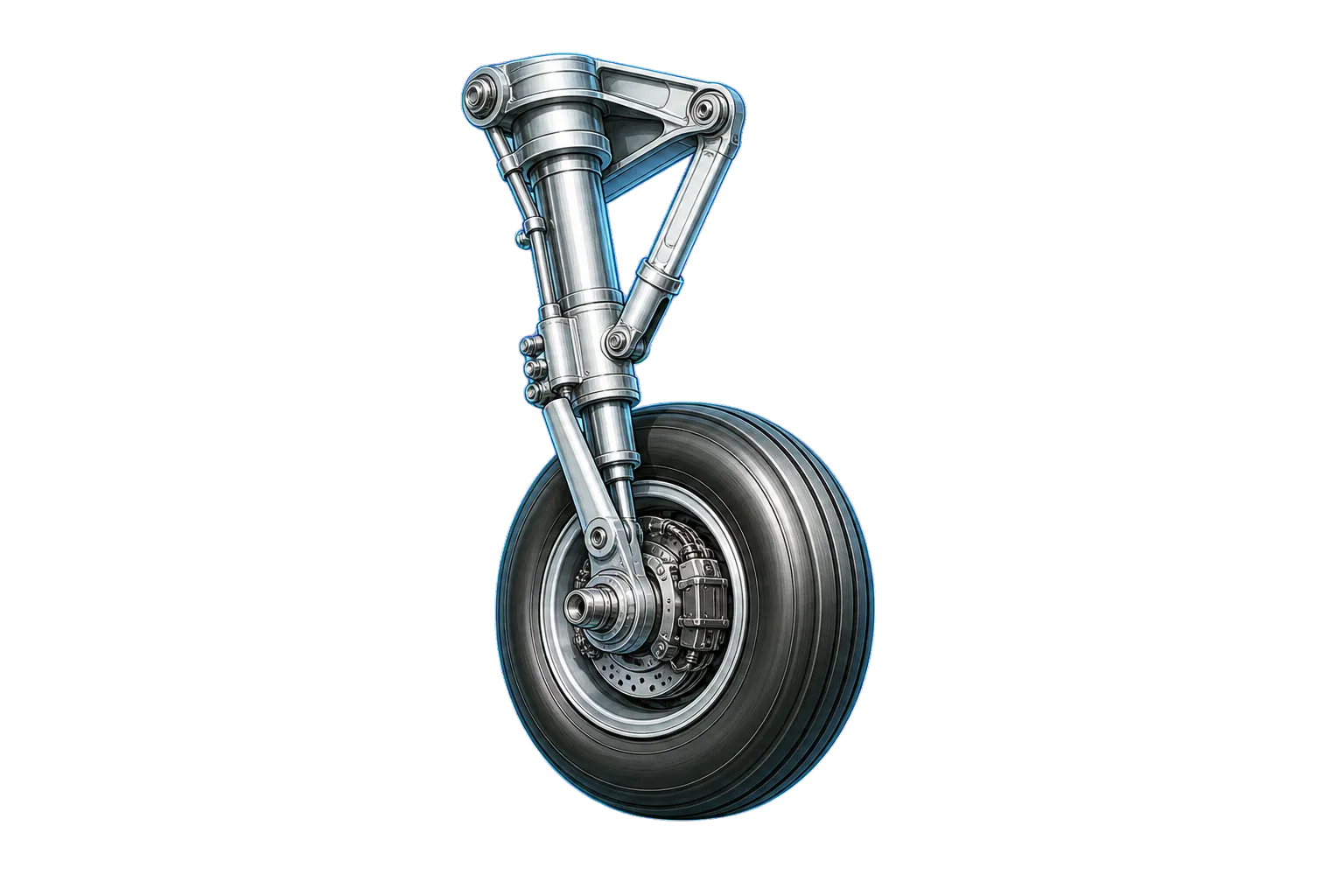
Browse ADs indexed for this model. Applicability depends on your aircraft configuration.
Check your aircraft configuration
Airworthiness Directives; The Boeing Company Airplanes
Unsafe Condition: The nose wheel well is subject to widespread fatigue damage (WFD), which could adversely affect the structural integrity of the airplane.
Airworthiness Directives; The Boeing Company Airplanes
Unsafe Condition: Cracking found in splice plates, hinge fittings, terminal fittings, upper skin of the outboard and center sections, upper chord, and rear spar webs before reaching the inspection interval specified...
Airworthiness Directives; The Boeing Company Airplanes
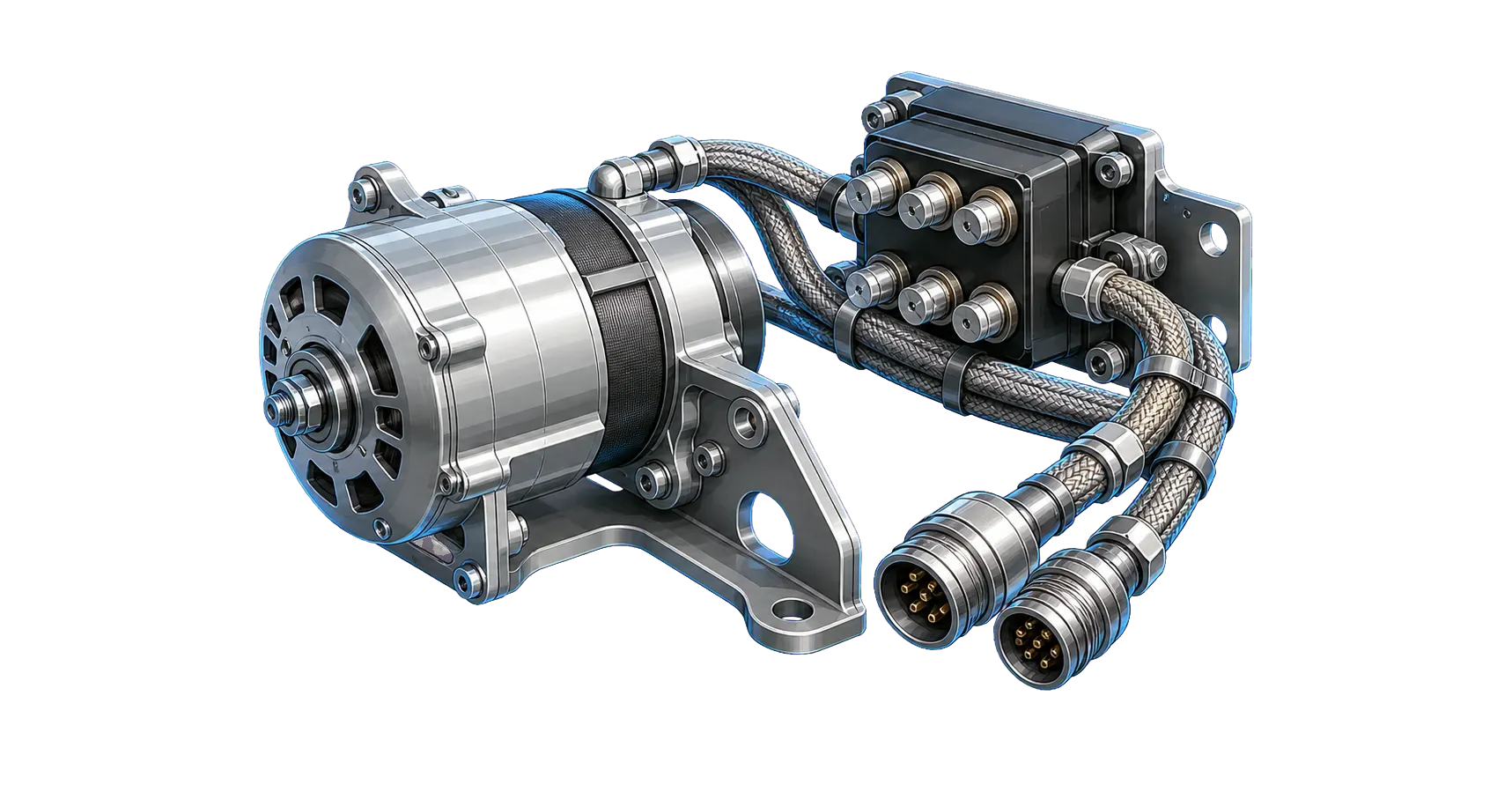
Unsafe Condition: Chafing of the wire bundles inside the electrical conduit of the forward and aft boost pumps of the numbers 1 and 4 main fuel tanks due to high vibration, which can lead to exposure of wire conduct...
Airworthiness Directives; The Boeing Company Airplanes
Unsafe Condition: Fatigue cracks in the station 320 crown frame, window post number 3, and window upper sill, which could result in an in-flight decompression and a loss of structural integrity of the fuselage.
Airworthiness Directives; The Boeing Company Airplanes
Unsafe Condition: The upper chords of the upper deck floor beams are subject to widespread fatigue damage (WFD), which could result in large deflection or deformation of the upper deck floor beams, leading to damage...
Airworthiness Directives; The Boeing Company Airplanes
Unsafe Condition: Fatigue cracking of the nose wheel well (NWW) side and top panels, which could result in a NWW depressurization event severe enough to reduce the structural integrity of the fuselage.
Airworthiness Directives; The Boeing Company Airplanes
Unsafe Condition: Fatigue cracking of the tension ties, shear webs, and frames of the upper deck, which could result in rapid decompression and reduced structural integrity of the airplane.
Airworthiness Directives; The Boeing Company Airplanes
Unsafe Condition: Significant fuselage skin damage at certain parts of the dorsal fairing, due to wear from the dorsal fairing, which could result in skin cracking and consequent depressurization of the airplane.
Airworthiness Directives; The Boeing Company Airplanes
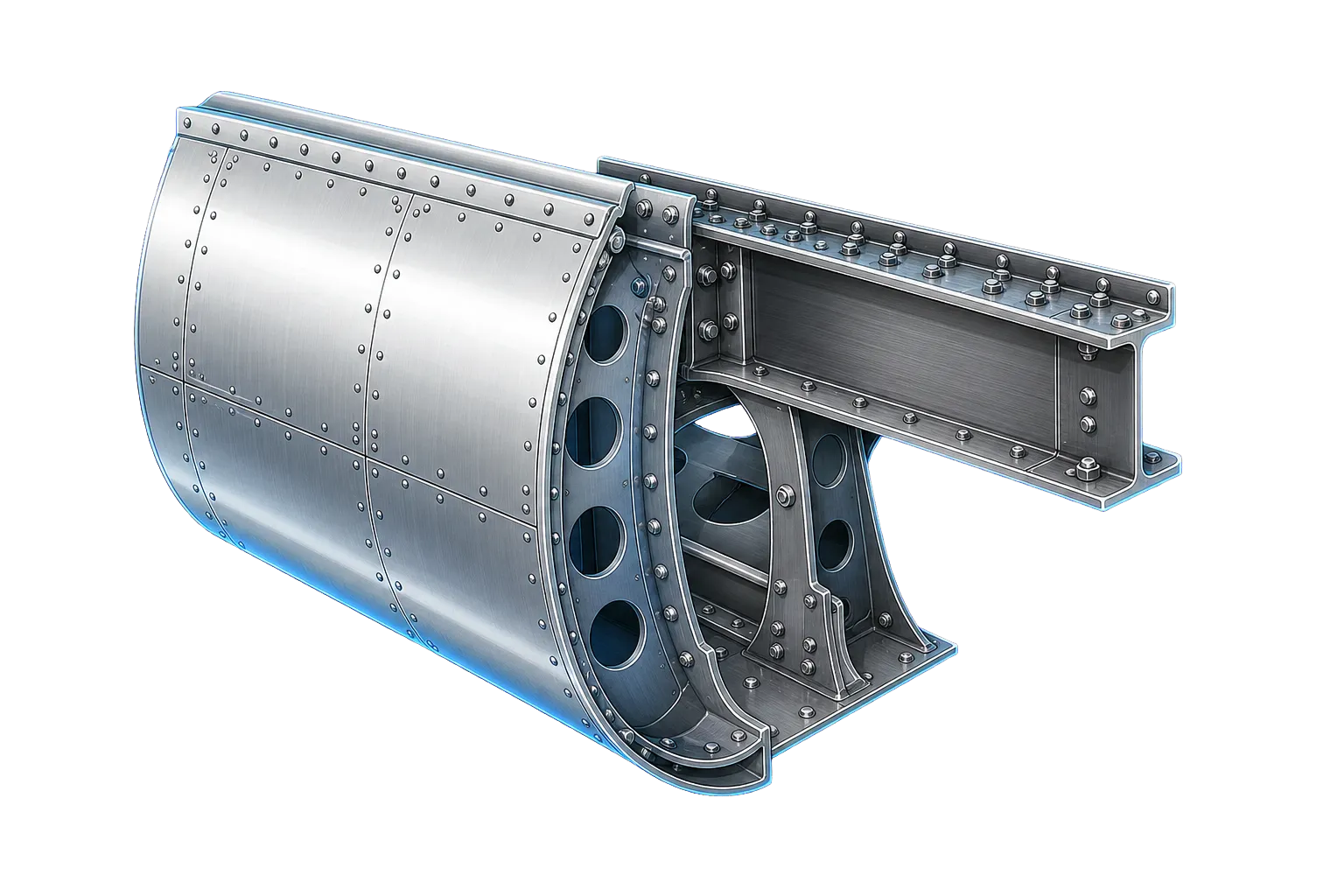
Unsafe Condition: Cracking of the frame inner chords (forward and aft) on the forward edge frame of the number 5 main entry door cutout, which could result in severing of the frame and consequent rapid depressurizat...
Airworthiness Directives; The Boeing Company Airplanes
Unsafe Condition: Fuselage skin lap joints are subject to widespread fatigue damage (WFD), which could result in rapid depressurization of the airplane.
Airworthiness Directives; The Boeing Company Airplanes
Unsafe Condition: Reports of cracks found at the forward and aft inner chord strap and angles on the station 800 frame on the left-side and right-side main entry doors.
Airworthiness Directives; The Boeing Company Airplanes
Unsafe Condition: Skin cracks and subsequent findings of hidden corrosion on the mating surfaces between certain skin and stringers at circumferential skin splices, due to compromised fillet seals, which can result ...
Airworthiness Directives; The Boeing Company Airplanes
Unsafe Condition: Fatigue cracking in the upper and lower skins of the fuselage lap joints, which could result in sudden fracture and failure of a lap joint and rapid in-flight decompression of the airplane fuselage.
Airworthiness Directives; The Boeing Company Airplanes
Unsafe Condition: Intermodal containers, when loaded as cargo in the offset method, can shift during flight gust loads and impact adjacent fuselage frames, leading to structural failure of the aft fuselage and poten...
Airworthiness Directives; The Boeing Company Airplanes
Unsafe Condition: Fuselage skin cracks at the lower forward corner of the main entry door (MED) 1 cutout.
Airworthiness Directives; The Boeing Company Airplanes
Unsafe Condition: This new AD was prompted by a report of a cracked reveal made from a casting found within a group of airplanes that should have machined reveals made only from 6061 aluminum.
Airworthiness Directives; the Boeing Company Airplanes
Unsafe Condition: Tension ties may become severed or disconnected from the frames, leading to reduced structural integrity and sudden decompression of the airplane in flight.
Airworthiness Directives; the Boeing Company Airplanes
Unsafe Condition: Installation of standard access doors instead of impact-resistant doors, and missing stencils and index markers on impact-resistant doors and adjacent wing skin, could lead to foreign object penetr...
Airworthiness Directives; The Boeing Company Airplanes
Unsafe Condition: The upper deck tension ties are subject to widespread fatigue damage (WFD). Severed or disconnected tension ties at multiple locations could result in rapid decompression and loss of structural int...
Airworthiness Directives; The Boeing Company Airplanes
Unsafe Condition: Fatigue cracking of the BS 2598 bulkhead structure, which could adversely affect the structural integrity of the bulkhead and the horizontal stabilizer support structure, and result in loss of cont...
Airworthiness Directives; The Boeing Company Airplanes
Unsafe Condition: Fatigue cracking of the aft tension tie channels from body station (BS) 1120 to BS 1220 and from BS 880 to BS 1100, which could result in reduced structural integrity of the airplane and rapid depr...
Airworthiness Directives; The Boeing Company Airplanes
Unsafe Condition: Multiple reports of uncommanded thrust reverser unlock events, which could lead to uncommanded thrust reverser deployment during takeoff or in flight, resulting in decreased airplane control and pe...
Airworthiness Directives; The Boeing Company Airplanes
Unsafe Condition: Failure of the electro-mechanical brake flexshaft (short flexshaft) of the thrust reverser actuation system (TRAS).
Airworthiness Directives; The Boeing Company Airplanes
Unsafe Condition: Cracking in the body station (BS) 760 tension tie as a result of bending due to cabin pressurization.
Airworthiness Directives; The Boeing Company Airplanes
Unsafe Condition: Wear damage and cracks of the fuselage skin in the interface area of the vertical stabilizer seal and fuselage skin, which could cause in-flight depressurization of the airplane.