2012-25-05
final ruleAirworthiness Directives; The Boeing Company Airplanes
Unsafe Condition: Escape slides failing to deploy from the forward and aft right-hand doors during scheduled maintenance slide deployments.
Browse ADs indexed for this model. Applicability depends on your aircraft configuration.
Check your aircraft configuration
Airworthiness Directives; The Boeing Company Airplanes
Unsafe Condition: Escape slides failing to deploy from the forward and aft right-hand doors during scheduled maintenance slide deployments.
Airworthiness Directives; The Boeing Company Airplanes
Unsafe Condition: Flight crew failure to activate air data probe heat, leading to ice formation on air data system sensors and consequent loss of or misleading airspeed indication on all airspeed indicating systems,...
Airworthiness Directives; The Boeing Company Airplanes
Unsafe Condition: Failure of the drain tube assemblies and clamps on the aft fairings of the engine struts, which could allow leaked flammable fluids in the drain systems to discharge onto the heat shields of the af...
Airworthiness Directives; The Boeing Company Airplanes
Unsafe Condition: Heat damage to the inner wall of the thrust reversers could result in separation of adjacent components and consequent structural damage to the airplane, damage to other airplanes, and injury to pe...
Airworthiness Directives; The Boeing Company Airplanes
Unsafe Condition: The top 3 inches of the aero/fire seals of the blocker doors on the thrust reverser torque boxes are not fireproof.
Airworthiness Directives; The Boeing Company Airplanes
Unsafe Condition: Extensive corrosion of the ballscrew used in the drive mechanism of the horizontal stabilizer trim actuator (HSTA), leading to undetected failure of the primary load path and subsequent wear and fa...
Airworthiness Directives; The Boeing Company Airplanes
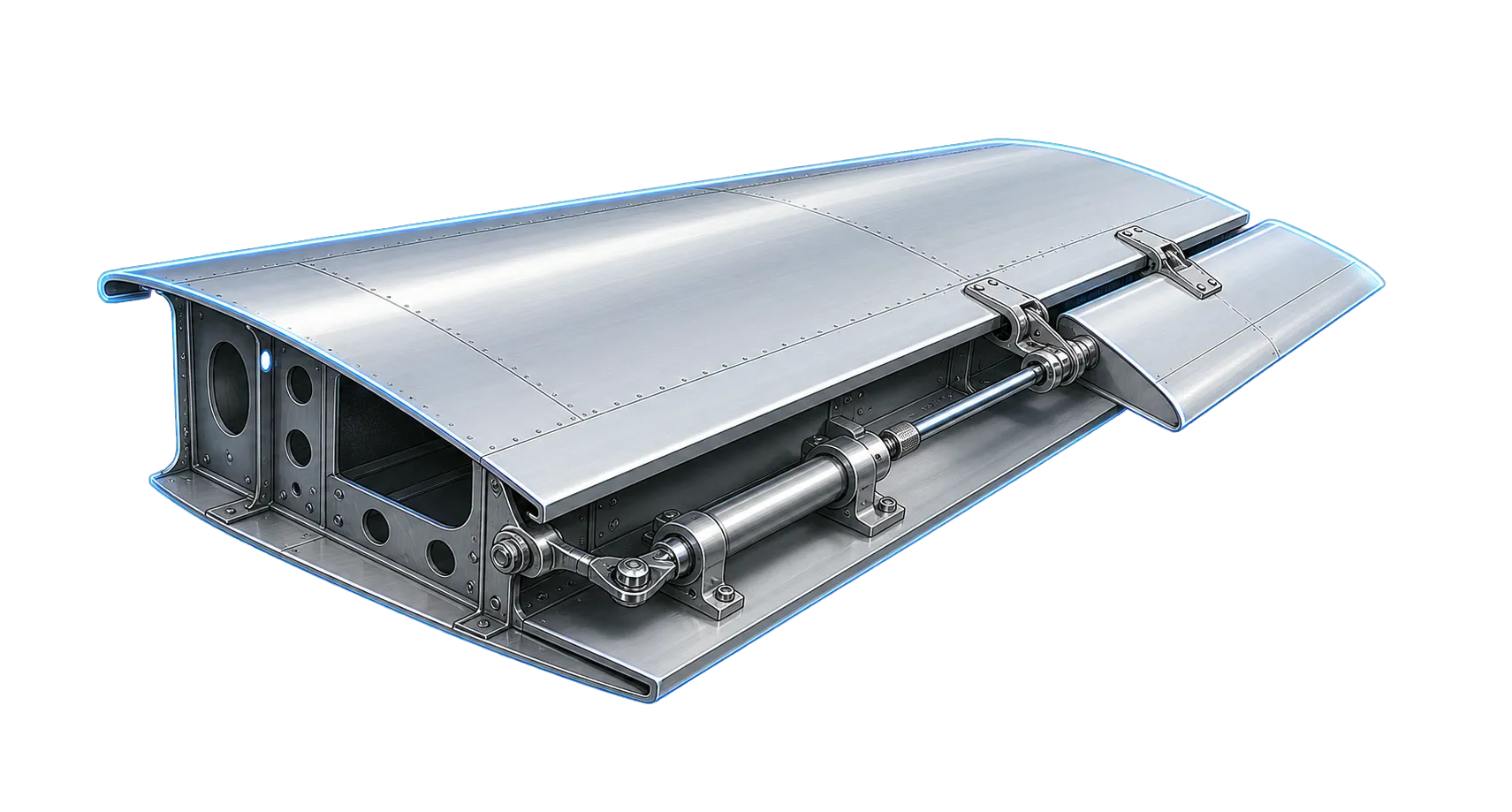
Unsafe Condition: Excessive in-service wear damage of the thumbnail fairing edge seal and the panel rub strip and skin assembly of the fan cowl could lead to failure of the fire seal, allowing a fire in the fan comp...
Airworthiness Directives; The Boeing Company Model 737-600, -700, -700C, -800, -900, and -900ER Series Airplanes
Unsafe Condition: Contact between wire bundle W443 and the left forward rudder quadrant, which could result in uncommanded stabilizer trim and autopilot disconnects due to shorted wires, potentially affecting the ca...
Airworthiness Directives; The Boeing Company Model 737-600, -700, -700C, -800, -900, and -900ER Series Airplanes
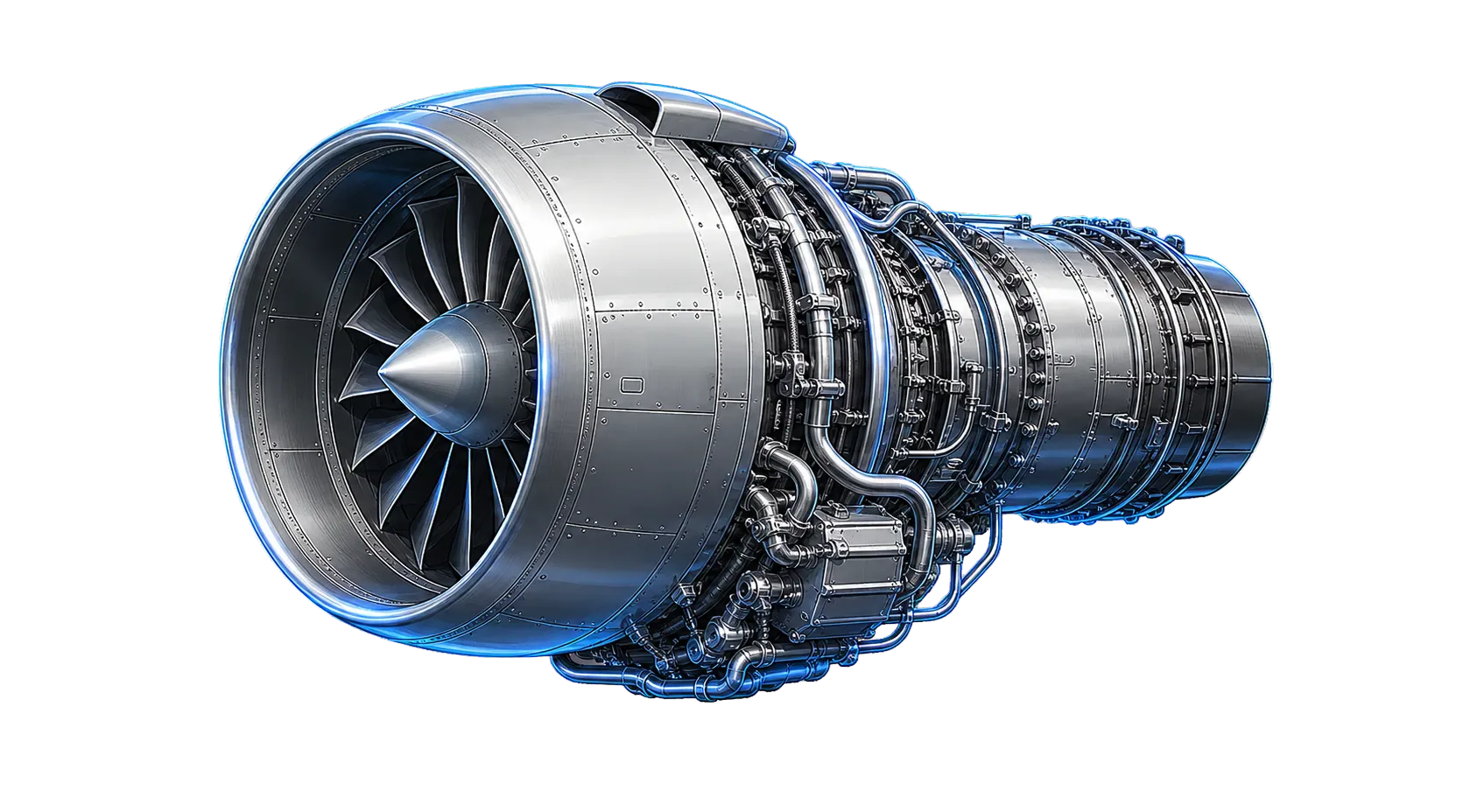
Unsafe Condition: Reversed installation of the center link assembly for the aft engine mount, which could result in increased structural loads and failure of the aft engine mount, leading to engine separation from t...
Airworthiness Directives; The Boeing Company Model 737-600, -700, -700C, -800, and -900 Series Airplanes
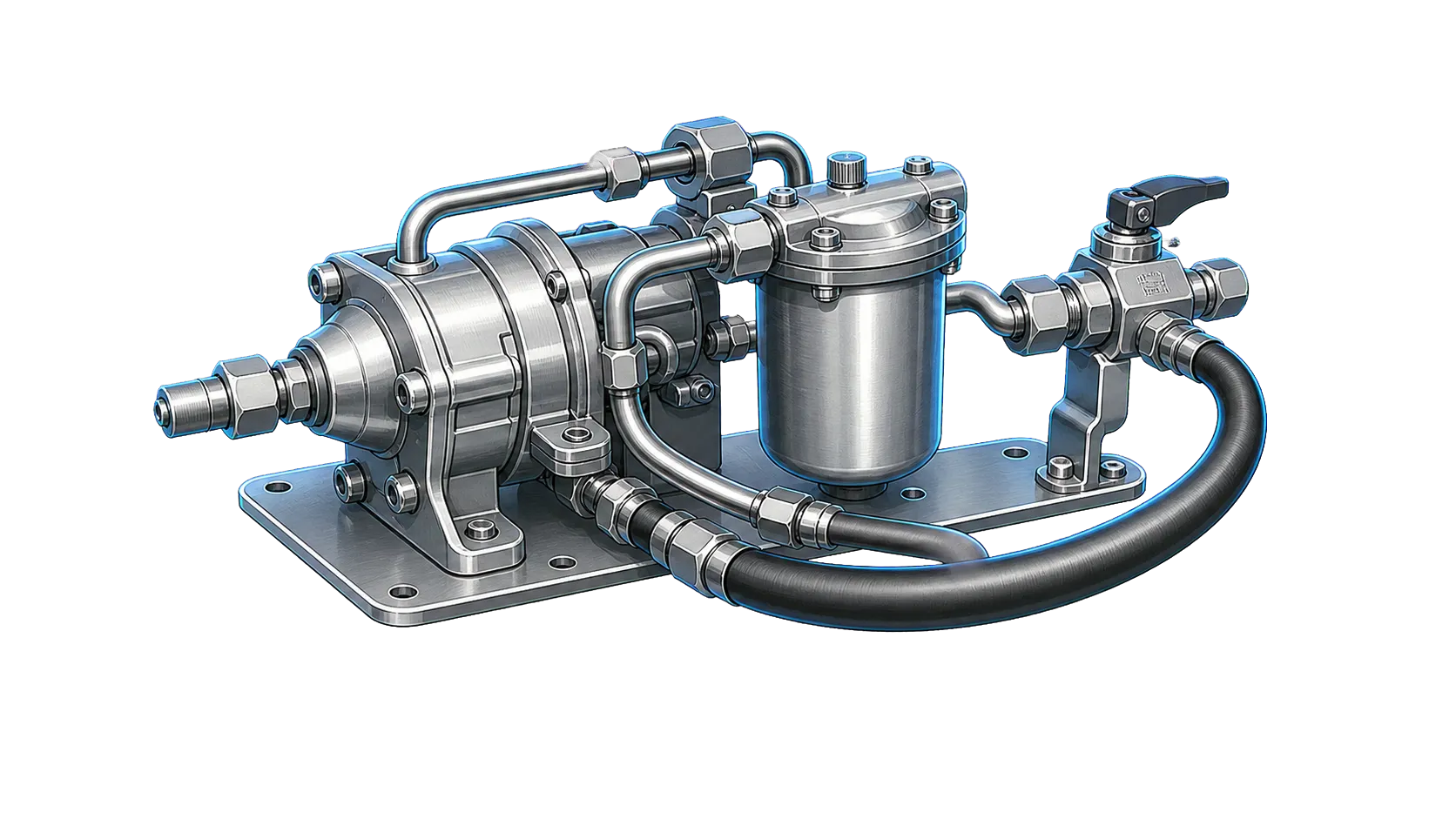
Unsafe Condition: Pump housing burn-through due to electrical arcing, which could create a potential ignition source inside a fuel tank. This condition, in combination with flammable fuel vapors, could result in a f...
Airworthiness Directives; The Boeing Company Model 737-600, -700, -700C, -800, and -900 Series Airplanes
Unsafe Condition: Center tank fuel pump operation with continuous low pressure, which could lead to friction sparks or overheating in the fuel pump inlet that could create a potential ignition source inside the cent...
Airworthiness Directives; The Boeing Company Model 737-600, -700, -700C, -800, -900, and -900ER Series Airplanes
Unsafe Condition: Parts coming off the main slat track downstop assemblies could fall into the slat can, causing a puncture and resulting in a fuel leak and consequent fire.
Airworthiness Directives; The Boeing Company Model 737-600, -700, -700C, -800, and -900 Series Airplanes
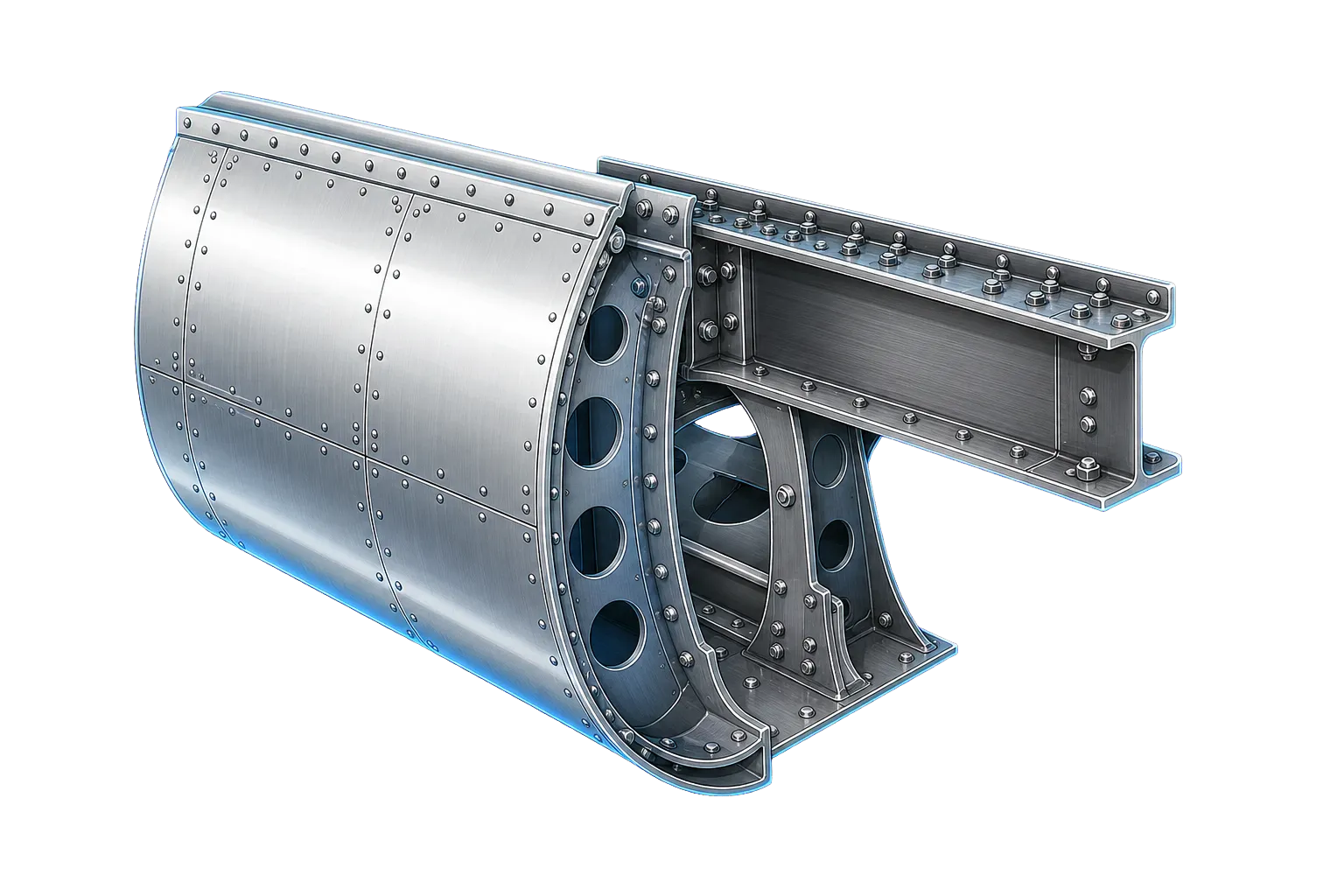
Unsafe Condition: Scribe lines in the fuselage skin at lap joints, the splice strap at certain butt joints, the skin or doubler at certain approved repair doublers, and the skin at decal locations can develop into f...
Airworthiness Directives; The Boeing Company Model 737-600, -700, -700C, -800, and -900 Series Airplanes
Unsafe Condition: Arcing at certain fuel tank fasteners in the event of a lightning strike or fault current event, which, in combination with flammable fuel vapors, could result in a fuel tank explosion and conseque...
Airworthiness Directives; The Boeing Company Model 737-200, -300, -400, -500, -600, -700, -800, and -900 Series Airplanes; Model 747-400 Series Airplanes; Model 757-200 and 757-300 Series Airplanes; Model 767-200, 767-300, and 767-400ER Series Airplanes; and Model 777-200 Series Airplanes
Unsafe Condition: A feature of the flight deck door is defective, which could result in failure and jeopardize flight safety.
Airworthiness Directives; The Boeing Company Model 737-600, -700, -700C, -800, -900, and -900ER Series Airplanes
Unsafe Condition: Failure of the engine fuel shutoff valve in the closed, open, or partially open position, which could result in engine fuel flow problems and possible uncontrolled fuel leak or fire.
Airworthiness Directives; Boeing Model 737-300, -400, -500, -600, -700, -700C, -800, and -900, and 747-400 Series Airplanes; and Model 757, 767, and 777 Airplanes
Unsafe Condition: Failure mode involving the carbon resistor R170, which can ignite and involve adjacent capacitors, leading to standby static inverter overheating.
Airworthiness Directives; Boeing Model 737-600, -700, -700C, -800, and -900 Series Airplanes
Unsafe Condition: The protective finishes on the forward trunnion pins for the left and right main landing gear (MLG) might have been damaged during final assembly, which could result in cracking and fracture of the...
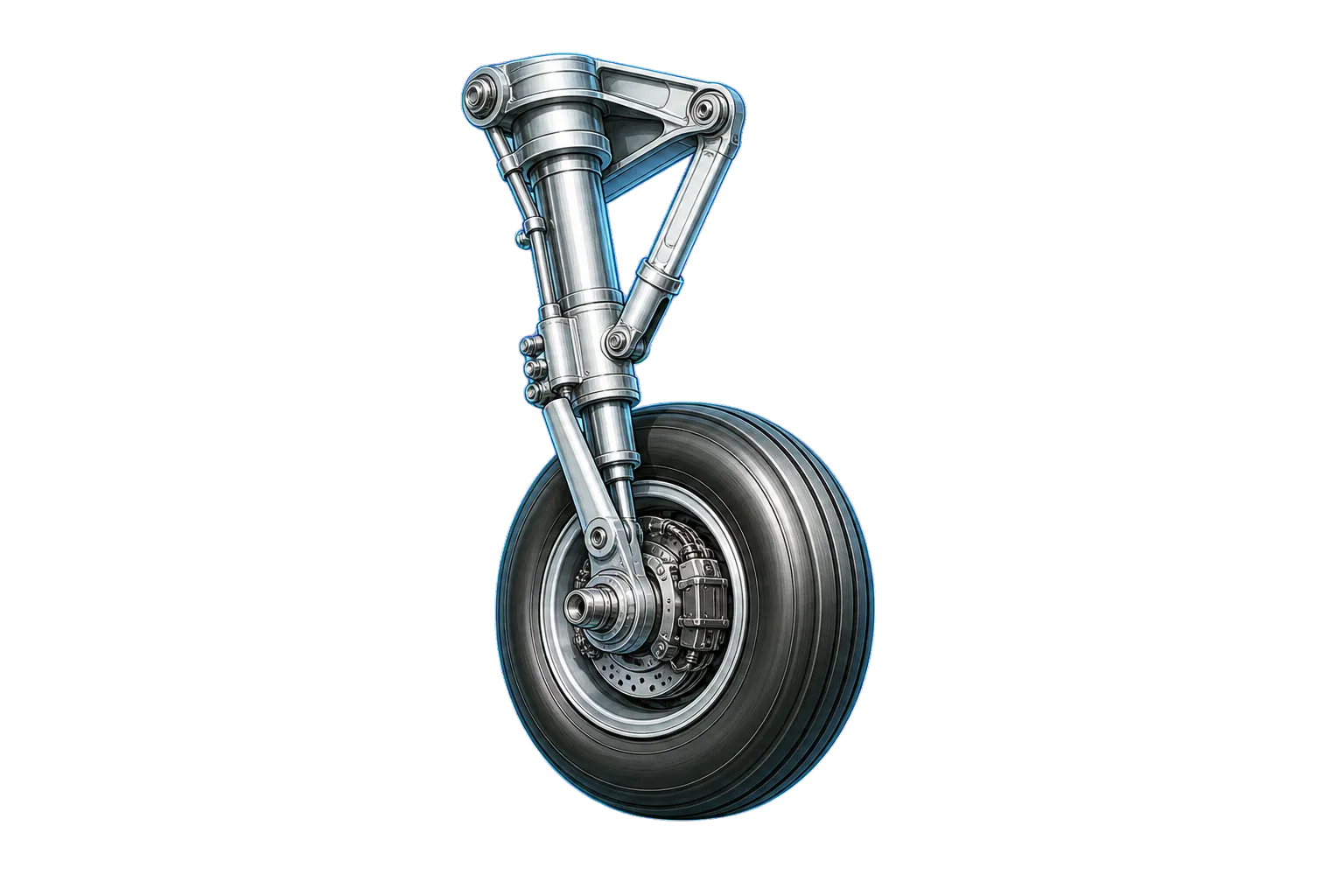
Airworthiness Directives; The Boeing Company Model 737-600, -700, -700C, -800, and -900 Series Airplanes
Unsafe Condition: The potential for ignition sources inside fuel tanks caused by latent failures, alterations, repairs, or maintenance actions, which, in combination with flammable fuel vapors, could result in a fue...
Airworthiness Directives; Boeing Model 737-600, -700, -700C, -800, -900 and -900ER Series Airplanes
Unsafe Condition: Reports of low rudder pedal forces caused by a broken inner spring in the rudder feel and centering unit. A broken inner spring in conjunction with a broken outer spring would significantly reduce ...
Airworthiness Directives; Boeing Model 737-600, -700, -700C, -800, and -900 Series Airplanes
Unsafe Condition: Wire bundles contacting the overhead dripshield panel and modules in the P5 overhead panel could result in electrical arcing and shorting of the electrical connector, leading to loss of critical sy...
Airworthiness Directives; Boeing Model 737-300, -400, -500, -600, -700, -700C, -800, and -900 Series Airplanes
Unsafe Condition: The flightcrew's inability to turn off power to in-flight entertainment (IFE) systems and other non-essential electrical systems during a non-normal or emergency situation could result in the inabi...
Airworthiness Directives; Boeing Model 737-600, -700, -700C, -800, and -900 Series Airplanes
Unsafe Condition: Incorrect wiring in the autoshutoff system causes the left-hand fuel pump of the center wing tank to re-energize when the flightcrew manually turns off the pump switches, leading to extended dry-ru...
Airworthiness Directives; Boeing Model 737-600, -700, -700C, -800 and -900 Series Airplanes
Unsafe Condition: Failure of an escape slide to inflate when deployed, which could result in the slide being unusable during an emergency evacuation and consequent injury to passengers or crewmembers.
Airworthiness Directives; Boeing Model 737-400, -500, -600, -700, -700C, -800, and -900 Series Airplanes
Unsafe Condition: Failure of the windshield wipers in wet weather, which could result in decreased visibility for the flightcrew.