2025-21-05 Recurring
final ruleAirworthiness Directives; The Boeing Company Airplanes
Unsafe Condition: Failure of the upper lock link assembly caused by non-conforming surface roughness, due to tool marks on the surface.
Browse ADs indexed for this model. Applicability depends on your aircraft configuration.
Check your aircraft configuration
Airworthiness Directives; The Boeing Company Airplanes
Unsafe Condition: Failure of the upper lock link assembly caused by non-conforming surface roughness, due to tool marks on the surface.
Airworthiness Directives; The Boeing Company Airplanes
Unsafe Condition: Loss of GPS data and degraded GPS positional accuracy, which during a high-precision approach with this GPS error, could result in controlled flight into terrain. UTC calculation errors could resul...
Airworthiness Directives; The Boeing Company Airplanes
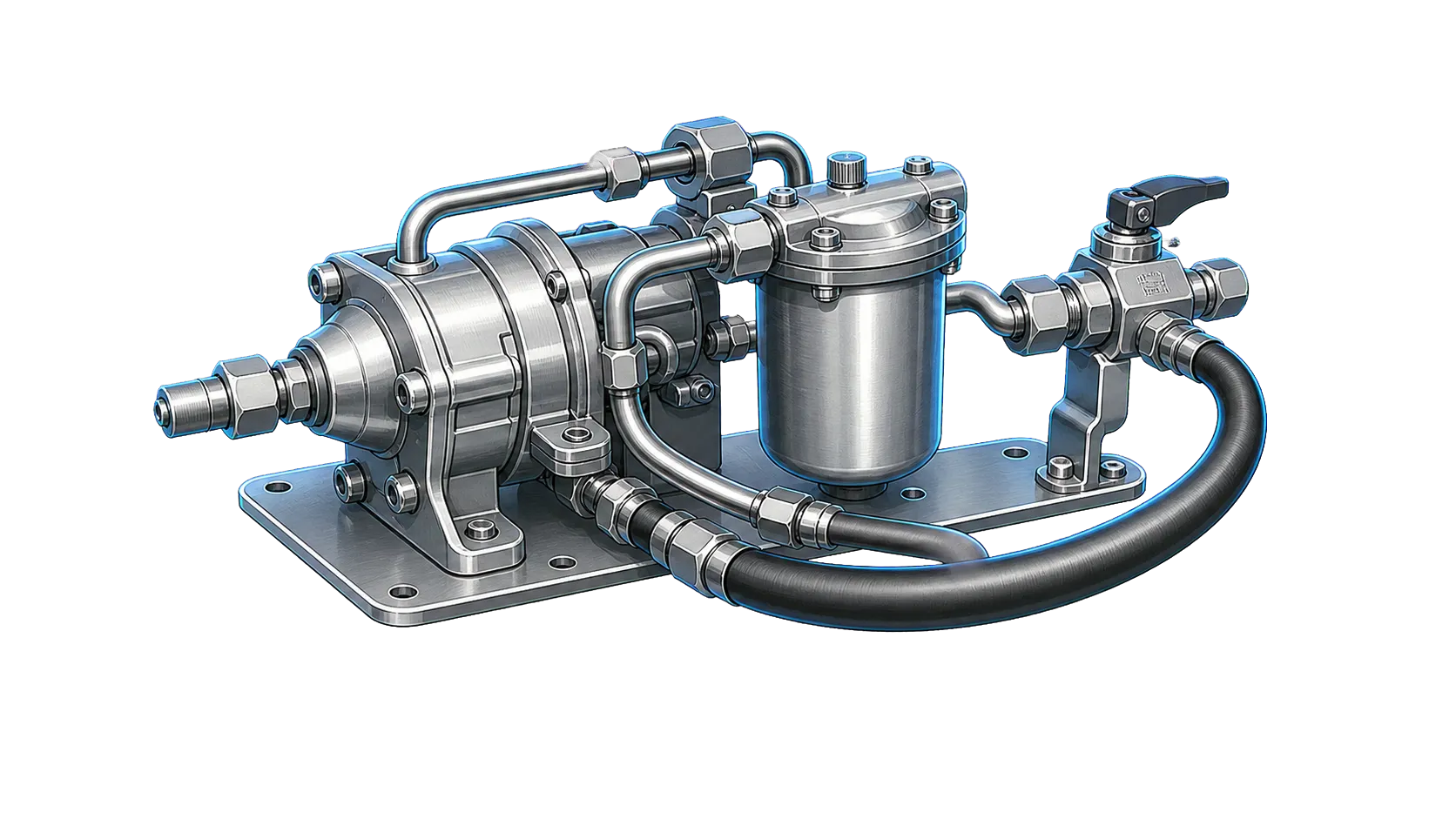
Unsafe Condition: cracks found in the rear spar lower cap forward leg and lower aft skin of the right wing, during investigation of a fuel leak
Airworthiness Directives; The Boeing Company Airplanes
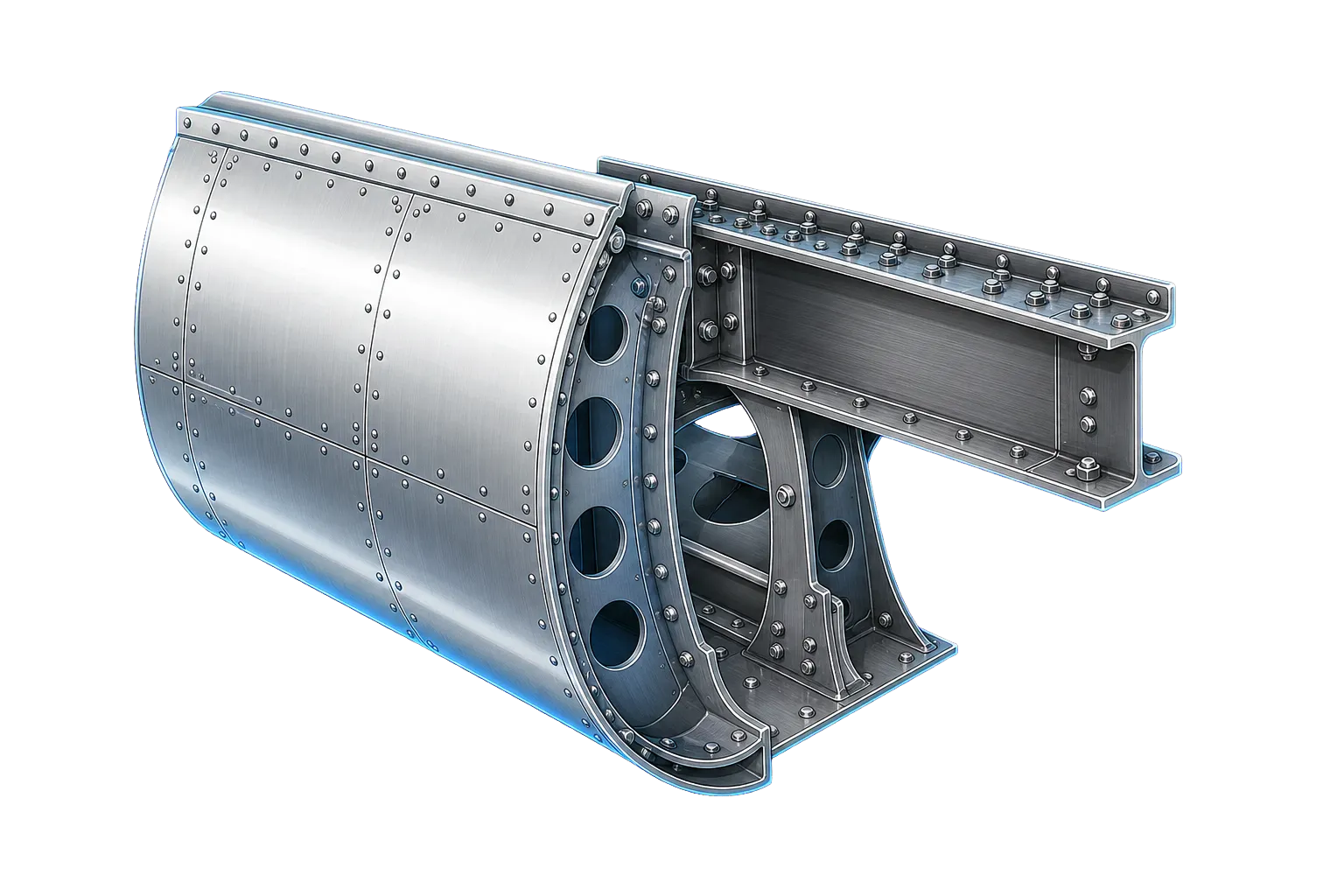
Unsafe Condition: cracked and severed structure found in the aft fuselage cant bulkhead at STA 1178.225 and vertical stabilizer rear spar installation, on a Boeing Model 717-200 airplane, and similar structure on Bo...
Airworthiness Directives; The Boeing Company Airplanes
Unsafe Condition: 5G C-Band interference can cause radio altimeters to not perform their intended function, resulting in increased flightcrew workload while on approach with the flight director, autothrottle, or aut...
Airworthiness Directives; The Boeing Company Airplanes
Unsafe Condition: splice bars which are not structurally adequate, which can lead to failure of the splice bar to keep the spoiler drive link engaged, and could result in spoiler float and consequent reduced control...
Airworthiness Directives; The Boeing Company Airplanes
Unsafe Condition: pitot tubes blocked by ice, which could affect the airspeed indication provided to the flightcrew through the ADH system and result in loss of aircraft controllability.
Airworthiness Directives; Boeing Airplanes
Unsafe Condition: cracking in the vertical stabilizer leading edge and front spar cap, which may result in the structure becoming unable to support limit load, and may lead to the loss of the vertical stabilizer.
Airworthiness Directives; The Boeing Company
Unsafe Condition: Fatigue cracking of certain principal structural elements (PSEs), which could adversely affect the structural integrity of the airplane.
Airworthiness Directives; The Boeing Company Airplanes
Unsafe Condition: latent air data transducer degradation
Airworthiness Directives; The Boeing Company Airplanes
Unsafe Condition: Cracking in the overwing frames, which could result in a severed frame and might increase the loading of adjacent frames, resulting in damage to the adjacent structure and consequent loss of struct...
Airworthiness Directives; The Boeing Company Airplanes
Unsafe Condition: Cracks of overwing frames that could sever a frame, increase loading on adjacent frames, and result in damage to adjacent structure, leading to loss of structural integrity.
Airworthiness Directives; The Boeing Company Airplanes
Unsafe Condition: Reports of cracks found on the center section ribs of the horizontal stabilizers. Cracking in the left and right bearing lugs of the rib hinge spreading at the same time, which could result in fail...
Airworthiness Directives; McDonnell Douglas Model 717-200 Airplanes
Unsafe Condition: A tire burst when the main landing gear (MLG) is in the retracted position could cause damage to the wire assembly of the auxiliary hydraulic pump, leading to electrical arcing and creating a poten...
Airworthiness Directives; McDonnell Douglas Model 717-200 Airplanes
Unsafe Condition: Binding of the bolt that connects the cable 264A clevis to the bellcrank assembly against the adjacent (upper) clevis of the pull-pull cable assembly, which could result in slow airplane rotation o...
Airworthiness Directives; McDonnell Douglas Model 717-200 Airplanes; Model DC-9-10 Series Airplanes; Model DC-9-20 Series Airplanes; Model DC-9-30 Series Airplanes; Model DC-9-40 Series Airplanes; Model DC-9-50 Series Airplanes; Model DC-9-81 (MD-81), DC-9-82 (MD-82), DC-9-83 (MD-83), and DC-9-87 (MD-87) Airplanes; Model MD-88 Airplanes; and Model MD-90-30 Airplanes
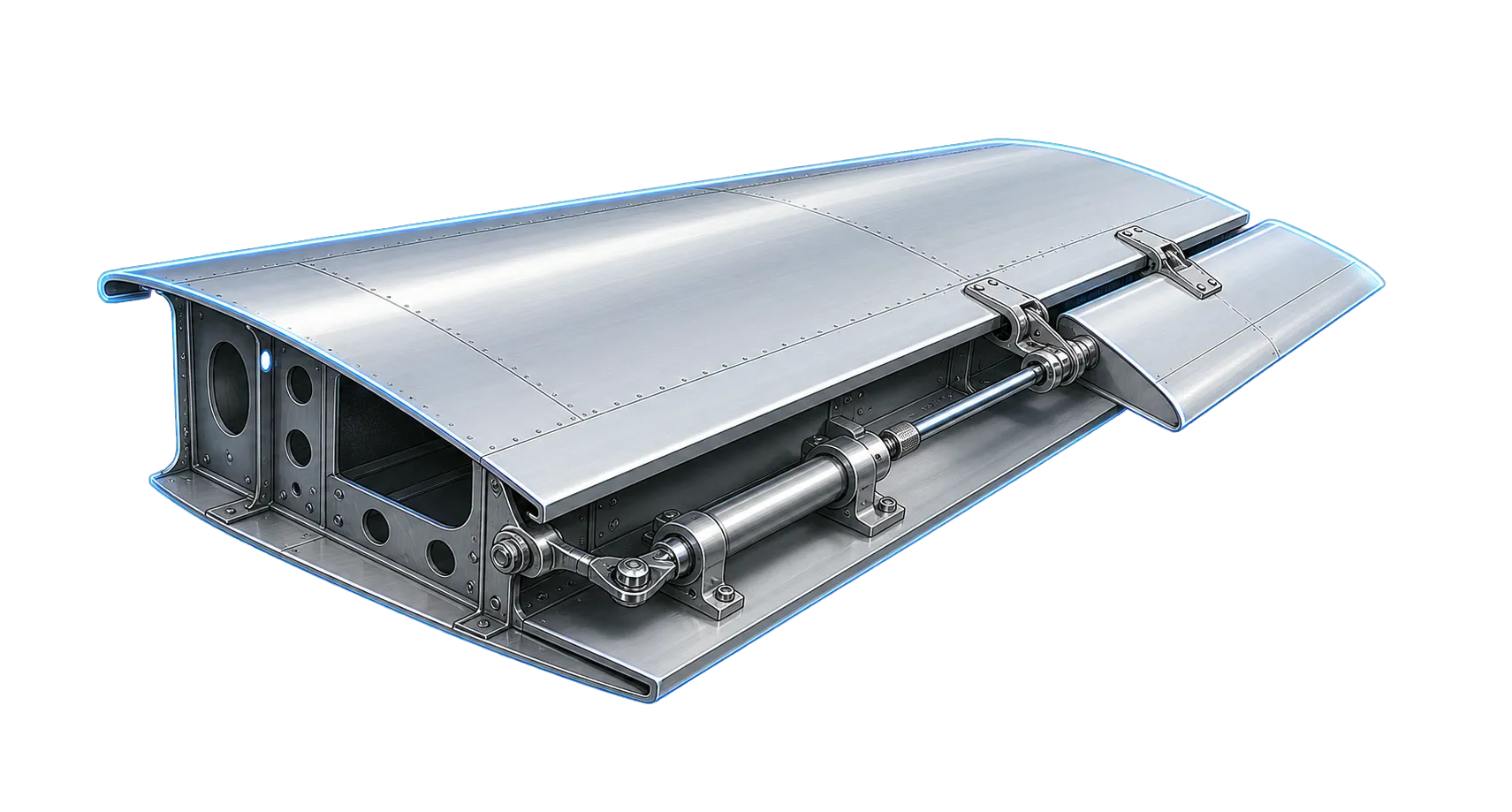
Unsafe Condition: Potential for ignition sources inside fuel tanks caused by latent failures, alterations, repairs, or maintenance actions, which could result in a fuel tank explosion and consequent loss of the airp...
Airworthiness Directives; McDonnell Douglas Model 717-200 Airplanes
Unsafe Condition: Interference between the potable water supply hose and/or gray water drain hose at the aft lavatories and the fuel line and/or power feeder cables of the auxiliary power unit (APU) could cause arci...
Airworthiness Directives; McDonnell Douglas Model 717-200 Airplanes
Unsafe Condition: Potential chafing condition exists in the volute assembly of the forward boost pump for the center fuel tank, which could lead to arcing to the inside of the 45-degree angle fitting and subsequent ...
Airworthiness Directives; McDonnell Douglas Model 717-200 Airplanes
Unsafe Condition: Improper bonding of the fill valves and defuel shutoff valve for the main fuel tanks and center wing tank, in combination with a lightning strike, could result in a fuel tank explosion and conseque...
Airworthiness Directives; McDonnell Douglas Model MD-10-10F and MD-10-30F Airplanes, Model MD-11 and MD-11F Airplanes, and Model 717-200 Airplanes
Unsafe Condition: Reported violations of the selected flight control panel (FCP) altitude during flight management system (FMS) profile (PROF) descents, which could lead to an uncommanded descent below the selected ...
Airworthiness Directives; McDonnell Douglas Model 717-200 Airplanes
Unsafe Condition: Failed power conversion distribution units (PCDUs), the loss of an electrical bus, and the presence of a strong electrical burning odor in the flight deck and forward cabin.
Airworthiness Directives; McDonnell Douglas Model 717-200 Airplanes
Unsafe Condition: Potential for ignition sources inside fuel tanks caused by latent failures, alterations, repairs, or maintenance actions, which, in combination with flammable fuel vapors, could result in fuel tank...
Airworthiness Directives; McDonnell Douglas Model 717-200 Airplanes
Unsafe Condition: Fuel system reviews conducted by the manufacturer identified a potential for exposing the fuel pump container vapor area to electrical arcing during a fuel pump motor case or connector burn through...
Airworthiness Directives; McDonnell Douglas Model 717-200 Airplanes
Unsafe Condition: Temporary loss of the auto-flight function with displays of suspect or erratic airspeed indications during heavy rain conditions.
Airworthiness Directives; McDonnell Douglas Model 717-200 Airplanes
Unsafe Condition: Failure of the bulkhead nipple assemblies' electrical bonding could create an ignition source for fuel vapors inside the wing vent boxes, potentially leading to an explosion of the wing fuel tanks.