2012-10-04
final ruleAirworthiness Directives; Cessna Aircraft Company Airplanes
Unsafe Condition: Cracks found in the wing lower main spar caps, which could result in structural failure of the wing with consequent loss of control.
Browse ADs indexed for this model. Applicability depends on your aircraft configuration.
Check your aircraft configuration
Airworthiness Directives; Cessna Aircraft Company Airplanes
Unsafe Condition: Cracks found in the wing lower main spar caps, which could result in structural failure of the wing with consequent loss of control.
Airworthiness Directives; Cessna Aircraft Company Models 150, 152, 170, 172, 175, 177, 180, 182, 185, 188, 190, 195, 206, 207, 210, T303, 336, and 337 Airplanes
Unsafe Condition: Excessive wear on seat rail and seat rail holes, seat pin engagement, seat rollers, washers, axle bolts or bushings, wall thickness of roller housing and the tang, and lock pin springs may lead to ...
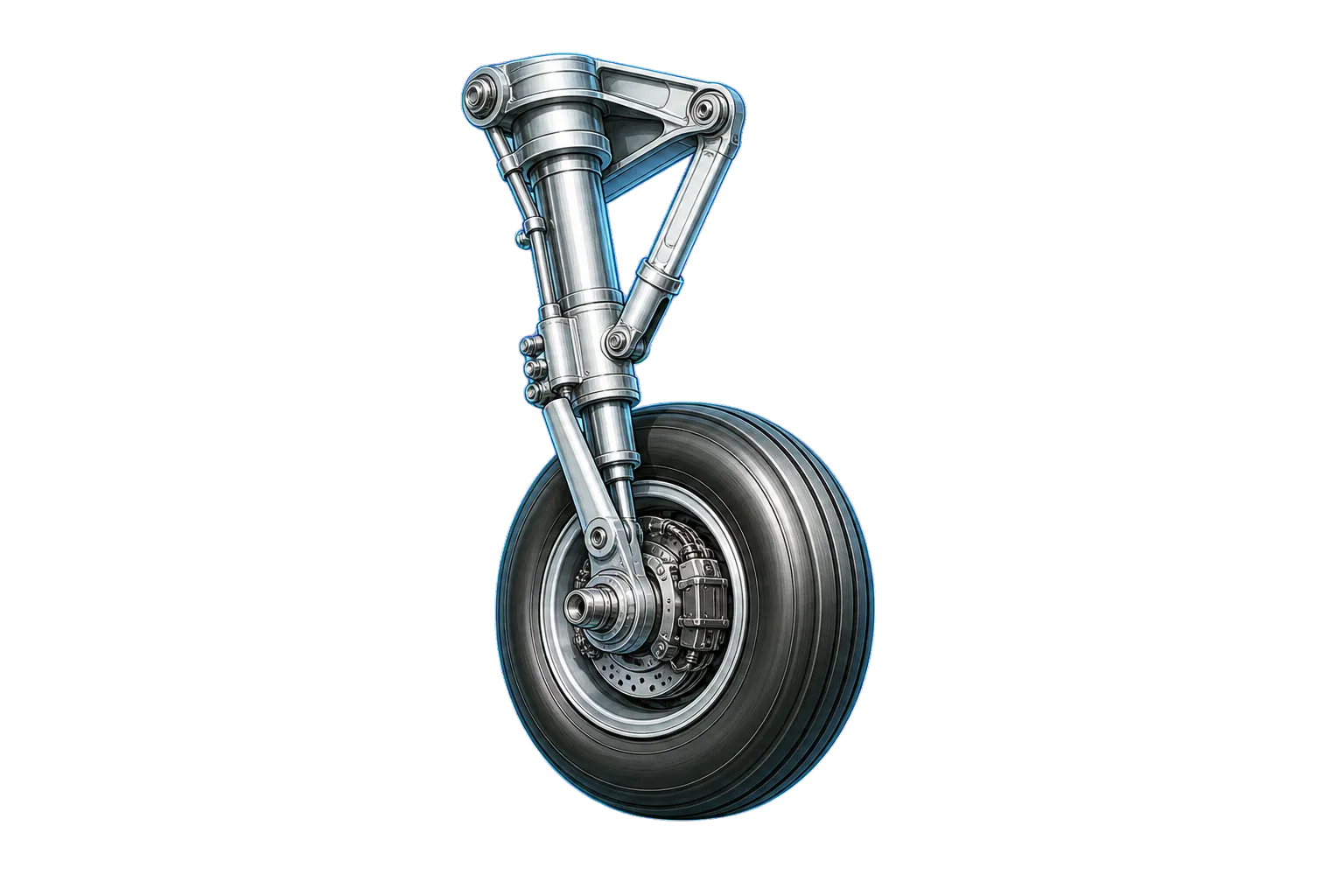
Airworthiness Directives; Cessna Aircraft Company P206, TP206, TU206, U206, 207, T207, 210, P210, and T210 Series Airplanes
Unsafe Condition: Horizontal stabilizer attachment reinforcement brackets manufactured without seam welds may be structurally deficient, potentially leading to structural failure of the horizontal stabilizer and red...
Airworthiness Directives; Cessna Aircraft Company 150, 152, 172, 177, 180, 182, 185, 188, 206, 207, 210, and 337 Series Airplanes
Unsafe Condition: could result in loss of engine power or complete engine stoppage during flight.
Airworthiness Directives; Cessna Models T210N, P210N, and P210R Airplanes
Unsafe Condition: Ice forming on the upper surface of the wing further aft than normal when flaps are extended, which may not be observable by the pilot and could lead to incorrect actions and degraded aerodynamic p...
Airworthiness Directives: Cessna Models 210G thru 210R, T210G thru T210R, P210, and P210R Airplanes
Unsafe Condition: Loss of engine power caused by inadvertent fuel loss or inadequate fuel servicing.
Airworthiness Directives; Cessna Model T210L, T210M, T210N, P210N, and T303 Airplanes
Unsafe Condition: Magneto moisture contamination could result in dual magneto failure, engine stoppage, and forced landing.
Airworthiness Directives; Cessna Model TP206, TU206, T207, T210 and P210 Series Airplanes
Unsafe Condition: Failure of certain Aeroquip 601 hose assemblies in the engine compartment could cause power loss or fire.
Airworthiness Directives; Cessna Models 150C thru 150M, A150K thru A150M, 152, A152, 172D thru 172N, R172K, P172D, 177 thru 177B, 177RG, 180F thru 180K, 182F thru 182Q, R182, 185B thru 185E, A185E, A185F, 188, A188, A188A, 188B, A188B, 205, 205A, 206, U206, U206A thru U206G, TU206A thru TU206G, P206, P206A thru P206E, TP206A thru TP206E, 207, 207A, T207, T207A, 210C thru 210M, T210K thru T210M, T210F thru T210J, P210N, F150F thru F150M, FA150K, FA150L, FRA150L, FRA150M, F152, FA152, FP172, F172D thru F172N, FR172E thru FR172K, F177RG, F182P, F182Q, FR182, R172E thru R172H
Unsafe Condition: Engine power interruption due to loss of attachment of the engine controls.
Airworthiness Directives; Cessna Models R172 thru R172K, FR172E thru FR172K, 177 thru 177B and 177RG, F177RG, 185 thru 185E, A185E, A185F, A188, A188A, A188B, T188C, 205 and 205A, 206, U206, U206A thru U206G, TU206A thru TU206G, P206, P206A thru P206E, TP206A thru TP206E, 207 and 207A, T207 and T207A. 210B thru 210R, T210F thru T210R, P210N and P210R Airplanes
Unsafe Condition: Contaminated fuel in the fuel reservoirs and wing fuel tanks could lead to engine power reduction.
Airworthiness Directives; Cessna Model P210N, P210R and T210R Airplanes
Unsafe Condition: Separation of the turbocharger oil reservoir outlet fitting and subsequent rapid loss of engine lubricating oil.
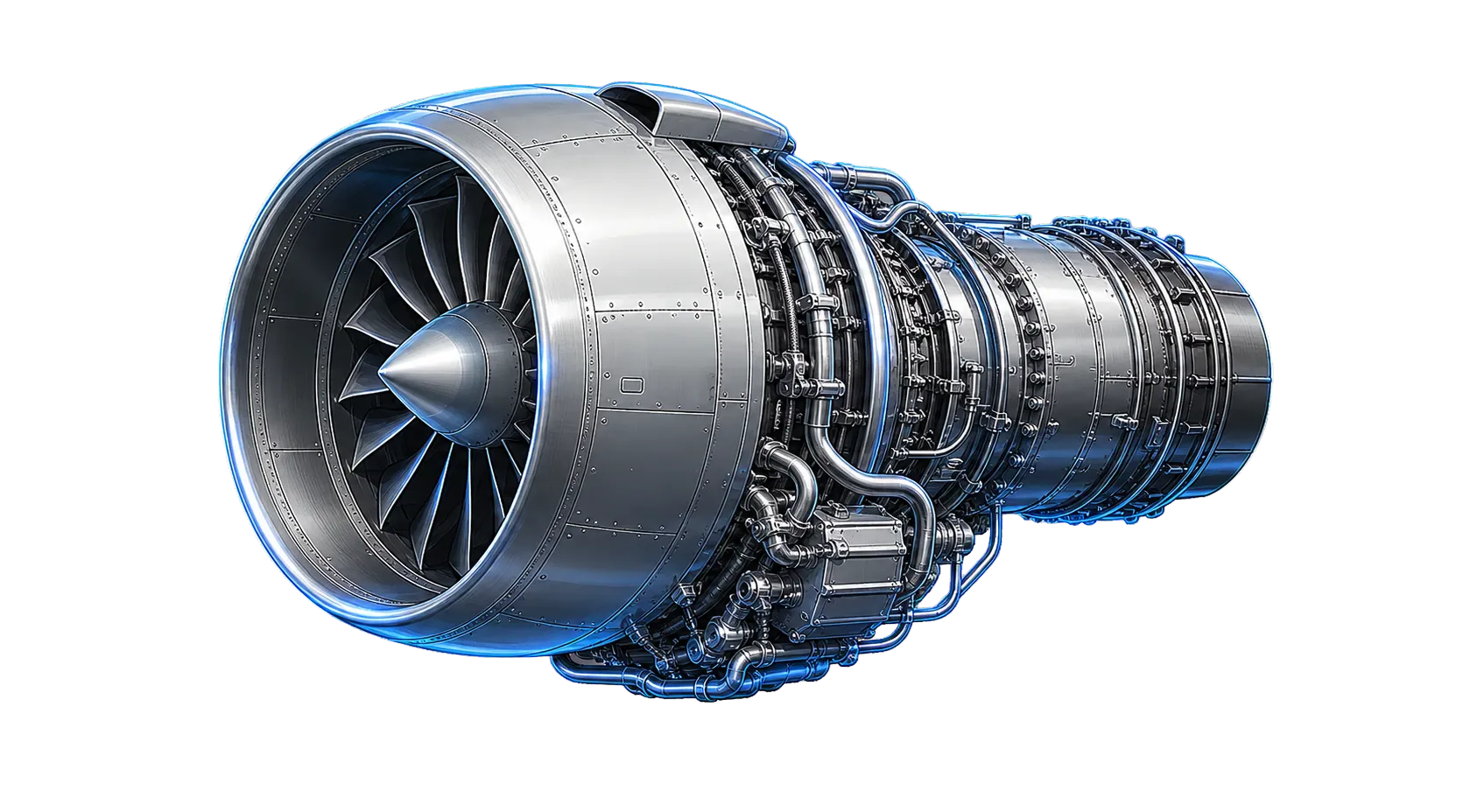
Airworthiness Directives; Cessna Model 205, 205A, 206, U206, U206A, U206B, U206C, U206D, U206E, U206F, U206G, TU206A, TU206B, TU206C, TU206D, TU206E, TU206F and TU206G, P206, P206A, P206B, P206C, P206D, P206E, TP206A, TP206B, TP206C, TP206D and TP206E, 207, 207A, T207, and T207A, 210G, 210H, 210J, 210K, T210K, 210L, T210L, 2l0M, T2l0M, 210N, T210N, T210G, T210H, T210J and P210N Airplanes
Unsafe Condition: Loss of the fuel selector roll pin installation could result in free play exceeding 15 degrees, leading to loose or worn components in the fuel selector mechanism.
Airworthiness Directives; Cessna Model P210N Airplanes
Unsafe Condition: Cracks in the engine exhaust system components attached to and between the two forward most (Nr. 5 and Nr. 6) cylinders could result in exhaust leaks, leading to potential fire hazards or engine fa...
Airworthiness Directives: Cessna Model 210L/T210L, 210M/T210M, 210N/T210N and P210N Airplanes
Unsafe Condition: Loss of vacuum-driven-attitude instruments resulting from failure of the single Airborne Model 442CW-8 (Cessna P/N C431004-0102) vacuum pump during flight in IFR conditions.
Airworthiness Directives; Cessna Model P210N Airplanes
Unsafe Condition: Engine detonation and reduced airplane climb performance.
Airworthiness Directives; Cessna Model 210K, 210L, 210M, 210N, T210K, T210L, T210M, T210N and P210N Airplanes
Unsafe Condition: Loss of roll axis flight control due to the absence of a cotter pin securing the clevis bolt and nut which attaches the autopilot bridle cable and aileron cable to the aileron bellcrank.
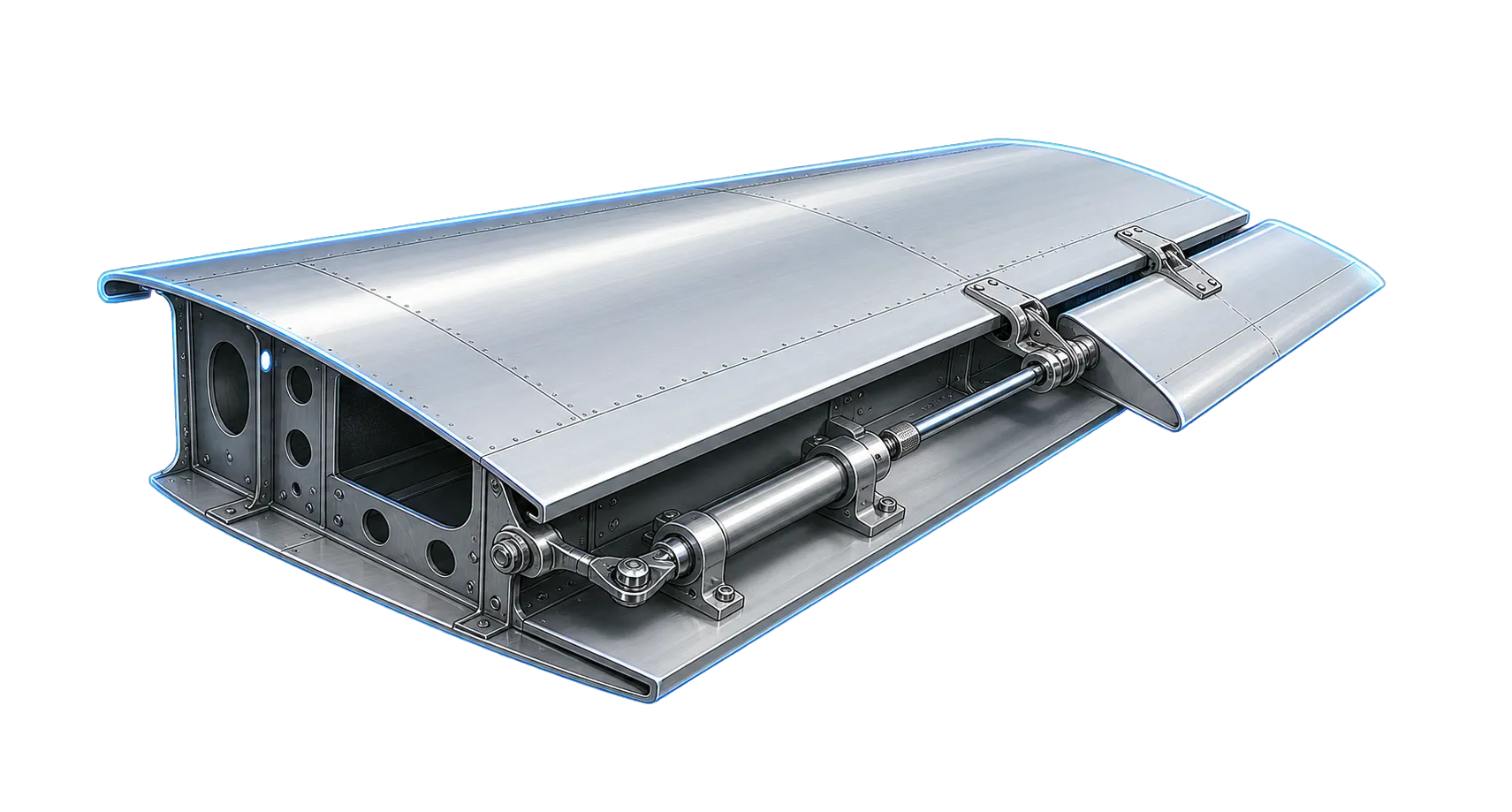
Airworthiness Directives; CESSNA Models 180, 182/F182, 185, A185, 188, A188, P206, U206, TU206, 207, T207, 210, T210, P210N Series Airplanes
Unsafe Condition: Electrical or electronic component damage or an in-flight fire due to a short between an ungrounded alternator and flammable fluid carrying lines.
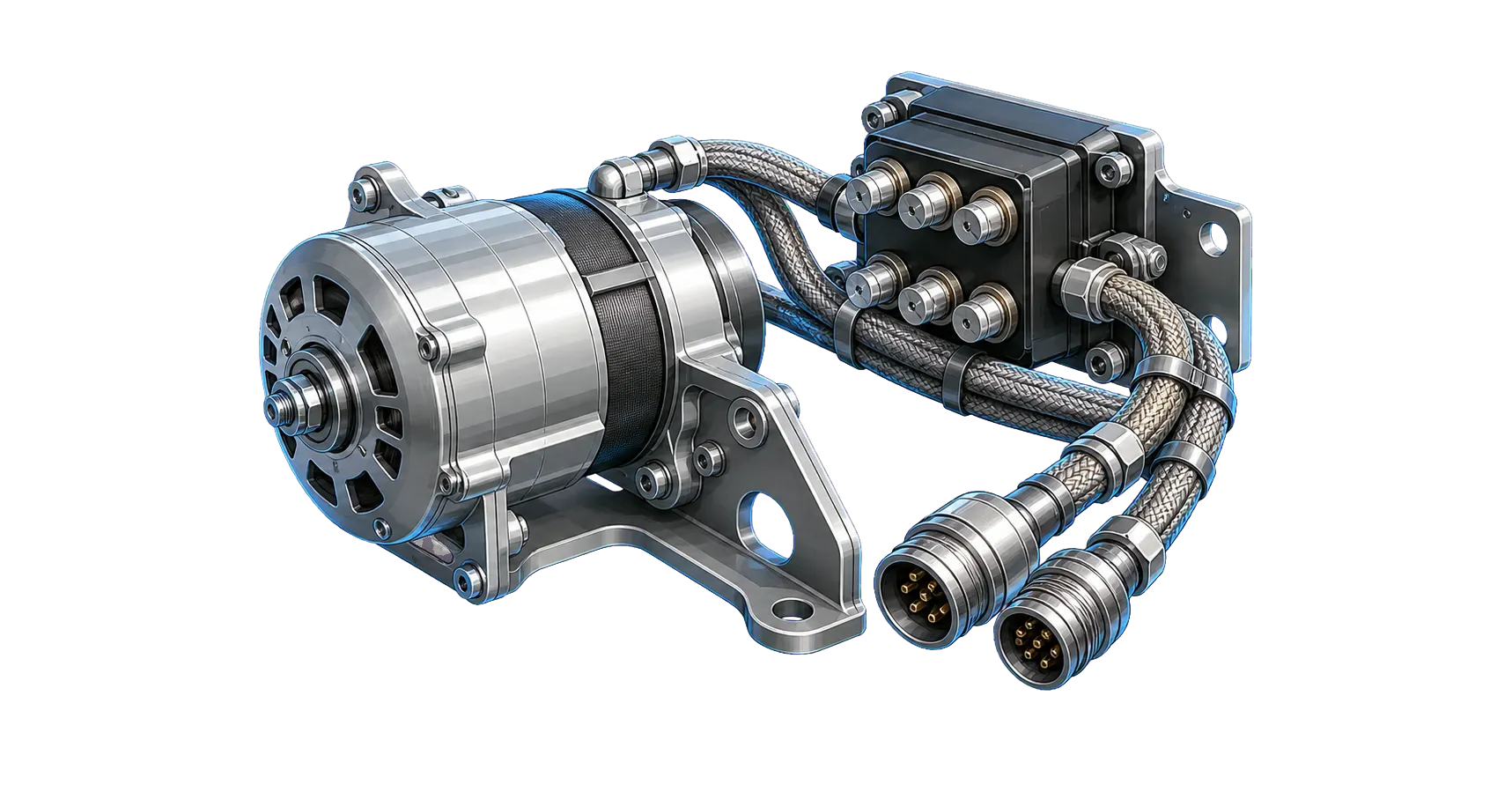
Airworthiness Directives; CESSNA Model 210L, T210L, 210M, T210M and P210N Series Airplanes
Unsafe Condition: Possible fuel leak caused by the installation of Symbolic Displays, Inc. fuel flow indicating system per STC SA3835WE.
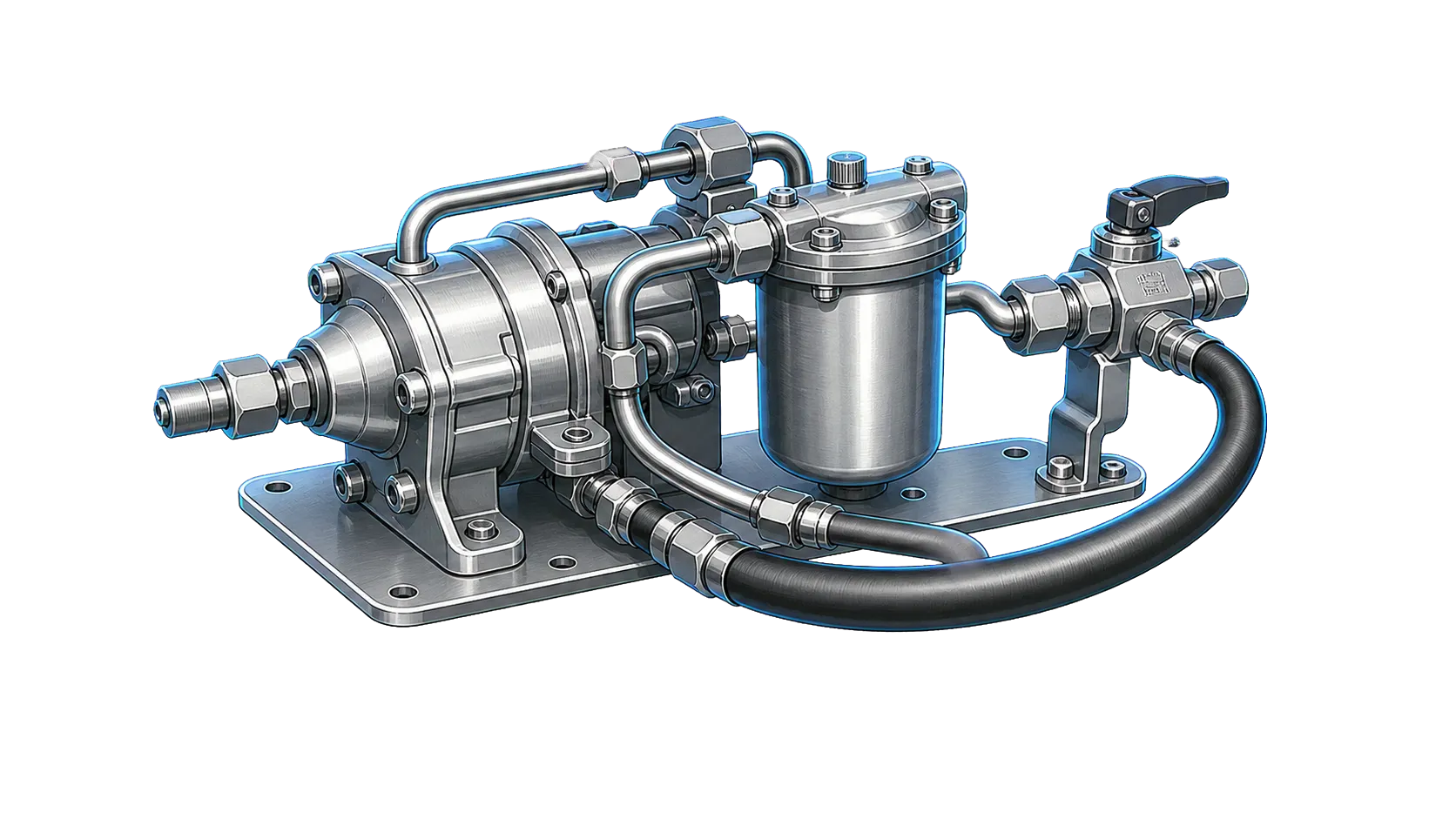
Airworthiness Directives; CESSNA Models 205 (210-5), 206, U206/TU206, P206/PT206, 207/T207, T210, 210/T210, and P210 Series Airplanes
Unsafe Condition: Fuel flow distribution issues leading to major fuel flow fluctuations and power surges due to vapor blockage in the fuel system.
Airworthiness Directives; Cessna Models 210G, H, J, 210M, N, T210G, H, J, T210M, N, and P210N Airplanes
Unsafe Condition: Binding of fuel quantity transmitter float arms and improper operation of the fuel quantity indicating system.
Airworthiness Directives; CESSNA Model 210M, T210M, P210, 310R, T310R, 340A , 402B, 404, 414, 414A, and 421C
Unsafe Condition: Failure of the autopilot actuator to disengage when the autopilot is disconnected, causing increased flight control forces.