2006-19-07
final ruleAirworthiness Directives; Airbus Model A330, A340-200, and A340-300 Airplanes
Unsafe Condition: Several reports of full or partial loss of certain blow-down panels of the wing leading edges during flight.
Browse ADs indexed for this model. Applicability depends on your aircraft configuration.
Check your aircraft configuration
Airworthiness Directives; Airbus Model A330, A340-200, and A340-300 Airplanes
Unsafe Condition: Several reports of full or partial loss of certain blow-down panels of the wing leading edges during flight.
Airworthiness Directives; Airbus Model A330-200 and -300, and A340-200 and -300 Series Airplanes
Unsafe Condition: could result in degradation and damage to the attachment bolts of the leading edge slat, loss of the slat, and consequent reduced control of the airplane.
Airworthiness Directives; Airbus Model A330-200, A330-300, A340-200, and A340-300 Series Airplanes, and Model A340-541 and A340-642 Airplanes
Unsafe Condition: Improper routing of the electrical harnesses of certain emergency escape slide/slide rafts (slide/rafts), which could prevent proper deployment of the slide/rafts and delay evacuation of passengers...
Airworthiness Directives; Airbus Model A330-200, A330-300, A340-200, and A340-300 Series Airplanes; and Model A340-541 and A340-642 Airplanes
Unsafe Condition: The flow metering system (FMS) and the flow metering compact unit (FMCU) of the fire extinguishing system may be blocked by anti-fretting material contamination.
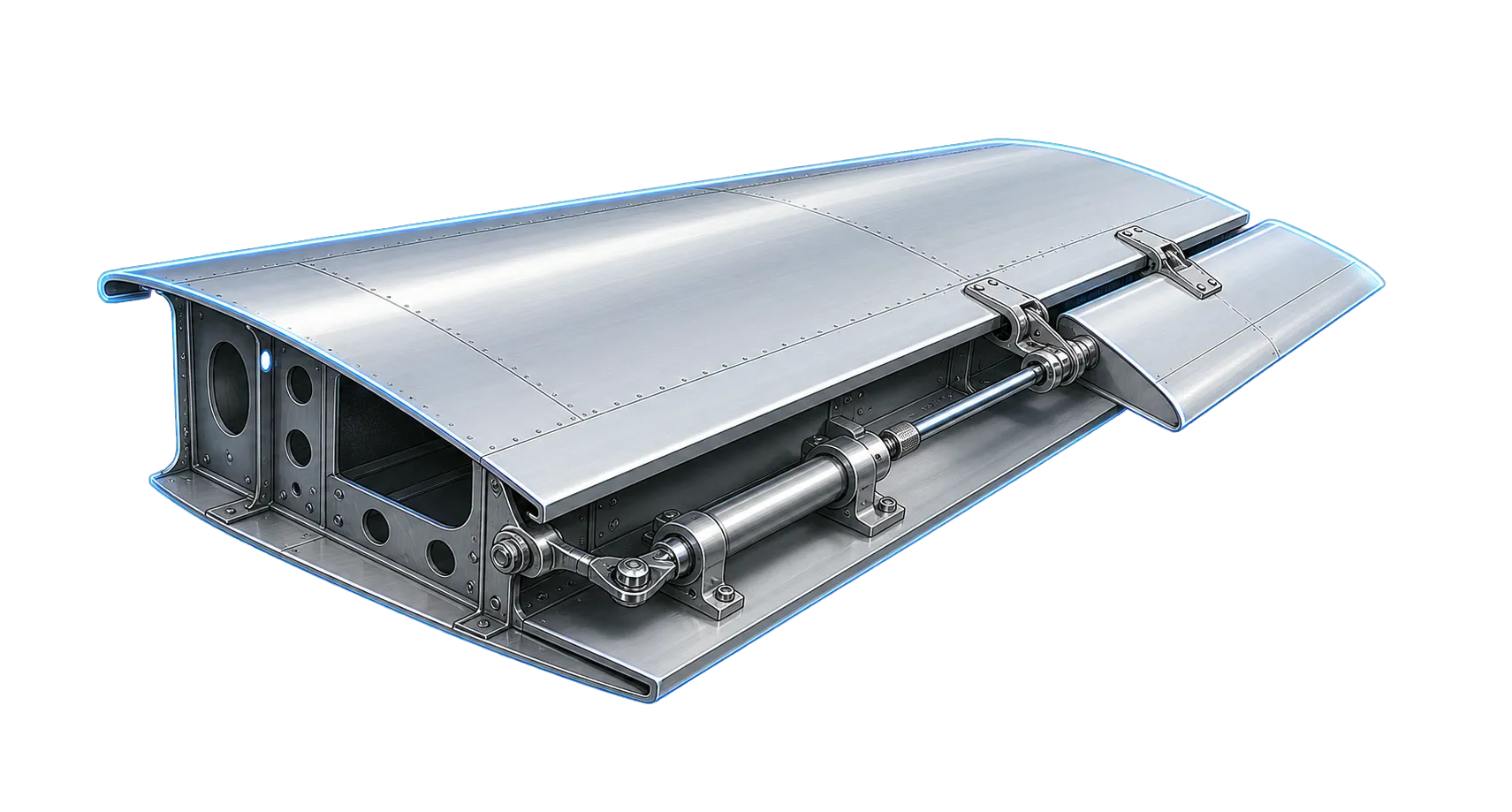
Airworthiness Directives; Airbus Model A330-200 and -300 Series Airplanes; and Model A340-200 and -300 Series Airplanes
Unsafe Condition: Several cases of bushing migration on the inboard and outboard actuator fittings of the aileron servo controls; in one case the bushing had migrated completely out of the actuator fitting and the f...
Airworthiness Directives; Airbus Model A330-200 and -300 Series Airplanes, A340-200 and -300 Series Airplanes, and A340-541 and -642 Airplanes
Unsafe Condition: Detached or damaged float valves in the trim tanks could result in sparking of metal parts and debris, or a buildup of static electricity, which could ignite fuel vapors and cause a fire or explosi...
Airworthiness Directives; Airbus Model A330-200, A330-300, A340-200, and A340-300 Series Airplanes
Unsafe Condition: Unexpected steering event (swerve) during take-off roll due to loss of airplane steering while on the ground, which could result in the airplane going off the side of the runway.
Airworthiness Directives; Airbus Model A330-300, A340-200, and A340-300 Series Airplanes
Unsafe Condition: Cracking of the fuselage skin in the area of the VHF2 antenna, which could result in depressurization of the airplane.
Airworthiness Directives; Airbus Model A330-301, -321, -322, -341, and -342 Airplanes; and Model A340-200 and A340-300 Series Airplanes
Unsafe Condition: Fatigue failure of tie bolts in the main landing gear (MLG) and center landing gear (CLG) wheel assemblies, part number 3-1509-2, leading to migration of the tie bolts out of their holes and potent...
Airworthiness Directives; Airbus Model A330-200 and -300 Series Airplanes; and Model A340-200 and -300 Series Airplanes
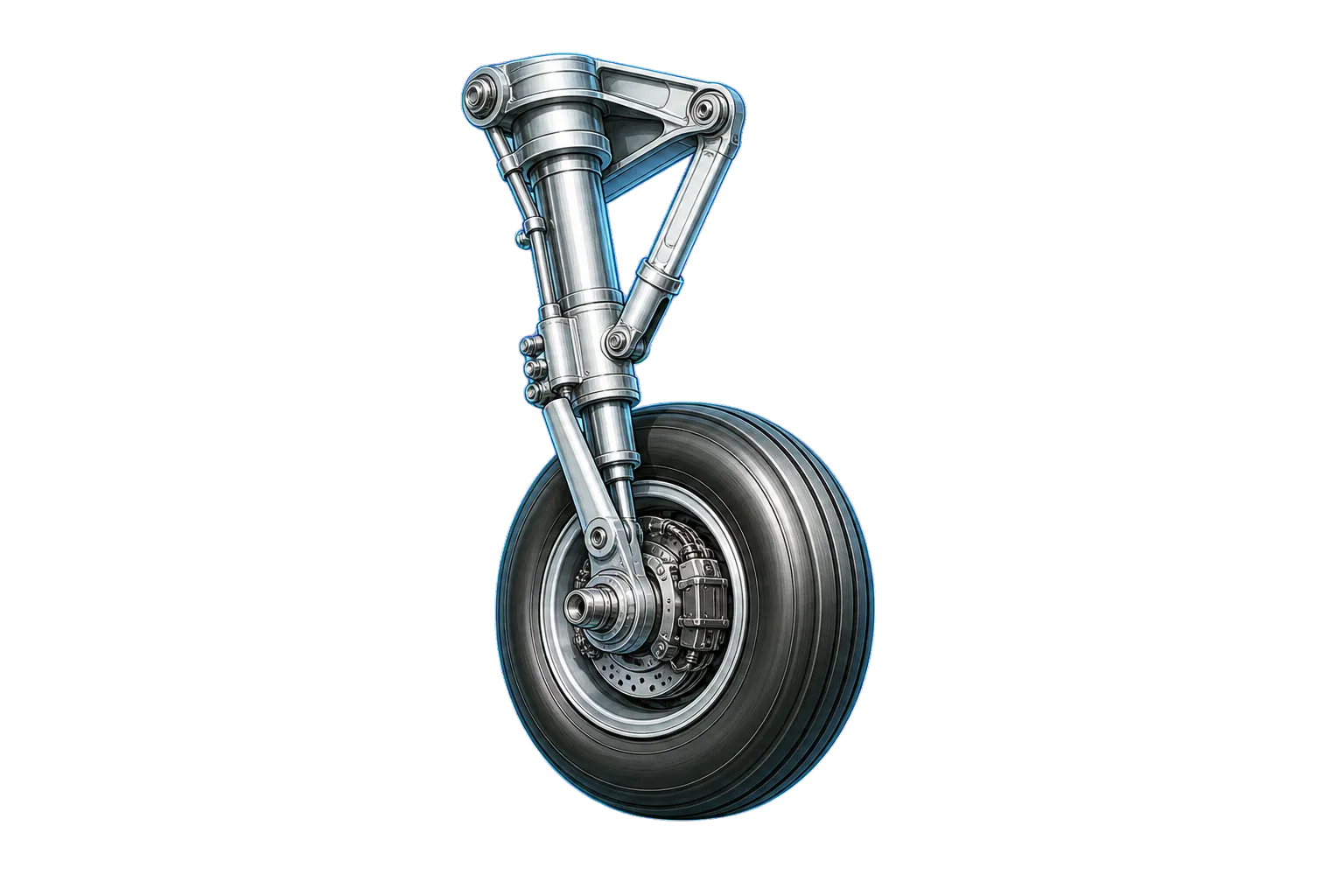
Unsafe Condition: Failure of the lower pin (p-pin) of the main landing gear (MLG) retraction actuator, which could lead to undamped extension of the MLG, causing high loads and damage to the gear structure, side sta...
Airworthiness Directives; Airbus Model A330-322, -341, and -342 Airplanes; and Airbus Model A340-200 and -300 Series Airplanes
Unsafe Condition: Fatigue cracks in the duct structure of the ram air outlet, which could propagate and cause rivet heads to shear, leading to air outlet rupture and hot air being blown into the hydraulics bay, pote...
Airworthiness Directives; Airbus Model A330-301, -321, -322, -341, and -342 Airplanes; and Model A340-200 and A340-300 Series Airplanes
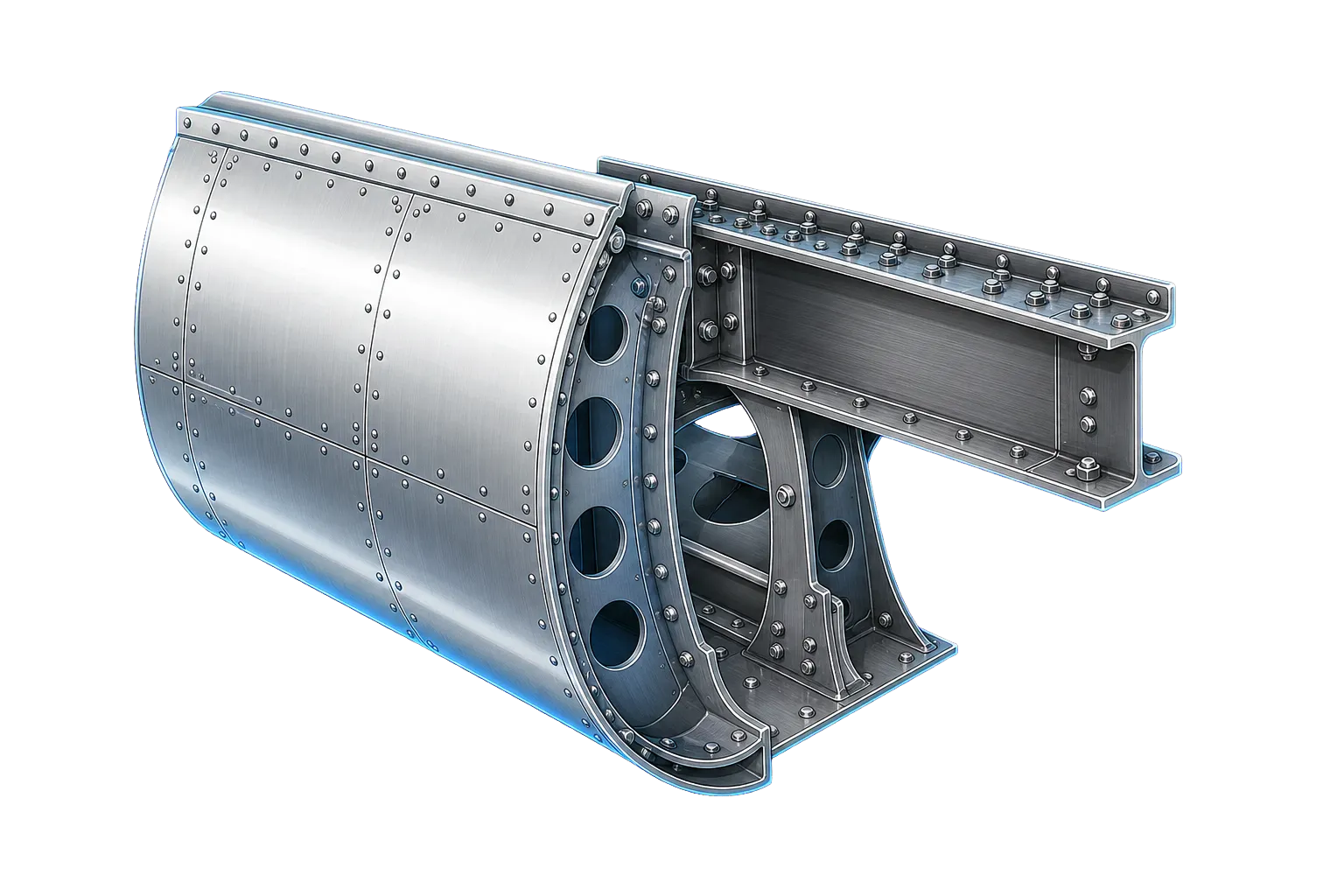
Unsafe Condition: Cracks were found during fatigue tests at the attachment between the canted lower flange of the floor beam and the pressure diaphragm in front of frame (FR) 48 on both left- and right-hand floor be...
Airworthiness Directives; Airbus Model A330, A340-200, and A340-300 Series Airplanes
Unsafe Condition: Cracking of certain frame stiffeners.
Airworthiness Directives; Airbus Model A330, A340-200, and A340-300 Series Airplanes
Unsafe Condition: Corrosion and sheared attachment bolts of the sensor struts at flap track 4 could lead to loss of sensor strut function, resulting in the inability to detect flap drive disconnection at flap track ...
Airworthiness Directives; Airbus Model A330-202, -203, -223, and -243 Airplanes, and A330-300 Series Airplanes
Unsafe Condition: Uncommanded in-flight shutdown of the auxiliary power unit (APU), which could result in loss of critical electrical systems when the airplane is operated in emergency electrical configuration, and ...
Airworthiness Directives; Airbus Model A330-202, -203, -223, and -243 Airplanes, and A330-300 Series Airplanes
Unsafe Condition: Fatigue cracking in the center box junction and upper sections of the center fuselage, which could result in reduced structural integrity of the fuselage.
Airworthiness Directives; Airbus Model A300 B4-600, A300 B4-600R, and A300 F4-600R (Collectively Called A300-600), A310, A319, A320, A321, A330, and A340-200 and -300 Series Airplanes
Unsafe Condition: Obstruction of the air intake of Thales pitot probes, which could result in misleading information being provided to the flightcrew.
Airworthiness Directives; Airbus Model A330-301, -321, -322, -341, and -342 Series Airplanes; and Model A340-211, -212, 213, -311, -312, and -313 Series Airplanes
Unsafe Condition: Cracking of the wire harness slots in the inner rear spars of the wings between ribs 4 and 5, which could result in reduced structural integrity of the wing.
Airworthiness Directives; Airbus Model A300 B2 and B4 Series Airplanes; Model A300 B4-600, A300 B4-600R, and A300 F4-600R Series Airplanes (Collectively Called A300-600); Model A310 Series Airplanes; Model A319, A320, and A321 Series Airplanes; Model A330-301, -321, -322, -341, and -342 Airplanes; and Model A340 Series Airplanes
Unsafe Condition: Loss or fluctuation of indicated airspeed, which could result in misleading information being provided to the flightcrew.
Airworthiness Directives; Airbus Model A330-301, -321, -322, -341, and -342 Airplanes
Unsafe Condition: Fatigue cracking of the rear fuselage, specifically in the web of frame 65 at stringer 27, at the first lower rivet row of the cross-beam attach fitting, which could result in reduced structural in...
Airworthiness Directives; Airbus Model A300 B2 and B4; A300 B4-600, A300 B4-600R, and A300 F4-600R (Collectively Called A300-600); A310; A319; A320; A321; A330; and A340 Series Airplanes; Equipped With PPG Aerospace Windshields
Unsafe Condition: Failure of both structural plies of the windshield caused by overheating of the power lead wire, which could cause reduced structural integrity of the windshield assembly, and consequent loss of th...
Airworthiness Directives; Airbus Model A300 B2, A300 B4, A300 B4-600, A300 B4-600R, A300 F4-600R, A310, A330, and A340 Series Airplanes
Unsafe Condition: Failure of an emergency escape slide due to foreign objects between the slider and the girt bar attachment fittings, which could result in a delayed evacuation in an emergency and consequent injury...
Airworthiness Directives; Airbus Model A330 and A340 Series Airplanes
Unsafe Condition: Failure of the bolts due to flexural loads caused by transmission jam loading, which could lead to a 'flap-locked' condition, causing reduced controllability of the airplane.
Airworthiness Directives; Airbus Model A300 B2 and B4; A300 B4-600, B4-600R, and F4-600R (Collectively Called A300-600); A310; A319; A320; A321; A330; and A340 Series Airplanes
Unsafe Condition: Corrosion of the emergency actuator mechanism could cause failure of the emergency actuator striker mechanism on the passenger or emergency doors, leading to difficulty in opening the doors during ...
Airworthiness Directives; Airbus Model A330 and A340 Series Airplanes
Unsafe Condition: Improper deployment of the escape slide/raft and potential blockage of the door during emergency evacuation.