2006-04-11 R1
final ruleAirworthiness Directives; Airbus Model A321-100 Series Airplanes
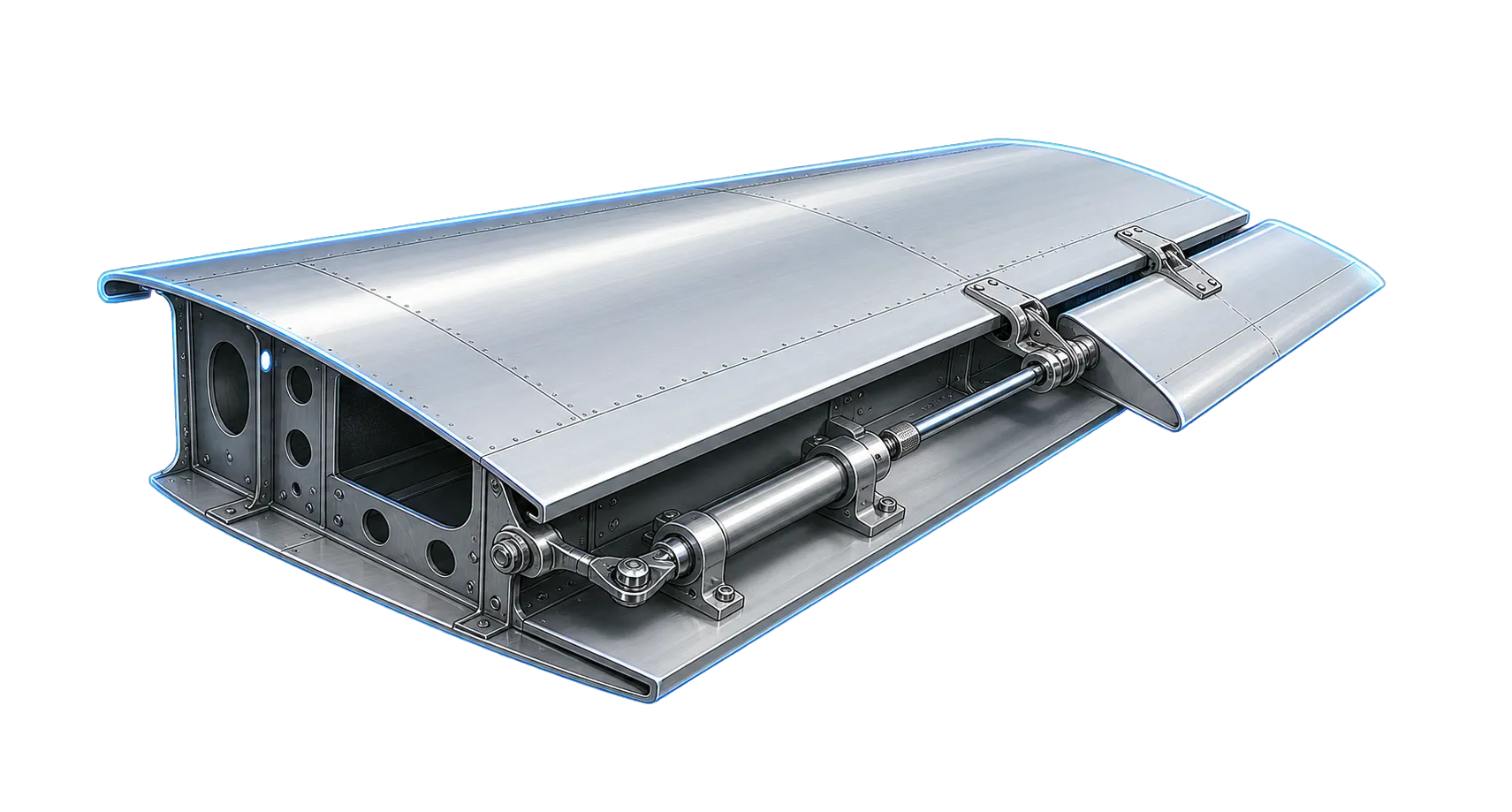
Unsafe Condition: Fatigue cracking on the inner rear spar of the wings could result in reduced structural integrity of the airplane.
Browse ADs indexed for this model. Applicability depends on your aircraft configuration.
Check your aircraft configuration
Airworthiness Directives; Airbus Model A321-100 Series Airplanes
Unsafe Condition: Fatigue cracking on the inner rear spar of the wings could result in reduced structural integrity of the airplane.
Airworthiness Directives; Airbus Model A321-100 and -200 Series Airplanes
Unsafe Condition: Testing revealed that the crashworthiness pins on the main landing gear (MLG) side-stay may not ensure correct MLG collapse during an emergency landing, potentially leading to a punctured fuel tank.
Airworthiness Directives; Airbus Model A318-100 Series Airplanes; Model A319-100 Series Airplanes; Model A320-111 Airplanes; Model A320-200 Series Airplanes; Model A321-100 Series Airplanes; and Model A321-200 Series Airplanes
Unsafe Condition: Air leakage through the water drain valves in the forward and aft cargo doors can reduce the concentration of fire extinguishing agent to below the level required to suppress a fire.
Airworthiness Directives; Airbus Model A318-100, A319-100, A320-200, A321-100, and A321-200 Series Airplanes; and Model A320-111 Airplanes
Unsafe Condition: Failure to follow proper procedures in the event of a fuel leak could result in excessive fuel loss that could cause the engines to shut down during flight.
Airworthiness Directives; Airbus Model A319-100, A320-200, and A321-100 and -200 Series Airplanes
Unsafe Condition: Failure of the escape slide/raft to deploy correctly, which could result in the slide being unusable during an emergency evacuation and consequent injury to passengers or airplane crewmembers.
Airworthiness Directives; Airbus Model A319-100 Series Airplanes; Model A320-111 Airplanes; Model A320-200 Series Airplanes, and Model A321-100 and -200 Series Airplanes
Unsafe Condition: The existing system design for interconnection of the emergency power supply units (EPSU) of the floor proximity emergency escape path marking system (FPEEPMS) does not provide adequate floor path ...
Airworthiness Directives; Airbus Model A320-111 Airplanes; and Model A320-200, A321-100, and A321-200 Series Airplanes
Unsafe Condition: An ignition source for fuel vapor in the wing, which could result in fire or explosion in the adjacent wing fuel tank.
Airworthiness Directives; Airbus Model A319, A320, and A321 Series Airplanes
Unsafe Condition: Air leakage around the temperature sensor for the aft cargo compartment reduces the concentration of fire extinguishing agent below the level required to suppress a fire, potentially leading to an ...
Airworthiness Directives; Airbus Model A319, A320, and A321 Series Airplanes
Unsafe Condition: Failure of the main landing gear (MLG) side-stay cuff lugs or down-lock spring attachments, which could result in improper down-lock of the MLG during a freefall extension, and possible collapse of...
Airworthiness Directives; Airbus Model A318, A319, A320, and A321 Series Airplanes Equipped With Air Cruisers/Aerazur Forward and Aft Passenger Door Emergency Escape Slides
Unsafe Condition: Contact between the inflation hose and fabric roll, within a short period of time after inflation of the emergency escape slides, can rupture the inflation hose at its end fittings.
Airworthiness Directives; Airbus Model A318, A319, A320, and A321 Series Airplanes
Unsafe Condition: Underlying safety issues involved in fuel tank explosions on several large transport airplanes. An ignition source for fuel vapor in the hydraulics bay could result in fire or explosion in the adja...
Airworthiness Directives; Airbus Model A319, A320, and A321 Series Airplanes
Unsafe Condition: The magnetic variation table installed in the Honeywell inertial reference system (IRS) is obsolete at certain airports, which could cause magnetic and IRS deviations, potentially leading to the ai...
Airworthiness Directives; Airbus Model A318, A319, A320, and A321 Series Airplanes
Unsafe Condition: ISIS failure caused by a time-counter fault after 145 hours of continuous power supply, potentially leading to loss of ISIS and all EIS display units, reducing flightcrew situational awareness and ...
Airworthiness Directives; Airbus Model A318, A319, A320, and A321 Series Airplanes
Unsafe Condition: Loss of all liquid crystal display (LCD) units on airplanes equipped with a certain EIS2 standard of electronic instrument system during cruise, resulting in the potential loss of critical flight i...
Airworthiness Directives; Airbus Model A300 B4-600, A300 B4-600R, and A300 F4-600R (Collectively Called A300-600), A310, A319, A320, A321, A330, and A340-200 and -300 Series Airplanes
Unsafe Condition: Obstruction of the air intake of Thales pitot probes, which could result in misleading information being provided to the flightcrew.
Airworthiness Directives; Airbus Model A319, A320, and A321 Series Airplanes
Unsafe Condition: Leakage of hydraulic fluid from the parking brake operated valve (PBOV) could cause the loss of the parking brake accumulator, rendering the alternate braking system and parking/emergency braking s...
Airworthiness Directives; Airbus Model A319, A320, and A321 Series Airplanes
Unsafe Condition: Jamming of the ram air turbine (RAT) actuator in an emergency deployment, leading to loss of hydraulic and electrical power.
Airworthiness Directives; Airbus Model A321-111, -112, and -131 Series Airplanes
Unsafe Condition: Fatigue cracking in the area surrounding certain attachment holes of the forward pintle fittings of the main landing gear (MLG) and the actuating cylinder anchorage fittings on the inner rear spar,...
Airworthiness Directives; Airbus Model A300 B2 and B4 Series Airplanes; Model A300 B4-600, A300 B4-600R, and A300 F4-600R Series Airplanes (Collectively Called A300-600); Model A310 Series Airplanes; Model A319, A320, and A321 Series Airplanes; Model A330-301, -321, -322, -341, and -342 Airplanes; and Model A340 Series Airplanes
Unsafe Condition: Loss or fluctuation of indicated airspeed, which could result in misleading information being provided to the flightcrew.
Airworthiness Directives; Airbus Model A319, A320, and A321 Series Airplanes
Unsafe Condition: Jamming of the locking pin of the passenger door, which could result in inability to open the passenger door and delay of evacuation in an emergency, resulting in possible injury to passengers or c...
Airworthiness Directives; Airbus Model A319, A320, and A321 Series Airplanes
Unsafe Condition: Ignition sources and consequent fire/explosion in the fuel tank due to insufficient bonding and modification of fuel pipe couplings.
Airworthiness Directives; Airbus Model A300 B2 and B4; A300 B4-600, A300 B4-600R, and A300 F4-600R (Collectively Called A300-600); A310; A319; A320; A321; A330; and A340 Series Airplanes; Equipped With PPG Aerospace Windshields
Unsafe Condition: Failure of both structural plies of the windshield caused by overheating of the power lead wire, which could cause reduced structural integrity of the windshield assembly, and consequent loss of th...
Airworthiness Directives; Airbus Model A319, A320, and A321 Series Airplanes
Unsafe Condition: Moisture ingression and delamination of the cockpit lateral fixed windows, which could result in the loss of the outer glass ply, and consequent damage to the airplane and injury to people or damag...
Airworthiness Directives; Airbus Model A300 B2 and B4; A300 B4-600, B4-600R, and F4-600R (Collectively Called A300-600); A310; A319; A320; A321; A330; and A340 Series Airplanes
Unsafe Condition: Corrosion of the emergency actuator mechanism could cause failure of the emergency actuator striker mechanism on the passenger or emergency doors, leading to difficulty in opening the doors during ...
Airworthiness Directives; Airbus Model A320 and A321 Series Airplanes
Unsafe Condition: Water ingress into the elevator could lead to debonding of the elevator skins and degradation of the initial protection, resulting in reduced structural integrity.