90-26-07
final ruleAirworthiness Directives; British Aerospace Model BAC 1-11 200 and 400 Series Airplanes
Unsafe Condition: Reduced structural capability of the glazing frame and possible rapid decompression of the airplane.
Browse ADs indexed for this model. Applicability depends on your aircraft configuration.
Check your aircraft configuration
Airworthiness Directives; British Aerospace Model BAC 1-11 200 and 400 Series Airplanes
Unsafe Condition: Reduced structural capability of the glazing frame and possible rapid decompression of the airplane.
Airworthiness Directives; British Aerospace Model BAC 1-11 200 and 400 Series Airplanes
Unsafe Condition: Failure of the APU air intake plenum overheat detection could result in undetected overheating and potential structural damage.
Airworthiness Directives; British Aerospace Model BAC 1-11 200 and 400 Series Airplanes
Unsafe Condition: Cracks in the elevator lower control levers could reduce airplane stability and controllability.
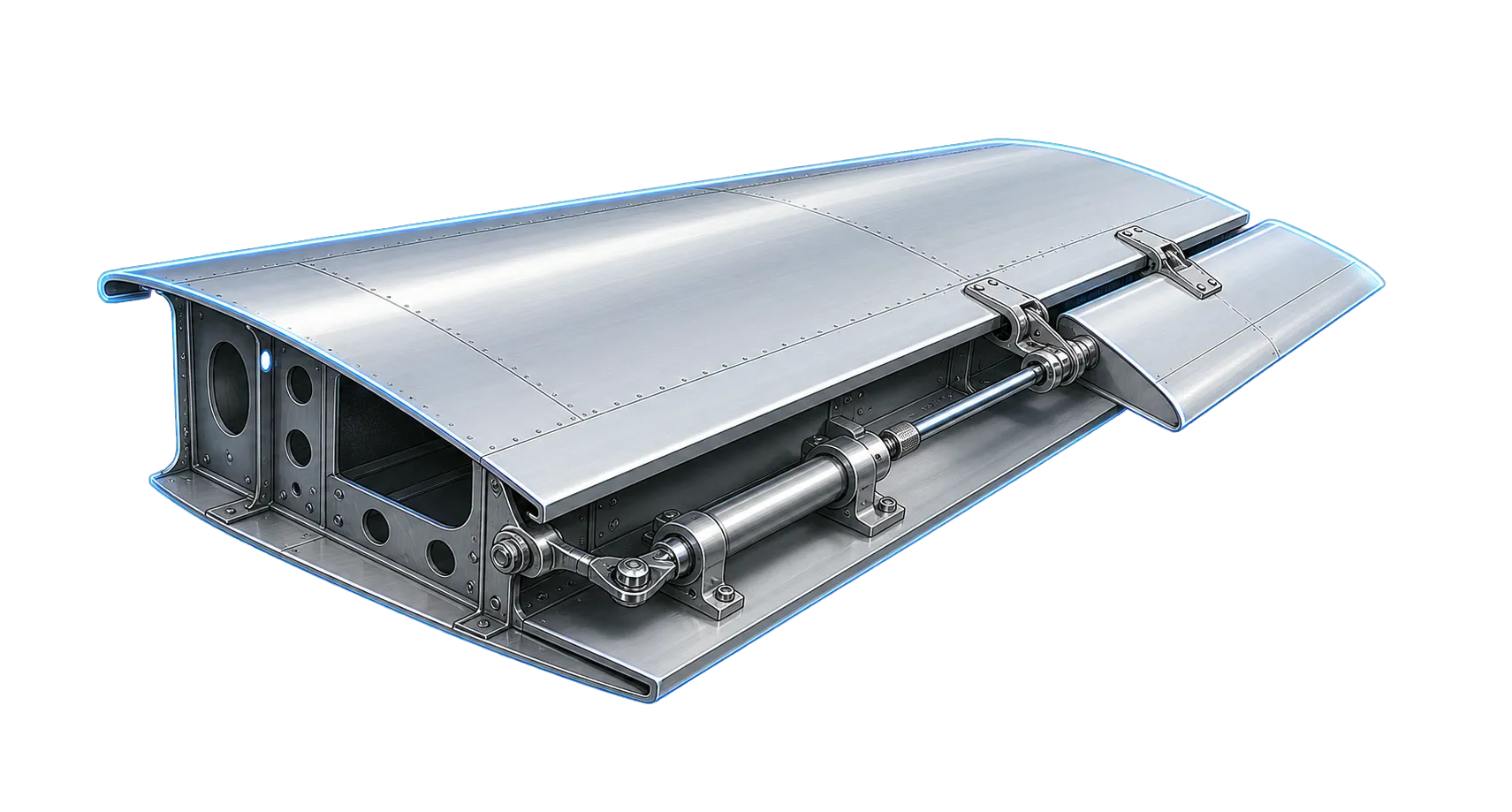
Airworthiness Directives; British Aerospace, PLC Model BAC 1-11 200 and 400 Series Airplanes
Unsafe Condition: Cracks in the main landing gear (MLG) pintle forward reaction rod lug and rear bearing spigot could lead to MLG collapse.
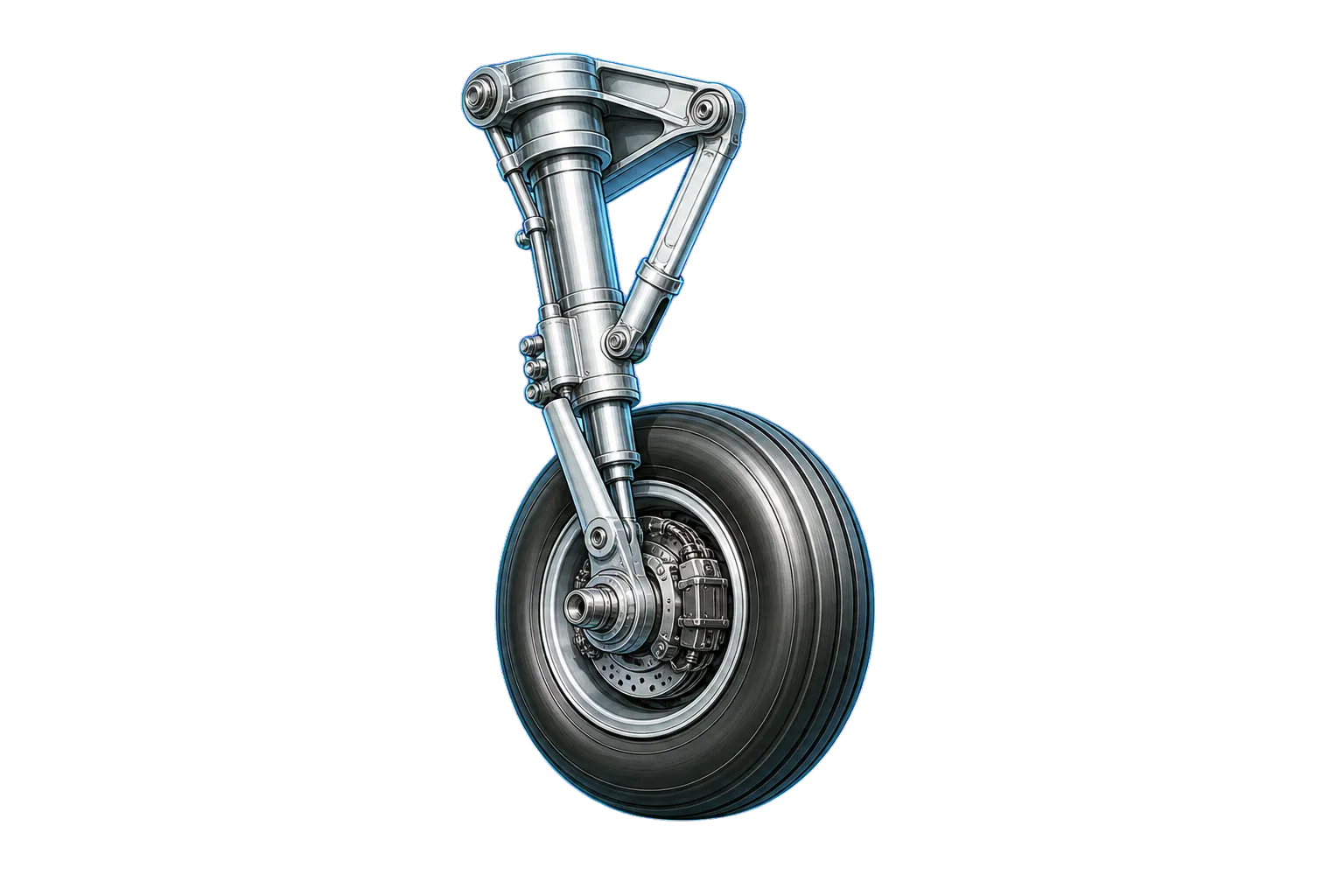
Airworthiness Directives; British Aerospace Model BAC 1-11 200 and 400 Series Airplanes
Unsafe Condition: Tailplane trim gearbox oil contamination with water.
Airworthiness Directives; British Aerospace Model BAC 1-11 200 and 400 Series Airplanes
Unsafe Condition: Fatigue damage to the service door and subsequent decompression of the airplane.
Airworthiness Directives; British Aerospace Model BAC1-11 200 and 400 Series Airplanes
Unsafe Condition: Collapse of the nose landing gear due to cracks in the lower faces of both lugs of the jack attachment arm on the nose landing gear housing.
Airworthiness Directives; BRITISH AEROSPACE Model BAC 1-11 200 and 400 Series Airplanes
Unsafe Condition: Uncommanded thrust reverser selection due to worn, damaged, or incorrectly routed thrust reverser cables.
Airworthiness Directives; BRITISH AEROSPACE Model BAC 1-11 200 and 400 Series Airplanes
Unsafe Condition: Structural failure of the fuselage due to cracks and loose rivets in fuselage skin lap joints.
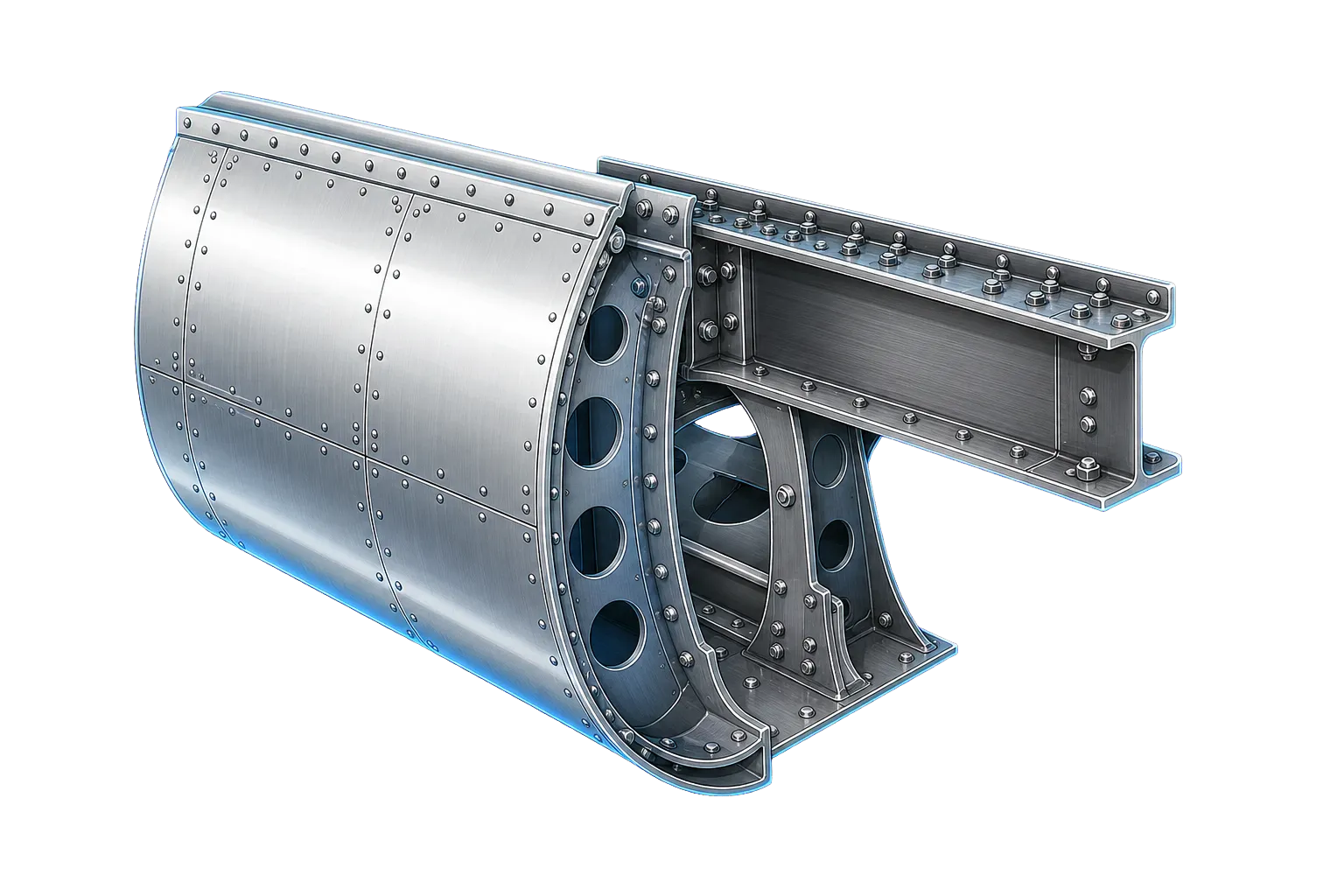
Airworthiness Directives; BRITISH AEROSPACE Model BAC 1-11 200 and 400 Series Airplanes
Unsafe Condition: Structural failure of the fuselage due to cracks in the fuselage frame splice joint, skin, stringers, and connecting structure at fuselage station 178 between stringers 2 left and 2 right.
Airworthiness Directives; BRITISH AEROSPACE Model BAC 1-11 200 and 400 Series Airplanes
Unsafe Condition: Collapse of the main landing gear due to undetected cracks in the support beams.
Airworthiness Directives; BRITISH AEROSPACE Model BAC 1-11 200 and 400 Series Airplanes
Unsafe Condition: Cracks in the rear pintle support beam could lead to a hazardous landing condition.
Airworthiness Directives; BRITISH AEROSPACE Model BAC 1-11 Series Airplanes
Unsafe Condition: Failure of the emergency escape slide deployment system
Airworthiness Directive; British Aerospace Model BAC 1-11 200 and 400 Series
Unsafe Condition: Heat damage or fire in the airframe plenum of the auxiliary power unit (APU) installation.
Airworthiness Directives; BRITISH AEROSPACE Model BAC 1- 11 200 and 400 Series Airplanes
Unsafe Condition: Jamming of engine controls due to a failed mounting bracket of the aft attendant's seat.
Airworthiness Directives; BRITISH AEROSPACE Model BAC 1-11 - 200 and -400 Series Airplanes
Unsafe Condition: Failure of the rear passenger door could cause sudden decompression of the fuselage.
Airworthiness Directives; BRITISH AEROSPACE Model BAC 1-11 Series Airplanes
Unsafe Condition: Failure of the emergency escape slide deployment system
Airworthiness Directives; BRITISH AEROSPACE Model BAC 1-11 200 and 400 Series Airplanes
Unsafe Condition: Loss of the integrity of the tailplane center section top skin assembly due to cracks in reinforcing plates.
Airworthiness Directives; BRITISH AEROSPACE BAC Model 1-11 Series 200 and 400 Airplanes
Unsafe Condition: Loss of pressurization as a result of conducting procedures for electrical smoke or fire when both pneumatic and air conditioning systems are operative or inoperative.
Airworthiness Directives; BRITISH AEROSPACE Model BAC 1- 11 200 and 400 Series Airplanes
Unsafe Condition: Failure of the keel structure to carry design loads due to structural crack propagation in the keel beam lateral diaphragm.
Airworthiness Directives; BRITISH AIRCRAFT CORPORATION Model 1-11 200 and 400 Series Airplanes
Unsafe Condition: Jamming of the passenger or service doors due to potential failure of the container latch release cable.
Airworthiness Directives; BRITISH AEROSPACE Model BAC 1-11 200 and 400 Series Airplanes
Unsafe Condition: Overspeeding of the cold air unit and faulty overheat protection circuits may lead to inadequate overheat detection and potential system failure.
Airworthiness Directives; BRITISH AEROSPACE Model BAC 1-11 200 and 400 Series Airplanes
Unsafe Condition: Serious deterioration and failure of the flap drive screwjacks due to excessive nut-to-screw backlash and unusual wear.
Airworthiness Directives; BRITISH AEROSPACE Model BAC 1-11 200 and 400 Series Airplanes
Unsafe Condition: Cracking and corrosion of the fuselage pressure vessel in the lower fuselage skin areas between stations 416-456 and 630-690, and stringers 32(LH) and 32(RH), which could lead to structural failure...
Airworthiness Directives; BRITISH AEROSPACE Model BAC 1-11 200 and 400 Series Airplanes
Unsafe Condition: Cracking of passenger and service door inner operating handles and endfittings could result in possible failures.