2020-15-14 Recurring
final ruleAirworthiness Directives; The Boeing Company Airplanes
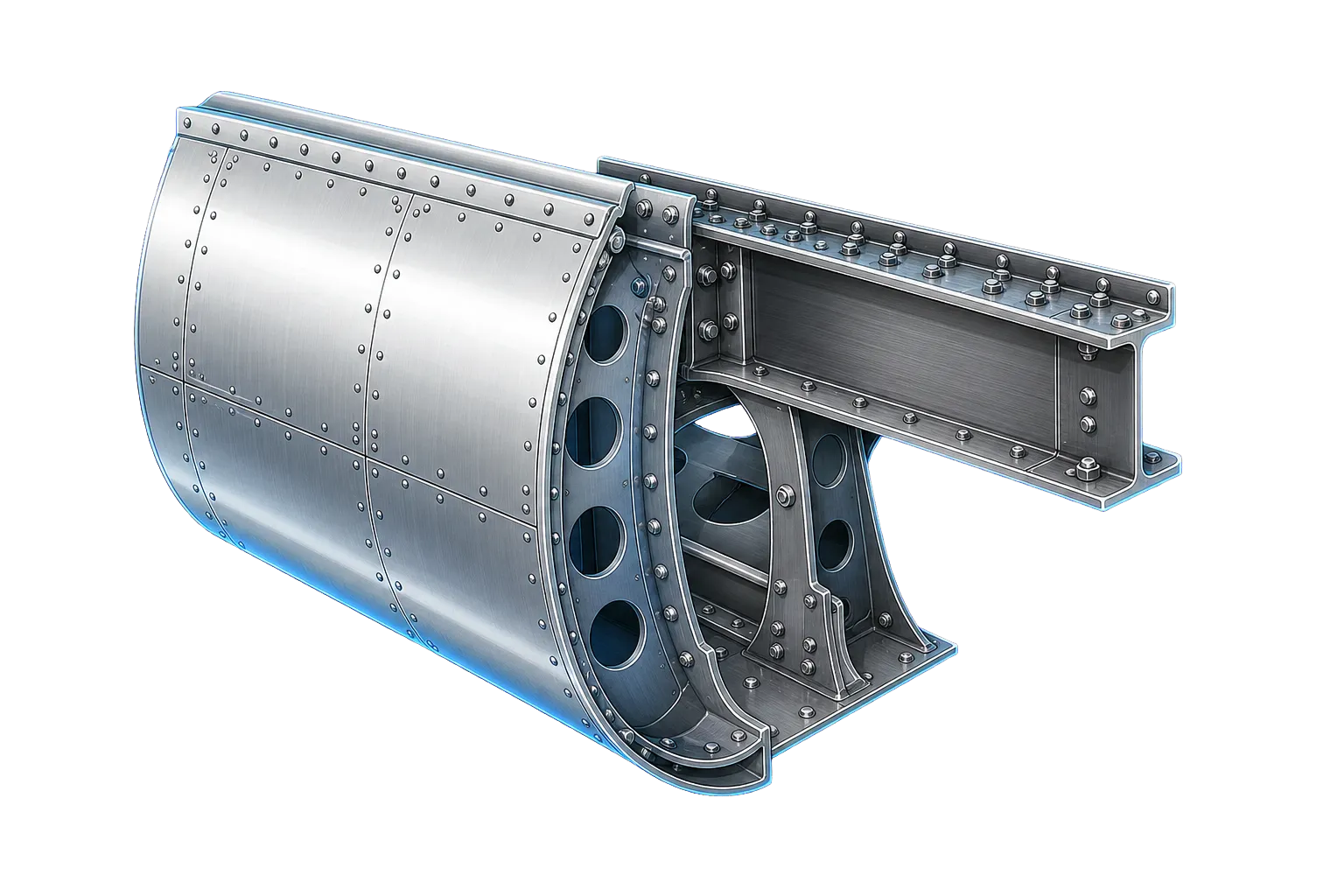
Unsafe Condition: cracks in the longeron extension fittings, which can become large and adversely affect the structural integrity of the airplane.
Browse ADs indexed for this model. Applicability depends on your aircraft configuration.
Check your aircraft configuration
Airworthiness Directives; The Boeing Company Airplanes
Unsafe Condition: cracks in the longeron extension fittings, which can become large and adversely affect the structural integrity of the airplane.
Airworthiness Directives; The Boeing Company Airplanes
Unsafe Condition: Reports of cracking in particular areas of the bulkhead structure at body station (BS) 2598.
Airworthiness Directives; The Boeing Company Airplanes
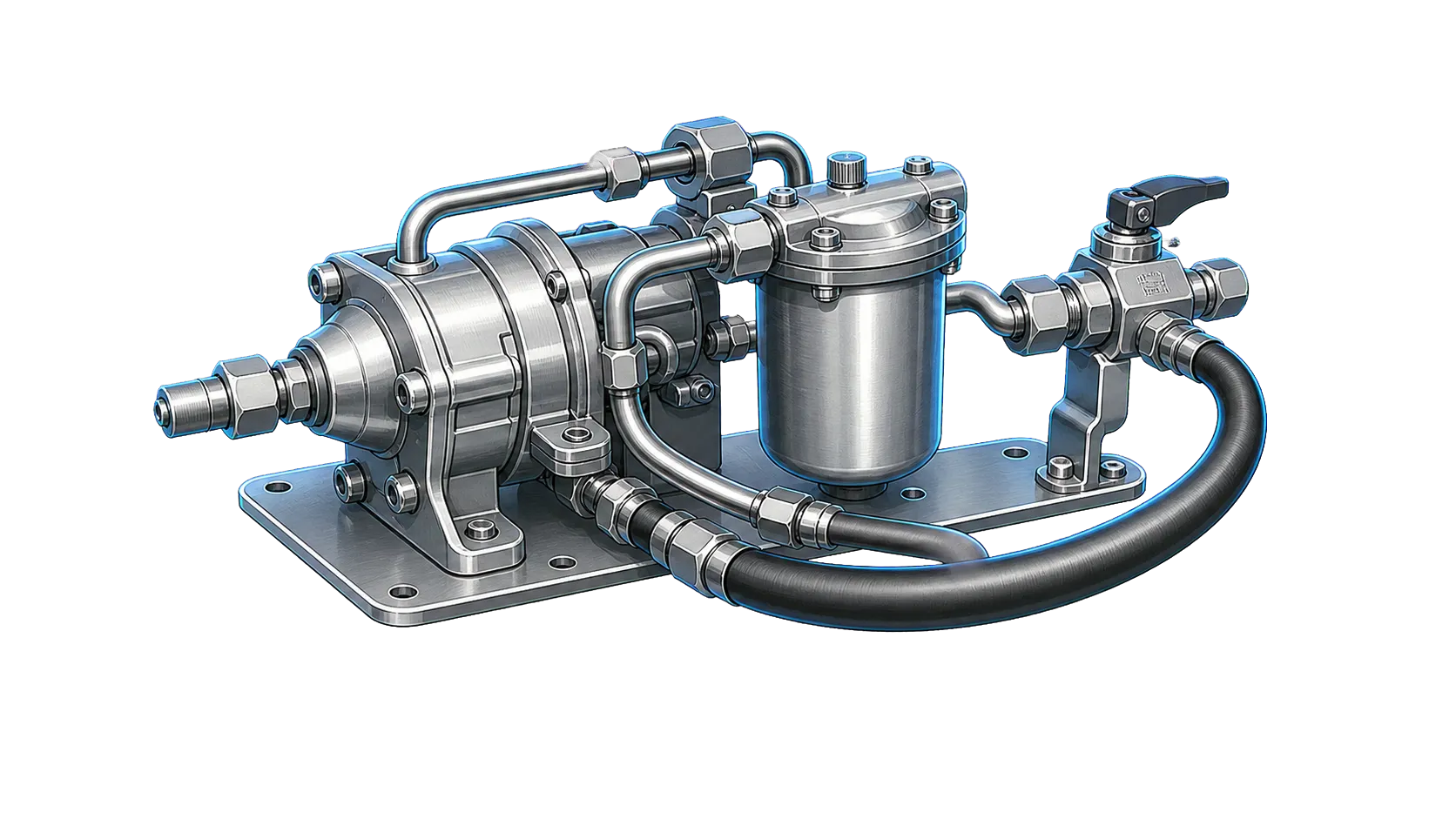
Unsafe Condition: The existing bond path design provides insufficient bond resistance margin between the fuel pump motor/impeller and structure.
Airworthiness Directives; The Boeing Company Airplanes
Unsafe Condition: undetected fatigue cracks, which could result in sudden decompression and loss of structural integrity of the airplane
Airworthiness Directives; The Boeing Company Airplanes
Unsafe Condition: Fatigue cracks could develop in the underwing longerons, resulting in fuel leakage into the pressurized fuselage and increasing the risk of a fire, and cracks in the adjacent fuselage skin, which c...
Airworthiness Directives; The Boeing Company Airplanes
Unsafe Condition: failures of the cargo door control switch from allowing uncommanded movement of the cargo door, which, if not corrected, could lead to injuries to persons and damage to the airplane.
Airworthiness Directives; The Boeing Company Airplanes
Unsafe Condition: BMS 8-39 flexible urethane foam insulation in certain areas, which, if exposed to an ignition source, could cause an uncontrolled fire leading to loss of control of the airplane.
Airworthiness Directives; The Boeing Company Airplanes
Unsafe Condition: Conductive oxygen hoses in the flight deck were addressed previously in AD 2010-16-05, Amendment 39-16382 (75 FR 47208, August 5, 2010). The gaseous passenger oxygen system equipped with therapeuti...
Airworthiness Directives; The Boeing Company Airplanes
Unsafe Condition: fatigue cracking in transport category airplanes that are approaching or have exceeded their design service objective and a structural reevaluation by the manufacturer that identified additional st...
Airworthiness Directives; The Boeing Company Airplanes
Unsafe Condition: Failure of the fastener assemblies on the crew access ladder handrails.
Airworthiness Directives; The Boeing Company Airplanes
Unsafe Condition: Reports of flammable fluid leaks from the wing leading edge area onto the engine exhaust area, which could result in a fire.
Airworthiness Directives; The Boeing Company Airplanes
Unsafe Condition: Cracking of the front spar web inboard of pylon number 2 between front spar station inboard (FSSI) 655.75 and FSSI 660, which could lead to fuel leaks and a consequent fire.
Airworthiness Directives; The Boeing Company Airplanes
Unsafe Condition: Widespread corrosion damage found on the skin inner surface along the upper bulkhead at certain stations between certain stringers.
Airworthiness Directives; The Boeing Company Airplanes
Unsafe Condition: Cracking in the aluminum strut side skin and corrosion resistant steel (CRES) outer spring beam support fitting could result in the failure of the outer spring beam support fitting, which could cau...
Airworthiness Directives; The Boeing Company Airplanes
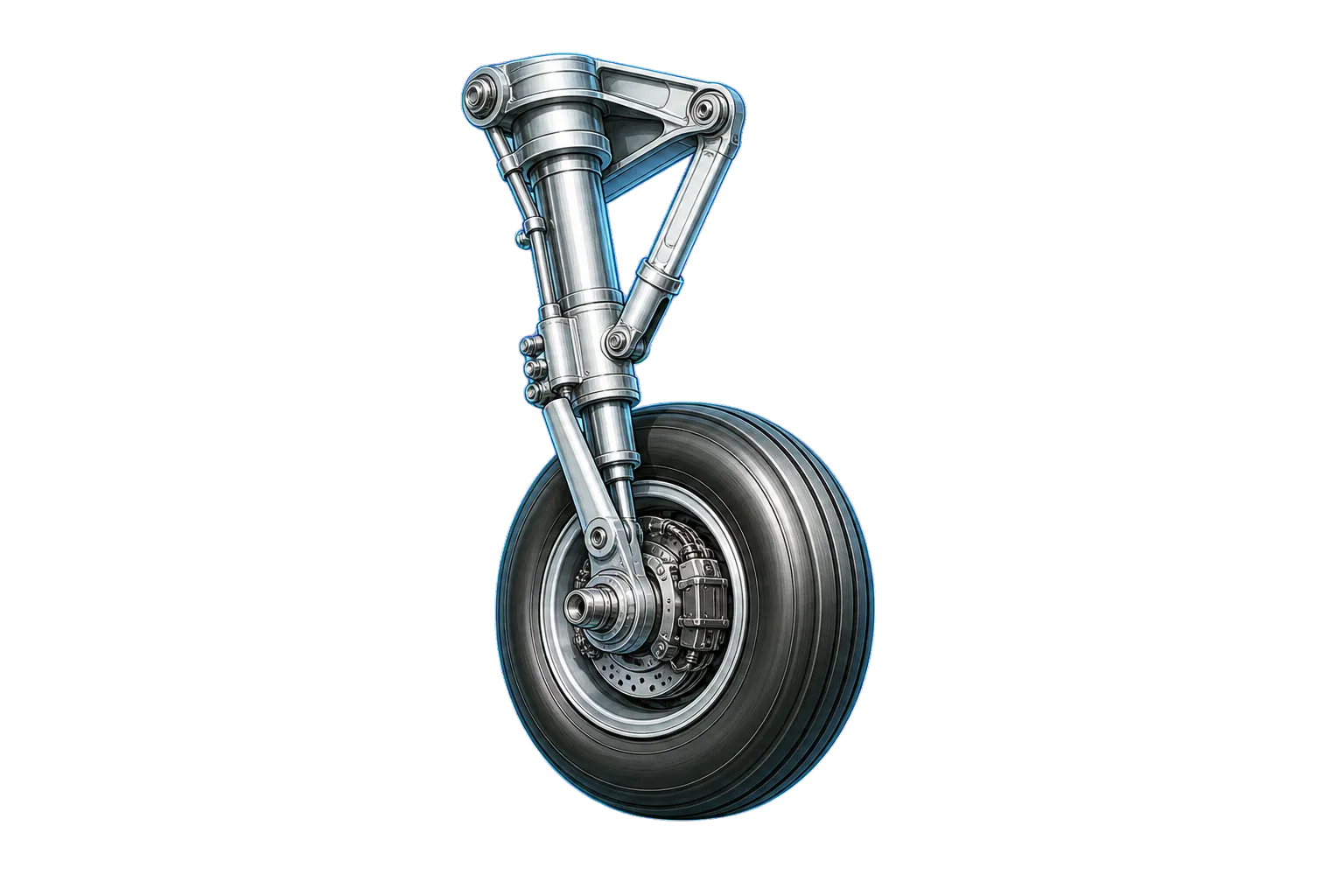
Unsafe Condition: The nose wheel well is subject to widespread fatigue damage (WFD), which could adversely affect the structural integrity of the airplane.
Airworthiness Directives; The Boeing Company Airplanes
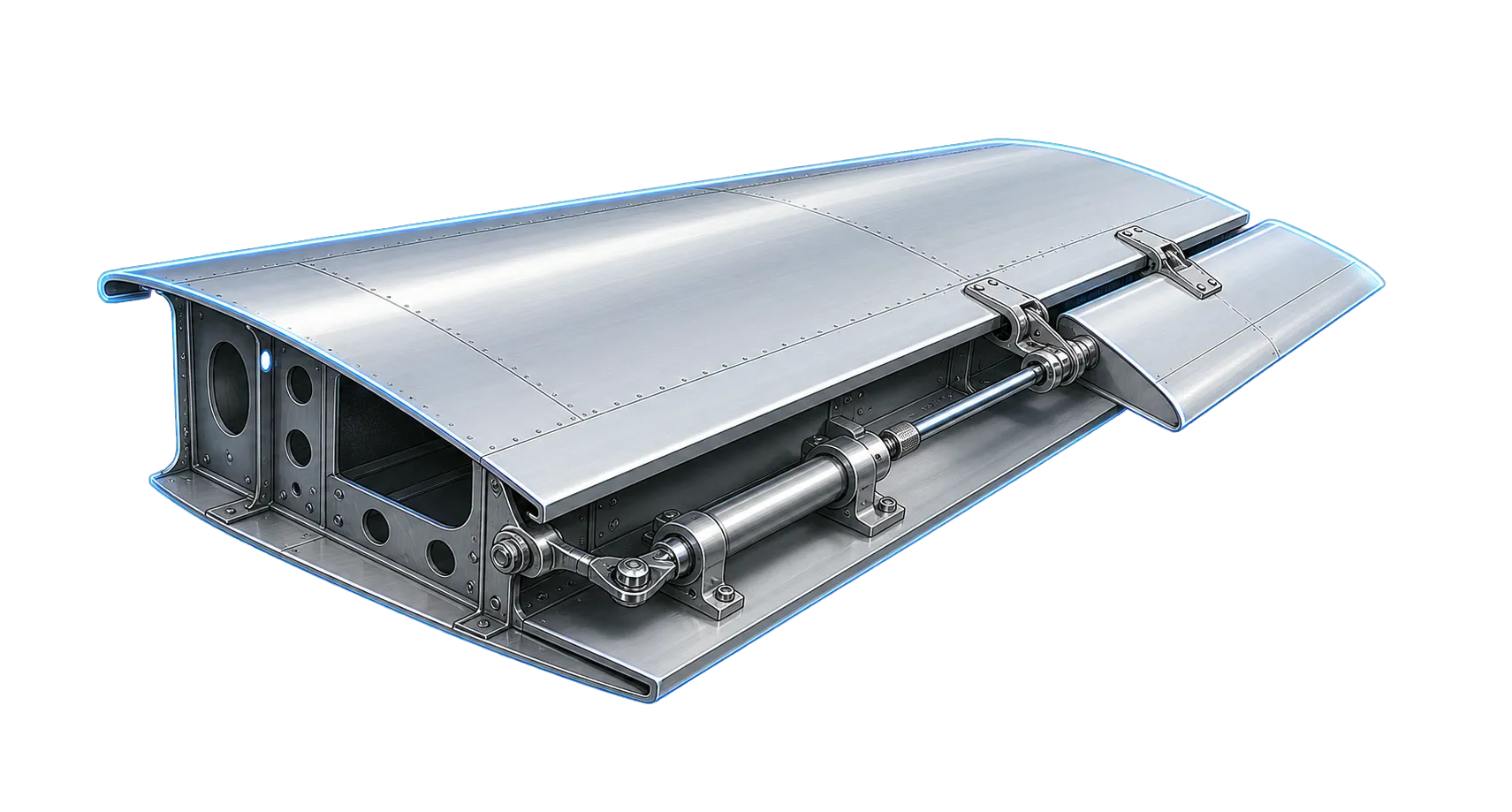
Unsafe Condition: Uncommanded autopilot engagement events resulting in incorrect stabilizer trim adjustment during takeoff.
Airworthiness Directives; The Boeing Company Airplanes
Unsafe Condition: Cracking found in splice plates, hinge fittings, terminal fittings, upper skin of the outboard and center sections, upper chord, and rear spar webs before reaching the inspection interval specified...
Airworthiness Directives; The Boeing Company Airplanes
Unsafe Condition: The absence of inspection or repair procedures in AD 2012-22-02 for airplanes with a STA 320 crown frame web thickness less than 0.078 inch, or greater than or equal to 0.084 inch and less than or ...
Airworthiness Directives; The Boeing Company Airplanes
Unsafe Condition: A certain fastener type in the fuel tank walls has insufficient bond to the structure, and an electrical wiring short could cause arcing to occur at the ends of fasteners in the fuel tanks.
Airworthiness Directives; The Boeing Company Airplanes
Unsafe Condition: Chafing of the wire bundles inside the electrical conduit of the forward and aft boost pumps of the numbers 1 and 4 main fuel tanks due to high vibration, which can lead to exposure of wire conduct...
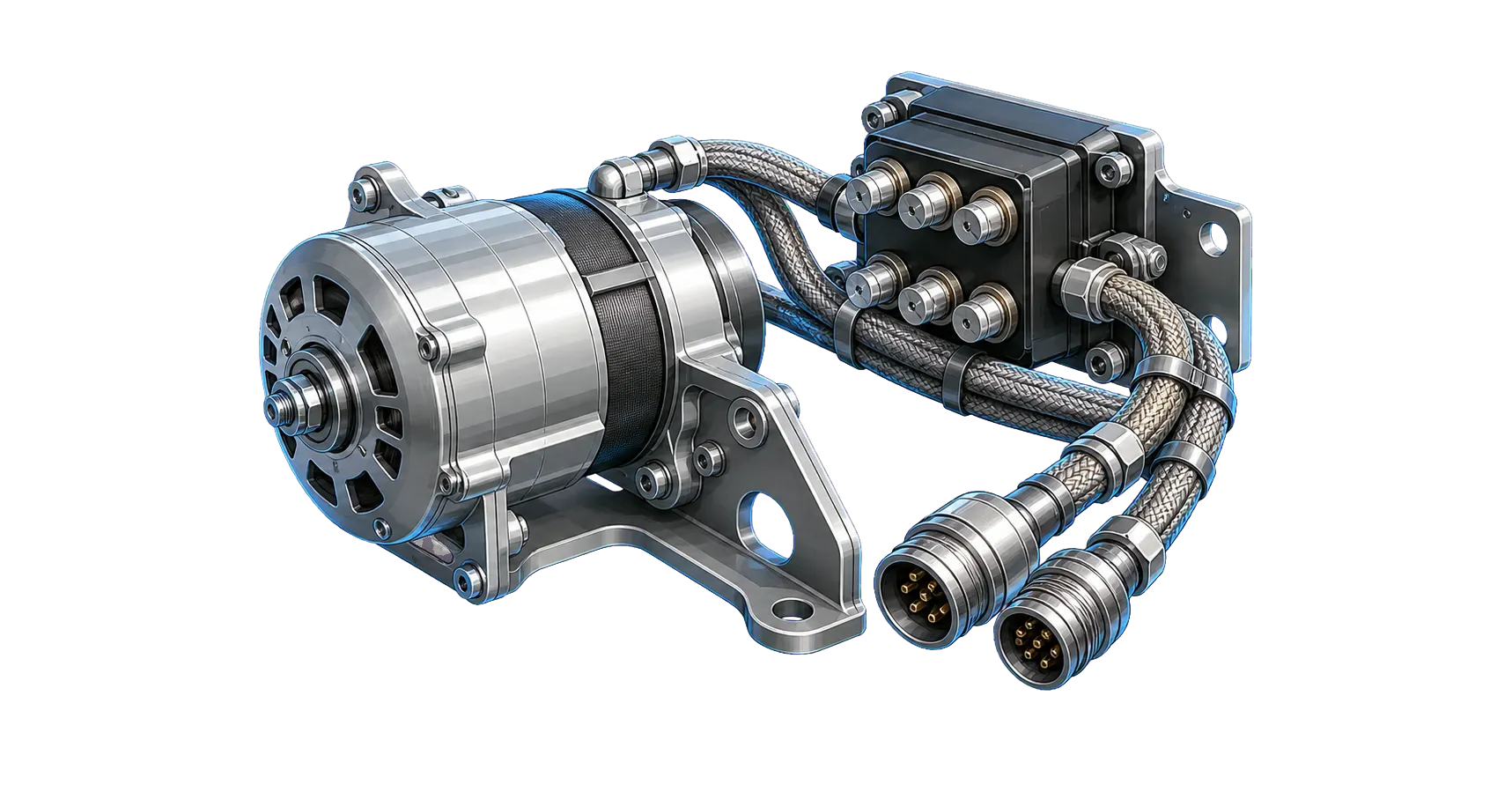
Airworthiness Directives; The Boeing Company Airplanes
Unsafe Condition: Fatigue cracks in the station 320 crown frame, window post number 3, and window upper sill, which could result in an in-flight decompression and a loss of structural integrity of the fuselage.
Airworthiness Directives; The Boeing Company Airplanes
Unsafe Condition: Fatigue cracking in certain upper chords of the upper deck floor beam, which could become large and cause the floor beams to become severed, resulting in rapid decompression or reduced controllabil...
Airworthiness Directives; The Boeing Company Airplanes
Unsafe Condition: Fatigue cracking of the nose wheel well (NWW) side and top panels, which could result in a NWW depressurization event severe enough to reduce the structural integrity of the fuselage.
Airworthiness Directives; The Boeing Company Airplanes
Unsafe Condition: Fatigue cracking of the tension ties, shear webs, and frames of the upper deck, which could result in rapid decompression and reduced structural integrity of the airplane.
Airworthiness Directives; The Boeing Company Airplanes
Unsafe Condition: Significant fuselage skin damage at certain parts of the dorsal fairing, due to wear from the dorsal fairing, which could result in skin cracking and consequent depressurization of the airplane.