2017-15-05
final ruleAirworthiness Directives; Piper Aircraft, Inc. Airplanes
Unsafe Condition: The potential of carbon monoxide entering the airplane cabin due to failure of the combustion heater exhaust extension.
Browse ADs indexed for this model. Applicability depends on your aircraft configuration.
Check your aircraft configuration
Airworthiness Directives; Piper Aircraft, Inc. Airplanes
Unsafe Condition: The potential of carbon monoxide entering the airplane cabin due to failure of the combustion heater exhaust extension.
Airworthiness Directives; Piper Aircraft, Inc. Airplanes
Unsafe Condition: Fuel starvation due to the shape of the wing fuel tanks and fuel below a certain level in the tank allowing fuel to move away from the tank outlet during certain maneuvers.
Airworthiness Directives; The New Piper Aircraft, Inc. PA-23, PA-30, PA-31, PA-34, PA-39, PA-40, and PA-42 Series Airplanes
Unsafe Condition: Severe icing conditions beyond certification limits may cause ice buildup exceeding ice protection system capability or ice forming aft of protected surfaces, degrading performance and controllabil...
Airworthiness Directives; The New Piper Aircraft, Inc. PA-24, PA-28R, PA-30, PA-32R, PA-34, and PA-39 Series Airplanes
Unsafe Condition: Main landing gear collapse caused by main gear sidebrace stud cracks, which could result in loss of control of the airplane during landing operations.
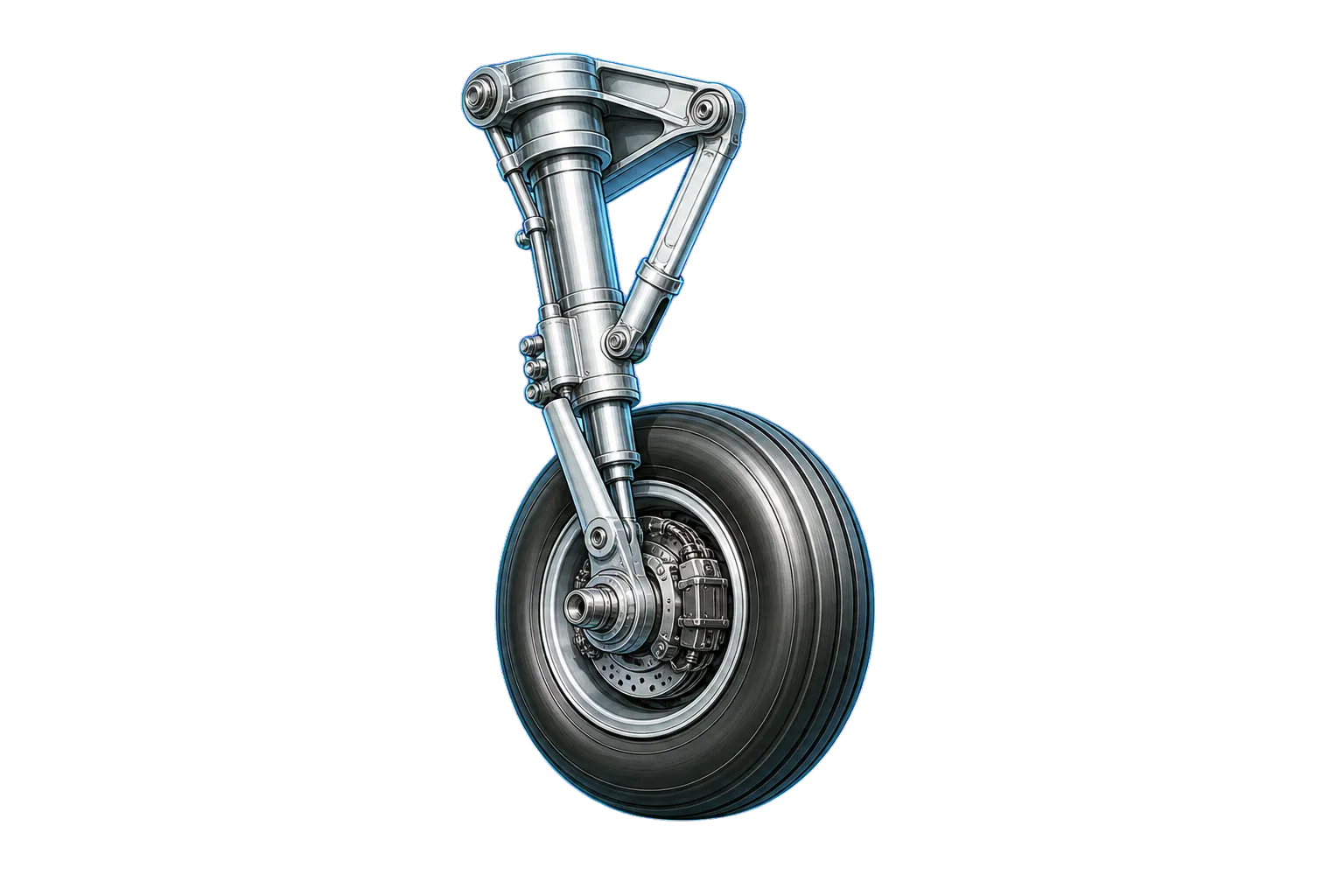
Airworthiness Directives: Piper Aircraft Corporation PA-24, PA-30, and PA-39 Airplanes
Unsafe Condition: Looseness of the stabilator torque tube bearing support fittings could result in loss of pitch control and loss of control of the airplane.
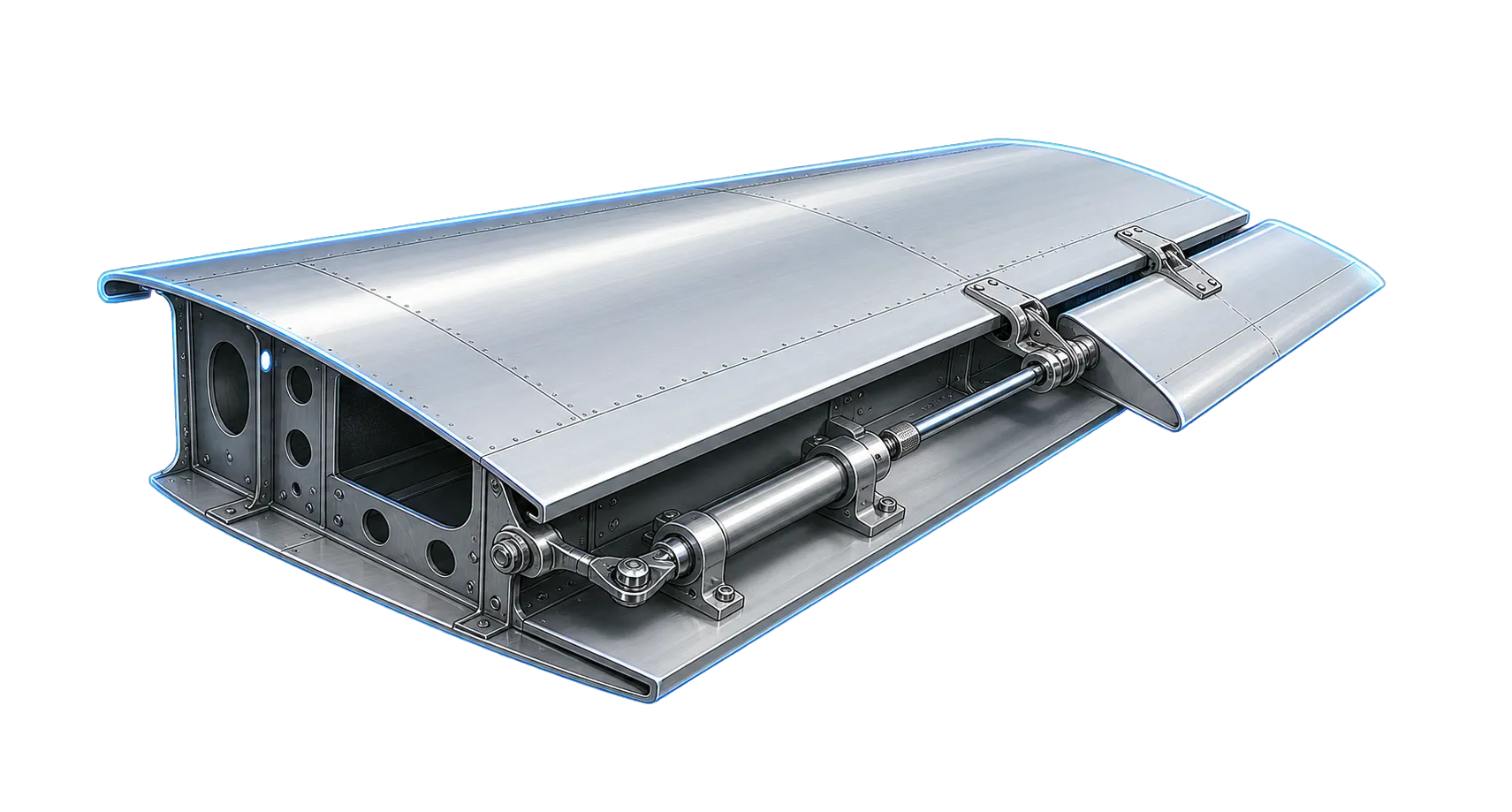
Airworthiness Directives; Piper Model PA-24-180/250/260, PA-24-400, PA-30 and PA-39 Airplanes
Unsafe Condition: Wing lower main spar cap damage and possible cracks where it enters the fuselage at the lower wing root fairing.
Airworthiness Directives; Piper Model PA-24-400, PA-30, and PA-39 Airplanes
Unsafe Condition: Retention of water contamination and deterioration of the fuel system components in the fuel selector valve strainer filter due to inadequate drainage and inspection procedures.
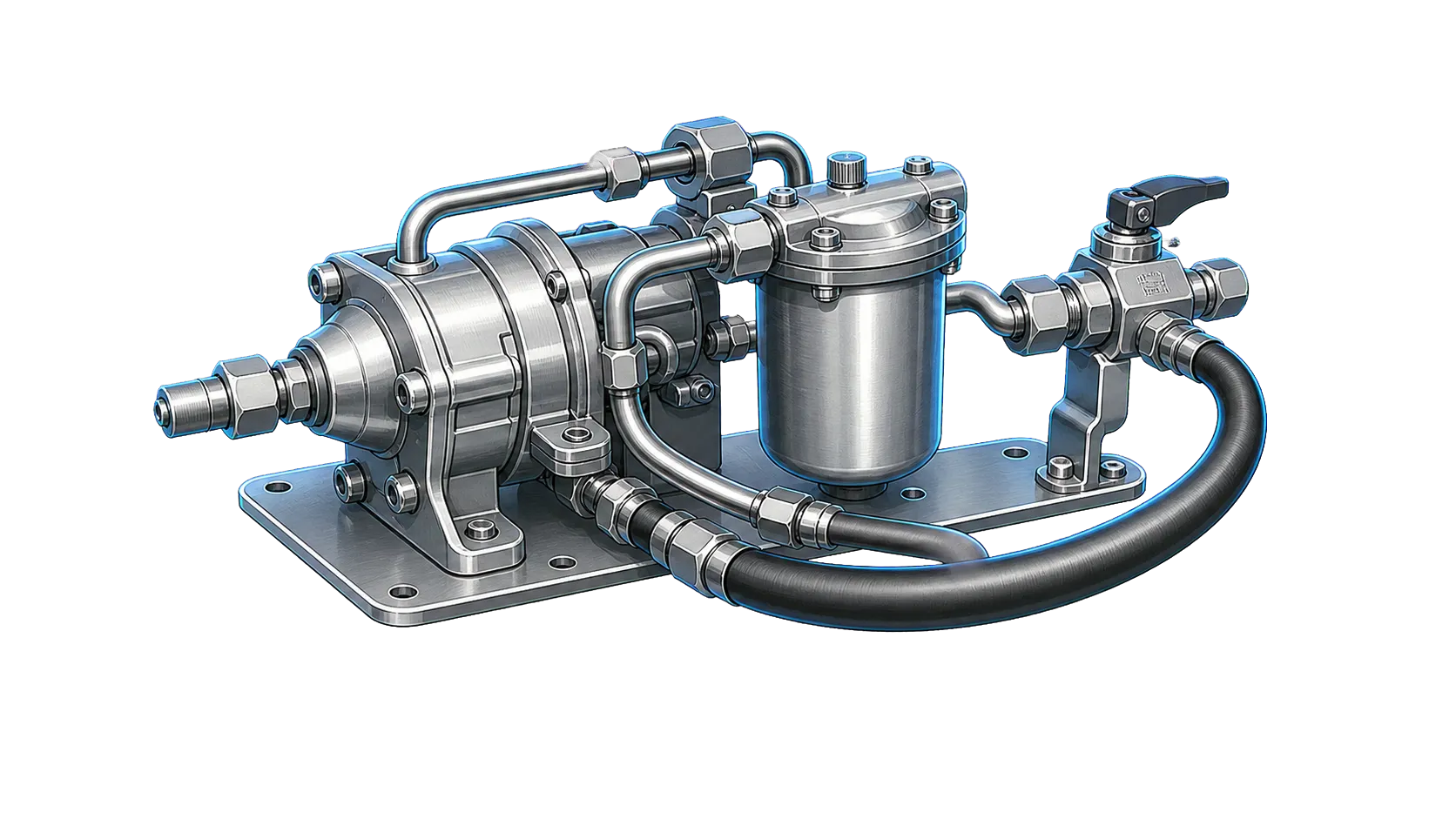
Airworthiness Directives; Piper Model PA-24, PA-24-250, PA-24-260, PA-30 and PA-39 Airplanes
Unsafe Condition: Possible loss of airplane control due to asymmetrical flap extension or retraction.
Airworthiness Directives; Piper Model PA-24, PA-24-250, PA-24-260, PA-24-400, PA-30, and PA-39 Airplanes
Unsafe Condition: Failure of the horizontal stabilizer due to fatigue cracking in the spar cap or spar web of the horizontal stabilizer.
Airworthiness Directives; Piper PA-24-400 Series, PA-30, and PA-39 Aircraft
Unsafe Condition: Fuel mismanagement from inter-port leakage with the fuel selector valve causing fuel to transfer from one tank to another.
Airworthiness Directives; Piper Models PA-30 and PA-39 Airplanes
Unsafe Condition: The right fuel selector valve with Piper P/N 492137 (Airborne P/N 1H7-8) containing the designation '4C' in the valve serial number may fail, leading to fuel system malfunction.
Airworthiness Directives; Piper Models PA-24, PA-24-250, PA-24-260, PA- 24-400, PA-30 and PA-39 Aircraft
Unsafe Condition: Collapse of the landing gear after manual extension.
Airworthiness Directives; Piper Model PA-30 Airplanes
Unsafe Condition: The existing Vmc placard does not state the correct minimum single engine control speed of 90 mph CAS.
Airworthiness Directives; Piper Models PA-23-250, PA-24-260, PA-30, PA-31, PA-31-300, PA-31-350, PA-31P, and PA-39 Aircraft
Unsafe Condition: The electric trim switch may fail, resulting in loss of trim control or unintended trim movement.
Airworthiness Directives; Piper Models PA-24, PA-24-250, PA-24-260, PA-24-400, PA-30, and PA-39 Airplanes
Unsafe Condition: Aileron spar cracks could cause possible hazards in flight.
Airworthiness Directives; Piper Models PA-30 and PA-39 Airplanes
Unsafe Condition: Cracks in the radius of the bend relief holes of the forward fin attachment channel assembly could cause possible hazards in flight.
Airworthiness Directives; Piper Models PA-24, PA-24-250, PA-24-260, PA-24-400, PA-30, and PA-39 Airplanes
Unsafe Condition: Damaged rivets attaching stabilator torque tube bearing support fittings (P/Ns 20420-00, -01 and 20419-00, -01) to the aft fuselage could cause possible hazards in flight.
Airworthiness Directives; Piper Models PA-23-235, PA-23-250, PA-24, PA-24-250. PA-24-260, PA-24-400, PA-30 and PA-39 Aircraft
Unsafe Condition: Corrosion of the stabilator attachment bolts may cause possible hazards in flight.
Airworthiness Directives; Piper Models PA-30 and PA-39 Aircraft
Unsafe Condition: Cracking of the aft bulkhead assembly at fuselage station 258 in Model PA-30 and PA-39 aircraft, which could lead to hazards in flight.
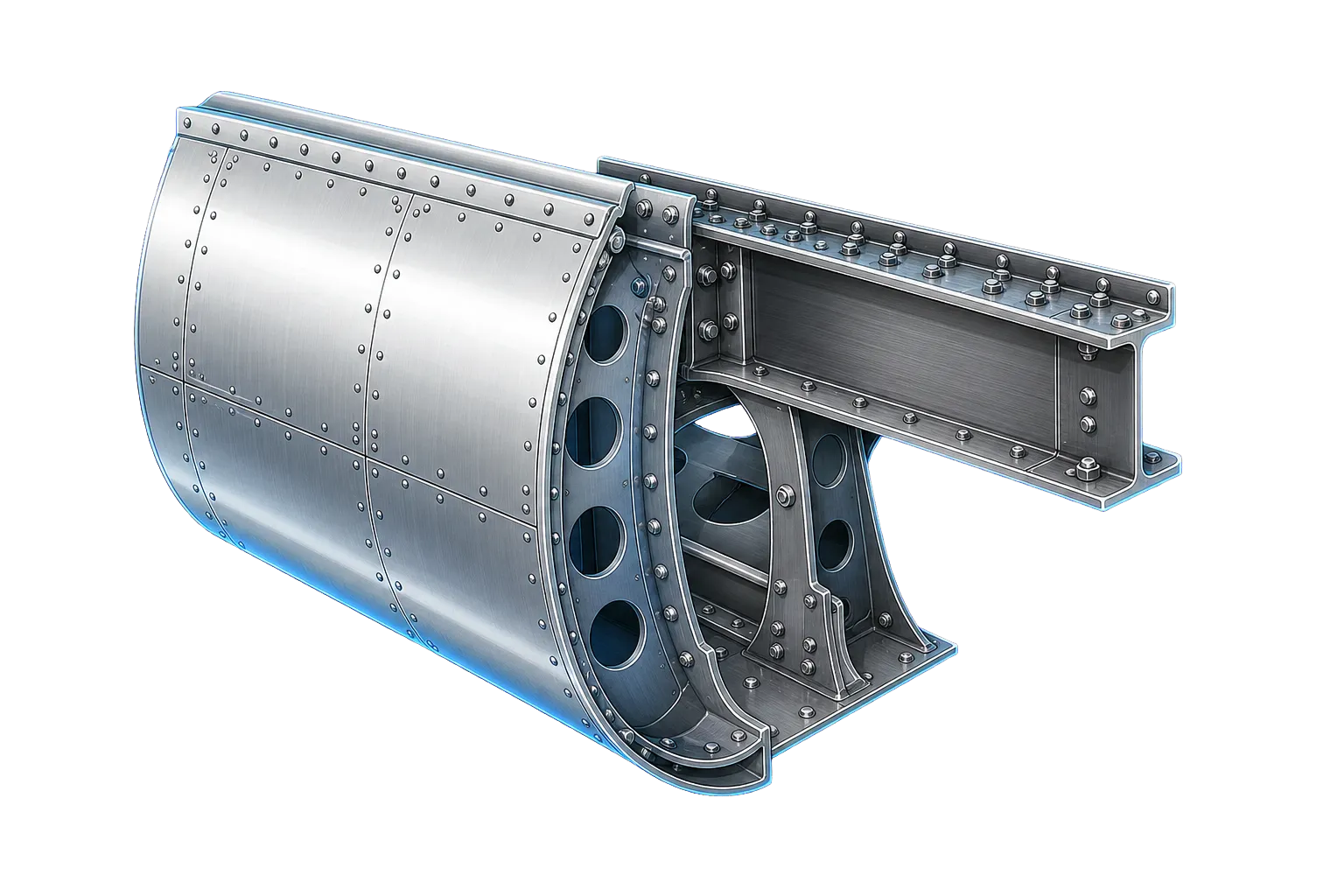
Airworthiness Directives; Piper PA 23-250, PA-30, PA-31 and PA-31-300 Airplanes
Unsafe Condition: The possibility of a complete loss of electrical power while operating under Instrument Flight Rules.
Airworthiness Directives; Piper Models PA-23-250, PA-E23-250, PA-24-260, PA-30, PA-31, PA-31-300, PA-31P, and PA-39 Airplanes
Unsafe Condition: The Scott Electric Trim Switch P/N 800452-01 may fail, leading to loss of trim control or unintended trim movement.
Airworthiness Directives; Airborne Manufacturing Co (formerly Airborne Mechanisms): Applies, Except As Noted, To All Model 1H7, 1H10, 1H16, and 1H26 Series Fuel Selector Valves
Unsafe Condition: The possibility of engine fuel starvation resulting from the inability to operate the fuel selector valve due to loss of the control arm roll pin.
Airworthiness Directives; Piper Model PA-30 Airplanes
Unsafe Condition: Failure to attach the operating limitation placard to the airspeed indicator could result in exceeding 230 MPH CAS, leading to structural damage or loss of control.
Airworthiness Directives; Piper Model PA-30 Airplanes
Unsafe Condition: Cracking of the oxygen cylinder mounting channels and rubbing of the rudder control cable on the oxygen cylinder rear retaining strap.
Airworthiness Directives; PIPER Model PA-30 Airplanes
Unsafe Condition: Excessive vibration that could result in partial failure of the stabilator.