2012-10-04
final ruleAirworthiness Directives; Cessna Aircraft Company Airplanes
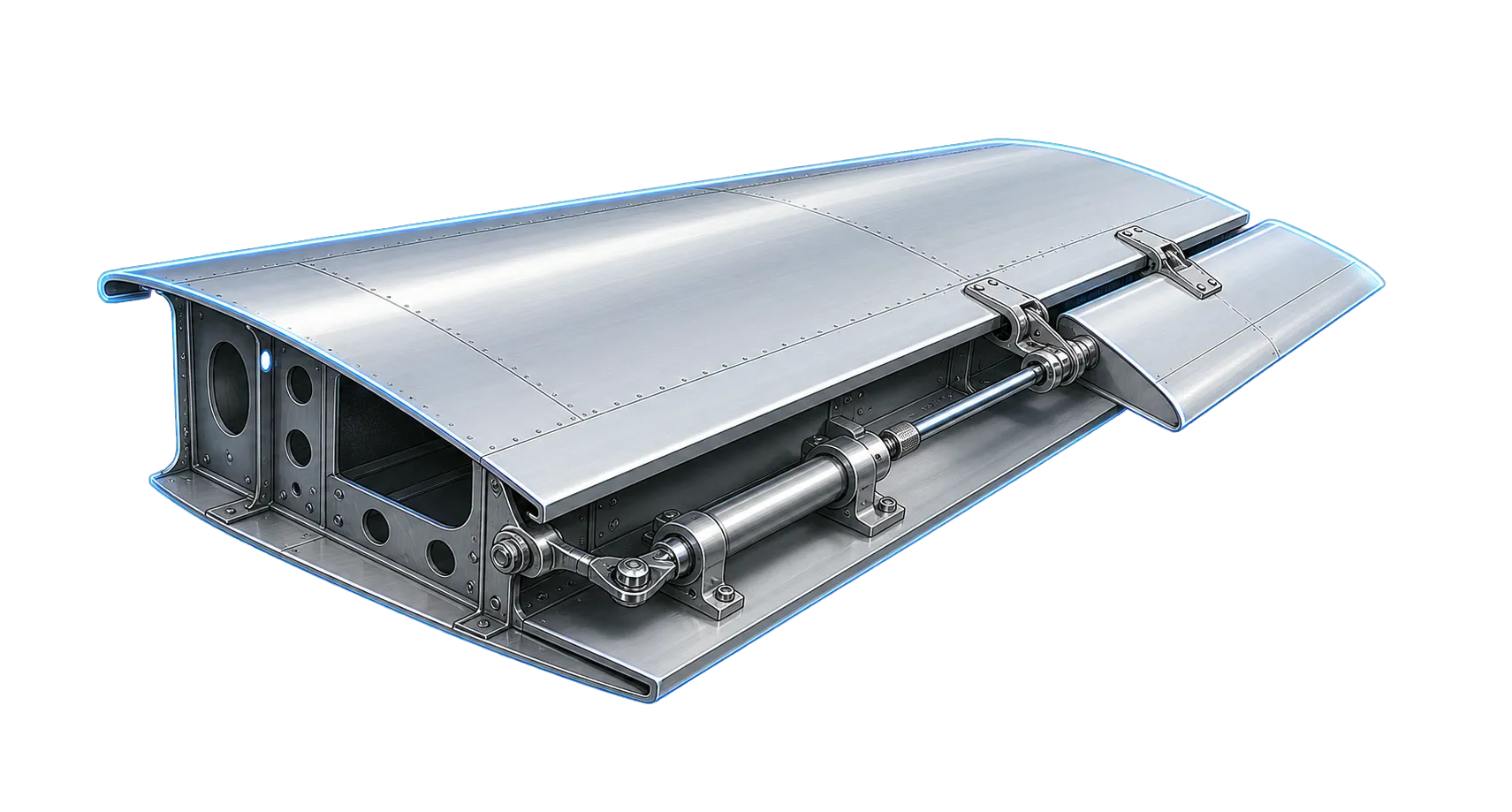
Unsafe Condition: Cracks found in the wing lower main spar caps, which could result in structural failure of the wing with consequent loss of control.
Browse ADs indexed for this model. Applicability depends on your aircraft configuration.
Check your aircraft configuration
Airworthiness Directives; Cessna Aircraft Company Airplanes
Unsafe Condition: Cracks found in the wing lower main spar caps, which could result in structural failure of the wing with consequent loss of control.
Airworthiness Directives; Cessna Aircraft Company Models 150, 152, 170, 172, 175, 177, 180, 182, 185, 188, 190, 195, 206, 207, 210, T303, 336, and 337 Airplanes
Unsafe Condition: Excessive wear on seat rail and seat rail holes, seat pin engagement, seat rollers, washers, axle bolts or bushings, wall thickness of roller housing and the tang, and lock pin springs may lead to ...
Airworthiness Directives; Cessna Models T210N, P210N, and P210R Airplanes
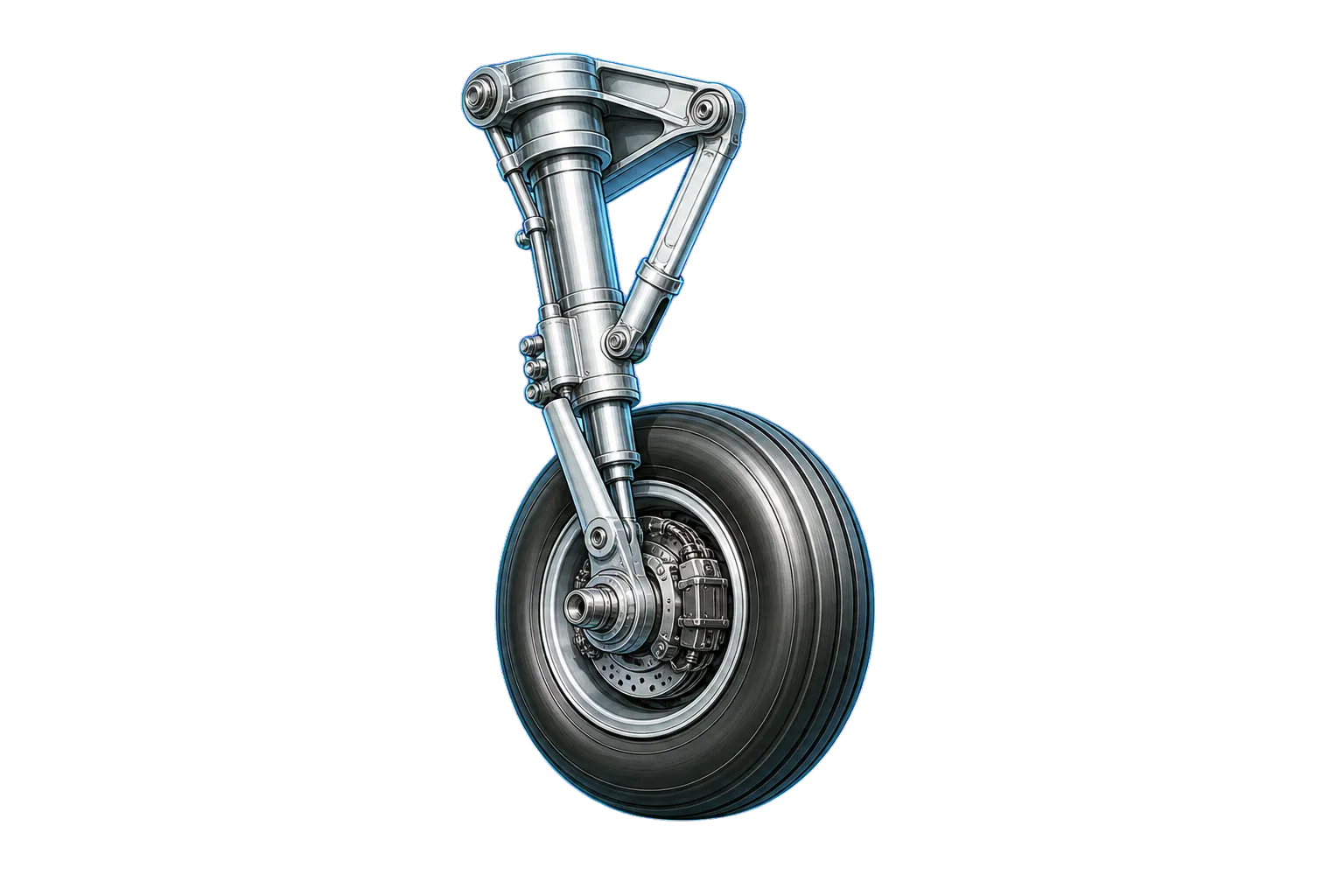
Unsafe Condition: Ice forming on the upper surface of the wing further aft than normal when flaps are extended, which may not be observable by the pilot and could lead to incorrect actions and degraded aerodynamic p...
Airworthiness Directives: Cessna Models 210G thru 210R, T210G thru T210R, P210, and P210R Airplanes
Unsafe Condition: Loss of engine power caused by inadvertent fuel loss or inadequate fuel servicing.
Airworthiness Directives; Cessna Model TP206, TU206, T207, T210 and P210 Series Airplanes
Unsafe Condition: Failure of certain Aeroquip 601 hose assemblies in the engine compartment could cause power loss or fire.
Airworthiness Directives; Cessna Models R172 thru R172K, FR172E thru FR172K, 177 thru 177B and 177RG, F177RG, 185 thru 185E, A185E, A185F, A188, A188A, A188B, T188C, 205 and 205A, 206, U206, U206A thru U206G, TU206A thru TU206G, P206, P206A thru P206E, TP206A thru TP206E, 207 and 207A, T207 and T207A. 210B thru 210R, T210F thru T210R, P210N and P210R Airplanes
Unsafe Condition: Contaminated fuel in the fuel reservoirs and wing fuel tanks could lead to engine power reduction.
Airworthiness Directives; Cessna Model P210N, P210R and T210R Airplanes
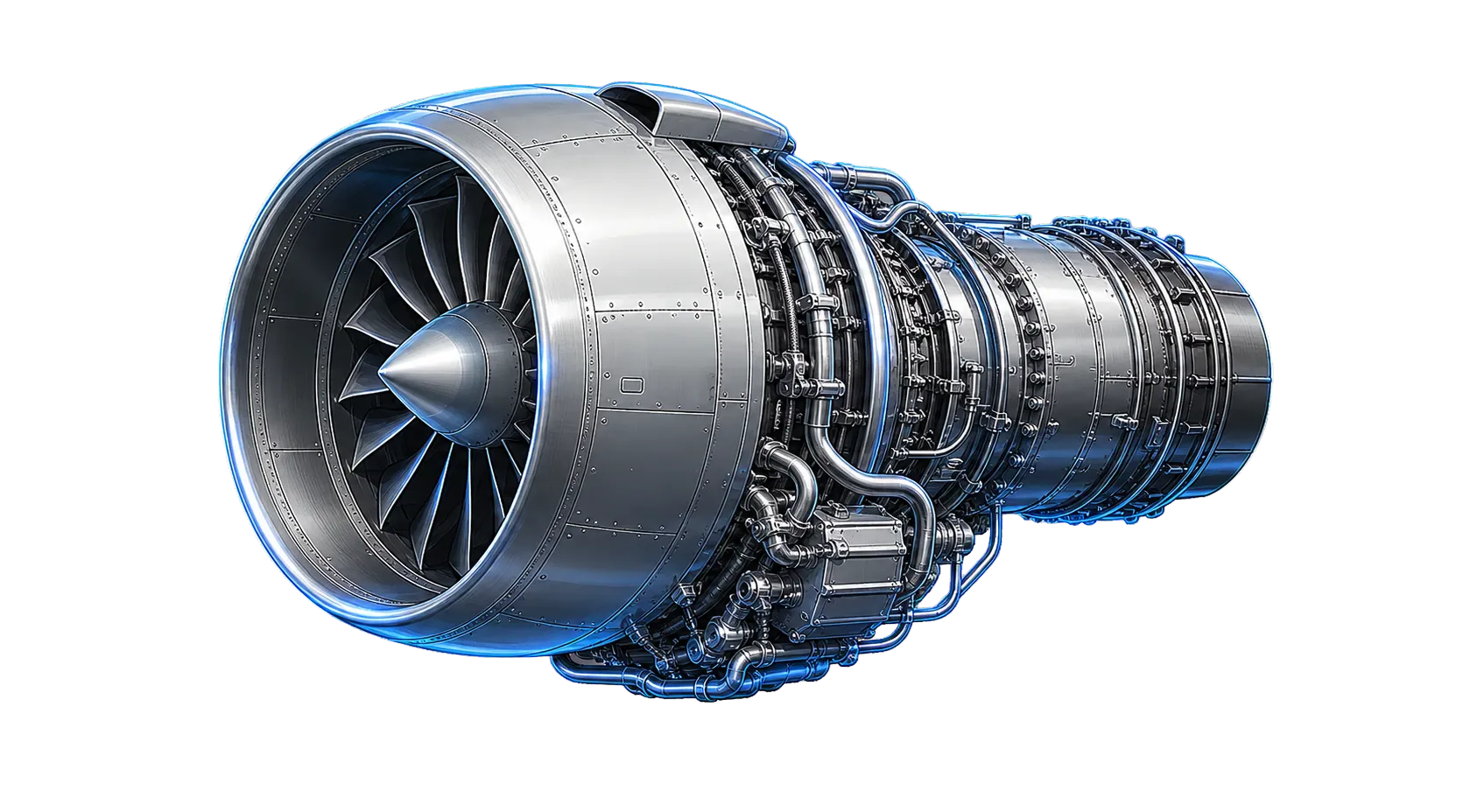
Unsafe Condition: Separation of the turbocharger oil reservoir outlet fitting and subsequent rapid loss of engine lubricating oil.
Airworthiness Directives; CESSNA Models 205 (210-5), 206, U206/TU206, P206/PT206, 207/T207, T210, 210/T210, and P210 Series Airplanes
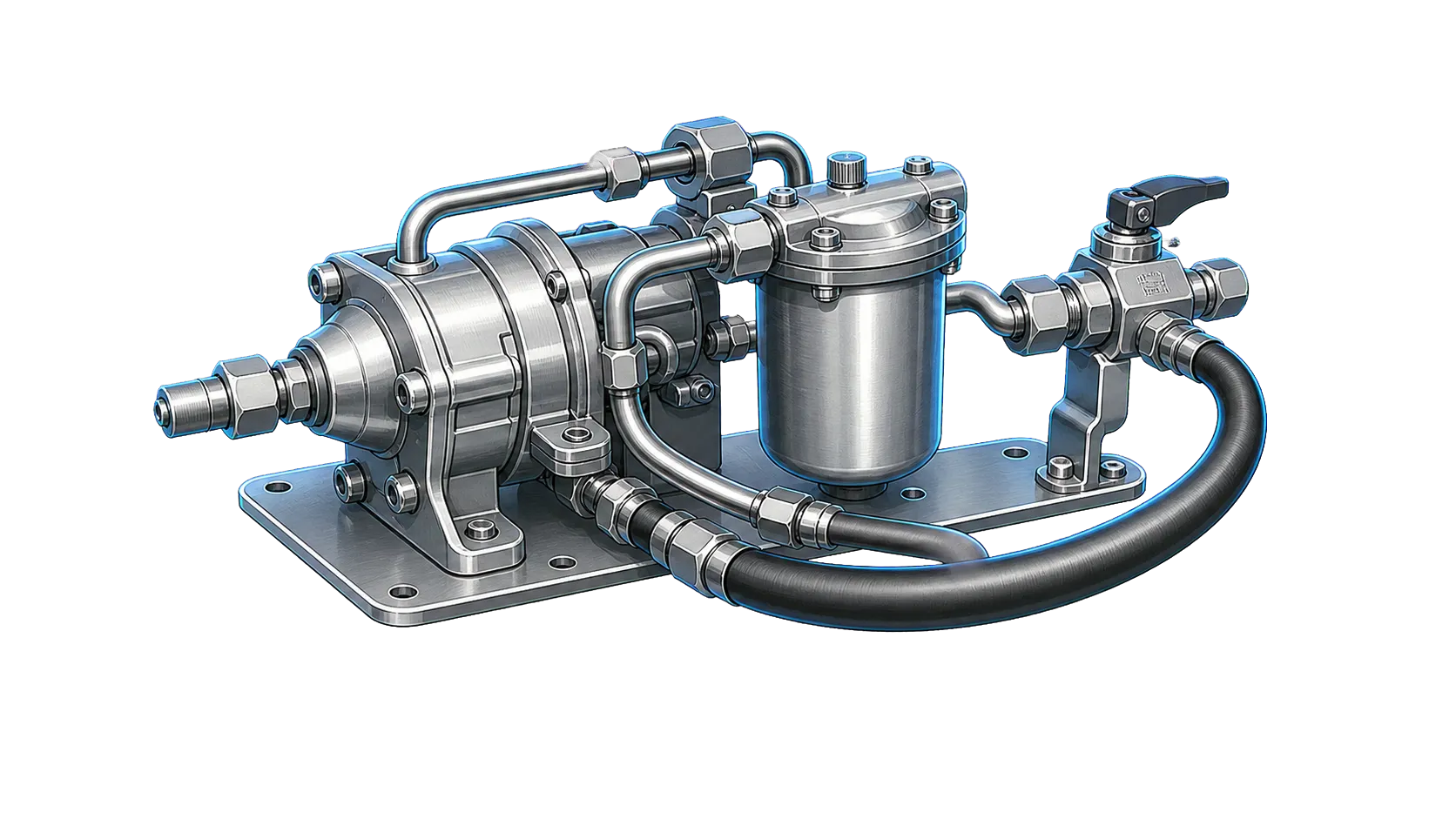
Unsafe Condition: Fuel flow distribution issues leading to major fuel flow fluctuations and power surges due to vapor blockage in the fuel system.
Airworthiness Directives; CESSNA Model 210M, T210M, P210, 310R, T310R, 340A , 402B, 404, 414, 414A, and 421C
Unsafe Condition: Failure of the autopilot actuator to disengage when the autopilot is disconnected, causing increased flight control forces.