81-10-07
final ruleAirworthiness Directives; BELL HELICOPTER TEXTRON (BHT) Model 212 Series Helicopters
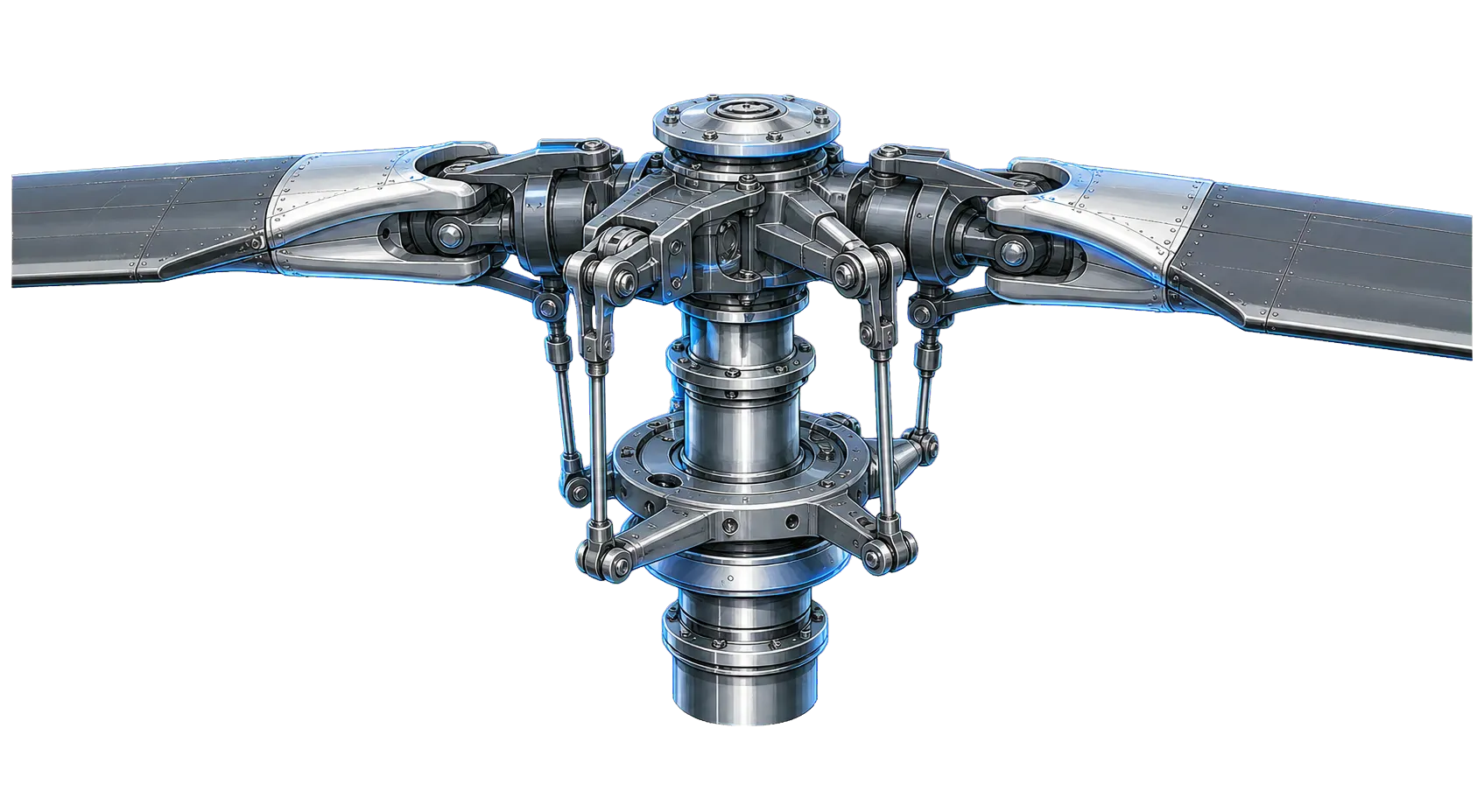
Unsafe Condition: Cracks in the swashplate support-to-gimbal-ring attachment lugs could lead to possible loss of main rotor control.
Browse ADs indexed for this model. Applicability depends on your aircraft configuration.
Check your aircraft configuration
Airworthiness Directives; BELL HELICOPTER TEXTRON (BHT) Model 212 Series Helicopters
Unsafe Condition: Cracks in the swashplate support-to-gimbal-ring attachment lugs could lead to possible loss of main rotor control.
Airworthiness Directives; BELL Model 205A-1 and 212 Helicopters
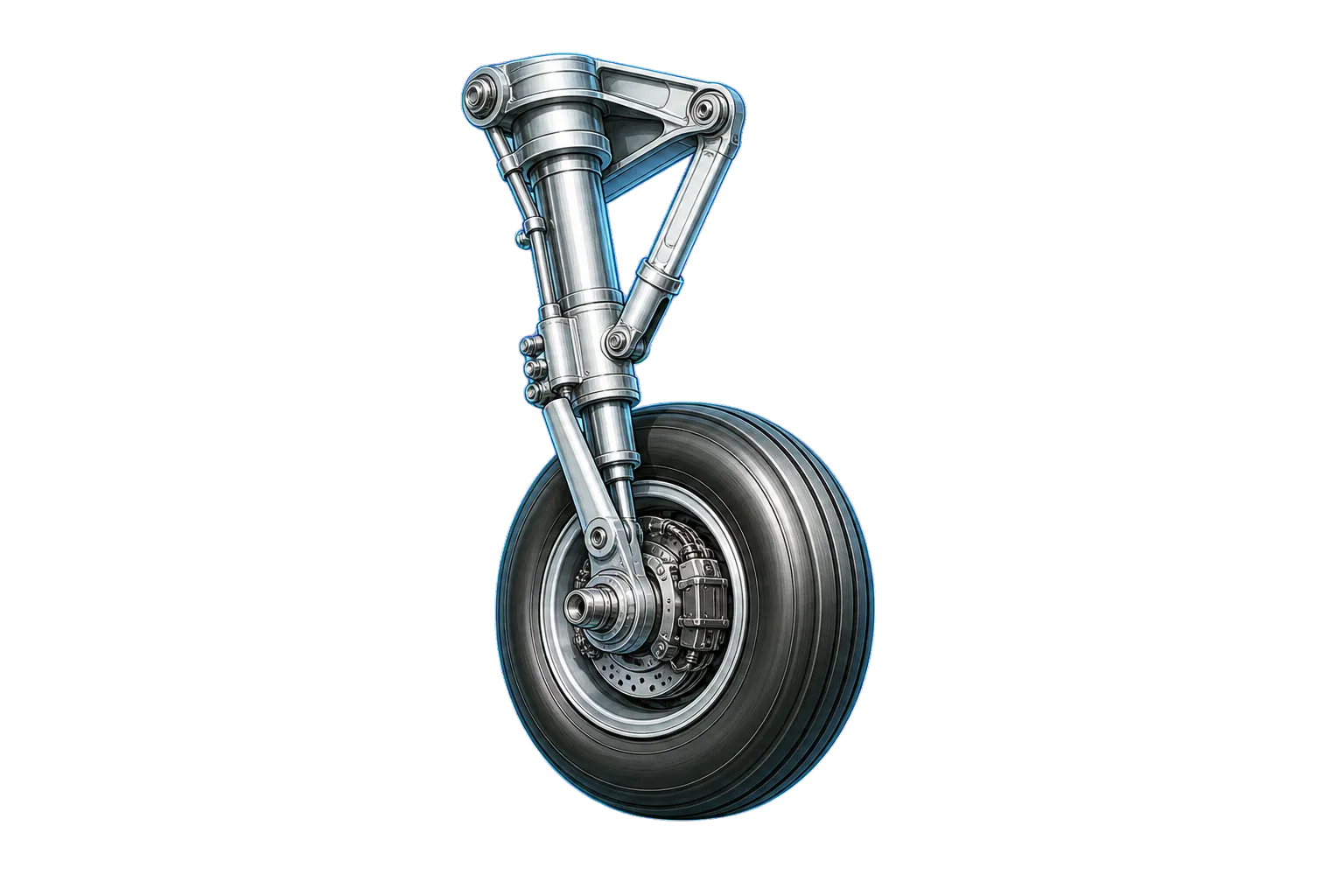
Unsafe Condition: Fatigue cracks may occur in the landing gear cross tubes under the riveted saddle fittings.
Airworthiness Directives; Bell Model 212 Helicopters
Unsafe Condition: Possible tearing, puncturing, and deflation of a float bag after a ditching.
Airworthiness Directives; Bell Model 212 Helicopter
Unsafe Condition: Failure of the input spiral bevel gear, P/N 204-040-701-3, used in the main transmission of Bell Helicopter Textron Model 212 helicopters.
Airworthiness Directives; Bell Model 204B, 205A-1 and model 212 Helicopters
Unsafe Condition: Failure of a fitting due to a crack in the thrust shoulder radius.
Airworthiness Directives; Bell Model 204B, 205A, 205A-1 and 212 Helicopters
Unsafe Condition: The Chadwick, Inc. load cell link assembly P/N 47-40200-19 may fail during external-load operations over congested or densely populated areas.
Airworthiness Directives; Bell Models 205A-1 and 212 Helicopters
Unsafe Condition: Failure of the skid landing gear forward and aft cross tubes due to cracks from surface circumferential tool marks or scores.
Airworthiness Directives; Bell Model 204B, 205A-1, 212, 214B, and 214B-1 Helicopters
Unsafe Condition: Failure of the emergency exit latch pin to engage properly could result in the exit not being securely fastened, leading to unintended opening during flight.
Airworthiness Directives; Bell Model 212 Helicopters
Unsafe Condition: Failure of the emergency float kit to permit opening of passenger emergency exits during ditching due to improper installation or modification of the exit mechanisms.
Airworthiness Directives; Bell Model 212 Helicopter
Unsafe Condition: Chordwise cracks in the main rotor blade skin from near the inboard end to near the outboard end and eroded scarf joint filler.
Airworthiness Directives; Bell Model 212 and 205A-1 Helicopters
Unsafe Condition: Cracks in the tail rotor blade pitch change horn, part number 212-010-716-5 and -9, could result in tail rotor blade loss or control failure.
Airworthiness Directives; Bell Model 212 Helicopters
Unsafe Condition: Failure of certain main rotor blades due to possible corrosion or fretting in the blade weight bolt holes or other defects in the spar.
Airworthiness Directives; Bell Models 205A-1 and 212 Helicopters
Unsafe Condition: Failure of the forward and aft cross tubes, P/N's 205-050-114-1, -3, -5, -7, and -9 and cross tube assemblies, P/N's 205-706-050-5 and -9 due to possible fatigue cracks and ineffective dampers.
Airworthiness Directives; Bell Models 212, 204B, and 205A-1 Helicopters
Unsafe Condition: Main rotor blades with specified serial numbers may have manufacturing defects leading to failure.
Airworthiness Directives; Bell Models 204B, 205A-1, and 212 Helicopters
Unsafe Condition: The absence of proper and legible placards and exit handle covers on the helicopter main passenger doors and emergency exits could lead to unauthorized access to the emergency exit operating handle...
Airworthiness Directives; Bell Model 212 Helicopters
Unsafe Condition: Improperly manufactured nuts (P/N 212-040-631-1) with specific serial numbers (A20-00427, A20-00469, A20-00472, A20-00475, A20-00476, A20-00477, A20-00478) on the main drive shaft assembly may fail...
Airworthiness Directives; Bell Model 212 Helicopters
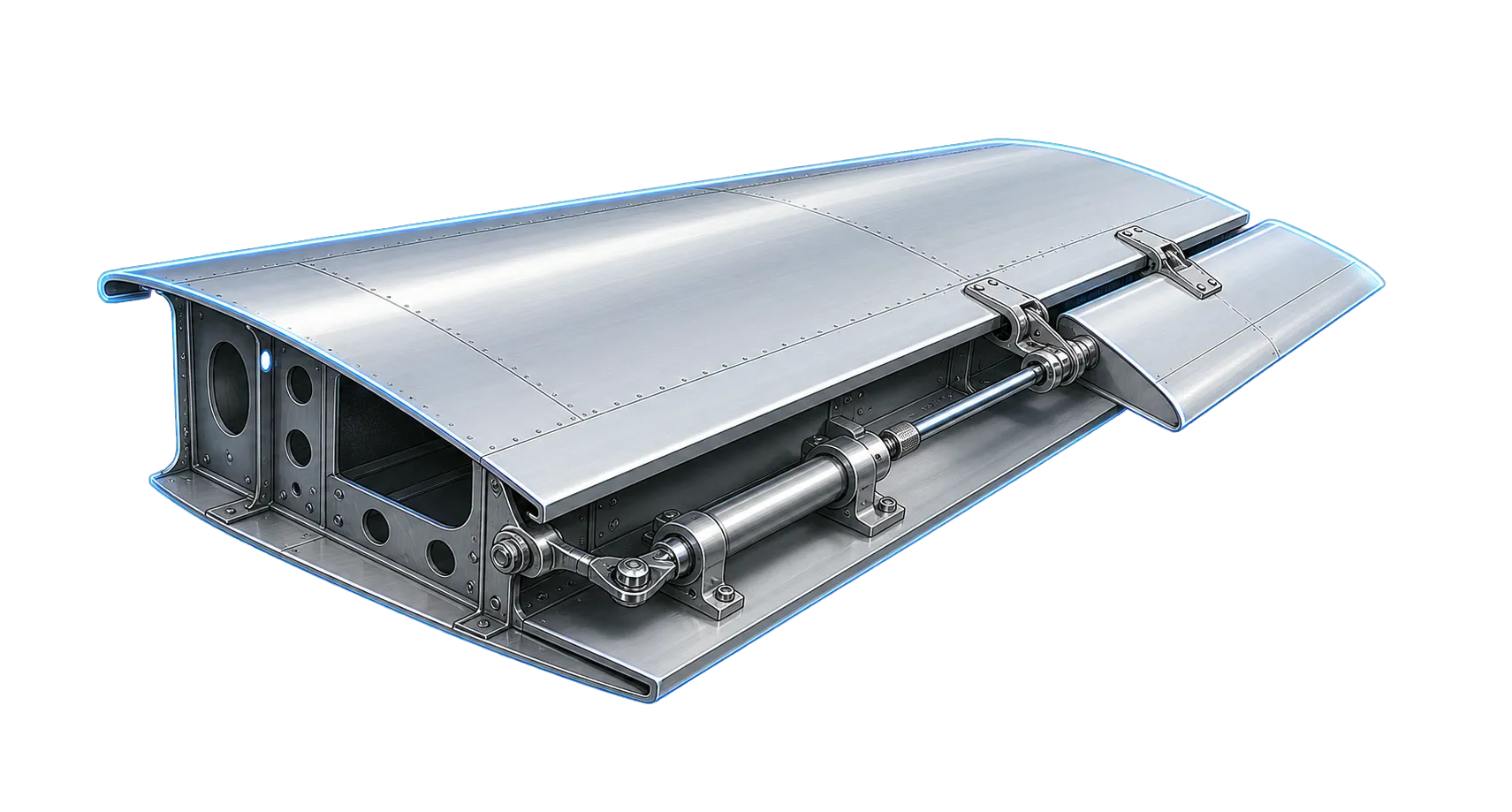
Unsafe Condition: Failure of the synchronized elevator ribs with resulting loss of the elevator
Airworthiness Directives; Bell Model 205A-1 and 212 Helicopters
Unsafe Condition: Cracks or excessive looseness in the tail rotor trunnion bearings could result in tail rotor failure.
Airworthiness Directives; BELL HELICOPTER TEXTRON, INC. Model 212 Helicopters
Unsafe Condition: Failure of the tail rotor control due to cracks in the T/R trunnion housing P/N 212-011-716-1 or axial play in the T/R trunnion, or presence of excess balance washers.