AD 75-09-14
Applicability
| Type | Manufacturer | Model | Details |
|---|---|---|---|
| aircraft | Sundance Balloons (US) | AX-6 | Airworthiness Directives; Piccard Balloons Hot Air Balloon Model AX-6 |
Unsafe Condition
Fuel system failure or an inflight fire due to potential failure of the valve actuating lever roll pin, valve stem seal leakage, improper valve seat retaining screw torque, or water contamination in fuel system.
AI-generated summary from the source AD text. Verify against the official source before acting.
Required Actions
Remove and inspect valve actuating lever roll pin P/N 7553S-8, replace 'O' ring stem seal with Rego P/N 1421-7, lubricate new seal, check valve seat screw torque to 10 in-lbs with thread locking compound, reinstall components with cotter pin or machine screw, update flight manual with warning on water contamination and methanol addition.
AI-generated summary from the source AD text. Verify against the official source before acting.
Compliance Time
prior to further flight unless previously accomplished within one year prior to the effective date of this AD, and thereafter at intervals not to exceed the annual inspection or 100 hours time in service, whichever occurs earlier
AI-generated summary from the source AD text. Verify against the official source before acting.
Affected Aircraft
Piccard Balloons Hot Air Balloon Model AX-6 with Rego Blast Valves P/N 7553S Series
AI-generated summary from the source AD text. Verify against the official source before acting.
Federal Register Abstract
Fuel System Failure or Fire
Applicability Source Text
Show captured applicability text from the source AD
AD Final Rules - DRS_75-09-14.html
Copy URL
Print/Save as PDF
Document Versions
 Feedback
Details
AD Number:
75-09-14
Document Type:
AD Final Rules
Docket Number:
Unknown
Subject Heading:
Airworthiness Directives; Piccard Balloons Hot Air Balloon Model AX-6
Subject:
Fuel System Failure or Fire
Status:
Current
Citation:
This information is not available.
Citation Publish Date:
Effective Date:
04/28/1975
Make:
Sundance Balloons (US)
Model:
AX-6
Product Type:
Aircraft
Product Subtype:
Balloon
Affected AD:
Superseded AD:
Affected By:
Superseded By:
Service/Office:
Office of Primary Responsibility:
CFR Part Reference:
Part 39
Comments:
AIRWORTHINESS DIRECTIVES FINAL RULES: 75-09-14
CITATION:   This information is not available.

PAGE NUMBER:

DOCKET NUMBER:   Unknown

AMENDMENT:   39-2185

AD NUMBER:   75-09-14

SUBJECT HEADING:   Airworthiness Directives; Piccard Balloons Hot Air Balloon Model AX-6

ACTION:

SUMMARY:

DATES:   Effective April 28, 1975.

ADDRESSES:

FOR FURTHER INFORMATION CONTACT:

SUPPLEMENTARY INFORMATION:

REGULATORY TEXT:
75-09-14 DON PICCARD BALLOONS: Amendment 39-2185. Applies to Piccard Hot Air Balloon Model AX-6 certificated in all categories, incorporating Rego Blast Valves, P/N 7553S Series.

To prevent fuel system failure or an inflight fire, prior to further flight unless previously accomplished within one year prior to the effective date of this AD, and thereafter at intervals not to exceed the annual inspection or 100 hours time in service, whichever occurs earlier, accomplish the following:

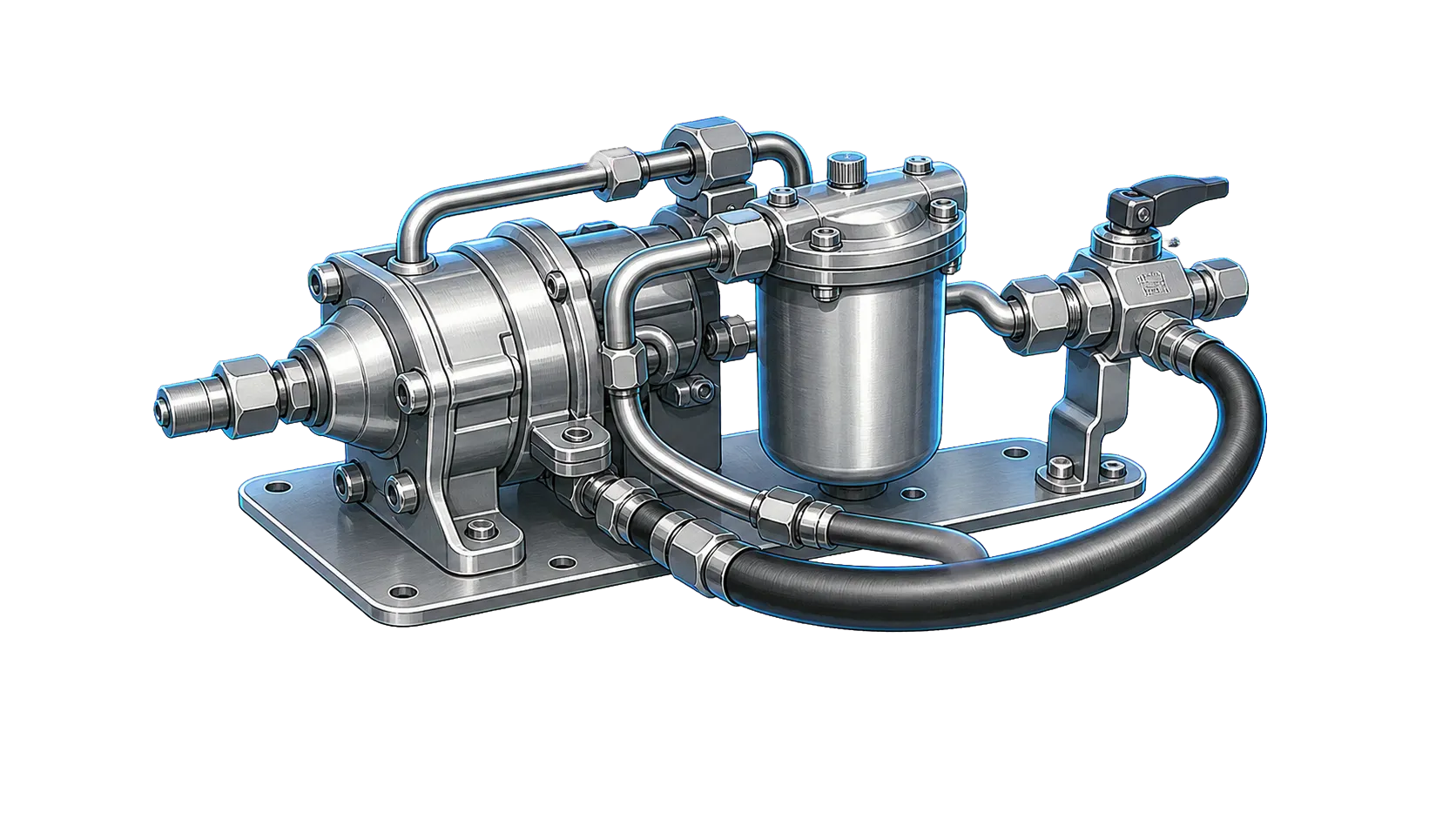
A. Remove the valve actuating lever roll pin P/N 7553S-8 from actuating lever. (Be careful to remove any burrs in the stem area around the roll pin hole before removing the valve stem P/N 7553S-1 from the bonnet P/N 7553-5). Replace the "O" ring stem seal with a new Rego "O" ring P/N 1421-7. Lubricate the new "O" ring with a suitable lubricant before reassembly.

B. Check the torque of the valve seat retaining screw to 10 in-lbs. If it turns, the screw must be removed and reinstalled using MIL-S 22473 high strength thread locking compound or equivalent.

CAUTION. Do not permit the thread locking compound to adhere to the valve rubber seating surface.

C. Reinstall valve actuating lever on the valve body with roll pin 7553S-8. Install a number six machine screw and stop nut or a 3/32 inch stainless steel cotter pin through the hole in the roll pin holding the actuating handle to the valve body and secure.

D. Appropriate maintenance records must be kept in accordance with FAR 91.173.

Prior to further flight, unless already accomplished, incorporate the following in the FAA Approved Balloon Flight Manual, limitations section: WARNING: Water contamination can cause serious fuel system malfunctions. Never leave tanks or hoses open to the air. Never fill from a tank which has been used for vapor withdrawal. To prevent the effects of water contamination, add one half cup methanol (methyl alcohol) per ten gallons capacity to each fuel tank at intervals not exceeding twelve calendar months.

This amendment is effective April 28, 1975, for all persons except those to whom it was made effective by airmail letter, dated April 4, 1975, which contained this amendment.

FOOTER:
Document Text
Show stored source text (verify against official source)
AD Final Rules - DRS_75-09-14.html
Copy URL
Print/Save as PDF
Document Versions
 Feedback
Details
AD Number:
75-09-14
Document Type:
AD Final Rules
Docket Number:
Unknown
Subject Heading:
Airworthiness Directives; Piccard Balloons Hot Air Balloon Model AX-6
Subject:
Fuel System Failure or Fire
Status:
Current
Citation:
This information is not available.
Citation Publish Date:
Effective Date:
04/28/1975
Make:
Sundance Balloons (US)
Model:
AX-6
Product Type:
Aircraft
Product Subtype:
Balloon
Affected AD:
Superseded AD:
Affected By:
Superseded By:
Service/Office:
Office of Primary Responsibility:
CFR Part Reference:
Part 39
Comments:
AIRWORTHINESS DIRECTIVES FINAL RULES: 75-09-14
CITATION:   This information is not available.

PAGE NUMBER:

DOCKET NUMBER:   Unknown

AMENDMENT:   39-2185

AD NUMBER:   75-09-14

SUBJECT HEADING:   Airworthiness Directives; Piccard Balloons Hot Air Balloon Model AX-6

ACTION:

SUMMARY:

DATES:   Effective April 28, 1975.

ADDRESSES:

FOR FURTHER INFORMATION CONTACT:

SUPPLEMENTARY INFORMATION:

REGULATORY TEXT:
75-09-14 DON PICCARD BALLOONS: Amendment 39-2185. Applies to Piccard Hot Air Balloon Model AX-6 certificated in all categories, incorporating Rego Blast Valves, P/N 7553S Series.

To prevent fuel system failure or an inflight fire, prior to further flight unless previously accomplished within one year prior to the effective date of this AD, and thereafter at intervals not to exceed the annual inspection or 100 hours time in service, whichever occurs earlier, accomplish the following:

A. Remove the valve actuating lever roll pin P/N 7553S-8 from actuating lever. (Be careful to remove any burrs in the stem area around the roll pin hole before removing the valve stem P/N 7553S-1 from the bonnet P/N 7553-5). Replace the "O" ring stem seal with a new Rego "O" ring P/N 1421-7. Lubricate the new "O" ring with a suitable lubricant before reassembly.

B. Check the torque of the valve seat retaining screw to 10 in-lbs. If it turns, the screw must be removed and reinstalled using MIL-S 22473 high strength thread locking compound or equivalent.

CAUTION. Do not permit the thread locking compound to adhere to the valve rubber seating surface.

C. Reinstall valve actuating lever on the valve body with roll pin 7553S-8. Install a number six machine screw and stop nut or a 3/32 inch stainless steel cotter pin through the hole in the roll pin holding the actuating handle to the valve body and secure.

D. Appropriate maintenance records must be kept in accordance with FAR 91.173.

Prior to further flight, unless already accomplished, incorporate the following in the FAA Approved Balloon Flight Manual, limitations section: WARNING: Water contamination can cause serious fuel system malfunctions. Never leave tanks or hoses open to the air. Never fill from a tank which has been used for vapor withdrawal. To prevent the effects of water contamination, add one half cup methanol (methyl alcohol) per ten gallons capacity to each fuel tank at intervals not exceeding twelve calendar months.

This amendment is effective April 28, 1975, for all persons except those to whom it was made effective by airmail letter, dated April 4, 1975, which contained this amendment.

FOOTER:
Source: Official FAA Source ↗
Retrieved: Apr 8, 2026
Rights: U.S. Government Public Domain
This site is not affiliated with or endorsed by the FAA. Always verify with official sources.
Related Airworthiness Directives
83-15-03
final ruleAirworthiness Directives; PICCARD Model AX-6 Balloons
Unsafe Condition: The propane jet orifice size may allow prolonged pilot light extinguishment after shutoff, potentially damaging the main fuel system modified per General Balloon Corporation Service Letter No. 8 or...
81-09-02
final ruleAirworthiness Directives; PICCARD BALLOON Model Ax-6 Series Balloon
Unsafe Condition: Inadvertent deflation panel opening in flight due to broken hook and pile (Velcro) or deterioration caused by heat in the synthetic fastener tape of the deflation panel system.