AD 2008-09-12 R1
Applicability
| Type | Manufacturer | Model | Details |
|---|---|---|---|
| aircraft | Bombardier Inc. | CL-600-2B19 (Regional Jet Series 100) | Airworthiness Directives; Bombardier, Inc. Model CL-600-2B19 (Regional Jet Series 100 & 440) Airplanes |
| aircraft | Bombardier Inc. | CL-600-2B19 (Regional Jet Series 440) | Airworthiness Directives; Bombardier, Inc. Model CL-600-2B19 (Regional Jet Series 100 & 440) Airplanes |
Unsafe Condition
Failure to preserve critical fuel tank system ignition source prevention features during configuration changes could result in a fuel tank explosion.
AI-generated summary from the source AD text. Verify against the official source before acting.
Required Actions
Revise the Airworthiness Limitations Section (ALS) of the Instructions for Continued Airworthiness to include critical design configuration control limitations (CDCCL) data to retain critical ignition source prevention features during alterations, repairs, or maintenance actions.
AI-generated summary from the source AD text. Verify against the official source before acting.
Compliance Time
before further flight
AI-generated summary from the source AD text. Verify against the official source before acting.
Affected Aircraft
Bombardier, Inc. Model CL-600-2B19 (Regional Jet Series 100 & 440) airplanes
AI-generated summary from the source AD text. Verify against the official source before acting.
Federal Register Abstract
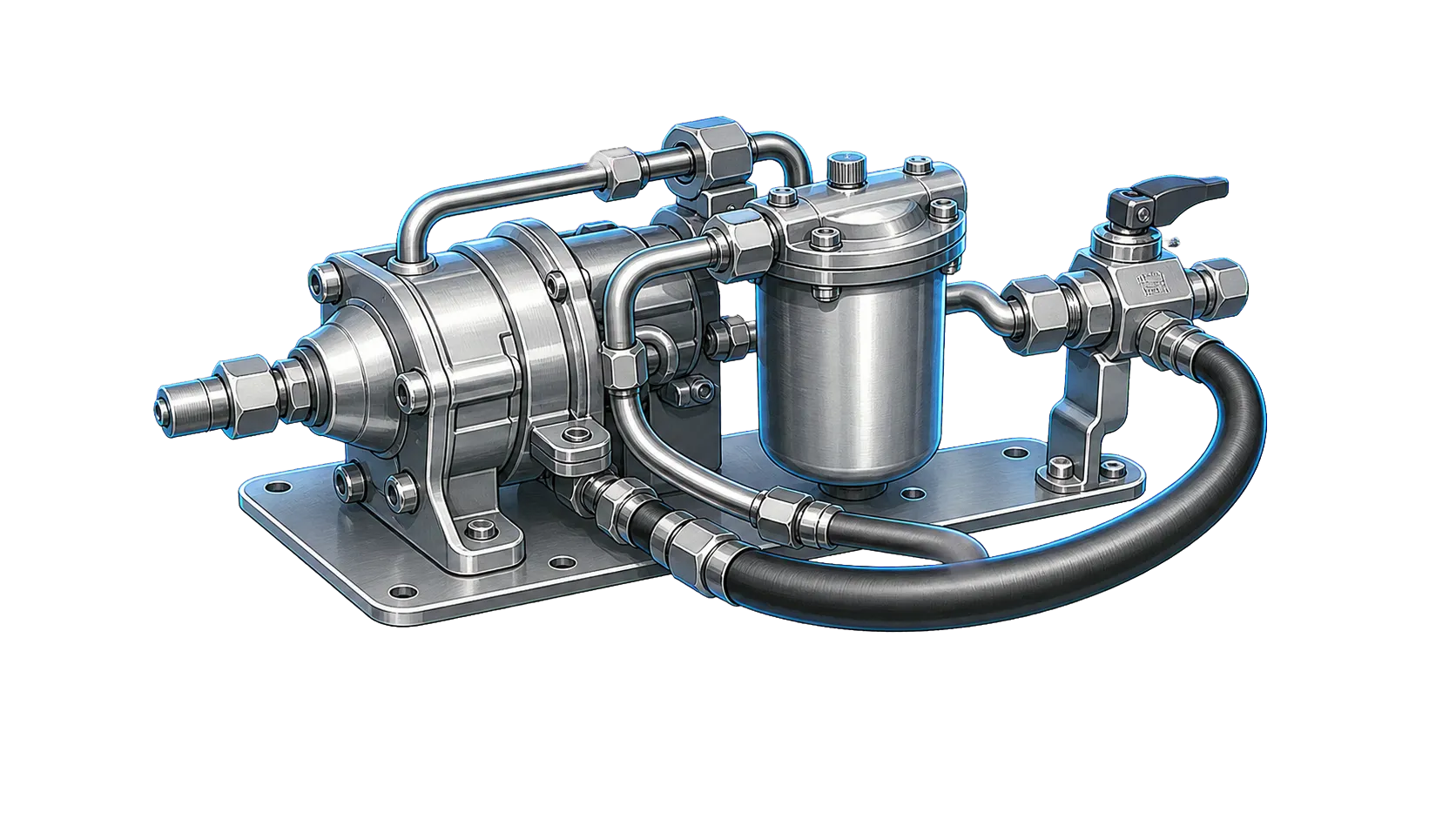
Fuel
Applicability Source Text
Show captured applicability text from the source AD
AD Final Rules - 2008-09-12 R1.pdf Copy URL Document Versions Feedback DetailsAttachments/Public Comments AD Number: 2008-09-12 R1 Document Type: AD Final Rules Docket Number: FAA-2009-1196 Subject Heading: Airworthiness Directives; Bombardier, Inc. Model CL-600-2B19 (Regional Jet Series 100 & 440) Airplanes Subject: Fuel Status: Current Citation: Federal Register: December 23, 2009 Citation Publish Date: 12/23/2009 Effective Date: 01/07/2010 Make: Bombardier Inc. Model: CL-600-2B19 (Regional Jet Series 100) | CL-600-2B19 (Regional Jet Series 440) Product Type: Aircraft Product Subtype: Large Airplane Affected AD: Superseded AD: 2008-09-12 Affected By: Superseded By: Service/Office: Office of Primary Responsibility: CFR Part Reference: Part 39 Comments: Automatic Zoom Actual Size Page Fit Page Width 50% 75% 100% 125% 150% 200% 300% 400% 125% of 8 1 [Federal Register: December 23, 2009 (Volume 74, Number 245)] [Rules and Regulations] [Page 68132-68135] From the Federal Register Online via GPO Access [wais.access.gpo.gov] [DOCID:fr23de09-2] –––––––––––––––––––––––––––––––––– DEPARTMENT OF TRANSPORTATION Federal Aviation Administration 14 CFR Part 39 [Docket No. FAA-2009-1196; Directorate Identifier 2009-NM-170-AD; Amendment 39-16146; AD 2008-09-12 R1] RIN 2120-AA64 Airworthiness Directives; Bombardier, Inc. Model CL-600-2B19 (Regional Jet Series 100 & 440) Airplanes AGENCY: Federal Aviation Administration (FAA), Department of Transportation (DOT). ACTION: Final rule; request for comments. –––––––––––––––––––––––––––––––––– SUMMARY: We are adopting a new airworthiness directive (AD) for the products listed above that would revise an existing AD. This AD results from mandatory continuing airworthiness information (MCAI) originated by an aviation authority of another country to identify and correct an unsafe condition on an aviation product. The MCAI describes the unsafe condition as: Bombardier Aerospace has completed a system safety review of the aircraft fuel system against fuel tank safety standards introduced in Chapter 525 of the Airworthiness Manual through Notice of Proposed Amendment (NPA) 2002-043. The identified non- compliances were then assessed using Transport Canada Policy Letter No. 525-001, to determine if mandatory corrective action is required. The assessment showed that it is necessary to introduce Critical Design Configuration Control Limitations (CDCCL), in order to preserve critical fuel tank system ignition source prevention features during configuration changes such as modifications and repairs, or during maintenance actions. Failure to preserve critical fuel tank system ignition source prevention features could result in a fuel tank explosion. * * * This AD requires actions that are intended to address the unsafe condition described in the MCAI. DATES: This AD becomes effective January 7, 2010. On June 6, 2008 (73 FR 24147, May 2, 2008), the Director of the Federal Register approved the incorporation by reference of a certain publication listed in the AD. We must receive comments on this AD by February 8, 2010. 2 ADDRESSES: You may send comments by any of the following methods: • Federal eRulemaking Portal: Go to http://www.regulations.gov. Follow the instructions for submitting comments. • Fax: (202) 493-2251. • Mail: U.S. Department of Transportation, Docket Operations, M-30, West Building Ground Floor, Room W12-140, 1200 New Jersey Avenue SE., Washington, DC 20590. • Hand Delivery: U.S. Department of Transportation, Docket Operations, M-30, West Building Ground Floor, Room W12-40, 1200 New Jersey Avenue, SE., Washington, DC, between 9 a.m. and 5 p.m., Monday through Friday, except Federal holidays. For service information identified in this AD, contact Bombardier, Inc., 400 Côte Vertu Road West, Dorval, Québec H4S 1Y9, Canada; telephone 514-855-5000; fax 514-855-7401; e-mail thd.crj@aero.bombardier.com; Internet http://www.bombardier.com. Examining the AD Docket You may examine the AD docket on the Internet at http://www.regulations.gov; or in person at the Docket Operations office between 9 a.m. and 5 p.m., Monday through Friday, except Federal holidays. The AD docket contains this AD, the regulatory evaluation, any comments received, and other information. The street address for the Docket Operations office (telephone (800) 647-5527) is in the ADDRESSES section. Comments will be available in the AD docket shortly after receipt. FOR FURTHER INFORMATION CONTACT: James Delisio, Aerospace Engineer, Airframe and Propulsion Branch, ANE-171, FAA, New York Aircraft Certification Office, 1600 Stewart Avenue, Suite 410, Westbury, New York 11590; telephone (516) 228-7321; fax (516) 794-5531. SUPPLEMENTARY INFORMATION: Discussion On April 18, 2008, we issued AD 2008-09-12, Amendment 39-15493 (73 FR 24147, May 2, 2008). That AD applied to all Model CL-600-2B19 (Regional Jet Series 100 & 440) airplanes. That AD required revising the Airworthiness Limitations Section (ALS) of the Instructions for Continued Airworthiness to include the critical design configuration control limitations (CDCCL) data. CDCCLs are limitation requirements to preserve a critical ignition source prevention feature of the fuel tank system design that is necessary to prevent the occurrence of an unsafe condition. The purpose of a CDCCL is to provide instruction to retain the critical ignition source prevention feature during configuration change that may be caused by alterations, repairs, or maintenance actions. A CDCCL is not a periodic inspection. Since we issued that AD, we have determined that it is necessary to clarify the AD's intended effect on spare and on-airplane fuel tank system components, regarding the use of maintenance manuals and instructions for continued airworthiness. Section 91.403(c) of the Federal Aviation Regulations (14 CFR 91.403(c)) specifies the following: No person may operate an aircraft for which a manufacturer's maintenance manual or instructions for continued airworthiness has been issued that contains an airworthiness limitation section unless the mandatory * * * procedures * * * have been complied with. Some operators have questioned whether existing components affected by the new CDCCLs must be reworked. We did not intend for the AD to retroactively require rework of components that had been maintained using acceptable methods before the effective date of the AD. Owners and operators of the affected airplanes therefore are not required to rework affected components identified as
Document Text
Show stored source text (verify against official source)
AD Final Rules - 2008-09-12 R1.pdf Copy URL Document Versions Feedback DetailsAttachments/Public Comments AD Number: 2008-09-12 R1 Document Type: AD Final Rules Docket Number: FAA-2009-1196 Subject Heading: Airworthiness Directives; Bombardier, Inc. Model CL-600-2B19 (Regional Jet Series 100 & 440) Airplanes Subject: Fuel Status: Current Citation: Federal Register: December 23, 2009 Citation Publish Date: 12/23/2009 Effective Date: 01/07/2010 Make: Bombardier Inc. Model: CL-600-2B19 (Regional Jet Series 100) | CL-600-2B19 (Regional Jet Series 440) Product Type: Aircraft Product Subtype: Large Airplane Affected AD: Superseded AD: 2008-09-12 Affected By: Superseded By: Service/Office: Office of Primary Responsibility: CFR Part Reference: Part 39 Comments: Automatic Zoom Actual Size Page Fit Page Width 50% 75% 100% 125% 150% 200% 300% 400% 125% of 8 1 [Federal Register: December 23, 2009 (Volume 74, Number 245)] [Rules and Regulations] [Page 68132-68135] From the Federal Register Online via GPO Access [wais.access.gpo.gov] [DOCID:fr23de09-2] –––––––––––––––––––––––––––––––––– DEPARTMENT OF TRANSPORTATION Federal Aviation Administration 14 CFR Part 39 [Docket No. FAA-2009-1196; Directorate Identifier 2009-NM-170-AD; Amendment 39-16146; AD 2008-09-12 R1] RIN 2120-AA64 Airworthiness Directives; Bombardier, Inc. Model CL-600-2B19 (Regional Jet Series 100 & 440) Airplanes AGENCY: Federal Aviation Administration (FAA), Department of Transportation (DOT). ACTION: Final rule; request for comments. –––––––––––––––––––––––––––––––––– SUMMARY: We are adopting a new airworthiness directive (AD) for the products listed above that would revise an existing AD. This AD results from mandatory continuing airworthiness information (MCAI) originated by an aviation authority of another country to identify and correct an unsafe condition on an aviation product. The MCAI describes the unsafe condition as: Bombardier Aerospace has completed a system safety review of the aircraft fuel system against fuel tank safety standards introduced in Chapter 525 of the Airworthiness Manual through Notice of Proposed Amendment (NPA) 2002-043. The identified non- compliances were then assessed using Transport Canada Policy Letter No. 525-001, to determine if mandatory corrective action is required. The assessment showed that it is necessary to introduce Critical Design Configuration Control Limitations (CDCCL), in order to preserve critical fuel tank system ignition source prevention features during configuration changes such as modifications and repairs, or during maintenance actions. Failure to preserve critical fuel tank system ignition source prevention features could result in a fuel tank explosion. * * * This AD requires actions that are intended to address the unsafe condition described in the MCAI. DATES: This AD becomes effective January 7, 2010. On June 6, 2008 (73 FR 24147, May 2, 2008), the Director of the Federal Register approved the incorporation by reference of a certain publication listed in the AD. We must receive comments on this AD by February 8, 2010. 2 ADDRESSES: You may send comments by any of the following methods: • Federal eRulemaking Portal: Go to http://www.regulations.gov. Follow the instructions for submitting comments. • Fax: (202) 493-2251. • Mail: U.S. Department of Transportation, Docket Operations, M-30, West Building Ground Floor, Room W12-140, 1200 New Jersey Avenue SE., Washington, DC 20590. • Hand Delivery: U.S. Department of Transportation, Docket Operations, M-30, West Building Ground Floor, Room W12-40, 1200 New Jersey Avenue, SE., Washington, DC, between 9 a.m. and 5 p.m., Monday through Friday, except Federal holidays. For service information identified in this AD, contact Bombardier, Inc., 400 Côte Vertu Road West, Dorval, Québec H4S 1Y9, Canada; telephone 514-855-5000; fax 514-855-7401; e-mail thd.crj@aero.bombardier.com; Internet http://www.bombardier.com. Examining the AD Docket You may examine the AD docket on the Internet at http://www.regulations.gov; or in person at the Docket Operations office between 9 a.m. and 5 p.m., Monday through Friday, except Federal holidays. The AD docket contains this AD, the regulatory evaluation, any comments received, and other information. The street address for the Docket Operations office (telephone (800) 647-5527) is in the ADDRESSES section. Comments will be available in the AD docket shortly after receipt. FOR FURTHER INFORMATION CONTACT: James Delisio, Aerospace Engineer, Airframe and Propulsion Branch, ANE-171, FAA, New York Aircraft Certification Office, 1600 Stewart Avenue, Suite 410, Westbury, New York 11590; telephone (516) 228-7321; fax (516) 794-5531. SUPPLEMENTARY INFORMATION: Discussion On April 18, 2008, we issued AD 2008-09-12, Amendment 39-15493 (73 FR 24147, May 2, 2008). That AD applied to all Model CL-600-2B19 (Regional Jet Series 100 & 440) airplanes. That AD required revising the Airworthiness Limitations Section (ALS) of the Instructions for Continued Airworthiness to include the critical design configuration control limitations (CDCCL) data. CDCCLs are limitation requirements to preserve a critical ignition source prevention feature of the fuel tank system design that is necessary to prevent the occurrence of an unsafe condition. The purpose of a CDCCL is to provide instruction to retain the critical ignition source prevention feature during configuration change that may be caused by alterations, repairs, or maintenance actions. A CDCCL is not a periodic inspection. Since we issued that AD, we have determined that it is necessary to clarify the AD's intended effect on spare and on-airplane fuel tank system components, regarding the use of maintenance manuals and instructions for continued airworthiness. Section 91.403(c) of the Federal Aviation Regulations (14 CFR 91.403(c)) specifies the following: No person may operate an aircraft for which a manufacturer's maintenance manual or instructions for continued airworthiness has been issued that contains an airworthiness limitation section unless the mandatory * * * procedures * * * have been complied with. Some operators have questioned whether existing components affected by the new CDCCLs must be reworked. We did not intend for the AD to retroactively require rework of components that had been maintained using acceptable methods before the effective date of the AD. Owners and operators of the affected airplanes therefore are not required to rework affected components identified as
Source: Official FAA Source ↗
Retrieved: Apr 8, 2026
Rights: U.S. Government Public Domain
This site is not affiliated with or endorsed by the FAA. Always verify with official sources.
Related Airworthiness Directives
2023-10-02
final ruleAirworthiness Directives; Transport and Commuter Category Airplanes
Unsafe Condition: Radio altimeter anomalies that are undetected by the automation or pilot, particularly close to the ground (e.g., landing flare), could lead to loss of continued safe flight and landing. Additional...
2020-08-13
final ruleAirworthiness Directives; Bombardier, Inc. Airplanes
Unsafe Condition: Fractures of the rudder primary feel unit shaft, which could result in a loss of feel in the yaw axis and thereby impact the controllability of the airplane.

2020-03-23
final ruleAirworthiness Directives; Bombardier, Inc., Airplanes
Unsafe Condition: damage to the insulation sleeve of the generator power cables that can potentially cause a short circuit, arcing, and a malfunction of one or both main generators.
2020-03-17 Recurring
final ruleAirworthiness Directives; Bombardier, Inc., Airplanes
Unsafe Condition: damaged or detached window louver panel assemblies (WLPAs) and blowout panels (BOPs), which could delay smoke detection in the cargo compartment in the event of a fire and result in an uncontrolled...