The Boeing Company 707-100B Short Body Airworthiness Directives

Browse ADs indexed for this model. Applicability depends on your aircraft configuration.

Check your aircraft configuration

2004-22-24

final rule

Airworthiness Directives; Boeing Model 707 and 720 Series Airplanes

Unsafe Condition: Corrosion and stress corrosion cracking of the upper and lower spar chords on the front and rear spars of the wing, which could result in reduced structural integrity of the wing.
Effective: Dec 14, 2004 Category: aircraft Compliance: Within 30 days for initial detailed inspection; within 6 months for detailed and HFEC inspections...

2004-20-02

final rule

Airworthiness Directives; Boeing Model 707 and 720 Series Airplanes

Unsafe Condition: Stress corrosion cracking of the bolts and wearing of the joint between the lock support fitting and the support link, which could lead to failure of the joint and could cause the collapse of the m...

Effective: Nov 4, 2004 Category: aircraft Compliance: Within 12 months or 1,000 flight cycles after the effective date, whichever comes first.
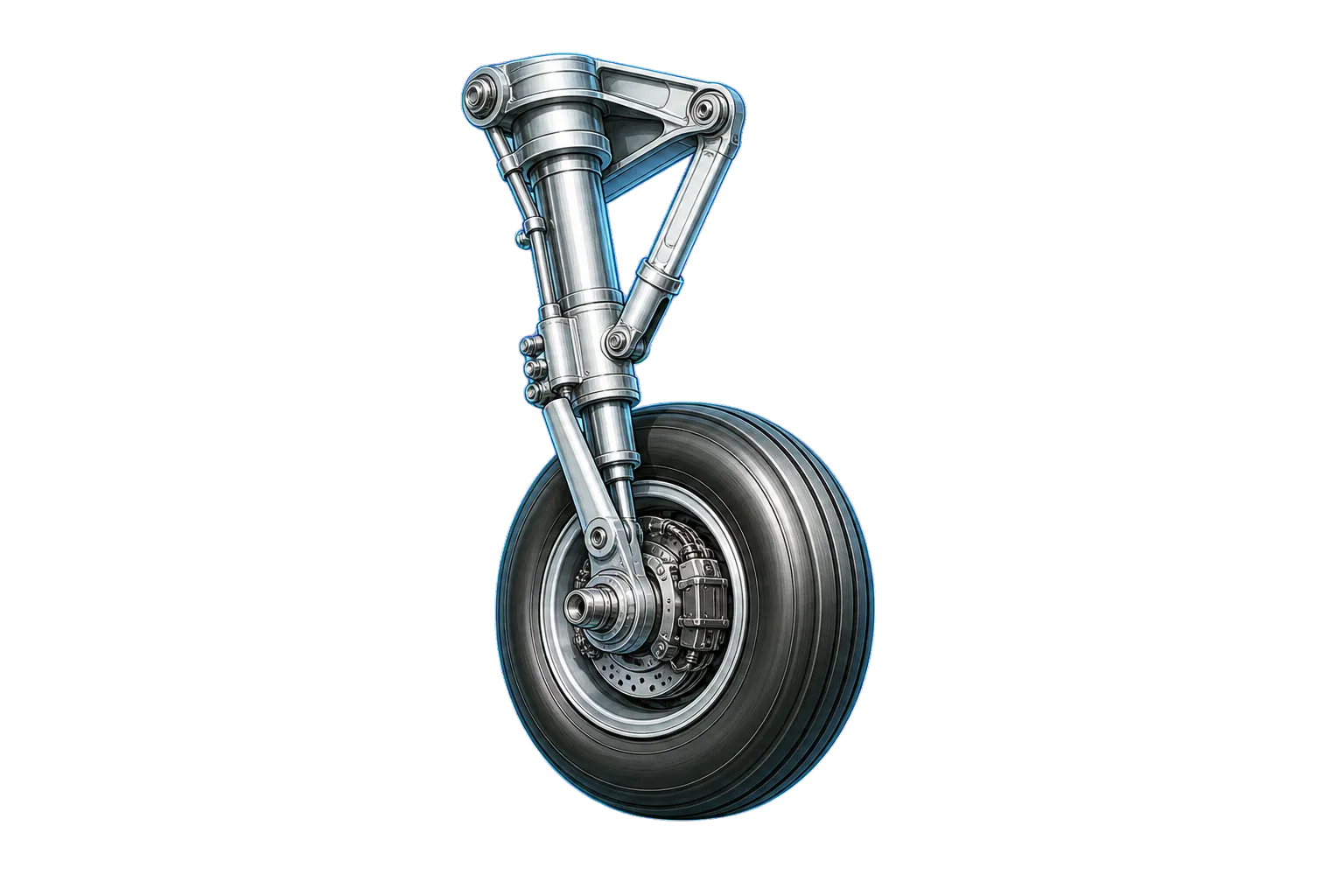
Technical illustration of an aircraft landing gear and wheel assembly
Problem area Landing gear

2004-07-06 Recurring

final rule

Airworthiness Directives; Boeing Model 707 and 720 Series Airplanes

Unsafe Condition: Cracking and/or loss of the barrel nuts and bolts that retain the aft trunnion support fitting, which could result in the collapse of the main landing gear upon landing.

Effective: May 11, 2004 Category: aircraft Compliance: Not specified in the provided text.
Technical illustration of an aircraft landing gear and wheel assembly
Problem area Landing gear

2004-05-14

final rule

Airworthiness Directives; Boeing Model 707 and 720 Series Airplanes

Unsafe Condition: Separation of the engine from the airplane due to stress corrosion cracking and consequent fracturing of the bolts forward of the wing front spar upper chord on the overwing support fittings of the...

Effective: Apr 14, 2004 Category: engine Compliance: Before further flight.
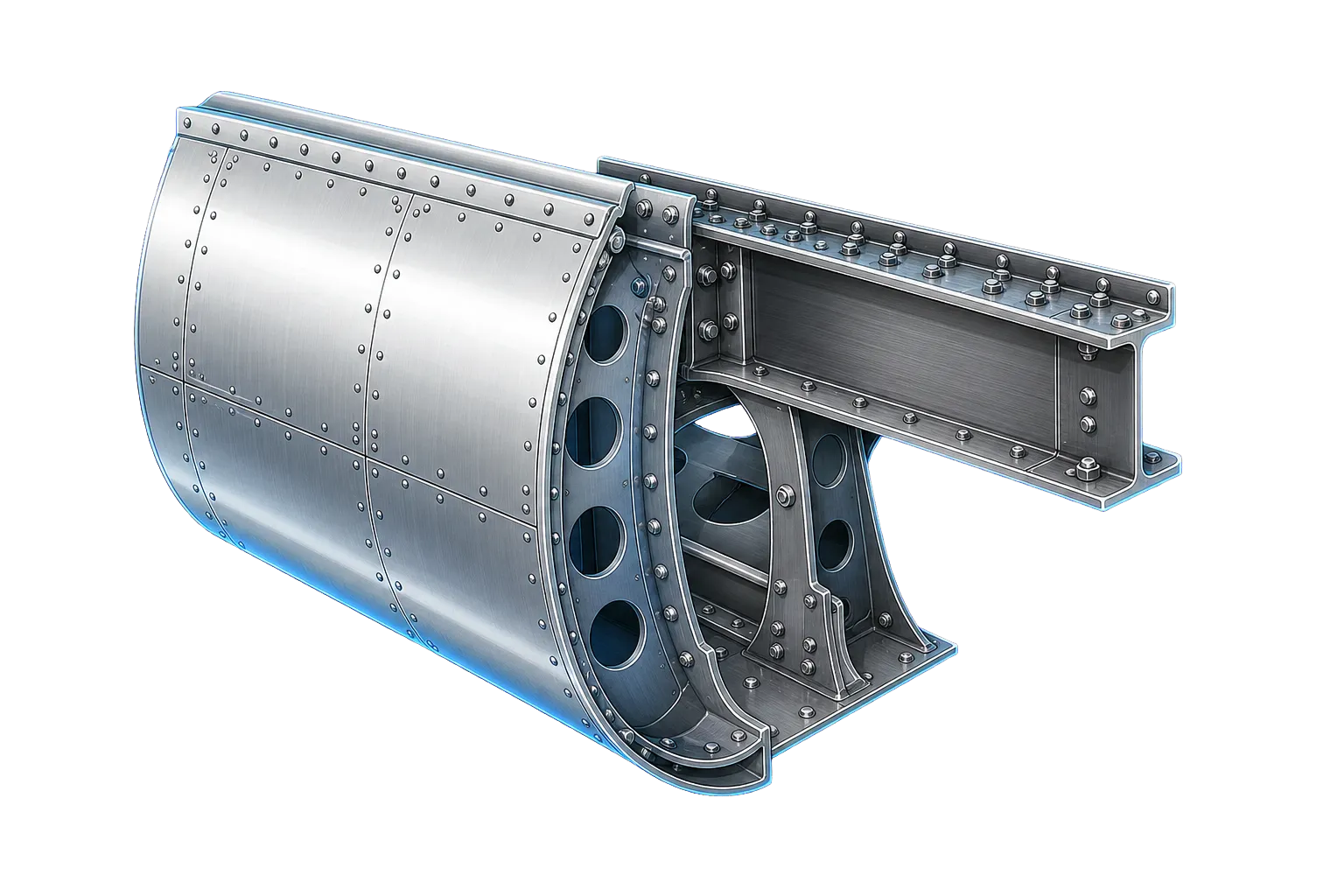
Technical illustration of a riveted aircraft structural panel and frame
Problem area Airframe structure

2003-03-15 R1

final rule

Airworthiness Directives; Various Boeing and McDonnell Douglas Transport Category Airplanes

Unsafe Condition: Incapacitation of the flightcrew due to lack of oxygen could result in loss of control of the airplane.

Effective: Dec 22, 2003 Category: aircraft Compliance: Effective December 22, 2003.

2002-02-02

final rule

Airworthiness Directives; Boeing Model 707 and 720 Series Airplanes

Unsafe Condition: Cracking in the frame and adjacent structure near the attach bolt of the main landing gear uplock mechanism, which could lead to compromised structural integrity.

Effective: Mar 11, 2002 Category: aircraft Compliance: Before further flight.
Technical illustration of an aircraft landing gear and wheel assembly
Problem area Landing gear

2001-03-13

final rule

Airworthiness Directives; Boeing Model 707 Series Airplanes

Unsafe Condition: Cracking of the upper skin of the wing, which could result in reduced structural integrity of the wing.
Effective: Mar 22, 2001 Category: aircraft Compliance: Within 24 months after the effective date of this AD, or prior to the accumulation of 20,000 tota...

2000-24-06 Recurring

final rule

Airworthiness Directives; Boeing Model 707, 727C, and 727-100C Series Airplanes

Unsafe Condition: Cracking and/or tearing of the main cargo door outer skin, leading to failure of the door frame and potential rapid decompression of the airplane.

Effective: Jan 8, 2001 Category: aircraft Compliance: Within 12 months of the effective date (January 8, 2001).

2000-24-20 Recurring

final rule

Airworthiness Directives; Boeing Model 707 and 720 Series Airplanes

Unsafe Condition: Fatigue cracking of certain stringers and around certain fastener holes of the lower skin of the wings, which could result in damage to adjacent structure and consequent reduced structural integrit...

Effective: Jan 8, 2001 Category: aircraft Compliance: Within 500 flight cycles for Model 720 series airplanes, and within 150 flight cycles after the e...

99-04-10

final rule

Airworthiness Directives; Transport Category Airplanes Equipped with Day-Ray Products, Inc., Fluorescent Light Ballasts

Unsafe Condition: Failure of the fluorescent light ballasts installed in the cabin sidewall can emit smoke, fumes, and/or electrical fire in the baggage bin of the aft passenger compartment.

Effective: Mar 18, 1999 Category: aircraft Compliance: 12 months after the effective date of this AD (March 18, 1999).

95-17-01

final rule

Airworthiness Directives; Boeing Model 707 and 720 Series Airplanes

Unsafe Condition: Fatigue cracking and subsequent failure of the upper forward skin panels of the wing center section.

Effective: Sep 13, 1995 Category: aircraft Compliance: Required as indicated, unless accomplished previously.

94-10-06

final rule

Airworthiness Directives; Boeing Model 707/720 Series Airplanes

Unsafe Condition: Fatigue cracking and corrosion in structural components of older Boeing Model 707/720 series airplanes that are approaching or have exceeded their economic design service goal.

Effective: Jun 20, 1994 Category: aircraft Compliance: The later of (1) the threshold inspection time based on accumulated flight cycles or time-in-serv...

93-11-02

final rule

Airworthiness Directives; BOEING Model 707 and 720 Series Airplanes

Unsafe Condition: Separation of an inboard engine from an airplane due to cracks in the midspar fittings.

Effective: Jul 6, 1993 Category: aircraft Compliance: At the later of prior to 12,000 flight hours or within specified flight hours/cycles after Octobe...

93-05-17

final rule

Airworthiness Directives; BOEING Model 707/720, 727, and 737 Series Airplanes

Unsafe Condition: Failure of the control window post can lead to structural failure and loss of control.

Effective: May 5, 1993 Category: aircraft

93-07-15

final rule

Airworthiness Directives; BOEING AND MCDONNELL DOUGLAS Models 707, 727, 737, 747, and 757 and McDonnell Douglas Models DC-8, DC-9, and DC-10 Series Airplanes;

Unsafe Condition: The unsafe condition involves a main deck Class B cargo compartment fire hazard due to insufficient fire protection systems and equipment, which could compromise the ability to detect, control, or ...

Effective: May 2, 1993 Category: aircraft Compliance: Within one year after May 3, 1990, or prior to carrying cargo in a Class B cargo compartment, whi...

92-10-10

final rule

Airworthiness Directives; BOEING Model 707 and 720 Series Airplanes

Unsafe Condition: Loss of main landing gear braking effectiveness due to main landing gear brakes exceeding maximum wear limits.

Effective: Jul 2, 1992 Category: aircraft Compliance: Within 180 days after the effective date of this AD (July 2, 1992)
Technical illustration of an aircraft landing gear and wheel assembly
Problem area Landing gear

91-22-04

final rule

Airworthiness Directives; BOEING Model 707/720 Series Airplanes

Unsafe Condition: Inadvertent opening of the main cargo door due to improper engagement of the latching cams and wear of the mating surfaces of the pressure relief door hinge fittings and latch cams.

Effective: Nov 29, 1991 Category: aircraft Compliance: Within the next 30 days after the effective date of this AD, within the next 18 months after the ...

91-07-19

final rule

Airworthiness Directives; BOEING Model 707/720 Series Airplanes

Unsafe Condition: Structural failure due to aging airplane structural issues requiring modifications listed in Boeing Document D6-54996, Revision B.

Effective: Apr 29, 1991 Category: aircraft Compliance: Prior to reaching the incorporation thresholds listed in the Boeing Document or within the next 4...

90-25-07

final rule

Airworthiness Directives; BOEING Model 707/720 Series Airplanes

Unsafe Condition: Corrosion in Model 707/720 series airplanes could lead to structural failure if not controlled through an approved corrosion prevention and control program.

Effective: Dec 31, 1990 Category: aircraft Compliance: Within one year after the effective date of this AD

85-12-01 R1

final rule

BOEING Model 707/720 Series Airplanes

Unsafe Condition: Cracks in Significant Structural Details (SSD) listed in Boeing Document D6-44860, Revision M, could lead to structural failure.

Effective: Nov 14, 1986 Category: aircraft Compliance: Within 180 days after the effective date of the amendment or prior to reaching the threshold, whi...

83-24-03

final rule

BOEING Model 707 and 720 Series Aircraft

Unsafe Condition: Cracks or corrosion in lower rudder tab control rod assemblies that have been in service more than 5 years.

Effective: Jan 3, 1984 Category: aircraft Compliance: Within 120 days after the effective date of this AD, unless already accomplished within the last ...
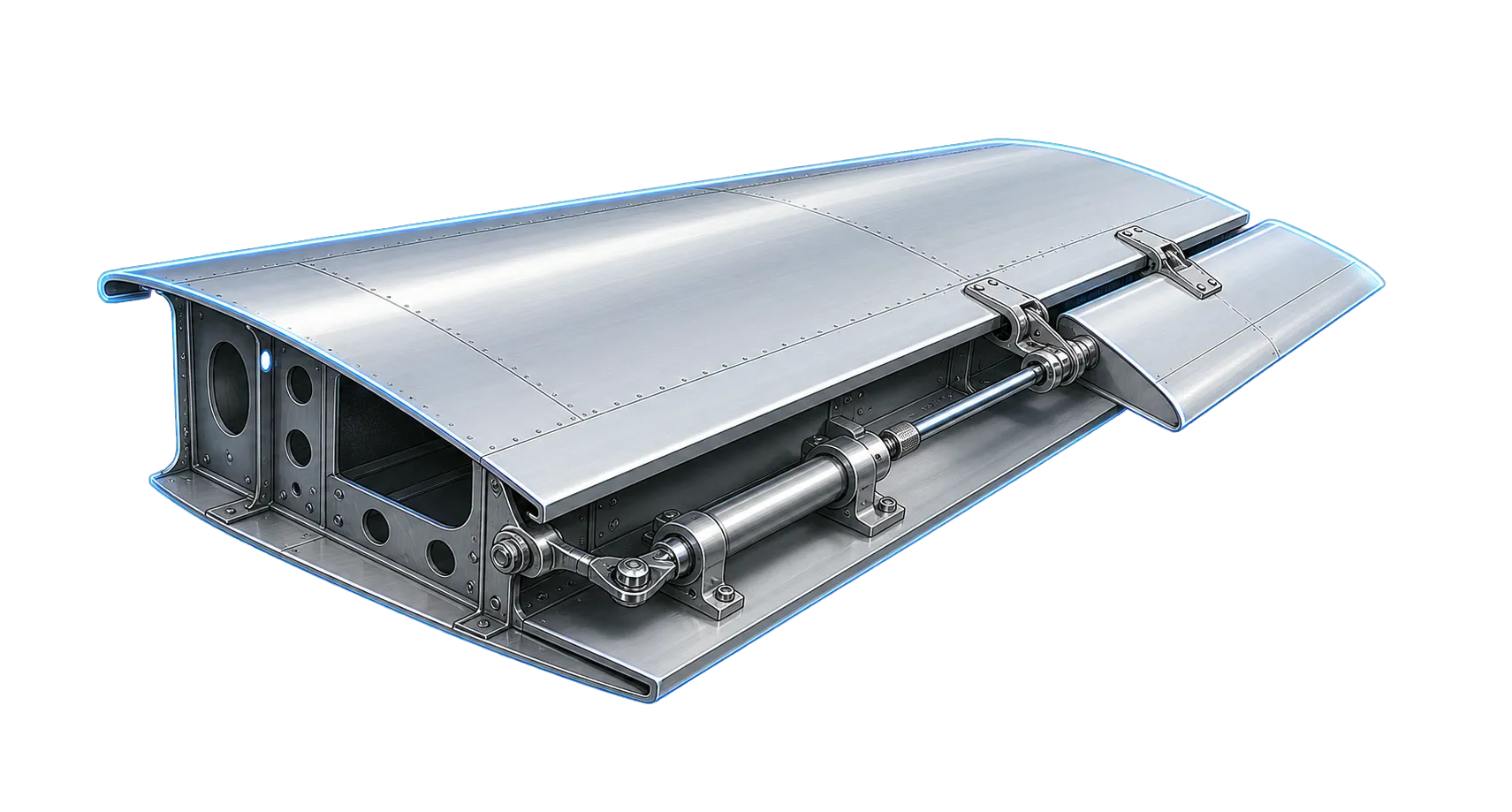
Technical illustration of an aircraft flight control surface and actuator
Problem area Flight controls

80-22-12 R2

final rule

BOEING Model 707, 720, 727, and 737 Series Airplanes

Unsafe Condition: Failure to provide a positive warning when the leading edge devices are not extended for takeoff could result in an unsafe condition.

Effective: Jun 21, 1983 Category: aircraft Compliance: On or before March 31, 1983, except for Model 727 and 737 series which may be delayed until Decem...

79-24-04 R1

final rule

BOEING Model 707-100, 707-100B, 707-200, and 720, 720B Series Airplanes

Unsafe Condition: Cracks in the horizontal stabilizer center section rear spar upper chord.

Effective: Apr 4, 1983 Category: aircraft Compliance: Within the next number of landings shown in Table I, if not already accomplished within the last ...

82-24-03

final rule

BOEING Model 707/720 Series Airplanes

Unsafe Condition: Cracks in the nacelle strut diagonal brace and associated fittings due to fatigue.

Effective: Nov 23, 1982 Category: aircraft Compliance: within 500 landings after the effective date

81-06-51 R1

final rule

BOEING Model 707/720 Series Airplanes

Unsafe Condition: Cracks in the outboard wing could lead to structural failure.

Effective: Sep 30, 1982 Category: aircraft Compliance: within the next 75 hours time-in-service unless accomplished since January 1, 1980