2009-22-08
final ruleAirworthiness Directives; Boeing Model 747 Airplanes; and Boeing Model 757-200, -200PF, and -300 Series Airplanes
Unsafe Condition: Problems associated with the uncommanded operation of cargo doors.
Browse ADs indexed for this model. Applicability depends on your aircraft configuration.
Check your aircraft configuration
Airworthiness Directives; Boeing Model 747 Airplanes; and Boeing Model 757-200, -200PF, and -300 Series Airplanes
Unsafe Condition: Problems associated with the uncommanded operation of cargo doors.
Airworthiness Directives; Boeing Model 747 Airplanes
Unsafe Condition: Wear damage and cracks in the fuselage skin at the interface area of the vertical stabilizer seal and fuselage skin in sections 46 and 48, which could cause in-flight depressurization of the airplane.
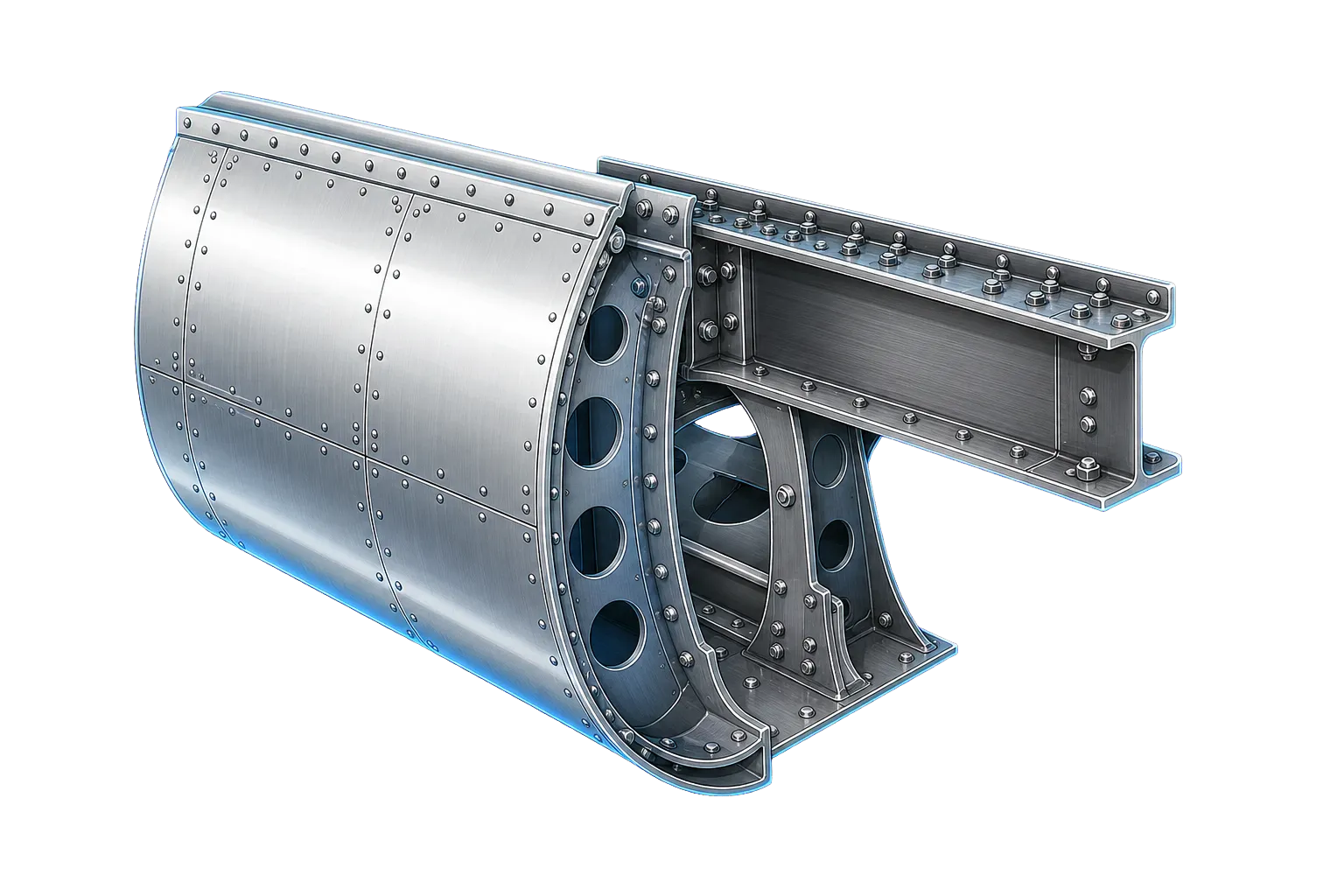
Airworthiness Directives; Boeing Model 747 Airplanes
Unsafe Condition: The specific failure mode is not stated in the AD. The directive focuses on correcting a typographical error in the compliance times for window inspections.
Airworthiness Directives; Boeing Model 747 Airplanes
Unsafe Condition: Sealant deteriorating on the outside of the center wing fuel tank, potentially caused by excess heat from leaking trim air diffuser ducts or sidewall riser duct assemblies (TADDs), which could lead...
Airworthiness Directives; Boeing Model 747 Airplanes
Unsafe Condition: Fatigue cracks in the top and side panel webs and stiffeners of the nose wheel well (NWW), which could compromise the structural integrity of the NWW and could lead to the rapid decompression of th...
Airworthiness Directives; Boeing Model 747 Airplanes
Unsafe Condition: Fatigue cracking of the BS 2598 bulkhead structure, which could result in inability of the structure to carry horizontal stabilizer flight loads, and loss of controllability of the airplane.
Airworthiness Directives; Boeing Model 747 Airplanes
Unsafe Condition: Reported 30- to 60-second delays in the inflation of escape slides/rafts, which could result in delayed or failed deployment during emergency evacuation.
Airworthiness Directives; Boeing Model 747 Series Airplanes
Unsafe Condition: Fatigue cracks in the top and side panel webs and stiffeners of the nose wheel well (NWW) could compromise the structural integrity of the NWW and lead to rapid decompression of the airplane.
Airworthiness Directives; Boeing Model 747 Series Airplanes
Unsafe Condition: Fatigue cracks in the top and side panel webs and stiffeners of the nose wheel well (NWW), which could compromise the structural integrity of the NWW and could lead to the rapid depressurization of...
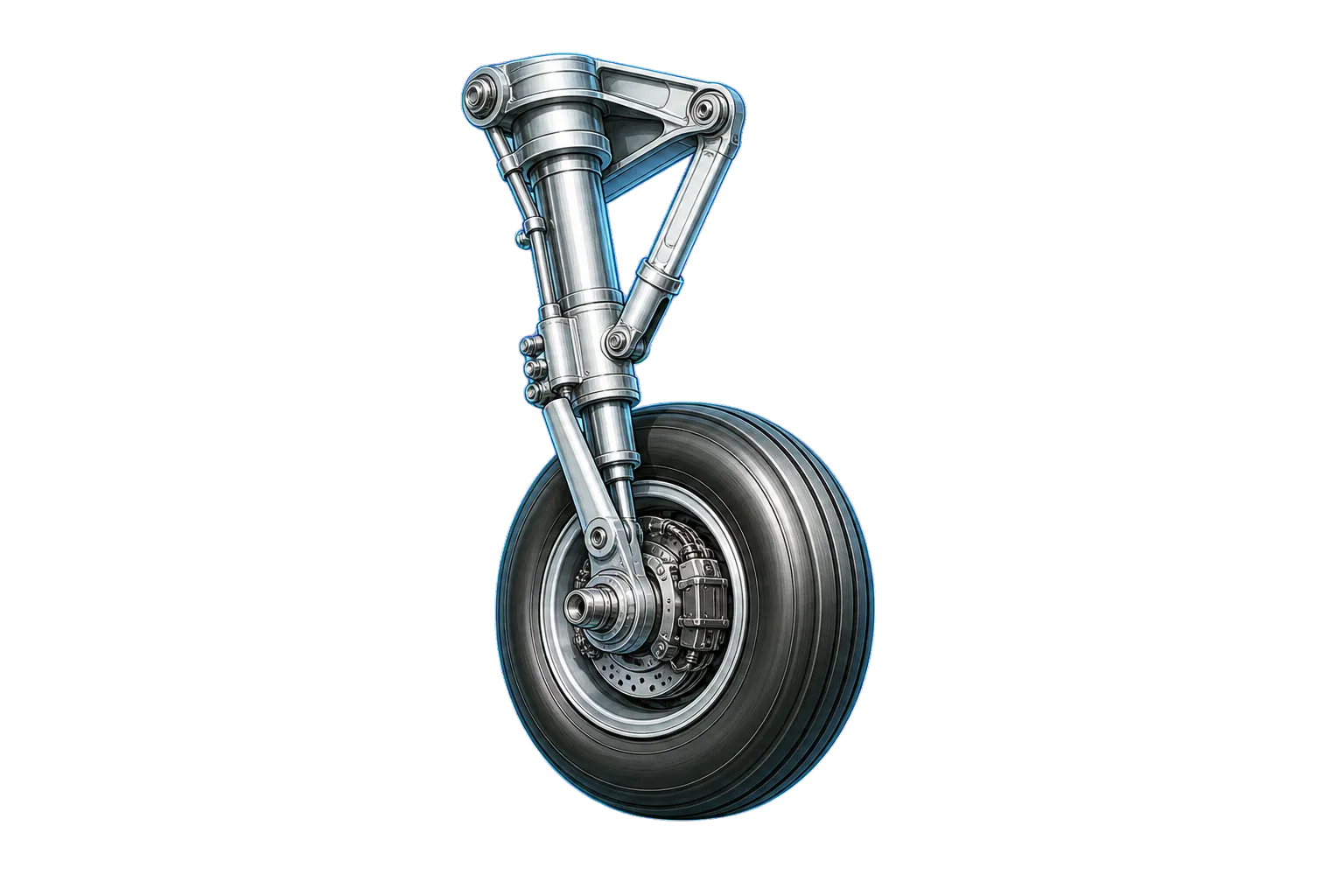
Airworthiness Directives; Boeing Model 747 Series Airplanes
Unsafe Condition: Fracture of the outer cylinder of the wing landing gear, which could result in collapse of the wing landing gear.
Airworthiness Directives; Boeing Model 747 Series Airplanes
Unsafe Condition: Propagation of fatigue cracks in the vicinity of 'oil cans' on the web of the aft pressure bulkhead, which could result in rapid decompression and overpressurization of the tail section, and conseq...
Airworthiness Directives; Boeing Model 747 Series Airplanes
Unsafe Condition: Overheating of the heater tape on potable water fill and drain lines may ignite accumulated debris or contaminants, resulting in a fire in the airplane.
Airworthiness Directives; Boeing Model 747 Series Airplanes
Unsafe Condition: This document corrects a typographical error that appeared in airworthiness directive (AD) 2004-07-22 that was published in the Federal Register on April 7, 2004 (69 FR 18250). The typographical er...
Airworthiness Directives; Boeing Model 747 Series Airplanes
Unsafe Condition: Failure of the body station 2598 bulkhead structure to carry flight loads of the horizontal stabilizer, which could result in loss of controllability of the airplane.
Airworthiness Directives; Boeing Model 747 Series Airplanes
Unsafe Condition: Cracking of the upper skin of the outboard and center sections of the horizontal stabilizer and the rear spar structure, hinge fittings, terminal fittings, and splice plates could lead to reduced s...
Airworthiness Directives; Boeing Model 747 Series Airplanes
Unsafe Condition: Wear damage at the interface between the vertical stabilizer and fuselage skin, leading to thinning and cracking of the fuselage skin, which could result in in-flight depressurization.
Airworthiness Directives; Boeing Model 747 Series Airplanes
Unsafe Condition: Fatigue cracking of the upper chord of the upper deck floor beams, leading to potential severance and loss of fuselage structural integrity.
Airworthiness Directives; Boeing Model 747 Series Airplanes
Unsafe Condition: Cracked or broken alloy steel bolts on the body station 1480 bulkhead splice could result in structural damage and rapid depressurization of the airplane.
Airworthiness Directives; Boeing Model 747 Series Airplanes
Unsafe Condition: Cracking of the upper skin of the horizontal stabilizer center section and the rear spar upper chord, which could lead to reduced structural capability and loss of controllability.
Airworthiness Directives; Boeing Model 747 Series Airplanes
Unsafe Condition: Fatigue cracking of the forward and aft inner chords, the frame support, and the splice fitting of the forward inner chord of the upper corner of the station 2598 bulkhead, which could result in re...
Airworthiness Directives; Boeing Model 747 Series Airplanes Powered By Pratt & Whitney JT9D-3 and -7 Series Engines
Unsafe Condition: Loose fasteners and associated damage to the hanger fittings and bulkhead of the forward engine mount, which could result in separation of the engine from the airplane.
Airworthiness Directives; Boeing Model 747 Series Airplanes
Unsafe Condition: Fatigue cracking of the bulkhead frame support at body station 2598 under the hinge support fittings of the horizontal stabilizer, which could result in inability of the structure to carry horizont...
Airworthiness Directives; Boeing Model 747 Series Airplanes
Unsafe Condition: Cracks on the lower bearing journal of the inboard actuator attach fittings of the outboard trailing edge flaps due to stress corrosion.
Airworthiness Directives; Boeing Model 747 Series Airplanes
Unsafe Condition: Inadequate run-on torque of the primary retention nut of the midspar fuse pins of the inboard and outboard struts could result in loss of secondary retention capability, migration of the fuse pins,...
Airworthiness Directives; Boeing Model 747, 757, 767 and 777 Series Airplanes
Unsafe Condition: Potential ignition of the moisture barrier cover of the drip shield, which could propagate a small fire from an otherwise harmless electrical arc, leading to a larger fire.