2026-05-02 Recurring
final ruleAirworthiness Directives; Airbus Helicopters
Unsafe Condition: Loss of the horizontal stabilizer during flight due to potential cracks, nicks, corrosion, or improper tightening torque.
Browse ADs indexed for this model. Applicability depends on your aircraft configuration.
Check your aircraft configuration
Airworthiness Directives; Airbus Helicopters
Unsafe Condition: Loss of the horizontal stabilizer during flight due to potential cracks, nicks, corrosion, or improper tightening torque.
Airworthiness Directives; Airbus Helicopters
Unsafe Condition: MGB suspension bar attachment fittings and bolts remaining in service beyond their fatigue life, which could result in structural failure of an MGB attachment assembly, detachment of an MGB suspens...
Airworthiness Directives; Airbus Helicopters
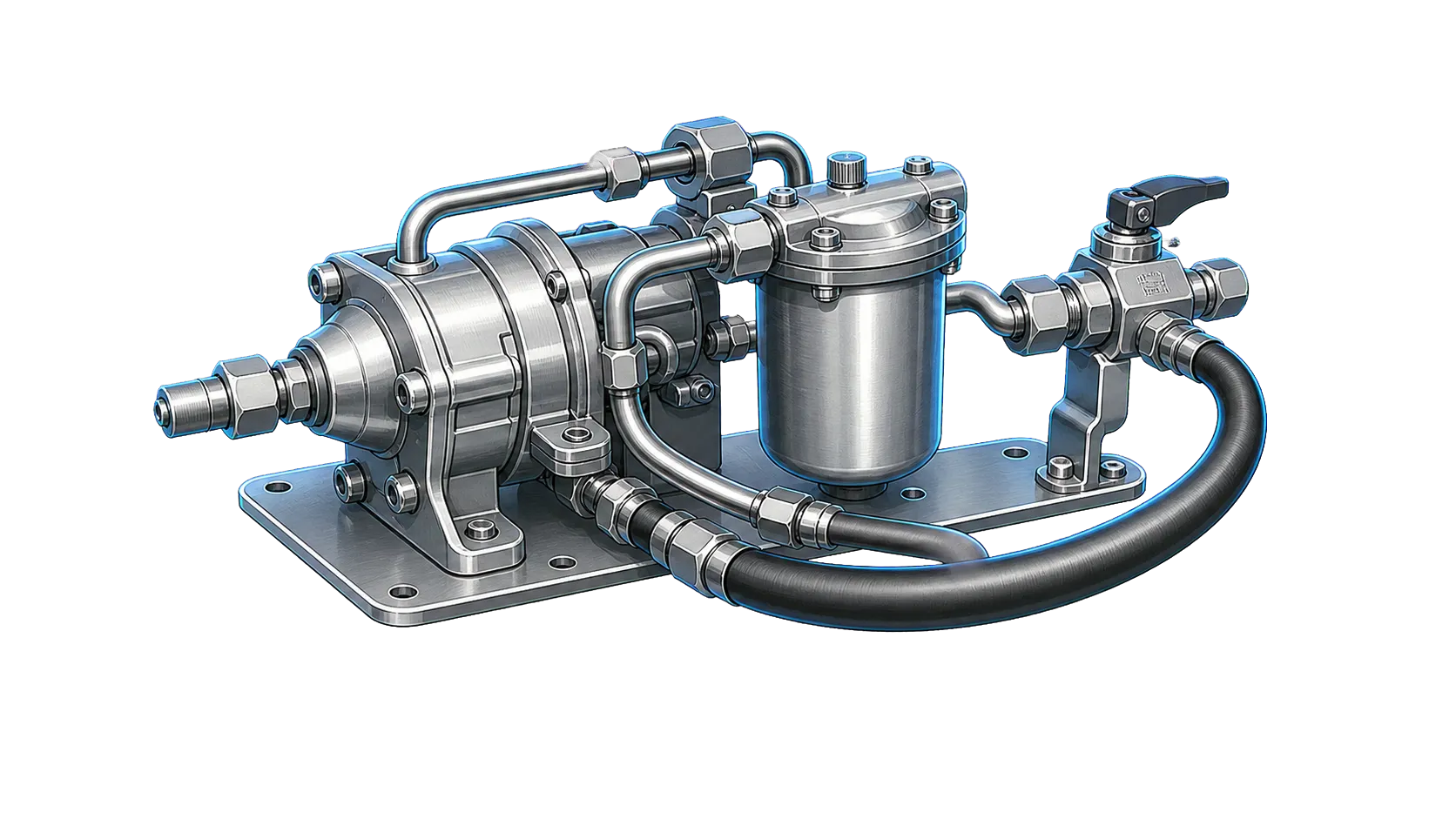
Unsafe Condition: cracks on the fuel filter bowl due to over-torquing, failure of the fuel filter bowl, in-flight shutdown of both engines, and consequent reduced control of the helicopter.
Airworthiness Directives; Airbus Helicopters
Unsafe Condition: wear of the ramps of the right-hand side (RH) free wheel shaft, which could result in reduced ability to transfer one engine inoperative (OEI) power from the RH engine to the main rotor, and subseq...
Airworthiness Directives; Airbus Helicopters
Unsafe Condition: Overlengthened and deformed attachment bolts installed on the link of the main gearbox (MGB) suspension bar attachment bracket.
Airworthiness Directives; Airbus Helicopters
Unsafe Condition: An emergency sea anchor pin with extreme corrosion could cause the anchor pin to break and release the emergency sea anchor in flight, which could result in damage to the rotors and consequent loss...
Airworthiness Directives; Airbus Helicopters
Unsafe Condition: failure of critical parts and primary structural components, which if not addressed, could result in loss of control of the helicopter
Airworthiness Directives; Airbus Helicopters
Unsafe Condition: The identification of missing electrical bonding on a certain part-numbered additional and optional search light installed on some Model EC 225 LP helicopters, which could get struck by lightning, ...
Airworthiness Directives; Airbus Helicopters
Unsafe Condition: The hoist operator's helmet cord can entangle with the toggle switch of the hoist cable cut control, which could lead to unintentional activation of the hoist cable cutter during a hoist operation,...
Airworthiness Directives; Airbus Helicopters
Unsafe Condition: Fatigue of the spring in the shear-button safety-cap on the left and right collective pitch handles, which could result in an unintended shearing of the hoist cable and subsequent injury to the hoi...
Airworthiness Directives; Airbus Helicopters
Unsafe Condition: Defective ceramic balls in the bearing installed in the swashplate assembly of the main rotor mast assembly could lead to premature spalling of the ball itself and of the bearing, loss of function ...
Airworthiness Directives; Airbus Helicopters
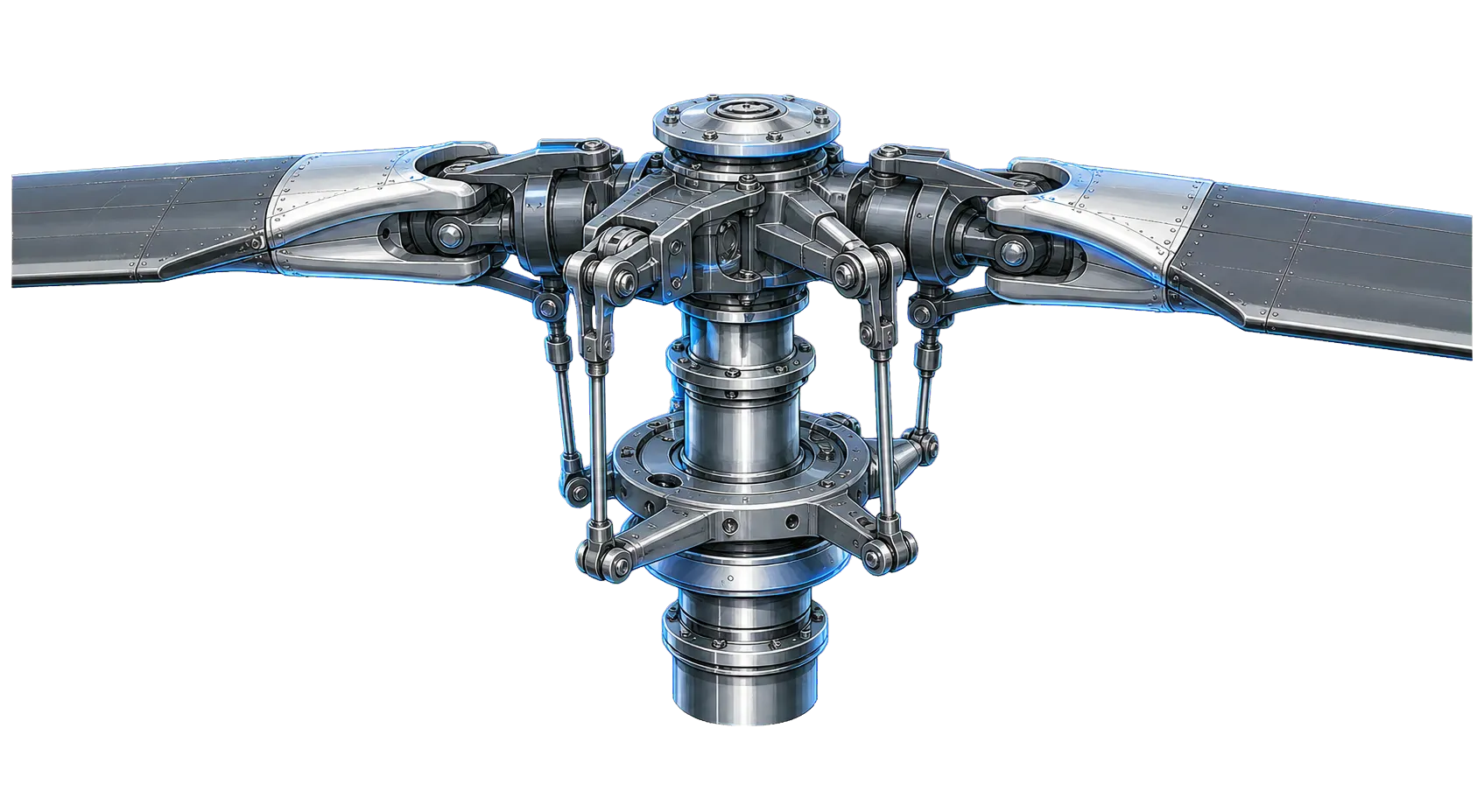
Unsafe Condition: Cracking in an MRH sleeve, which could result in structural failure of the MRH sleeve, loss of a main rotor blade, and subsequent loss of control of the helicopter.
Airworthiness Directives; Airbus Helicopters
Unsafe Condition: water in the oil of a main gearbox (MGB) due to an incorrect installation of the upper main rotor (M/R) mast cover plate
Airworthiness Directives; Airbus Helicopters
Unsafe Condition: The placards located on the right hand (RH) side of the VIP flap door of the passenger cabin do not provide adequate door opening instructions necessary to operate the RH side VIP flap door in case...
Airworthiness Directives; Airbus Helicopters
Unsafe Condition: Restricted fuel flow to the left-hand (LH) engine due to twisting of the LH fuel supply hose, which could result in a decrease of LH engine power during acceleration to One Engine Inoperative power...
Airworthiness Directives; Airbus Helicopters
Unsafe Condition: an emergency exit window that required excessive pushing force to jettison
Airworthiness Directives; Airbus Helicopters
Unsafe Condition: A crack in a swashplate yoke, which could result in failure of the yoke, loss of main rotor control, and subsequent loss of control of the helicopter.
Airworthiness Directives; Airbus Helicopters
Unsafe Condition: A fatigue crack that had initiated from a corrosion pit located in an area with chipped paint, which could result in failure of an MRH sleeve, loss of a main rotor blade, and subsequent loss of the...
Airworthiness Directives; Airbus Helicopters
Unsafe Condition: A discrepancy in the rotorcraft flight manual (RFM) where the rotorcraft stay-up flying capabilities for Category B operation were provided through performance data only, not as airworthiness limit...
Airworthiness Directives; Airbus Helicopters
Unsafe Condition: Loss of tightening torque on the nut that attaches the tail gear box (TGB) bevel wheel, which could lead to structural failure of the TGB drive, resulting in reduced, or loss of, control of the hel...
Airworthiness Directives; Airbus Helicopters
Unsafe Condition: cracks on frame 5295 and on splices installed to prevent those cracks
Airworthiness Directives; Airbus Helicopters
Unsafe Condition: The electrical hoist installation wiring routing is incorrect, and the affected wiring is not protected by the circuit breaker intended to provide electrical protection for that wiring.
Airworthiness Directives; Airbus Helicopters
Unsafe Condition: Failure of the main rotor system, which would result in loss of control of the helicopter.
Airworthiness Directives; Airbus Helicopters
Unsafe Condition: Incorrect locking of the LH side stairway door, which could result in an in-flight opening of the door and subsequent damage to the helicopter or injury to persons on the ground.
Airworthiness Directives; Airbus Helicopters
Unsafe Condition: cracked MRB attachment pins which could result in loss of an MRB and subsequent loss of control of the helicopter.