AD 91-16-08
Applicability
| Type | Manufacturer | Model | Details |
|---|---|---|---|
| aircraft | The Boeing Company | 737-100 Series | Airworthiness Directives; BOEING Model 737 Series Airplanes |
| aircraft | The Boeing Company | 737-200 Series | Airworthiness Directives; BOEING Model 737 Series Airplanes |
| aircraft | The Boeing Company | 737-200C Series | Airworthiness Directives; BOEING Model 737 Series Airplanes |
| aircraft | The Boeing Company | 737-300 Series | Airworthiness Directives; BOEING Model 737 Series Airplanes |
| aircraft | The Boeing Company | 737-400 Series | Airworthiness Directives; BOEING Model 737 Series Airplanes |
| aircraft | The Boeing Company | 737-500 Series | Airworthiness Directives; BOEING Model 737 Series Airplanes |
| aircraft | The Boeing Company | 737-600 Series | Airworthiness Directives; BOEING Model 737 Series Airplanes |
| aircraft | The Boeing Company | 737-700 Series | Airworthiness Directives; BOEING Model 737 Series Airplanes |
| aircraft | The Boeing Company | 737-800 Series | Airworthiness Directives; BOEING Model 737 Series Airplanes |
Unsafe Condition
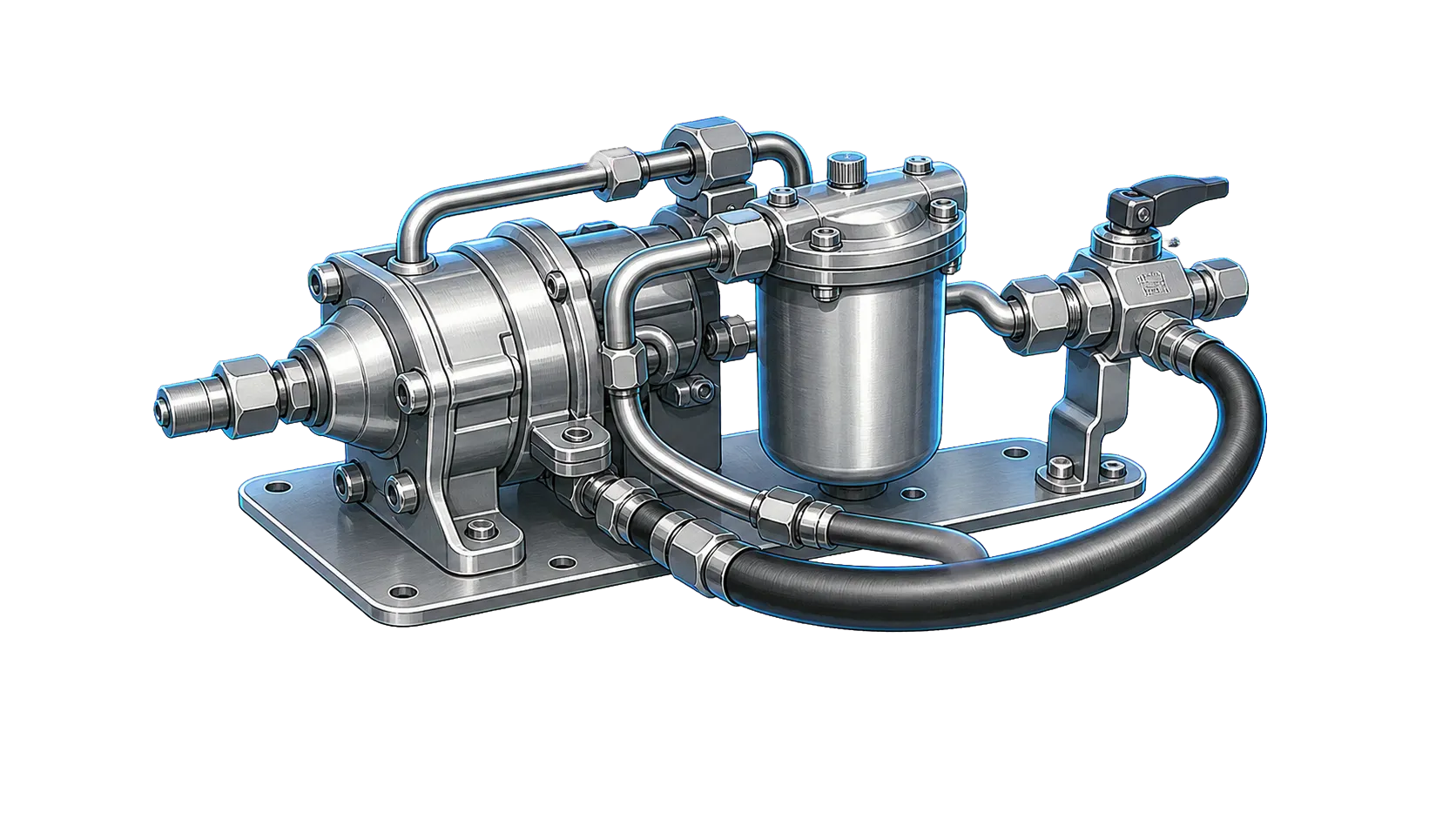
Fuel leaking from the auxiliary fuel tank in the aft cargo bay could lead to a fire.
AI-generated summary from the source AD text. Verify against the official source before acting.
Required Actions
Deactivate the auxiliary fuel system and placard its inoperability, or install check and pressure-activated shutoff valves. Inspect fuel tank panels for disbonding or cracks every 500 flight cycles, and conduct structural inspections every 12,000 flight cycles. Repair or deactivate if defects are found. Auxiliary tanks not installed must be inspected if over 4,000 flight cycles.
AI-generated summary from the source AD text. Verify against the official source before acting.
Compliance Time
Within 90 days after the effective date (September 6, 1991).
AI-generated summary from the source AD text. Verify against the official source before acting.
Affected Aircraft
Boeing Model 737 series airplanes equipped with a Boeing aft cargo bay auxiliary fuel tank, listed in Boeing Service Bulletin 737-28-1088 dated September 6, 1990.
AI-generated summary from the source AD text. Verify against the official source before acting.
Federal Register Abstract
Auxiliary Fuel System
Applicability Source Text
Show captured applicability text from the source AD
AD Final Rules - DRS_91-16-08.html
Copy URL
Print/Save as PDF
Document Versions
 Feedback
Details
AD Number:
91-16-08
Document Type:
AD Final Rules
Docket Number:
90-NM-236-AD
Subject Heading:
Airworthiness Directives; BOEING Model 737 Series Airplanes
Subject:
Auxiliary Fuel System
Status:
Current
Citation:
This information is not available.
Citation Publish Date:
Effective Date:
09/06/1991
Make:
The Boeing Company
Model:
737-100 Series | 737-200 Series | 737-200C Series | 737-300 Series | 737-400 Series | 737-500 Series...Show more
Product Type:
Aircraft
Product Subtype:
Large Airplane
Affected AD:
Superseded AD:
Affected By:
Superseded By:
Service/Office:
Office of Primary Responsibility:
CFR Part Reference:
Part 39
Comments:
AIRWORTHINESS DIRECTIVES FINAL RULES: 91-16-08
CITATION:   This information is not available.

PAGE NUMBER:

DOCKET NUMBER:   90-NM-236-AD

AMENDMENT:   39-7098

AD NUMBER:   91-16-08

SUBJECT HEADING:   Airworthiness Directives; BOEING Model 737 Series Airplanes

ACTION:

SUMMARY:

DATES:   Effective September 6, 1991.

ADDRESSES:

FOR FURTHER INFORMATION CONTACT:

SUPPLEMENTARY INFORMATION:

REGULATORY TEXT:
91-16-08 BOEING: Amendment 39-7098. Docket No. 90-NM-236-AD.

Applicability: Model 737 series airplanes, equipped with a Boeing aft cargo bay auxiliary fuel tank; listed in Boeing Service Bulletin 737-28-1088, dated September 6, 1990; certificated in any category.

Compliance: Required as indicated, unless previously accomplished.

To reduce the potential for a fire in the aft cargo compartment due to fuel leaking from the auxiliary fuel tank, accomplish the following:

A. Within 90 days after the effective date of this AD, accomplish one of the following:

1. Deactivate the auxiliary fuel system and attach a placard in the flight compartment to indicate that the auxiliary fuel tank is inoperative, in accordance with Boeing Alert Service Bulletin 737-28A1034, Revision 2, dated December 6, 1990, or Boeing Service Bulletin 737-28-1088, dated September 6, 1990; or

2. Install a check valve and a pressure activated shutoff valve in the auxiliary fuel system near the center wing tank in accordance with Boeing Alert Service Bulletin 737-28A1034, Revision 2, dated December 6, 1990; and perform the following inspections of the auxiliary fuel tank support structure in accordance with the inspection procedures below:

a. Within 500 flight cycles after the effective date of this AD, to detect a disbonded or cracked side panel in the auxiliary fuel tank, accomplish one of the following:

(1) Conduct an inspection of the lower sidewall (curved) panels of the auxiliary fuel tanks for disbonding, in accordance with Part I of the Accomplishment Instructions in Boeing Service Bulletin 737-28-1088, dated September 6, 1990.

(2) Perform a leak check of the auxiliary fuel tanks in accordance with Part III of Boeing Service Bulletin 737-28-1088, dated September 6, 1990. If any fuel leakage is detected, repair prior to further flight in accordance with Part III of the service bulletin. Repeat leak check prior to each flight.

b. Within 12,000 flight cycles after the effective date of this AD, conduct an inspection of the auxiliary fuel tank and support structure in accordance with Part II of Boeing Service Bulletin 737- 28-1088, dated September 6, 1990. Repeat this inspection at intervals not to exceed 12,000 flight cycles. Accomplishment of this inspection constitutes terminating action for the inspection requirements of paragraph A.2.a. of this AD.

c. If a disbonded or cracked panel is detected during the inspections required by paragraphs A.2.a. or A.2.b. of this AD, accomplish one of the following prior to further flight:

(1) Replace the panel in accordance with Part IV of Boeing Service Bulletin 737-28-1088, dated September 6, 1990; or

(2) Deactivate the auxiliary fuel tank in accordance with Boeing Alert Service Bulletin 737-28A1034, Revision 2, dated December 6, 1990; or Boeing Service Bulletin 737-28-1088, dated September 6, 1990; or

(3) Remove the auxiliary fuel tank in accordance with the Boeing 737 Maintenance Manual Subject 28-14-0.

NOTE: A deactivated auxiliary fuel tank will require inspections per paragraph A.2. of this AD when reactivated. Auxiliary fuel tanks that are deactivated but remain in an airplane accumulate the same number of flight cycles as the airplane.

B. Auxiliary fuel tanks currently not installed in an airplane must be inspected in accordance with Boeing Service Bulletin 737-28-1088, dated September 6, 1990, prior to installation in an airplane if they have accumulated more than 4,000 flight cycles. If any cracking or delamination is detected, repair prior to installation in an airplane.

C. An alternative method of compliance or adjustment of the compliance time, which provides an acceptable level of safety, may be used when approved by the Manager, Seattle Aircraft Certification Office (ACO), FAA, Transport Airplane Directorate.

NOTE: The request should be forwarded through an FAA Principal Maintenance Inspector, who may concur or comment and then send it to the Manager, Seattle ACO.

D. Special flight permits may be issued in accordance with FAR 21.197 and 21.199 to operate airplanes to a base in order to comply with the requirements of this AD.

All persons affected by this directive who have not already received the appropriate service documents from the manufacturer may obtain copies upon request to Boeing Commercial Airplane Group, P.O. Box 3707, Seattle, Washington 98124. These documents may be examined at the FAA, Northwest Mountain Region, Transport Airplane Directorate, 1601 Lind Avenue S.W., Renton, Washington.

This amendment (39-7098, AD 91-16-08) becomes effective on September 6, 1991.

FOOTER:
Document Text
Show stored source text (verify against official source)
AD Final Rules - DRS_91-16-08.html
Copy URL
Print/Save as PDF
Document Versions
 Feedback
Details
AD Number:
91-16-08
Document Type:
AD Final Rules
Docket Number:
90-NM-236-AD
Subject Heading:
Airworthiness Directives; BOEING Model 737 Series Airplanes
Subject:
Auxiliary Fuel System
Status:
Current
Citation:
This information is not available.
Citation Publish Date:
Effective Date:
09/06/1991
Make:
The Boeing Company
Model:
737-100 Series | 737-200 Series | 737-200C Series | 737-300 Series | 737-400 Series | 737-500 Series...Show more
Product Type:
Aircraft
Product Subtype:
Large Airplane
Affected AD:
Superseded AD:
Affected By:
Superseded By:
Service/Office:
Office of Primary Responsibility:
CFR Part Reference:
Part 39
Comments:
AIRWORTHINESS DIRECTIVES FINAL RULES: 91-16-08
CITATION:   This information is not available.

PAGE NUMBER:

DOCKET NUMBER:   90-NM-236-AD

AMENDMENT:   39-7098

AD NUMBER:   91-16-08

SUBJECT HEADING:   Airworthiness Directives; BOEING Model 737 Series Airplanes

ACTION:

SUMMARY:

DATES:   Effective September 6, 1991.

ADDRESSES:

FOR FURTHER INFORMATION CONTACT:

SUPPLEMENTARY INFORMATION:

REGULATORY TEXT:
91-16-08 BOEING: Amendment 39-7098. Docket No. 90-NM-236-AD.

Applicability: Model 737 series airplanes, equipped with a Boeing aft cargo bay auxiliary fuel tank; listed in Boeing Service Bulletin 737-28-1088, dated September 6, 1990; certificated in any category.

Compliance: Required as indicated, unless previously accomplished.

To reduce the potential for a fire in the aft cargo compartment due to fuel leaking from the auxiliary fuel tank, accomplish the following:

A. Within 90 days after the effective date of this AD, accomplish one of the following:

1. Deactivate the auxiliary fuel system and attach a placard in the flight compartment to indicate that the auxiliary fuel tank is inoperative, in accordance with Boeing Alert Service Bulletin 737-28A1034, Revision 2, dated December 6, 1990, or Boeing Service Bulletin 737-28-1088, dated September 6, 1990; or

2. Install a check valve and a pressure activated shutoff valve in the auxiliary fuel system near the center wing tank in accordance with Boeing Alert Service Bulletin 737-28A1034, Revision 2, dated December 6, 1990; and perform the following inspections of the auxiliary fuel tank support structure in accordance with the inspection procedures below:

a. Within 500 flight cycles after the effective date of this AD, to detect a disbonded or cracked side panel in the auxiliary fuel tank, accomplish one of the following:

(1) Conduct an inspection of the lower sidewall (curved) panels of the auxiliary fuel tanks for disbonding, in accordance with Part I of the Accomplishment Instructions in Boeing Service Bulletin 737-28-1088, dated September 6, 1990.

(2) Perform a leak check of the auxiliary fuel tanks in accordance with Part III of Boeing Service Bulletin 737-28-1088, dated September 6, 1990. If any fuel leakage is detected, repair prior to further flight in accordance with Part III of the service bulletin. Repeat leak check prior to each flight.

b. Within 12,000 flight cycles after the effective date of this AD, conduct an inspection of the auxiliary fuel tank and support structure in accordance with Part II of Boeing Service Bulletin 737- 28-1088, dated September 6, 1990. Repeat this inspection at intervals not to exceed 12,000 flight cycles. Accomplishment of this inspection constitutes terminating action for the inspection requirements of paragraph A.2.a. of this AD.

c. If a disbonded or cracked panel is detected during the inspections required by paragraphs A.2.a. or A.2.b. of this AD, accomplish one of the following prior to further flight:

(1) Replace the panel in accordance with Part IV of Boeing Service Bulletin 737-28-1088, dated September 6, 1990; or

(2) Deactivate the auxiliary fuel tank in accordance with Boeing Alert Service Bulletin 737-28A1034, Revision 2, dated December 6, 1990; or Boeing Service Bulletin 737-28-1088, dated September 6, 1990; or

(3) Remove the auxiliary fuel tank in accordance with the Boeing 737 Maintenance Manual Subject 28-14-0.

NOTE: A deactivated auxiliary fuel tank will require inspections per paragraph A.2. of this AD when reactivated. Auxiliary fuel tanks that are deactivated but remain in an airplane accumulate the same number of flight cycles as the airplane.

B. Auxiliary fuel tanks currently not installed in an airplane must be inspected in accordance with Boeing Service Bulletin 737-28-1088, dated September 6, 1990, prior to installation in an airplane if they have accumulated more than 4,000 flight cycles. If any cracking or delamination is detected, repair prior to installation in an airplane.

C. An alternative method of compliance or adjustment of the compliance time, which provides an acceptable level of safety, may be used when approved by the Manager, Seattle Aircraft Certification Office (ACO), FAA, Transport Airplane Directorate.

NOTE: The request should be forwarded through an FAA Principal Maintenance Inspector, who may concur or comment and then send it to the Manager, Seattle ACO.

D. Special flight permits may be issued in accordance with FAR 21.197 and 21.199 to operate airplanes to a base in order to comply with the requirements of this AD.

All persons affected by this directive who have not already received the appropriate service documents from the manufacturer may obtain copies upon request to Boeing Commercial Airplane Group, P.O. Box 3707, Seattle, Washington 98124. These documents may be examined at the FAA, Northwest Mountain Region, Transport Airplane Directorate, 1601 Lind Avenue S.W., Renton, Washington.

This amendment (39-7098, AD 91-16-08) becomes effective on September 6, 1991.

FOOTER:
Source: Official FAA Source ↗
Retrieved: Apr 8, 2026
Rights: U.S. Government Public Domain
This site is not affiliated with or endorsed by the FAA. Always verify with official sources.
Related Airworthiness Directives
2025-02-02 Recurring
final ruleAirworthiness Directives; The Boeing Company Airplanes
Unsafe Condition: cracks in the frame inner chord and web at station (STA) 727 between S-11L and S-13L, which could result in the inability of a principal structural element to sustain limit load, and adversely affe...
2023-13-12 Recurring
final ruleAirworthiness Directives; The Boeing Company Airplanes
Unsafe Condition: premature aging of certain passenger chemical oxygen generators, which could fail to deliver oxygen during an emergency, possibly resulting in injury to the airplane occupants.
2023-12-13
final ruleAirworthiness Directives; The Boeing Company Airplanes
Unsafe Condition: Radio altimeters cannot be relied upon to perform their intended function if they experience interference from wireless broadband operations in the 5G C-Band. This interference can cause other airp...
2023-10-02
final ruleAirworthiness Directives; Transport and Commuter Category Airplanes
Unsafe Condition: Radio altimeter anomalies that are undetected by the automation or pilot, particularly close to the ground (e.g., landing flare), could lead to loss of continued safe flight and landing. Additional...