AD 87-08-02
Applicability
| Type | Manufacturer | Model | Details |
|---|---|---|---|
| aircraft | The Boeing Company | DC-9-11 | Airworthiness Directives; MCDONNELL DOUGLAS DC-9-10, -20, -30, -40, and C-9 (military) Series Airplanes |
| aircraft | The Boeing Company | DC-9-12 | Airworthiness Directives; MCDONNELL DOUGLAS DC-9-10, -20, -30, -40, and C-9 (military) Series Airplanes |
| aircraft | The Boeing Company | DC-9-13 | Airworthiness Directives; MCDONNELL DOUGLAS DC-9-10, -20, -30, -40, and C-9 (military) Series Airplanes |
| aircraft | The Boeing Company | DC-9-14 | Airworthiness Directives; MCDONNELL DOUGLAS DC-9-10, -20, -30, -40, and C-9 (military) Series Airplanes |
| aircraft | The Boeing Company | DC-9-15 | Airworthiness Directives; MCDONNELL DOUGLAS DC-9-10, -20, -30, -40, and C-9 (military) Series Airplanes |
| aircraft | The Boeing Company | DC-9-15F | Airworthiness Directives; MCDONNELL DOUGLAS DC-9-10, -20, -30, -40, and C-9 (military) Series Airplanes |
| aircraft | The Boeing Company | DC-9-21 | Airworthiness Directives; MCDONNELL DOUGLAS DC-9-10, -20, -30, -40, and C-9 (military) Series Airplanes |
| aircraft | The Boeing Company | DC-9-31 | Airworthiness Directives; MCDONNELL DOUGLAS DC-9-10, -20, -30, -40, and C-9 (military) Series Airplanes |
| aircraft | The Boeing Company | DC-9-32 | Airworthiness Directives; MCDONNELL DOUGLAS DC-9-10, -20, -30, -40, and C-9 (military) Series Airplanes |
| aircraft | The Boeing Company | DC-9-32 (VC-9C) | Airworthiness Directives; MCDONNELL DOUGLAS DC-9-10, -20, -30, -40, and C-9 (military) Series Airplanes |
| aircraft | The Boeing Company | DC-9-32F | Airworthiness Directives; MCDONNELL DOUGLAS DC-9-10, -20, -30, -40, and C-9 (military) Series Airplanes |
| aircraft | The Boeing Company | DC-9-32F (C-9A) | Airworthiness Directives; MCDONNELL DOUGLAS DC-9-10, -20, -30, -40, and C-9 (military) Series Airplanes |
| aircraft | The Boeing Company | DC-9-32F (C-9B) | Airworthiness Directives; MCDONNELL DOUGLAS DC-9-10, -20, -30, -40, and C-9 (military) Series Airplanes |
| aircraft | The Boeing Company | DC-9-33F | Airworthiness Directives; MCDONNELL DOUGLAS DC-9-10, -20, -30, -40, and C-9 (military) Series Airplanes |
| aircraft | The Boeing Company | DC-9-34 | Airworthiness Directives; MCDONNELL DOUGLAS DC-9-10, -20, -30, -40, and C-9 (military) Series Airplanes |
| aircraft | The Boeing Company | DC-9-34F | Airworthiness Directives; MCDONNELL DOUGLAS DC-9-10, -20, -30, -40, and C-9 (military) Series Airplanes |
| aircraft | The Boeing Company | DC-9-41 | Airworthiness Directives; MCDONNELL DOUGLAS DC-9-10, -20, -30, -40, and C-9 (military) Series Airplanes |
Unsafe Condition
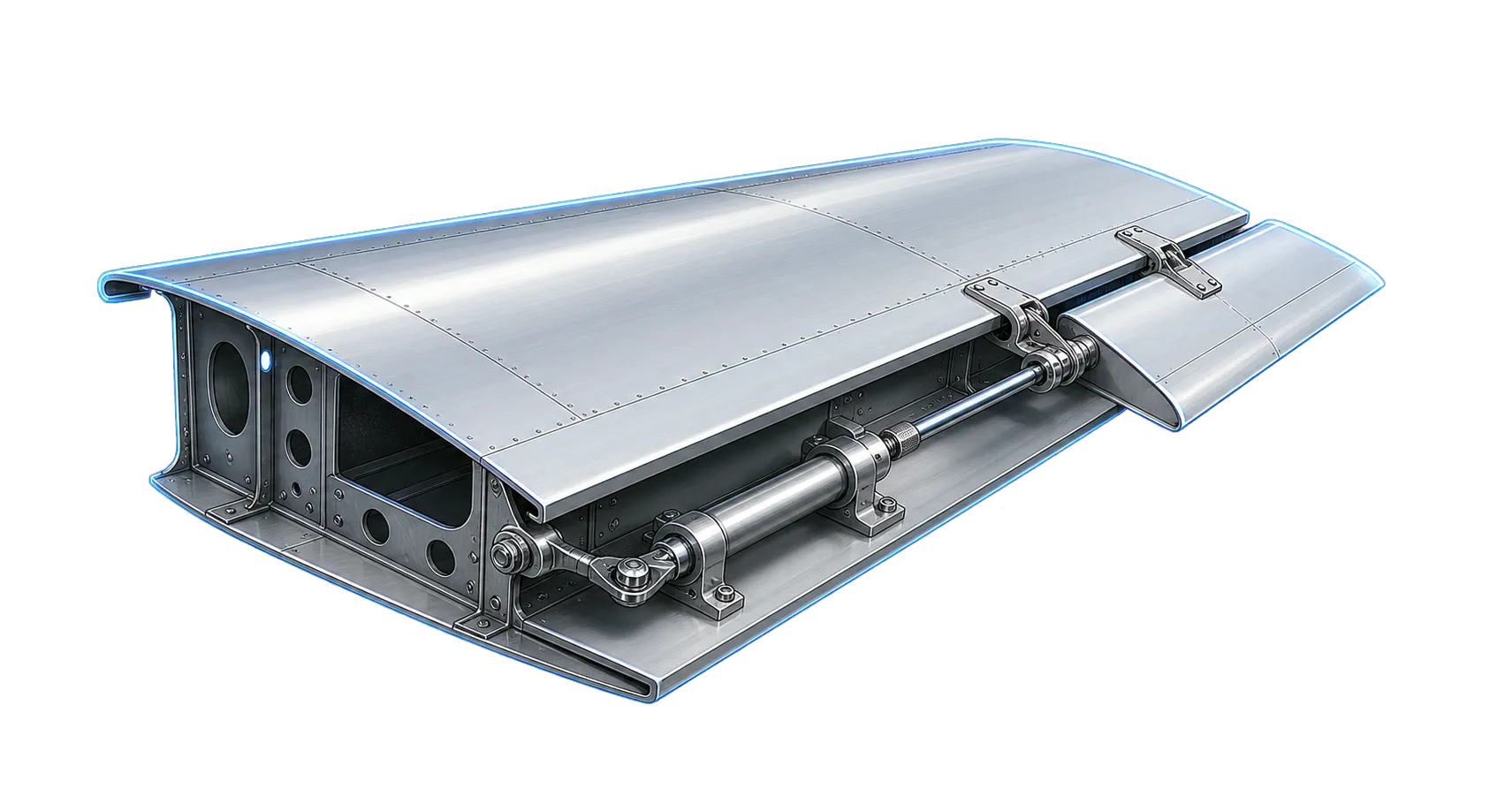
Outer skin cracks of the rudder and subsequent damage to adjacent structure.
AI-generated summary from the source AD text. Verify against the official source before acting.
Required Actions
Radiographically inspect rudder ribs for cracks within 1,800 landings or 9 months after the effective date, whichever occurs earlier. Repetitive inspections at intervals not exceeding 3,000 landings are required unless cracks are found, in which case repairs or adjustments per service bulletin are mandated. Installation of rib stiffeners or replacement of ribs with new production .040-inch thick 2024-T42 aluminum ribs terminates repetitive inspections.
AI-generated summary from the source AD text. Verify against the official source before acting.
Compliance Time
within 1,800 landings, or 9 months, after the effective date of this AD, whichever occurs earlier
AI-generated summary from the source AD text. Verify against the official source before acting.
Affected Aircraft
McDonnell Douglas Model DC-9-10, -20, -30, -40, and C-9 (military) series airplanes, Fuselage Numbers 1 through 619
AI-generated summary from the source AD text. Verify against the official source before acting.
Federal Register Abstract
Rudder Ribs
Applicability Source Text
Show captured applicability text from the source AD
AD Final Rules - DRS_87-08-02.html
Copy URL
Print/Save as PDF
Document Versions
 Feedback
Details
AD Number:
87-08-02
Document Type:
AD Final Rules
Docket Number:
Unknown
Subject Heading:
Airworthiness Directives; MCDONNELL DOUGLAS DC-9-10, -20, -30, -40, and C-9 (military) Series Airplanes
Subject:
Rudder Ribs
Status:
Current
Citation:
This information is not available.
Citation Publish Date:
Effective Date:
05/21/1987
Make:
The Boeing Company
Model:
DC-9-11 | DC-9-12 | DC-9-13 | DC-9-14 | DC-9-15 | DC-9-15F | DC-9-21 | DC-9-31 | DC-9-32 | DC-9-32 (...Show more
Product Type:
Aircraft
Product Subtype:
Large Airplane
Affected AD:
Superseded AD:
Affected By:
Superseded By:
Service/Office:
Office of Primary Responsibility:
CFR Part Reference:
Part 39
Comments:
AIRWORTHINESS DIRECTIVES FINAL RULES: 87-08-02
CITATION:   This information is not available.

PAGE NUMBER:

DOCKET NUMBER:   Unknown

AMENDMENT:   39-5606

AD NUMBER:   87-08-02

SUBJECT HEADING:   Airworthiness Directives; MCDONNELL DOUGLAS DC-9-10, -20, -30, -40, and C-9 (military) Series Airplanes

ACTION:

SUMMARY:

DATES:   Effective May 21, 1987.

ADDRESSES:

FOR FURTHER INFORMATION CONTACT:

SUPPLEMENTARY INFORMATION:

REGULATORY TEXT:
87-08-02 MCDONNELL DOUGLAS: Amendment 39-5606. Applies to McDonnell Douglas Model DC-9-10, -20, -30, -40, and C-9 (military) series airplanes, Fuselage Numbers 1 through 619, certificated in any category. Compliance required as indicated, unless previously accomplished.

To prevent outer skin cracks of the rudder and subsequent damage to adjacent structure, within 1,800 landings, or 9 months, after the effective date of this AD, whichever occurs earlier, accomplish the following, unless already accomplished within the last 1,200 landings:

A. Radiographically inspect rudder ribs for cracks, in accordance with McDonnell Douglas DC-9 Service Bulletin 55-23, Revision 4, dated September 8, 1986, hereinafter referred to as S/B 55-23, or later FAA-approved revisions, and accomplish the following:

1. If no cracks are found, accomplish repetitive inspections at intervals not to exceed 3,000 landings, until such time as the requirements of paragraph A.3., below, are accomplished.

2. If cracks are found, accomplish one of the following, as applicable:

a. For cracks in rudder ribs only:

(1) If one rib is found cracked and the total length of crack does not exceed one-half the length of the cracked rib, perform repetitive inspections for rudder skin crack(s) in accordance with S/B 55-23, at intervals not to exceed 150 landings, until such time as the requirements of paragraph A.3., below, are accomplished.

(a) If the rib crack exceeds one-half the length of the cracked rib, accomplish the requirements of paragraph A.2.b.(1), below.

(b) If skin crack(s) are found, accomplish the requirements of paragraph A.2.b., below.

(2) If two adjacent ribs are found cracked and the total length of cracks for each rib does not exceed 6.0 inches, perform repetitive inspections for rudder skin cracks in accordance with S/B 55-23, at intervals not to exceed 150 landings, until such time as the requirements of paragraph A.3., below, are accomplished.

(a) If the rib crack exceeds 6.0 inches, accomplish the requirements of paragraph A.2.b.(1), below.

(b) If a skin crack(s) is found, accomplish the requirements of paragraph A.2.b., below.

(3) If two alternate ribs are found cracked, and the total length of the cracks does not exceed 16.0 inches, perform repetitive inspections for rudder skin cracks in accordance with S/B 55-23, at intervals not to exceed 150 landings until such time as the requirements of paragraph A.3., below, are accomplished.

(a) If the rib cracks exceed 16.0 inches, accomplish the requirements of paragraph A.2.b.(2), below.

(b) If a skin crack is found, accomplish the requirements of paragraph A.2.b., below.

(4) If more than two ribs are found cracked, notwithstanding the crack lengths, accomplish the requirements of paragraph 2.b.(1), below.

b. For cracks found in the rudder skin, or rudder rib and skin, accomplish the following:

(1) Before further flight, accomplish repairs to cracked rib(s) in accordance with S/B 55-23, or later FAA-approved revisions.

(2) Upon completing repairs to cracked rib(s), accomplish skin repair in accordance with McDonnell Douglas DC-9 Structural Repair Manual, Section 55-03.

3. Installation of rib stiffeners in accordance with S/B 55-23, or replacement of all affected ribs with new production .040-inch thick 2024-T42 aluminum ribs, constitutes terminating action for the repetitive inspections required by this AD.

B. Alternate means of compliance which provides an acceptable level of safety may be used when approved by the Manager, Los Angeles Aircraft Certification Office, FAA, Northwest Mountain Region.

C. Upon the request of an operator, an FAA Maintenance Inspector, subject to prior approval of the Manager, Los Angeles Aircraft Certification Office, FAA, Northwest Mountain Region, may adjust the repetitive inspection intervals specified in this AD to permit compliance at an established inspection period of the operator if the request contains substantiating data to justify the increase for that operator.

D. Special flight permits may be issued in accordance with FAR 21.197 and 21.199 to operate airplanes with rudder rib cracks only (within the limits of this AD) to a base in order to comply with the requirements of this AD. For airplanes with rudder skin cracks, the rudder must be repaired or replaced prior to next flight.

All persons affected by this directive who have not already received the appropriate service information from the manufacturer may obtain copies upon request to McDonnell Douglas Corporation, 3855 Lakewood Boulevard, Long Beach, California 90846, Attention: Director, Publications and Training, C1-750 (54-60). This information may be examined at the FAA, Northwest Mountain Region, 17900 Pacific Highway South, Seattle, Washington, or the Los Angeles Aircraft Certification Office, 4344 Donald Douglas Drive, Long Beach, California.

This amendment becomes effective May 21, 1987.


FOOTER:
Document Text
Show stored source text (verify against official source)
AD Final Rules - DRS_87-08-02.html
Copy URL
Print/Save as PDF
Document Versions
 Feedback
Details
AD Number:
87-08-02
Document Type:
AD Final Rules
Docket Number:
Unknown
Subject Heading:
Airworthiness Directives; MCDONNELL DOUGLAS DC-9-10, -20, -30, -40, and C-9 (military) Series Airplanes
Subject:
Rudder Ribs
Status:
Current
Citation:
This information is not available.
Citation Publish Date:
Effective Date:
05/21/1987
Make:
The Boeing Company
Model:
DC-9-11 | DC-9-12 | DC-9-13 | DC-9-14 | DC-9-15 | DC-9-15F | DC-9-21 | DC-9-31 | DC-9-32 | DC-9-32 (...Show more
Product Type:
Aircraft
Product Subtype:
Large Airplane
Affected AD:
Superseded AD:
Affected By:
Superseded By:
Service/Office:
Office of Primary Responsibility:
CFR Part Reference:
Part 39
Comments:
AIRWORTHINESS DIRECTIVES FINAL RULES: 87-08-02
CITATION:   This information is not available.

PAGE NUMBER:

DOCKET NUMBER:   Unknown

AMENDMENT:   39-5606

AD NUMBER:   87-08-02

SUBJECT HEADING:   Airworthiness Directives; MCDONNELL DOUGLAS DC-9-10, -20, -30, -40, and C-9 (military) Series Airplanes

ACTION:

SUMMARY:

DATES:   Effective May 21, 1987.

ADDRESSES:

FOR FURTHER INFORMATION CONTACT:

SUPPLEMENTARY INFORMATION:

REGULATORY TEXT:
87-08-02 MCDONNELL DOUGLAS: Amendment 39-5606. Applies to McDonnell Douglas Model DC-9-10, -20, -30, -40, and C-9 (military) series airplanes, Fuselage Numbers 1 through 619, certificated in any category. Compliance required as indicated, unless previously accomplished.

To prevent outer skin cracks of the rudder and subsequent damage to adjacent structure, within 1,800 landings, or 9 months, after the effective date of this AD, whichever occurs earlier, accomplish the following, unless already accomplished within the last 1,200 landings:

A. Radiographically inspect rudder ribs for cracks, in accordance with McDonnell Douglas DC-9 Service Bulletin 55-23, Revision 4, dated September 8, 1986, hereinafter referred to as S/B 55-23, or later FAA-approved revisions, and accomplish the following:

1. If no cracks are found, accomplish repetitive inspections at intervals not to exceed 3,000 landings, until such time as the requirements of paragraph A.3., below, are accomplished.

2. If cracks are found, accomplish one of the following, as applicable:

a. For cracks in rudder ribs only:

(1) If one rib is found cracked and the total length of crack does not exceed one-half the length of the cracked rib, perform repetitive inspections for rudder skin crack(s) in accordance with S/B 55-23, at intervals not to exceed 150 landings, until such time as the requirements of paragraph A.3., below, are accomplished.

(a) If the rib crack exceeds one-half the length of the cracked rib, accomplish the requirements of paragraph A.2.b.(1), below.

(b) If skin crack(s) are found, accomplish the requirements of paragraph A.2.b., below.

(2) If two adjacent ribs are found cracked and the total length of cracks for each rib does not exceed 6.0 inches, perform repetitive inspections for rudder skin cracks in accordance with S/B 55-23, at intervals not to exceed 150 landings, until such time as the requirements of paragraph A.3., below, are accomplished.

(a) If the rib crack exceeds 6.0 inches, accomplish the requirements of paragraph A.2.b.(1), below.

(b) If a skin crack(s) is found, accomplish the requirements of paragraph A.2.b., below.

(3) If two alternate ribs are found cracked, and the total length of the cracks does not exceed 16.0 inches, perform repetitive inspections for rudder skin cracks in accordance with S/B 55-23, at intervals not to exceed 150 landings until such time as the requirements of paragraph A.3., below, are accomplished.

(a) If the rib cracks exceed 16.0 inches, accomplish the requirements of paragraph A.2.b.(2), below.

(b) If a skin crack is found, accomplish the requirements of paragraph A.2.b., below.

(4) If more than two ribs are found cracked, notwithstanding the crack lengths, accomplish the requirements of paragraph 2.b.(1), below.

b. For cracks found in the rudder skin, or rudder rib and skin, accomplish the following:

(1) Before further flight, accomplish repairs to cracked rib(s) in accordance with S/B 55-23, or later FAA-approved revisions.

(2) Upon completing repairs to cracked rib(s), accomplish skin repair in accordance with McDonnell Douglas DC-9 Structural Repair Manual, Section 55-03.

3. Installation of rib stiffeners in accordance with S/B 55-23, or replacement of all affected ribs with new production .040-inch thick 2024-T42 aluminum ribs, constitutes terminating action for the repetitive inspections required by this AD.

B. Alternate means of compliance which provides an acceptable level of safety may be used when approved by the Manager, Los Angeles Aircraft Certification Office, FAA, Northwest Mountain Region.

C. Upon the request of an operator, an FAA Maintenance Inspector, subject to prior approval of the Manager, Los Angeles Aircraft Certification Office, FAA, Northwest Mountain Region, may adjust the repetitive inspection intervals specified in this AD to permit compliance at an established inspection period of the operator if the request contains substantiating data to justify the increase for that operator.

D. Special flight permits may be issued in accordance with FAR 21.197 and 21.199 to operate airplanes with rudder rib cracks only (within the limits of this AD) to a base in order to comply with the requirements of this AD. For airplanes with rudder skin cracks, the rudder must be repaired or replaced prior to next flight.

All persons affected by this directive who have not already received the appropriate service information from the manufacturer may obtain copies upon request to McDonnell Douglas Corporation, 3855 Lakewood Boulevard, Long Beach, California 90846, Attention: Director, Publications and Training, C1-750 (54-60). This information may be examined at the FAA, Northwest Mountain Region, 17900 Pacific Highway South, Seattle, Washington, or the Los Angeles Aircraft Certification Office, 4344 Donald Douglas Drive, Long Beach, California.

This amendment becomes effective May 21, 1987.


FOOTER:
Source: Official FAA Source ↗
Retrieved: Apr 8, 2026
Rights: U.S. Government Public Domain
This site is not affiliated with or endorsed by the FAA. Always verify with official sources.
Related Airworthiness Directives
2025-09-11
final ruleAirworthiness Directives; The Boeing Company Airplanes
Unsafe Condition: The discovery of jammed elevators during takeoff could result in the inability of the airplane to rotate at rotation speed V<NF>R<INF>, and lead to a rejected takeoff and high-speed runway excursion.
2024-20-02
final ruleAirworthiness Directives; The Boeing Company Airplanes
Unsafe Condition: cracked and severed structure found in the aft fuselage cant bulkhead at STA 1178.225 and vertical stabilizer rear spar installation, on a Boeing Model 717-200 airplane, and similar structure on Bo...

2023-12-15
final ruleAirworthiness Directives; The Boeing Company Airplanes
Unsafe Condition: 5G C-Band interference can cause radio altimeters to not perform their intended function, resulting in increased flightcrew workload while on approach with the flight director, autothrottle, or aut...
2023-10-02
final ruleAirworthiness Directives; Transport and Commuter Category Airplanes
Unsafe Condition: Radio altimeter anomalies that are undetected by the automation or pilot, particularly close to the ground (e.g., landing flare), could lead to loss of continued safe flight and landing. Additional...