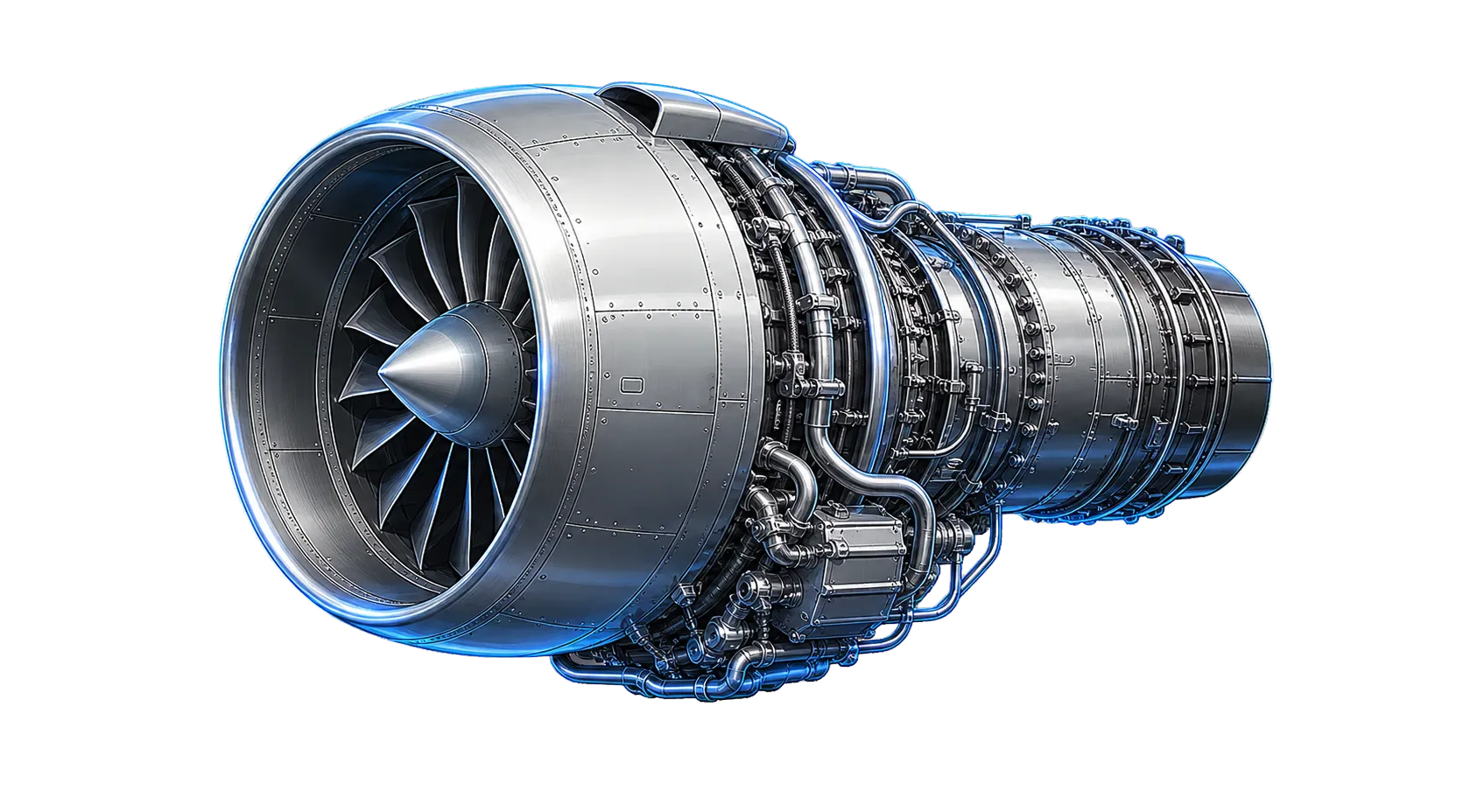
AD 77-09-08
Applicability
| Type | Manufacturer | Model | Details |
|---|---|---|---|
| engine | Rolls-Royce Corporation | 250-B17 | DETROIT DIESEL ALLISON Model 250-C20, C20B, C20C, B17, B17B Engines |
| engine | Rolls-Royce Corporation | 250-B17B | DETROIT DIESEL ALLISON Model 250-C20, C20B, C20C, B17, B17B Engines |
| engine | Rolls-Royce Corporation | 250-C20 | DETROIT DIESEL ALLISON Model 250-C20, C20B, C20C, B17, B17B Engines |
| engine | Rolls-Royce Corporation | 250-C20B | DETROIT DIESEL ALLISON Model 250-C20, C20B, C20C, B17, B17B Engines |
| engine | Rolls-Royce Corporation | 250-C20C (T63-A-720) | DETROIT DIESEL ALLISON Model 250-C20, C20B, C20C, B17, B17B Engines |
Unsafe Condition
Bleed valve diaphragm failure could cause engine power loss.
AI-generated summary from the source AD text. Verify against the official source before acting.
Required Actions
Clip lockwire and remove exit nozzle P/N 6874818 from the bleed valve cover. Install strainer assembly P/N 6896347 in the valve cover exit port until fully seated. Reinstall exit nozzle and tighten to 35-45 lb. in. Remove exit nozzle and strainer assembly to clear passages of burrs, motor engine over 10% rpm, then reinstall strainer and nozzle as specified. Secure with lockwire.
AI-generated summary from the source AD text. Verify against the official source before acting.
Compliance Time
within the next 30 calendar days after the effective date of this AD, unless already accomplished
AI-generated summary from the source AD text. Verify against the official source before acting.
Affected Aircraft
Rolls-Royce Corporation 250-B17, 250-B17B, 250-C20, 250-C20B, 250-C20C (T63-A-720) engines
AI-generated summary from the source AD text. Verify against the official source before acting.
Federal Register Abstract
Bleed Valve Diaphragm
Applicability Source Text
Show captured applicability text from the source AD
AD Final Rules - DRS_77-09-08.html
Copy URL
Print/Save as PDF
Document Versions
 Feedback
Details
AD Number:
77-09-08
Document Type:
AD Final Rules
Docket Number:
Unknown
Subject Heading:
DETROIT DIESEL ALLISON Model 250-C20, C20B, C20C, B17, B17B Engines
Subject:
Bleed Valve Diaphragm
Status:
Current
Citation:
This information is not available.
Citation Publish Date:
Effective Date:
07/18/1977
Make:
Rolls-Royce Corporation
Model:
250-B17 | 250-B17B | 250-C20 | 250-C20B | 250-C20C (T63-A-720)
Product Type:
Engine
Product Subtype:
Affected AD:
Superseded AD:
Affected By:
Superseded By:
Service/Office:
Office of Primary Responsibility:
CFR Part Reference:
Part 39
Comments:
AIRWORTHINESS DIRECTIVES FINAL RULES: 77-09-08
CITATION:   This information is not available.

PAGE NUMBER:

DOCKET NUMBER:   Unknown

AMENDMENT:   39-2907

AD NUMBER:   77-09-08

SUBJECT HEADING:   DETROIT DIESEL ALLISON Model 250-C20, C20B, C20C, B17, B17B Engines

ACTION:

SUMMARY:

DATES:   Effective July 18, 1977.

ADDRESSES:

FOR FURTHER INFORMATION CONTACT:

SUPPLEMENTARY INFORMATION:

REGULATORY TEXT:   77-09-08 DETROIT DIESEL ALLISON: Amendment 39-2889 as revised by Amendment 39-2907. Applies to 250-C20, C20B, C20C, B17, B17B engines.
Compliance required within the next 30 calendar days after the effective date of this AD, unless already accomplished.
To prevent engine power loss resulting from bleed valve diaphragm failure, accomplish the following:
Clip lockwire and remove the exit nozzle P/N 6874818 from the bleed valve cover. Using a small screwdriver install strainer assembly P/N 6896347 in the valve cover exit port until it is fully seated. Install the exit nozzle in the bleed valve cover. Tighten to 35-45 lb. in. CAUTION: DO NOT EXCEED 45 LB. IN.; OVERTIGHTENING MAY DAMAGE THE STRAINER. Approximately 2-3 threads of the exit nozzle will be visible when the strainer assembly is seated fully in the bleed valve. If more than three threads are visible this modification must not be accomplished and bleed valve must be removed for overhaul.
To clear the bleed valve cover passages of burrs and other particles, again remove the exit nozzle and strainer assembly from the valve cover. With the throttle at IDLE CUT OFF, motor the engine in excess of 10% rpm.
Using a small screwdriver, reinstall the strainer in the valve cover exit port until it is fully seated. Reinstall the exit nozzle in the bleed valve cover. Tighten to 35-45 lb. in. CAUTION: DO NOT EXCEED 45 LB. IN.; OVERTIGHTENING MAY DAMAGE THE STRAINER. Approximately 2-3 threads of the exit nozzle will be visible when the strainer is fully seated in the bleed valve. Secure the exit nozzle with lockwire. (Detroit Diesel Allison Commercial Engine Bulletins No. 1116 for the 250-C20 series and No. 1071 for the 250-B17 series engines also pertain to this subject.)
Amendment 39-2889 became effective June 10, 1977.
This amendment 39-2907 becomes effective July 18, 1977.

FOOTER:
Document Text
Show stored source text (verify against official source)
AD Final Rules - DRS_77-09-08.html
Copy URL
Print/Save as PDF
Document Versions
 Feedback
Details
AD Number:
77-09-08
Document Type:
AD Final Rules
Docket Number:
Unknown
Subject Heading:
DETROIT DIESEL ALLISON Model 250-C20, C20B, C20C, B17, B17B Engines
Subject:
Bleed Valve Diaphragm
Status:
Current
Citation:
This information is not available.
Citation Publish Date:
Effective Date:
07/18/1977
Make:
Rolls-Royce Corporation
Model:
250-B17 | 250-B17B | 250-C20 | 250-C20B | 250-C20C (T63-A-720)
Product Type:
Engine
Product Subtype:
Affected AD:
Superseded AD:
Affected By:
Superseded By:
Service/Office:
Office of Primary Responsibility:
CFR Part Reference:
Part 39
Comments:
AIRWORTHINESS DIRECTIVES FINAL RULES: 77-09-08
CITATION:   This information is not available.

PAGE NUMBER:

DOCKET NUMBER:   Unknown

AMENDMENT:   39-2907

AD NUMBER:   77-09-08

SUBJECT HEADING:   DETROIT DIESEL ALLISON Model 250-C20, C20B, C20C, B17, B17B Engines

ACTION:

SUMMARY:

DATES:   Effective July 18, 1977.

ADDRESSES:

FOR FURTHER INFORMATION CONTACT:

SUPPLEMENTARY INFORMATION:

REGULATORY TEXT:   77-09-08 DETROIT DIESEL ALLISON: Amendment 39-2889 as revised by Amendment 39-2907. Applies to 250-C20, C20B, C20C, B17, B17B engines.
Compliance required within the next 30 calendar days after the effective date of this AD, unless already accomplished.
To prevent engine power loss resulting from bleed valve diaphragm failure, accomplish the following:
Clip lockwire and remove the exit nozzle P/N 6874818 from the bleed valve cover. Using a small screwdriver install strainer assembly P/N 6896347 in the valve cover exit port until it is fully seated. Install the exit nozzle in the bleed valve cover. Tighten to 35-45 lb. in. CAUTION: DO NOT EXCEED 45 LB. IN.; OVERTIGHTENING MAY DAMAGE THE STRAINER. Approximately 2-3 threads of the exit nozzle will be visible when the strainer assembly is seated fully in the bleed valve. If more than three threads are visible this modification must not be accomplished and bleed valve must be removed for overhaul.
To clear the bleed valve cover passages of burrs and other particles, again remove the exit nozzle and strainer assembly from the valve cover. With the throttle at IDLE CUT OFF, motor the engine in excess of 10% rpm.
Using a small screwdriver, reinstall the strainer in the valve cover exit port until it is fully seated. Reinstall the exit nozzle in the bleed valve cover. Tighten to 35-45 lb. in. CAUTION: DO NOT EXCEED 45 LB. IN.; OVERTIGHTENING MAY DAMAGE THE STRAINER. Approximately 2-3 threads of the exit nozzle will be visible when the strainer is fully seated in the bleed valve. Secure the exit nozzle with lockwire. (Detroit Diesel Allison Commercial Engine Bulletins No. 1116 for the 250-C20 series and No. 1071 for the 250-B17 series engines also pertain to this subject.)
Amendment 39-2889 became effective June 10, 1977.
This amendment 39-2907 becomes effective July 18, 1977.

FOOTER:
Source: Official FAA Source ↗
Retrieved: Apr 8, 2026
Rights: U.S. Government Public Domain
This site is not affiliated with or endorsed by the FAA. Always verify with official sources.
Related Airworthiness Directives
2006-16-04
final ruleAirworthiness Directives; Rolls-Royce Corporation (Formerly Allison Engine Company, Allison Gas Turbine Division, and Detroit Diesel Allison) (RRC) 250-B and 250-C Series Turboshaft and Turboprop Engines
Unsafe Condition: Discovery that several part numbers (P/Ns) of fuel nozzles were inadvertently left out of AD 2004-24-09, which could lead to sudden loss of engine power and uncommanded shutdown of the engine due t...
2006-13-06
final ruleAirworthiness Directives; Rolls-Royce Corporation (Formerly Allison Engine Company, Allison Gas Turbine Division, and Detroit Diesel Allison) 250-B and 250-C Series Turboprop and Turboshaft Engines
Unsafe Condition: Failure of gas producer rotor assembly tie bolts due to high cycle fatigue, which could cause loss of engine power, resulting in a first stage turbine wheel overspeed and an uncontained engine fail...
2005-10-13
final ruleAirworthiness Directives; Rolls-Royce Corporation (Formerly Allison Engine Company) 250-B17B, -B17C, -B17D, -B17E, -C20, -C20B, -C20F, -C20J, -C20S, and -C20W Turboprop and Turboshaft Engines
Unsafe Condition: Unacceptable rate of uncontained 1st stage turbine wheel failures.
2004-26-09
final ruleAirworthiness Directives; Rolls-Royce Corporation (formerly Allison Engine Company, Allison Gas Turbine Division, and Detroit Diesel Allison) 250-B and 250-C Series Turboprop and Turboshaft Engines
Unsafe Condition: Failure of the compressor adaptor coupling, leading to engine shutdown and loss of all engine power.