AD 75-16-03
Applicability
| Type | Manufacturer | Model | Details |
|---|---|---|---|
| aircraft | The Boeing Company | DC-9-11 | Airworthiness Directives; MCDONNELL DOUGLAS DC-9 Series, C-9A, C-9B, and VC-9C Airplanes |
| aircraft | The Boeing Company | DC-9-12 | Airworthiness Directives; MCDONNELL DOUGLAS DC-9 Series, C-9A, C-9B, and VC-9C Airplanes |
| aircraft | The Boeing Company | DC-9-13 | Airworthiness Directives; MCDONNELL DOUGLAS DC-9 Series, C-9A, C-9B, and VC-9C Airplanes |
| aircraft | The Boeing Company | DC-9-14 | Airworthiness Directives; MCDONNELL DOUGLAS DC-9 Series, C-9A, C-9B, and VC-9C Airplanes |
| aircraft | The Boeing Company | DC-9-15 | Airworthiness Directives; MCDONNELL DOUGLAS DC-9 Series, C-9A, C-9B, and VC-9C Airplanes |
| aircraft | The Boeing Company | DC-9-15F | Airworthiness Directives; MCDONNELL DOUGLAS DC-9 Series, C-9A, C-9B, and VC-9C Airplanes |
| aircraft | The Boeing Company | DC-9-21 | Airworthiness Directives; MCDONNELL DOUGLAS DC-9 Series, C-9A, C-9B, and VC-9C Airplanes |
| aircraft | The Boeing Company | DC-9-31 | Airworthiness Directives; MCDONNELL DOUGLAS DC-9 Series, C-9A, C-9B, and VC-9C Airplanes |
| aircraft | The Boeing Company | DC-9-32 | Airworthiness Directives; MCDONNELL DOUGLAS DC-9 Series, C-9A, C-9B, and VC-9C Airplanes |
| aircraft | The Boeing Company | DC-9-32 (VC-9C) | Airworthiness Directives; MCDONNELL DOUGLAS DC-9 Series, C-9A, C-9B, and VC-9C Airplanes |
| aircraft | The Boeing Company | DC-9-32F | Airworthiness Directives; MCDONNELL DOUGLAS DC-9 Series, C-9A, C-9B, and VC-9C Airplanes |
| aircraft | The Boeing Company | DC-9-32F (C-9A) | Airworthiness Directives; MCDONNELL DOUGLAS DC-9 Series, C-9A, C-9B, and VC-9C Airplanes |
| aircraft | The Boeing Company | DC-9-32F (C-9B) | Airworthiness Directives; MCDONNELL DOUGLAS DC-9 Series, C-9A, C-9B, and VC-9C Airplanes |
| aircraft | The Boeing Company | DC-9-33F | Airworthiness Directives; MCDONNELL DOUGLAS DC-9 Series, C-9A, C-9B, and VC-9C Airplanes |
| aircraft | The Boeing Company | DC-9-34 | Airworthiness Directives; MCDONNELL DOUGLAS DC-9 Series, C-9A, C-9B, and VC-9C Airplanes |
| aircraft | The Boeing Company | DC-9-34F | Airworthiness Directives; MCDONNELL DOUGLAS DC-9 Series, C-9A, C-9B, and VC-9C Airplanes |
| aircraft | The Boeing Company | DC-9-41 | Airworthiness Directives; MCDONNELL DOUGLAS DC-9 Series, C-9A, C-9B, and VC-9C Airplanes |
| aircraft | The Boeing Company | DC-9-51 | Airworthiness Directives; MCDONNELL DOUGLAS DC-9 Series, C-9A, C-9B, and VC-9C Airplanes |
| aircraft | The Boeing Company | DC-9-81 (MD-81) | Airworthiness Directives; MCDONNELL DOUGLAS DC-9 Series, C-9A, C-9B, and VC-9C Airplanes |
| aircraft | The Boeing Company | DC-9-82 (MD-82) | Airworthiness Directives; MCDONNELL DOUGLAS DC-9 Series, C-9A, C-9B, and VC-9C Airplanes |
| aircraft | The Boeing Company | DC-9-83 (MD-83) | Airworthiness Directives; MCDONNELL DOUGLAS DC-9 Series, C-9A, C-9B, and VC-9C Airplanes |
| aircraft | The Boeing Company | DC-9-87 (MD-87) | Airworthiness Directives; MCDONNELL DOUGLAS DC-9 Series, C-9A, C-9B, and VC-9C Airplanes |
Unsafe Condition
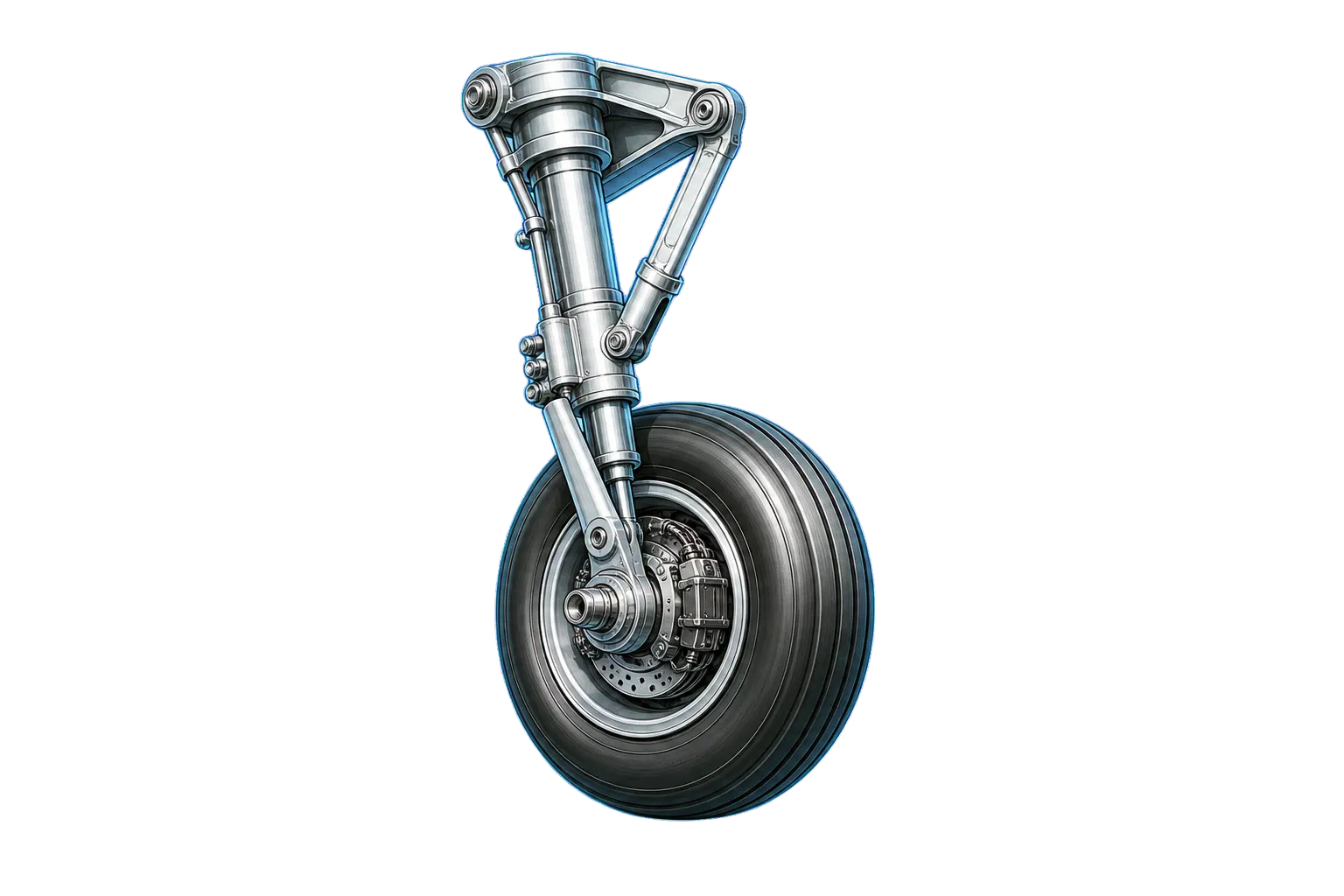
Accumulation of liquids and formation of ice in the nose landing gear emergency uplock release mechanism pressure can (P/N 9910073-87) may restrict operation of the nose landing gear manual release system.
AI-generated summary from the source AD text. Verify against the official source before acting.
Required Actions
Permanently remove the pressure can drain plug (P/N 1103-1), inspect for and drain any liquid, and modify the pressure can per Douglas Service Bulletin 53-91 within 1600 hours time in service. Daily drain hole checks or drilling a .190/.194 diameter hole and 100-hour inspections are required until the modification is completed.
AI-generated summary from the source AD text. Verify against the official source before acting.
Compliance Time
Within 12 flight hours time in service after the effective date of this AD, and within the next 1600 hours time in service after the effective date for the modification.
AI-generated summary from the source AD text. Verify against the official source before acting.
Affected Aircraft
All Model DC-9 Series airplanes, including Military C-9A, C-9B, and VC-9C, certificated in all categories.
AI-generated summary from the source AD text. Verify against the official source before acting.
Federal Register Abstract
Landing Gear Release System
Applicability Source Text
Show captured applicability text from the source AD
AD Final Rules - DRS_75-16-03.html
Copy URL
Print/Save as PDF
Document Versions
 Feedback
Details
AD Number:
75-16-03
Document Type:
AD Final Rules
Docket Number:
Unknown
Subject Heading:
Airworthiness Directives; MCDONNELL DOUGLAS DC-9 Series, C-9A, C-9B, and VC-9C Airplanes
Subject:
Landing Gear Release System
Status:
Current
Citation:
This information is not available.
Citation Publish Date:
Effective Date:
08/01/1975
Make:
The Boeing Company
Model:
DC-9-11 | DC-9-12 | DC-9-13 | DC-9-14 | DC-9-15 | DC-9-15F | DC-9-21 | DC-9-31 | DC-9-32 | DC-9-32 (...Show more
Product Type:
Aircraft
Product Subtype:
Large Airplane
Affected AD:
Superseded AD:
Affected By:
Superseded By:
Service/Office:
Office of Primary Responsibility:
CFR Part Reference:
Part 39
Comments:
AIRWORTHINESS DIRECTIVES FINAL RULES: 75-16-03
CITATION:   This information is not available.

PAGE NUMBER:

DOCKET NUMBER:   Unknown

AMENDMENT:   39-2276

AD NUMBER:   75-16-03

SUBJECT HEADING:   Airworthiness Directives; MCDONNELL DOUGLAS DC-9 Series, C-9A, C-9B, and VC-9C Airplanes

ACTION:

SUMMARY:

DATES:   Effective August 1, 1975.

ADDRESSES:

FOR FURTHER INFORMATION CONTACT:

SUPPLEMENTARY INFORMATION:

REGULATORY TEXT:
75-16-03 MCDONNELL DOUGLAS: Amendment 39-2276. Applies to all Model DC-9 Series airplanes, certificated in all categories, including Military C-9A, C-9B, and VC-9C.

Compliance required as indicated.

To prevent possible restriction of operation of the nose landing gear manual release system as the result of the accumulation of liquids and formation of ice in the nose landing gear emergency uplock release mechanism pressure can, P/N 9910073-87, accomplish the following:

(a) Within 12 flight hours time in service after the effective date of this AD, unless already accomplished:

(1) Permanently remove the pressure can drain plug, P/N 1103-1 (refer to paragraph (c)(2) for disposition of plug); and,

(2) Inspect for and drain any liquid.

(b) Thereafter, for those airplanes with the nutplate retained and the cover not installed:

(1) Check once daily while in service, until (c) below is accomplished, to ascertain that the drain hole is clear; or,

(2) Drill a .190/.194 diameter hole in bottom of the can, 5/8 inch outboard of centerline of and in line with the existing .190/.194 diameter nutplate clearance hole, and inspect at intervals not to exceed 100 hours time in service, until (c) below, is accomplished, to ascertain that the drain hole is clear.

(c) Within the next 1600 hours time in service after the effective date of this AD, unless already accomplished:

(1) Modify the nose landing gear emergency uplock release mechanism pressure can, P/N 9910073-87, in accordance with the instructions in Douglas Service Bulletin 53-91, or later FAA-approved revisions, or an equivalent means approved by the Chief, Aircraft Engineering Division, FAA Western Region.

NOTE: 1. The drain plug nutplate, listed in S/B 53-91 as an optional removal item, must be permanently removed per the requirements of this paragraph; or,

2. Incorporate a .190/.194 diameter hole as outlined in (b) (2), above, in lieu of removing the nutplate.

(2) For those airplanes that do not have the nutplate removed after compliance with (c)(1), above, the drain plug may be reinstalled at the operator's discretion, provided that the drain hole is incorporated.

NOTE: The checks required per this AD may be performed by a flight crew member or other person designated by the operator.

(d) The requirements of this AD may be terminated when (c), above, has been accomplished.

This supersedes Amendment 39-2215, 40 F.R. 22538, AD 75-11-08.

This amendment is effective August 1, 1975 for all persons except those to whom it was made effective by airmail letters dated May 28, 1975, which contained this amendment.


FOOTER:
Document Text
Show stored source text (verify against official source)
AD Final Rules - DRS_75-16-03.html
Copy URL
Print/Save as PDF
Document Versions
 Feedback
Details
AD Number:
75-16-03
Document Type:
AD Final Rules
Docket Number:
Unknown
Subject Heading:
Airworthiness Directives; MCDONNELL DOUGLAS DC-9 Series, C-9A, C-9B, and VC-9C Airplanes
Subject:
Landing Gear Release System
Status:
Current
Citation:
This information is not available.
Citation Publish Date:
Effective Date:
08/01/1975
Make:
The Boeing Company
Model:
DC-9-11 | DC-9-12 | DC-9-13 | DC-9-14 | DC-9-15 | DC-9-15F | DC-9-21 | DC-9-31 | DC-9-32 | DC-9-32 (...Show more
Product Type:
Aircraft
Product Subtype:
Large Airplane
Affected AD:
Superseded AD:
Affected By:
Superseded By:
Service/Office:
Office of Primary Responsibility:
CFR Part Reference:
Part 39
Comments:
AIRWORTHINESS DIRECTIVES FINAL RULES: 75-16-03
CITATION:   This information is not available.

PAGE NUMBER:

DOCKET NUMBER:   Unknown

AMENDMENT:   39-2276

AD NUMBER:   75-16-03

SUBJECT HEADING:   Airworthiness Directives; MCDONNELL DOUGLAS DC-9 Series, C-9A, C-9B, and VC-9C Airplanes

ACTION:

SUMMARY:

DATES:   Effective August 1, 1975.

ADDRESSES:

FOR FURTHER INFORMATION CONTACT:

SUPPLEMENTARY INFORMATION:

REGULATORY TEXT:
75-16-03 MCDONNELL DOUGLAS: Amendment 39-2276. Applies to all Model DC-9 Series airplanes, certificated in all categories, including Military C-9A, C-9B, and VC-9C.

Compliance required as indicated.

To prevent possible restriction of operation of the nose landing gear manual release system as the result of the accumulation of liquids and formation of ice in the nose landing gear emergency uplock release mechanism pressure can, P/N 9910073-87, accomplish the following:

(a) Within 12 flight hours time in service after the effective date of this AD, unless already accomplished:

(1) Permanently remove the pressure can drain plug, P/N 1103-1 (refer to paragraph (c)(2) for disposition of plug); and,

(2) Inspect for and drain any liquid.

(b) Thereafter, for those airplanes with the nutplate retained and the cover not installed:

(1) Check once daily while in service, until (c) below is accomplished, to ascertain that the drain hole is clear; or,

(2) Drill a .190/.194 diameter hole in bottom of the can, 5/8 inch outboard of centerline of and in line with the existing .190/.194 diameter nutplate clearance hole, and inspect at intervals not to exceed 100 hours time in service, until (c) below, is accomplished, to ascertain that the drain hole is clear.

(c) Within the next 1600 hours time in service after the effective date of this AD, unless already accomplished:

(1) Modify the nose landing gear emergency uplock release mechanism pressure can, P/N 9910073-87, in accordance with the instructions in Douglas Service Bulletin 53-91, or later FAA-approved revisions, or an equivalent means approved by the Chief, Aircraft Engineering Division, FAA Western Region.

NOTE: 1. The drain plug nutplate, listed in S/B 53-91 as an optional removal item, must be permanently removed per the requirements of this paragraph; or,

2. Incorporate a .190/.194 diameter hole as outlined in (b) (2), above, in lieu of removing the nutplate.

(2) For those airplanes that do not have the nutplate removed after compliance with (c)(1), above, the drain plug may be reinstalled at the operator's discretion, provided that the drain hole is incorporated.

NOTE: The checks required per this AD may be performed by a flight crew member or other person designated by the operator.

(d) The requirements of this AD may be terminated when (c), above, has been accomplished.

This supersedes Amendment 39-2215, 40 F.R. 22538, AD 75-11-08.

This amendment is effective August 1, 1975 for all persons except those to whom it was made effective by airmail letters dated May 28, 1975, which contained this amendment.


FOOTER:
Source: Official FAA Source ↗
Retrieved: Apr 8, 2026
Rights: U.S. Government Public Domain
This site is not affiliated with or endorsed by the FAA. Always verify with official sources.
Related Airworthiness Directives
2025-09-11
final ruleAirworthiness Directives; The Boeing Company Airplanes
Unsafe Condition: The discovery of jammed elevators during takeoff could result in the inability of the airplane to rotate at rotation speed V<NF>R<INF>, and lead to a rejected takeoff and high-speed runway excursion.

2024-20-02
final ruleAirworthiness Directives; The Boeing Company Airplanes
Unsafe Condition: cracked and severed structure found in the aft fuselage cant bulkhead at STA 1178.225 and vertical stabilizer rear spar installation, on a Boeing Model 717-200 airplane, and similar structure on Bo...

2023-12-15
final ruleAirworthiness Directives; The Boeing Company Airplanes
Unsafe Condition: 5G C-Band interference can cause radio altimeters to not perform their intended function, resulting in increased flightcrew workload while on approach with the flight director, autothrottle, or aut...
2023-10-02
final ruleAirworthiness Directives; Transport and Commuter Category Airplanes
Unsafe Condition: Radio altimeter anomalies that are undetected by the automation or pilot, particularly close to the ground (e.g., landing flare), could lead to loss of continued safe flight and landing. Additional...