AD 70-14-03
Applicability
| Type | Manufacturer | Model | Details |
|---|---|---|---|
| aircraft | The Boeing Company | 747-100 Series | BOEING Model 747 Airplanes |
| aircraft | The Boeing Company | 747-100B Series | BOEING Model 747 Airplanes |
| aircraft | The Boeing Company | 747-100B SUD Series | BOEING Model 747 Airplanes |
| aircraft | The Boeing Company | 747-200B Series | BOEING Model 747 Airplanes |
| aircraft | The Boeing Company | 747-200C Series | BOEING Model 747 Airplanes |
| aircraft | The Boeing Company | 747-200F Series | BOEING Model 747 Airplanes |
| aircraft | The Boeing Company | 747-300 Series | BOEING Model 747 Airplanes |
| aircraft | The Boeing Company | 747-400 Series | BOEING Model 747 Airplanes |
| aircraft | The Boeing Company | 747-400D Series | BOEING Model 747 Airplanes |
| aircraft | The Boeing Company | 747-400F Series | BOEING Model 747 Airplanes |
| aircraft | The Boeing Company | 747SP Series | BOEING Model 747 Airplanes |
| aircraft | The Boeing Company | 747SR Series | BOEING Model 747 Airplanes |
Unsafe Condition
Cracks in flap tracks can lead to flap failure.
AI-generated summary from the source AD text. Verify against the official source before acting.
Required Actions
Visually inspect all flap tracks for cracks within 10 landings after the effective date unless already done within the last 90 landings. If cracks are found, replace or repair the flap track before further flight. Repeat inspections at intervals not exceeding 100 landings. Install placards indicating flap operating speeds or provide equivalent procedures, and report any flap speed exceedances in the airplane log. Replace flap tracks with redesigned ones per Boeing Service Bulletin to exempt from inspection requirements.
AI-generated summary from the source AD text. Verify against the official source before acting.
Compliance Time
within the next 10 landings after the effective date of this AD, unless already accomplished within the last 90 landings and thereafter at intervals not to exceed 100 landings from the last inspections
AI-generated summary from the source AD text. Verify against the official source before acting.
Affected Aircraft
Boeing Model 747 airplanes certificated in all categories, including 747-100, 747-100B, 747-100B SUD, 747-200B, 747-200C, and other 747-200 series models.
AI-generated summary from the source AD text. Verify against the official source before acting.
Federal Register Abstract
Cracks In Flap Tracks
Applicability Source Text
Show captured applicability text from the source AD
AD Final Rules - DRS_70-14-03.html
Copy URL
Print/Save as PDF
Document Versions
 Feedback
Details
AD Number:
70-14-03
Document Type:
AD Final Rules
Docket Number:
Unknown
Subject Heading:
BOEING Model 747 Airplanes
Subject:
Cracks In Flap Tracks
Status:
Current
Citation:
This information is not available.
Citation Publish Date:
Effective Date:
01/19/1971
Make:
The Boeing Company
Model:
747-100 Series | 747-100B Series | 747-100B SUD Series | 747-200B Series | 747-200C Series | 747-200...Show more
Product Type:
Aircraft
Product Subtype:
Large Airplane
Affected AD:
Superseded AD:
Affected By:
Superseded By:
Service/Office:
Office of Primary Responsibility:
CFR Part Reference:
Part 39
Comments:
AIRWORTHINESS DIRECTIVES FINAL RULES: 70-14-03
CITATION:   This information is not available.

PAGE NUMBER:

DOCKET NUMBER:   Unknown

AMENDMENT:   39-1144

AD NUMBER:   70-14-03

SUBJECT HEADING:   BOEING Model 747 Airplanes

ACTION:

SUMMARY:

DATES:   Effective January 19, 1971.

ADDRESSES:

FOR FURTHER INFORMATION CONTACT:

SUPPLEMENTARY INFORMATION:

REGULATORY TEXT:
70-14-03 BOEING: Amdt. 39-1024 as amended by Amendment 39-1093 and 39-1123 is further amended by Amendment 39-1144. Applies to all Model 747 airplanes certificated in all categories.
Compliance required within the next 10 landings after the effective date of this AD, unless already accomplished within the last 90 landings and thereafter at intervals not to exceed 100 landings from the last inspections.
To detect cracks of the flap track, accomplish the following:
(a) Within 10 landings after the effective date of this AD, unless already accomplished within the last 90 landings, visually inspect all flap tracks for cracks in accordance with Boeing Alert Service Bulletin 57-2011, Revision 1, dated June 6, 1970, or later FAA approved revisions, or in a manner approved by the Chief, Aircraft Engineering Division, FAA Western Region.
(1) If a crack is found, replace flap track or repair in accordance with a method approved by the Chief, Aircraft Engineering Division, FAA Western Region, prior to further flight. Repeat inspections, per (a) (2) below.
(2) If no cracks are found, repeat the inspection for cracks at intervals not to exceed 100 landings.
(b) Within 10 hours after the effective date of this AD, unless already accomplished, install a placard as noted below in full view of the captain and first officer, or provide an equivalent procedure acceptable to the cognizant Air Carrier District Office.
Placard wording is as follows:

Recommended
Flap Flap Operating Speed
Position (Knots IAS)
25 170
30 140

(c) Report in the airplane log all instances when the flap speeds in (b) above are exceeded.
(d) Upon accomplishment of (c), visually inspect all inboard flap tracks for cracks per (a), prior to further flight.
(1) If a crack is found, replace or repair the flap track per (a)(1). Repeat inspections per (a)(2).
(2) If no cracks are found, repeat inspections per (a)(2).
(e) Install placard advising pilot of reporting requirements specified in paragraph (c).
(f) The existing flap tracks may be replaced with redesigned flap tracks in accordance with Boeing Service Bulletin 57-2100, Revision 4, dated November 25, 1970, or later FAA approved revision or in a manner approved by the Chief, Aircraft Engineering Division, FAA Western Region. Upon completion of this modification, the inspection and placard installation requirements of paragraphs (a) through (e) are no longer applicable.
Amendment 39-1024 effective July 21, 1970.
Amendment 39-1093 effective October 22, 1970.
Amendment 39-1123 effective December 11, 1970.
This Amendment 39-1144 becomes effective January 19, 1971.

FOOTER:
Document Text
Show stored source text (verify against official source)
AD Final Rules - DRS_70-14-03.html
Copy URL
Print/Save as PDF
Document Versions
 Feedback
Details
AD Number:
70-14-03
Document Type:
AD Final Rules
Docket Number:
Unknown
Subject Heading:
BOEING Model 747 Airplanes
Subject:
Cracks In Flap Tracks
Status:
Current
Citation:
This information is not available.
Citation Publish Date:
Effective Date:
01/19/1971
Make:
The Boeing Company
Model:
747-100 Series | 747-100B Series | 747-100B SUD Series | 747-200B Series | 747-200C Series | 747-200...Show more
Product Type:
Aircraft
Product Subtype:
Large Airplane
Affected AD:
Superseded AD:
Affected By:
Superseded By:
Service/Office:
Office of Primary Responsibility:
CFR Part Reference:
Part 39
Comments:
AIRWORTHINESS DIRECTIVES FINAL RULES: 70-14-03
CITATION:   This information is not available.

PAGE NUMBER:

DOCKET NUMBER:   Unknown

AMENDMENT:   39-1144

AD NUMBER:   70-14-03

SUBJECT HEADING:   BOEING Model 747 Airplanes

ACTION:

SUMMARY:

DATES:   Effective January 19, 1971.

ADDRESSES:

FOR FURTHER INFORMATION CONTACT:

SUPPLEMENTARY INFORMATION:

REGULATORY TEXT:
70-14-03 BOEING: Amdt. 39-1024 as amended by Amendment 39-1093 and 39-1123 is further amended by Amendment 39-1144. Applies to all Model 747 airplanes certificated in all categories.
Compliance required within the next 10 landings after the effective date of this AD, unless already accomplished within the last 90 landings and thereafter at intervals not to exceed 100 landings from the last inspections.
To detect cracks of the flap track, accomplish the following:
(a) Within 10 landings after the effective date of this AD, unless already accomplished within the last 90 landings, visually inspect all flap tracks for cracks in accordance with Boeing Alert Service Bulletin 57-2011, Revision 1, dated June 6, 1970, or later FAA approved revisions, or in a manner approved by the Chief, Aircraft Engineering Division, FAA Western Region.
(1) If a crack is found, replace flap track or repair in accordance with a method approved by the Chief, Aircraft Engineering Division, FAA Western Region, prior to further flight. Repeat inspections, per (a) (2) below.
(2) If no cracks are found, repeat the inspection for cracks at intervals not to exceed 100 landings.
(b) Within 10 hours after the effective date of this AD, unless already accomplished, install a placard as noted below in full view of the captain and first officer, or provide an equivalent procedure acceptable to the cognizant Air Carrier District Office.
Placard wording is as follows:

Recommended
Flap Flap Operating Speed
Position (Knots IAS)
25 170
30 140

(c) Report in the airplane log all instances when the flap speeds in (b) above are exceeded.
(d) Upon accomplishment of (c), visually inspect all inboard flap tracks for cracks per (a), prior to further flight.
(1) If a crack is found, replace or repair the flap track per (a)(1). Repeat inspections per (a)(2).
(2) If no cracks are found, repeat inspections per (a)(2).
(e) Install placard advising pilot of reporting requirements specified in paragraph (c).
(f) The existing flap tracks may be replaced with redesigned flap tracks in accordance with Boeing Service Bulletin 57-2100, Revision 4, dated November 25, 1970, or later FAA approved revision or in a manner approved by the Chief, Aircraft Engineering Division, FAA Western Region. Upon completion of this modification, the inspection and placard installation requirements of paragraphs (a) through (e) are no longer applicable.
Amendment 39-1024 effective July 21, 1970.
Amendment 39-1093 effective October 22, 1970.
Amendment 39-1123 effective December 11, 1970.
This Amendment 39-1144 becomes effective January 19, 1971.

FOOTER:
Source: Official FAA Source ↗
Retrieved: Apr 8, 2026
Rights: U.S. Government Public Domain
This site is not affiliated with or endorsed by the FAA. Always verify with official sources.
Related Airworthiness Directives
2025-09-08
final ruleAirworthiness Directives; The Boeing Company Airplanes
Unsafe Condition: Outboard elevators without balance weights could result in abnormal vibration, buffeting, flutter, or oscillation that could result in loss of continued safe flight and landing. Additionally, outbo...
2025-02-05
final ruleAirworthiness Directives; The Boeing Company Airplanes
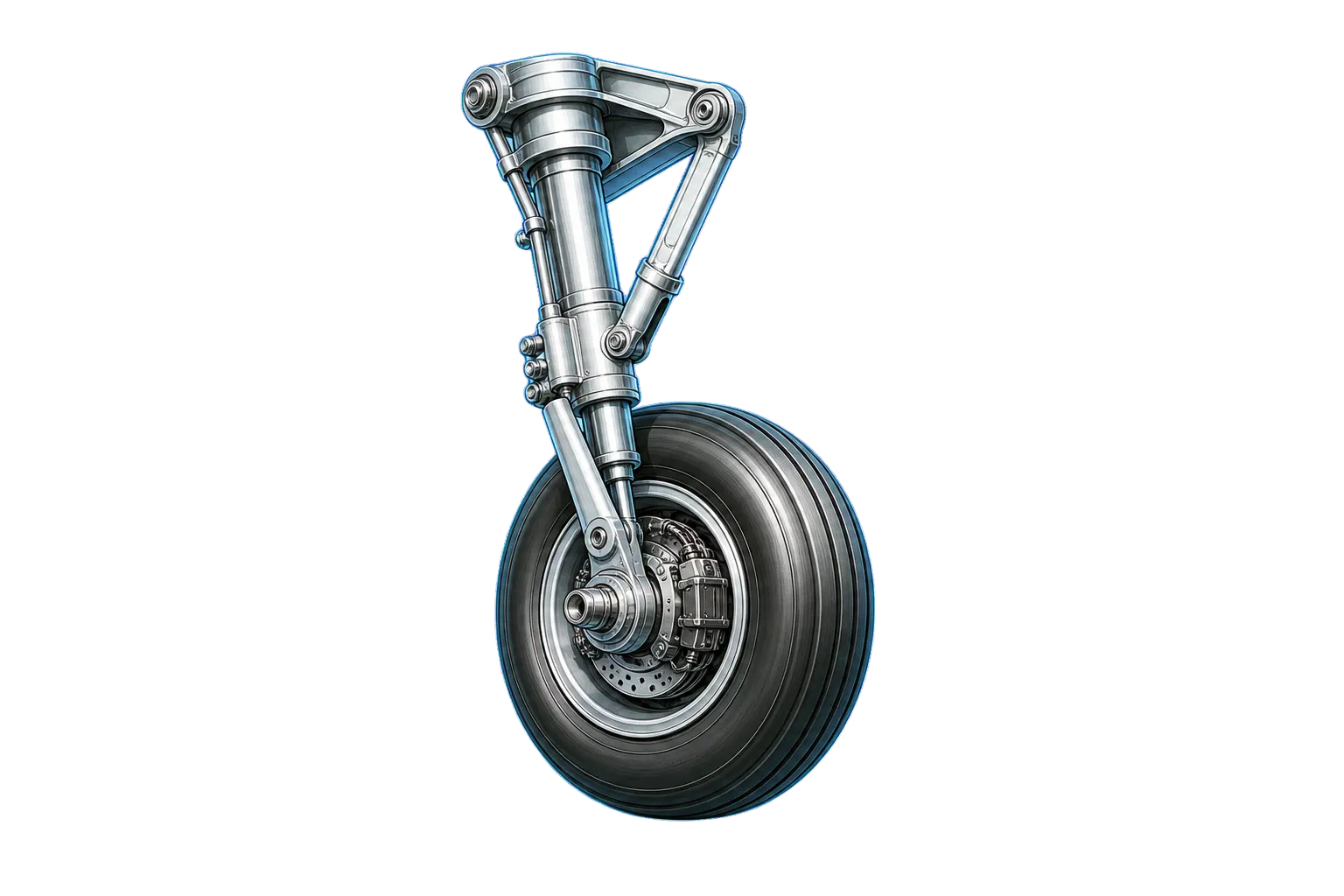
Unsafe Condition: improper inner diameter grinding of landing gear outer cylinders, resulting in possible heat damage to the outer cylinder of the nose landing gear (NLG), body landing gear (BLG), and wing landing g...
2024-19-01 Recurring
final ruleAirworthiness Directives; The Boeing Company Airplanes
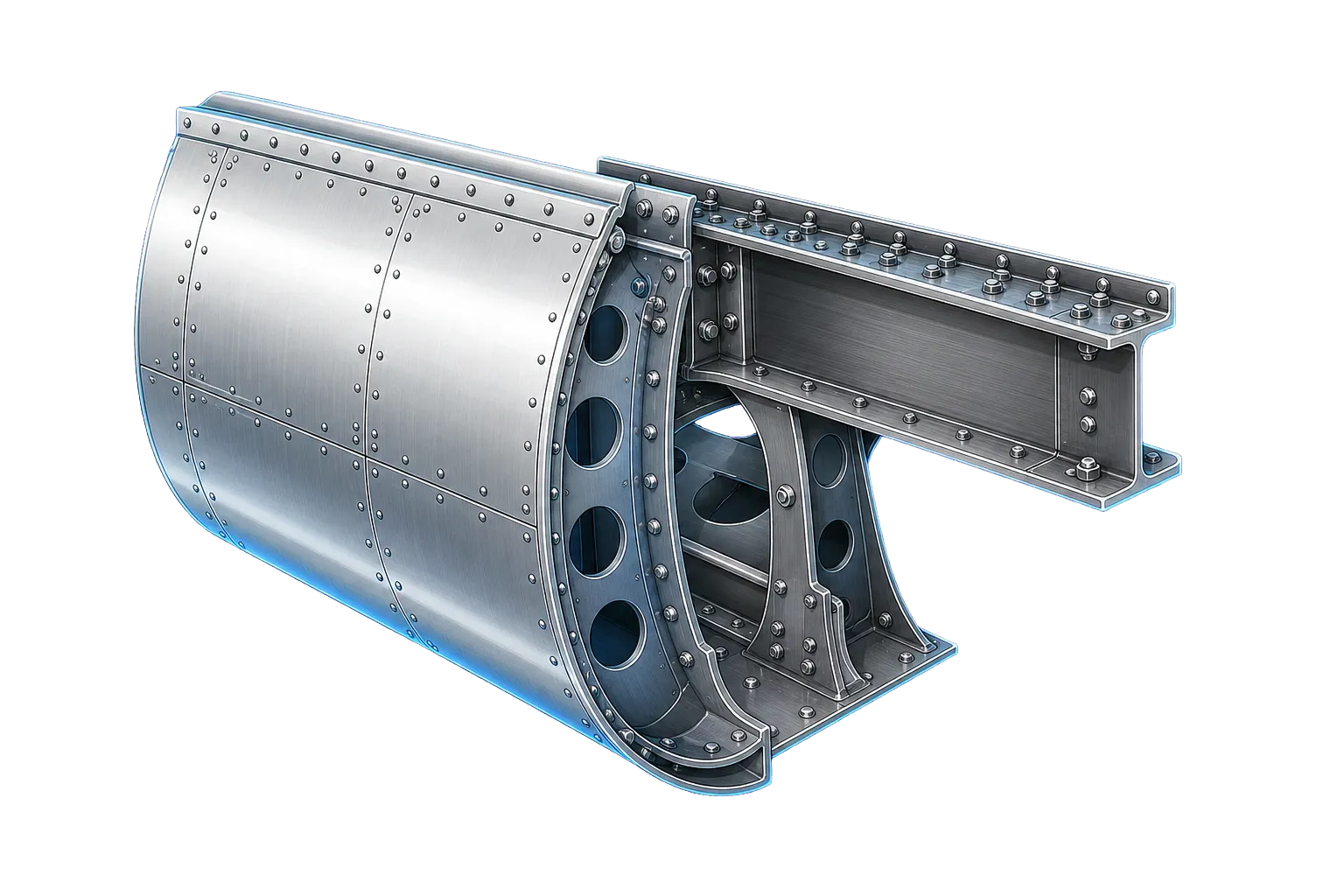
Unsafe Condition: cracks at eight fastener hole locations in the fuselage skin lap splice between stations (STAs) 1450 and 1470 at stringers S-23L and S-23R
2023-23-14
final ruleAirworthiness Directives; The Boeing Company Airplanes
Unsafe Condition: latent failures of the lightning protection features for the engine fuel feed system, which could result in the potential for ignition sources inside fuel tanks, leading to a fuel tank explosion an...