AD 57-13-05
Applicability
| Type | Manufacturer | Model | Details |
|---|---|---|---|
| aircraft | Hamilton Standard | Propeller Blades | HAMILTON STANDARD Applies to All Hamilton Standard Aluminum Alloy Blades Used in Hydromatic (Noncounterweight Type) Propellers |
| appliance | Hamilton Standard | Propeller Blades | HAMILTON STANDARD Applies to All Hamilton Standard Aluminum Alloy Blades Used in Hydromatic (Noncounterweight Type) Propellers |
Unsafe Condition
Severe corrosion in the seal area at the shank of blades not incorporating a corrosion barrier, as evidenced by a failed blade that did not have the recommended corrosion barriers from Service Bulletins 390 and 414A.
AI-generated summary from the source AD text. Verify against the official source before acting.
Required Actions
Inspect shank area for corrosion at each blade removal after December 1, 1957. Install corrosion barrier unless corrosion is found, in which case rework shank area per Service Bulletin 508. Remove blades reworked below minimum shank diameters.
AI-generated summary from the source AD text. Verify against the official source before acting.
Compliance Time
At each removal of propeller blade from hub after December 1, 1957, and prior to September 1, 1957, or 450 hours of operating time after July 1, 1957, whichever comes first for blades on P&W R2800 'B' type engines in C-46 aircraft.
AI-generated summary from the source AD text. Verify against the official source before acting.
Affected Aircraft
Hamilton Standard Aluminum Alloy Blades in Hydromatic (Noncounterweight Type) Propellers, excluding blades with integrally molded chafing rings or those with corrosion barriers from Service Bulletins 390, 414, 414A in good condition.
AI-generated summary from the source AD text. Verify against the official source before acting.
Federal Register Abstract
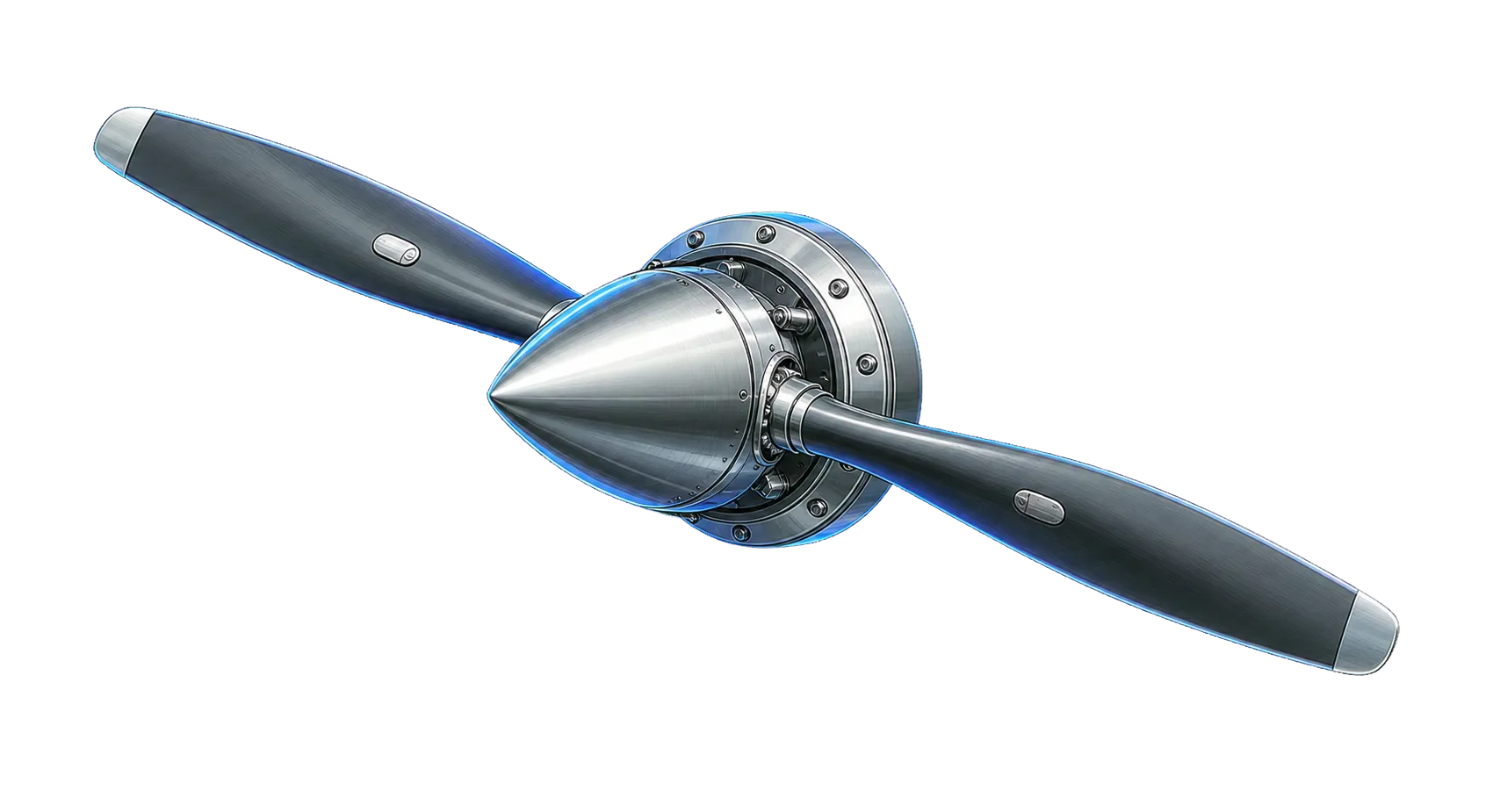
Propeller Shank
Applicability Source Text
Show captured applicability text from the source AD
AD Final Rules - DRS_57-13-05.html
Copy URL
Print/Save as PDF
Document Versions
 Feedback
Details
AD Number:
57-13-05
Document Type:
AD Final Rules
Docket Number:
Unknown
Subject Heading:
HAMILTON STANDARD Applies to All Hamilton Standard Aluminum Alloy Blades Used in Hydromatic (Noncoun...Show more
Subject:
Propeller Shank
Status:
Current
Citation:
This information is not available.
Citation Publish Date:
Effective Date:
Make:
Hamilton Standard
Model:
Propeller Blades
Product Type:
Appliance
Product Subtype:
Affected AD:
Superseded AD:
Affected By:
Superseded By:
Service/Office:
Office of Primary Responsibility:
CFR Part Reference:
Part 39
Comments:
AIRWORTHINESS DIRECTIVES FINAL RULES: 57-13-05
CITATION:   This information is not available.

PAGE NUMBER:

DOCKET NUMBER:   Unknown

AMENDMENT:

AD NUMBER:   57-13-05

SUBJECT HEADING:   HAMILTON STANDARD Applies to All Hamilton Standard Aluminum Alloy Blades Used in Hydromatic (Noncounterweight Type) Propellers

ACTION:

SUMMARY:

DATES:

ADDRESSES:

FOR FURTHER INFORMATION CONTACT:

SUPPLEMENTARY INFORMATION:

REGULATORY TEXT:   57-13-05 HAMILTON STANDARD: Applies to All Hamilton Standard Aluminum Alloy Blades Used in Hydromatic (Noncounterweight Type) Propellers, With the Exception of Blades With Integrally Molded Chafing Rings (Refer Hamilton Standard Service Bulletin No. 508) and With the Exception of Those Blades Already Incorporating Corrosion Barriers Installed in Accordance With Service Bulletins Numbers 390, 414, and 414A, Provided This Corrosion Barrier is in Good Condition.

Compliance required as noted.

1. At each removal of propeller blade from hub after December 1, 1957, inspect for corrosion the shank area of blades not incorporating a corrosion barrier. Operators who have experienced corrosion in the shank area of any blade in the past 5 years and those who find corrosion during the above inspection must install the corrosion barrier except as outlined in 2.

2. Prior to September 1, 1957, or 450 hours of operating time after July 1, 1957, whichever comes first, for blades installed on P&W R2800 "B" type engines (Refer FAA Engine Listing) in C-46 aircraft.

Investigation of a recently failed blade revealed the existence of severe corrosion in the seal area at the shank. This blade did not incorporate a corrosion barrier as recommended by the manufacturer's Service Bulletins Numbers 390 and 414A. In order to minimize the possibility of additional blade failures due to corrosion in the shank area, disassemble the propeller and inspect this area in accordance with Hamilton Standard Service Bulletin No. 508. If no corrosion is present and none is suspected, install the corrosion barrier on each blade in accordance with the instructions contained in the bulletin. If corrosion, pitting, staining, or other conditions indicating chemical attack on the basic blade material are found, rework the shank area in accordance with the instructions contained in the bulletin. Remove from service any blade reworked below the minimum shank diameters tabulated in the bulletin. Install the corrosion barrier on each acceptable blade prior to assembly of the propeller.

(Hamilton Standard Service Bulletin No. 508 covers this same subject.)

FOOTER:
Document Text
Show stored source text (verify against official source)
AD Final Rules - DRS_57-13-05.html
Copy URL
Print/Save as PDF
Document Versions
 Feedback
Details
AD Number:
57-13-05
Document Type:
AD Final Rules
Docket Number:
Unknown
Subject Heading:
HAMILTON STANDARD Applies to All Hamilton Standard Aluminum Alloy Blades Used in Hydromatic (Noncoun...Show more
Subject:
Propeller Shank
Status:
Current
Citation:
This information is not available.
Citation Publish Date:
Effective Date:
Make:
Hamilton Standard
Model:
Propeller Blades
Product Type:
Appliance
Product Subtype:
Affected AD:
Superseded AD:
Affected By:
Superseded By:
Service/Office:
Office of Primary Responsibility:
CFR Part Reference:
Part 39
Comments:
AIRWORTHINESS DIRECTIVES FINAL RULES: 57-13-05
CITATION:   This information is not available.

PAGE NUMBER:

DOCKET NUMBER:   Unknown

AMENDMENT:

AD NUMBER:   57-13-05

SUBJECT HEADING:   HAMILTON STANDARD Applies to All Hamilton Standard Aluminum Alloy Blades Used in Hydromatic (Noncounterweight Type) Propellers

ACTION:

SUMMARY:

DATES:

ADDRESSES:

FOR FURTHER INFORMATION CONTACT:

SUPPLEMENTARY INFORMATION:

REGULATORY TEXT:   57-13-05 HAMILTON STANDARD: Applies to All Hamilton Standard Aluminum Alloy Blades Used in Hydromatic (Noncounterweight Type) Propellers, With the Exception of Blades With Integrally Molded Chafing Rings (Refer Hamilton Standard Service Bulletin No. 508) and With the Exception of Those Blades Already Incorporating Corrosion Barriers Installed in Accordance With Service Bulletins Numbers 390, 414, and 414A, Provided This Corrosion Barrier is in Good Condition.

Compliance required as noted.

1. At each removal of propeller blade from hub after December 1, 1957, inspect for corrosion the shank area of blades not incorporating a corrosion barrier. Operators who have experienced corrosion in the shank area of any blade in the past 5 years and those who find corrosion during the above inspection must install the corrosion barrier except as outlined in 2.

2. Prior to September 1, 1957, or 450 hours of operating time after July 1, 1957, whichever comes first, for blades installed on P&W R2800 "B" type engines (Refer FAA Engine Listing) in C-46 aircraft.

Investigation of a recently failed blade revealed the existence of severe corrosion in the seal area at the shank. This blade did not incorporate a corrosion barrier as recommended by the manufacturer's Service Bulletins Numbers 390 and 414A. In order to minimize the possibility of additional blade failures due to corrosion in the shank area, disassemble the propeller and inspect this area in accordance with Hamilton Standard Service Bulletin No. 508. If no corrosion is present and none is suspected, install the corrosion barrier on each blade in accordance with the instructions contained in the bulletin. If corrosion, pitting, staining, or other conditions indicating chemical attack on the basic blade material are found, rework the shank area in accordance with the instructions contained in the bulletin. Remove from service any blade reworked below the minimum shank diameters tabulated in the bulletin. Install the corrosion barrier on each acceptable blade prior to assembly of the propeller.

(Hamilton Standard Service Bulletin No. 508 covers this same subject.)

FOOTER:
Source: Official FAA Source ↗
Retrieved: Apr 8, 2026
Rights: U.S. Government Public Domain
This site is not affiliated with or endorsed by the FAA. Always verify with official sources.
Related Airworthiness Directives
64-03-03
final ruleHAMILTON STANDARD Models All Standard Aluminum-Alloy Propellers
Unsafe Condition: Propeller blades may have undetected damage from impact with solid objects, leading to bending, twisting, or other structural failures that could result in blade separation or loss of thrust.
58-19-02
final ruleHAMILTON STANDARD Propellers
Unsafe Condition: The 2J17 Series propeller blades require exceptional maintenance procedures and repair techniques to ensure continued airworthiness, as indicated by adverse experiences.
50-52-01
final ruleHAMILTON STANDARD Models Hamilton Standard 2H17 Series Propellers
Unsafe Condition: Cracks and surface defects in Hamilton Standard 2H17 Series propeller blades, leading to blade tip shell loss in flight and unscheduled landings.
58-24-01
final ruleHAMILTON STANDARD Models 2H17K3, 2H17U3, 2H17AA3 and 2H17AC3 Propellers
Unsafe Condition: 2H17K3, 2H17U3, and 2H17AA3 blades have a substantial reduction in fatigue resistance after 5,000 operational hours. 2H17AC3 blades may require removal due to limited service data at 5,400 operatio...