AD 54-01-01
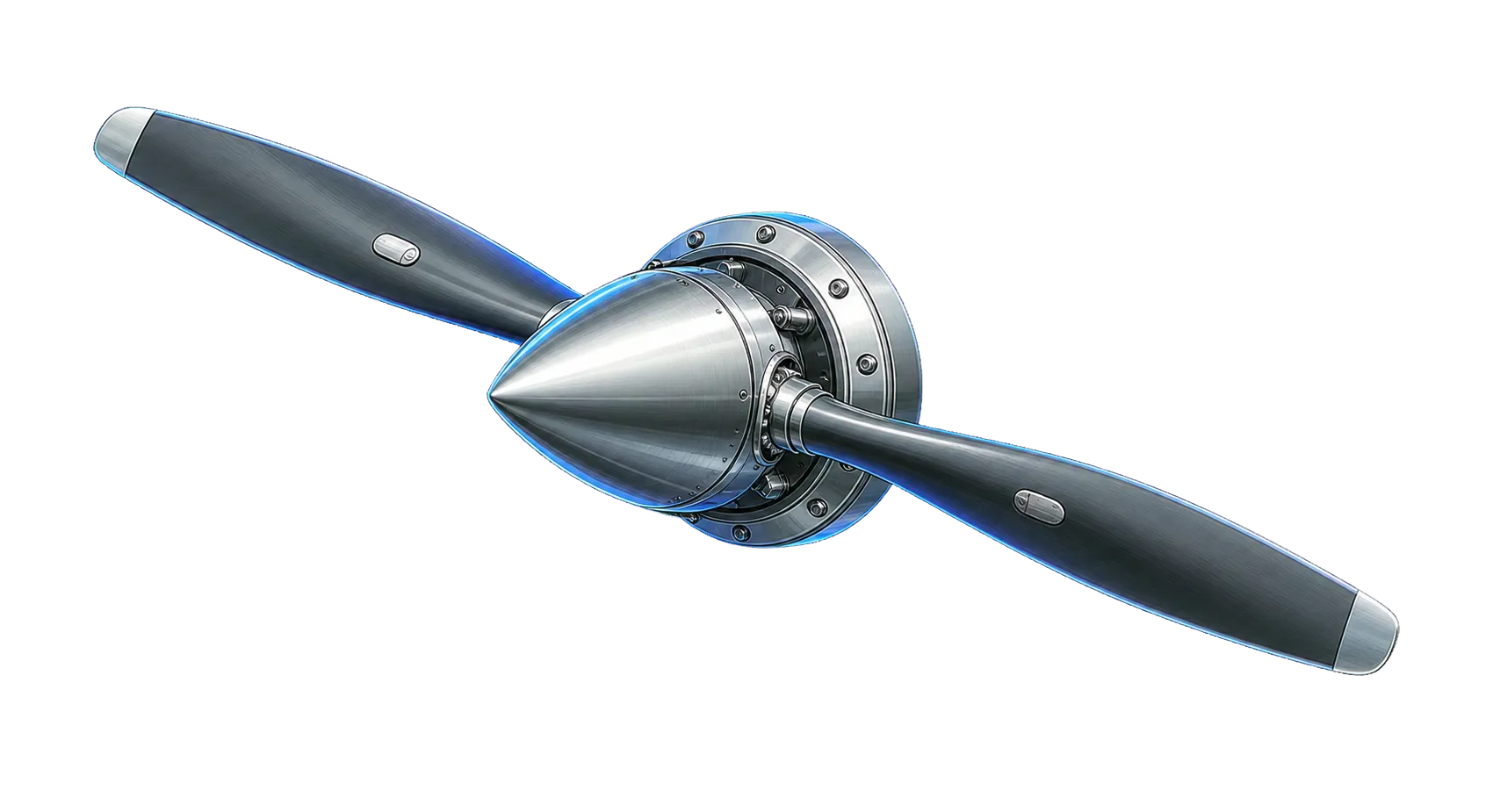
Applicability
| Type | Manufacturer | Model | Details |
|---|---|---|---|
| aircraft | Hamilton Standard Division | 232 | HAMILTON STANDARD Models 43D, 43E, 34D, 34E, 232 and 242 Propellers |
| aircraft | Hamilton Standard Division | 242 | HAMILTON STANDARD Models 43D, 43E, 34D, 34E, 232 and 242 Propellers |
| aircraft | Hamilton Standard Division | 34D | HAMILTON STANDARD Models 43D, 43E, 34D, 34E, 232 and 242 Propellers |
| aircraft | Hamilton Standard Division | 34E | HAMILTON STANDARD Models 43D, 43E, 34D, 34E, 232 and 242 Propellers |
| aircraft | Hamilton Standard Division | 43D | HAMILTON STANDARD Models 43D, 43E, 34D, 34E, 232 and 242 Propellers |
| aircraft | Hamilton Standard Division | 43E | HAMILTON STANDARD Models 43D, 43E, 34D, 34E, 232 and 242 Propellers |
| propeller | Hamilton Standard Division | 232 | HAMILTON STANDARD Models 43D, 43E, 34D, 34E, 232 and 242 Propellers |
| propeller | Hamilton Standard Division | 242 | HAMILTON STANDARD Models 43D, 43E, 34D, 34E, 232 and 242 Propellers |
| propeller | Hamilton Standard Division | 34D | HAMILTON STANDARD Models 43D, 43E, 34D, 34E, 232 and 242 Propellers |
| propeller | Hamilton Standard Division | 34E | HAMILTON STANDARD Models 43D, 43E, 34D, 34E, 232 and 242 Propellers |
| propeller | Hamilton Standard Division | 43D | HAMILTON STANDARD Models 43D, 43E, 34D, 34E, 232 and 242 Propellers |
| propeller | Hamilton Standard Division | 43E | HAMILTON STANDARD Models 43D, 43E, 34D, 34E, 232 and 242 Propellers |
Unsafe Condition
Unwanted reversal of Hamilton Standard propellers could occur due to broken plunger spring, oil film between armature and valve body, or foreign particle lodged between valve and seat in Model 67000 reverse solenoid valves.
AI-generated summary from the source AD text. Verify against the official source before acting.
Required Actions
Do not use Hamilton Standard Model 67000 reverse solenoid valves on civil aircraft subsequent to December 31, 1954.
AI-generated summary from the source AD text. Verify against the official source before acting.
Compliance Time
Compliance required as indicated.
AI-generated summary from the source AD text. Verify against the official source before acting.
Affected Aircraft
Hamilton Standard Models 43D, 43E, 34D, 34E, 232, and 242 propellers.
AI-generated summary from the source AD text. Verify against the official source before acting.
Federal Register Abstract
Solenoid Valves
Applicability Source Text
Show captured applicability text from the source AD
AD Final Rules - DRS_54-01-01.html
Copy URL
Print/Save as PDF
Document Versions
 Feedback
Details
AD Number:
54-01-01
Document Type:
AD Final Rules
Docket Number:
Unknown
Subject Heading:
HAMILTON STANDARD Models 43D, 43E, 34D, 34E, 232 and 242 Propellers
Subject:
Solenoid Valves
Status:
Current
Citation:
This information is not available.
Citation Publish Date:
Effective Date:
Make:
Hamilton Standard Division
Model:
232 | 242 | 34D | 34E | 43D | 43E
Product Type:
Propeller
Product Subtype:
Affected AD:
Superseded AD:
Affected By:
Superseded By:
Service/Office:
Office of Primary Responsibility:
CFR Part Reference:
Part 39
Comments:
AIRWORTHINESS DIRECTIVES FINAL RULES: 54-01-01
CITATION:   This information is not available.

PAGE NUMBER:

DOCKET NUMBER:   Unknown

AMENDMENT:

AD NUMBER:   54-01-01

SUBJECT HEADING:   HAMILTON STANDARD Models 43D, 43E, 34D, 34E, 232 and 242 Propellers

ACTION:

SUMMARY:

DATES:

ADDRESSES:

FOR FURTHER INFORMATION CONTACT:

SUPPLEMENTARY INFORMATION:

REGULATORY TEXT:
54-01-01 HAMILTON STANDARD: Applies to All Hamilton Standard Reversing Propellers Models 43D, 43E, 34D, 34E, 232 and 242.

Compliance required as indicated.

Subsequent to December 31, 1954, Hamilton Standard Model 67000 reverse solenoid valves shall not be used on civil aircraft.

Analysis has shown that unwanted reversal of Hamilton Standard propellers could possibly occur with use of the Hamilton Standard Model 67000 reverse solenoid valve if any of the following malfunctions of the valve were experienced:

1. A broken plunger spring. This could cause the valve to open fully.

2. A film of oil between the armature and the valve body. This could cause the valve to remain fully open.

3. A foreign particle lodged between the valve and its seat. This could cause a pressure buildup in the reverse oil passage.

Although there is no record of such malfunctions of this valve on civil aircraft, the potential hazards that exist indicate the desirability of precluding future use of this obsolete component.

FOOTER:
Document Text
Show stored source text (verify against official source)
AD Final Rules - DRS_54-01-01.html
Copy URL
Print/Save as PDF
Document Versions
 Feedback
Details
AD Number:
54-01-01
Document Type:
AD Final Rules
Docket Number:
Unknown
Subject Heading:
HAMILTON STANDARD Models 43D, 43E, 34D, 34E, 232 and 242 Propellers
Subject:
Solenoid Valves
Status:
Current
Citation:
This information is not available.
Citation Publish Date:
Effective Date:
Make:
Hamilton Standard Division
Model:
232 | 242 | 34D | 34E | 43D | 43E
Product Type:
Propeller
Product Subtype:
Affected AD:
Superseded AD:
Affected By:
Superseded By:
Service/Office:
Office of Primary Responsibility:
CFR Part Reference:
Part 39
Comments:
AIRWORTHINESS DIRECTIVES FINAL RULES: 54-01-01
CITATION:   This information is not available.

PAGE NUMBER:

DOCKET NUMBER:   Unknown

AMENDMENT:

AD NUMBER:   54-01-01

SUBJECT HEADING:   HAMILTON STANDARD Models 43D, 43E, 34D, 34E, 232 and 242 Propellers

ACTION:

SUMMARY:

DATES:

ADDRESSES:

FOR FURTHER INFORMATION CONTACT:

SUPPLEMENTARY INFORMATION:

REGULATORY TEXT:
54-01-01 HAMILTON STANDARD: Applies to All Hamilton Standard Reversing Propellers Models 43D, 43E, 34D, 34E, 232 and 242.

Compliance required as indicated.

Subsequent to December 31, 1954, Hamilton Standard Model 67000 reverse solenoid valves shall not be used on civil aircraft.

Analysis has shown that unwanted reversal of Hamilton Standard propellers could possibly occur with use of the Hamilton Standard Model 67000 reverse solenoid valve if any of the following malfunctions of the valve were experienced:

1. A broken plunger spring. This could cause the valve to open fully.

2. A film of oil between the armature and the valve body. This could cause the valve to remain fully open.

3. A foreign particle lodged between the valve and its seat. This could cause a pressure buildup in the reverse oil passage.

Although there is no record of such malfunctions of this valve on civil aircraft, the potential hazards that exist indicate the desirability of precluding future use of this obsolete component.

FOOTER:
Source: Official FAA Source ↗
Retrieved: Apr 8, 2026
Rights: U.S. Government Public Domain
This site is not affiliated with or endorsed by the FAA. Always verify with official sources.
Related Airworthiness Directives
54-01-02
final ruleHAMILTON STANDARD Models 43D, 43E, 34D, 34E, 232 and 242 Propellers
Unsafe Condition: The low pitch stop wedge can move forward from its position under the stop levers under vibratory conditions, allowing the propeller to travel into the reverse range upon governor demand for lower ...
54-10-01
final ruleHAMILTON STANDARD Models 23260, 24260, and 34D Series Propellers
Unsafe Condition: Fatigue in highly stressed areas of the servo piston shaft could cause breakage, leading to reverse system malfunction.
58-08-04
final ruleHAMILTON STANDARD Models 23260, 24260, 34D50, 34D51, 34E60, 43E60, and 43H60 Propellers
Unsafe Condition: The dome cap of propellers incorporating a pitch lock can become partially disengaged in flight, resulting in complete loss of propeller control.