AD 2003-14-15
Applicability
| Type | Manufacturer | Model | Details |
|---|---|---|---|
| aircraft | The Boeing Company | 747-100 Series | Airworthiness Directives; Boeing Model 747-100, 747-100B, 747- 100B SUD, 747-200B, 747-200F, 747-200C, 747-300, 747-400, 747-400D, 747-400F, and 747SR Series Airplanes |
| aircraft | The Boeing Company | 747-100B Series | Airworthiness Directives; Boeing Model 747-100, 747-100B, 747- 100B SUD, 747-200B, 747-200F, 747-200C, 747-300, 747-400, 747-400D, 747-400F, and 747SR Series Airplanes |
| aircraft | The Boeing Company | 747-100B SUD Series | Airworthiness Directives; Boeing Model 747-100, 747-100B, 747- 100B SUD, 747-200B, 747-200F, 747-200C, 747-300, 747-400, 747-400D, 747-400F, and 747SR Series Airplanes |
| aircraft | The Boeing Company | 747-200B Series | Airworthiness Directives; Boeing Model 747-100, 747-100B, 747- 100B SUD, 747-200B, 747-200F, 747-200C, 747-300, 747-400, 747-400D, 747-400F, and 747SR Series Airplanes |
| aircraft | The Boeing Company | 747-200C Series | Airworthiness Directives; Boeing Model 747-100, 747-100B, 747- 100B SUD, 747-200B, 747-200F, 747-200C, 747-300, 747-400, 747-400D, 747-400F, and 747SR Series Airplanes |
| aircraft | The Boeing Company | 747-200F Series | Airworthiness Directives; Boeing Model 747-100, 747-100B, 747- 100B SUD, 747-200B, 747-200F, 747-200C, 747-300, 747-400, 747-400D, 747-400F, and 747SR Series Airplanes |
| aircraft | The Boeing Company | 747-300 Series | Airworthiness Directives; Boeing Model 747-100, 747-100B, 747- 100B SUD, 747-200B, 747-200F, 747-200C, 747-300, 747-400, 747-400D, 747-400F, and 747SR Series Airplanes |
| aircraft | The Boeing Company | 747-400 Series | Airworthiness Directives; Boeing Model 747-100, 747-100B, 747- 100B SUD, 747-200B, 747-200F, 747-200C, 747-300, 747-400, 747-400D, 747-400F, and 747SR Series Airplanes |
| aircraft | The Boeing Company | 747-400D Series | Airworthiness Directives; Boeing Model 747-100, 747-100B, 747- 100B SUD, 747-200B, 747-200F, 747-200C, 747-300, 747-400, 747-400D, 747-400F, and 747SR Series Airplanes |
| aircraft | The Boeing Company | 747-400F Series | Airworthiness Directives; Boeing Model 747-100, 747-100B, 747- 100B SUD, 747-200B, 747-200F, 747-200C, 747-300, 747-400, 747-400D, 747-400F, and 747SR Series Airplanes |
| aircraft | The Boeing Company | 747SR Series | Airworthiness Directives; Boeing Model 747-100, 747-100B, 747- 100B SUD, 747-200B, 747-200F, 747-200C, 747-300, 747-400, 747-400D, 747-400F, and 747SR Series Airplanes |
Unsafe Condition
Cracking and fracture of the forward end clevis of the flap track, which could result in reduced structural capability of the flap and reduced controllability of the airplane.
AI-generated summary from the source AD text. Verify against the official source before acting.
Required Actions
Inspect for evidence of rotation or migration of the bushings or cracking of the lugs of the forward end clevis of the flap tracks. Replace the flap track with a new one if any cracking is found during the inspection. Accomplish a terminating action as specified.
AI-generated summary from the source AD text. Verify against the official source before acting.
Compliance Time
Within the specified inspection intervals as outlined in the AD.
AI-generated summary from the source AD text. Verify against the official source before acting.
Affected Aircraft
Boeing Model 747-100, 747-100B, 747-100B SUD, 747-200B, 747-200F, 747-200C, 747-300, 747-400, 747-400D, 747-400F, and 747SR series airplanes, as listed in Boeing Service Bulletin 747-57-2307, Revision 1, dated January 17, 2002.
AI-generated summary from the source AD text. Verify against the official source before acting.
Federal Register Abstract
This amendment supersedes an existing airworthiness directive (AD), applicable to certain Boeing Model 747 series airplanes, that currently requires inspections for cracking of the forward end clevis lugs of the flap track, and replacement of the flap track with a new flap track if necessary. That AD also currently provides for an optional modification of the forward end clevis lugs, which terminates the required inspections. This amendment expands the applicability of the existing AD, and requires new repetitive inspections for evidence of rotation or migration of the bushings or cracking of the lugs of the forward end clevis of the flap tracks that support the wing trailing edge flaps, corrective actions if necessary, and eventual accomplishment of a terminating action. These actions are necessary to prevent cracking and fracture of the forward end clevis of the flap track, which could result in reduced structural capability of the flap and reduced controllability of the airplane. This action is intended to address the identified unsafe condition.
Document Text
Show stored source text (verify against official source)
[Federal Register Volume 68, Number 139 (Monday, July 21, 2003)]
[Rules and Regulations]
[Pages 42948-42950]
From the Federal Register Online via the Government Publishing Office [<a href="http://www.gpo.gov">www.gpo.gov</a>]
[FR Doc No: 03-17772]


[[Page 42948]]

=======================================================================
-----------------------------------------------------------------------

DEPARTMENT OF TRANSPORTATION

Federal Aviation Administration

14 CFR Part 39

[Docket No. 2002-NM-55-AD; Amendment 39-13234; AD 2003-14-15]
RIN 2120-AA64


Airworthiness Directives; Boeing Model 747-100, 747-100B, 747-
100B SUD, 747-200B, 747-200F, 747-200C, 747-300, 747-400, 747-400D,
747-400F, and 747SR Series Airplanes

AGENCY: Federal Aviation Administration, DOT.

ACTION: Final rule.

-----------------------------------------------------------------------

SUMMARY: This amendment supersedes an existing airworthiness directive
(AD), applicable to certain Boeing Model 747 series airplanes, that
currently requires inspections for cracking of the forward end clevis
lugs of the flap track, and replacement of the flap track with a new
flap track if necessary. That AD also currently provides for an
optional modification of the forward end clevis lugs, which terminates
the required inspections. This amendment expands the applicability of
the existing AD, and requires new repetitive inspections for evidence
of rotation or migration of the bushings or cracking of the lugs of the
forward end clevis of the flap tracks that support the wing trailing
edge flaps, corrective actions if necessary, and eventual
accomplishment of a terminating action. These actions are necessary to
prevent cracking and fracture of the forward end clevis of the flap
track, which could result in reduced structural capability of the flap
and reduced controllability of the airplane. This action is intended to
address the identified unsafe condition.

DATES: Effective August 25, 2003.
    The incorporation by reference of certain publications listed in
the regulations is approved by the Director of the Federal Register as
of August 25, 2003.

ADDRESSES: The service information referenced in this AD may be
obtained from Boeing Commercial Airplane Group, P.O. Box 3707, Seattle,
Washington 98124-2207. This information may be examined at the Federal
Aviation Administration (FAA), Transport Airplane Directorate, Rules
Docket, 1601 Lind Avenue, SW., Renton, Washington; or at the Office of
the Federal Register, 800 North Capitol Street, NW., suite 700,
Washington, DC.

FOR FURTHER INFORMATION CONTACT: Gary Oltman, Aerospace Engineer,
Airframe Branch, ANM-120S, FAA, Seattle Aircraft Certification Office,
1601 Lind Avenue, SW., Renton, Washington 98055-4056; telephone (425)
917-6443; fax (425) 917-6590.

SUPPLEMENTARY INFORMATION: A proposal to amend part 39 of the Federal
Aviation Regulations (14 CFR part 39) by superseding AD 90-24-09,
amendment 39-6815 (55 FR 48228, November 20, 1990), which is applicable
to certain Boeing Model 747 series airplanes, was published in the
Federal Register on December 2, 2002 (67 FR 71497). The action proposed
to continue to require inspections for cracking of the forward end
clevis lugs of the flap track, and replacement of the flap track with a
new flap track if necessary. The action also provided for an optional
modification of the forward end clevis lugs, which would terminate the
required inspections. The action proposed to expand the applicability
of the existing AD, require new repetitive inspections for evidence of
rotation or migration of the bushings or cracking of the lugs of the
forward end clevis of the flap tracks that support the wing trailing
edge flaps, and require corrective actions if necessary. The action
also proposed to require eventual accomplishment of a terminating
action.

Comments

    Interested persons have been afforded an opportunity to participate
in the making of this amendment. The FAA has given due consideration to
the single comment received.

Request To Clarify Corrective Action

    One commenter notes that the procedures for the Terminating Action
in part 2 of Boeing Service Bulletin 747-57-2307, Revision 1, dated
January 17, 2002, include a magnetic particle inspection of the clevis
bore of a machined flap track assembly. The commenter points out that
no corrective action is specified if a crack is found, though the
commenter assumes that the flap track must be replaced. The commenter
states that both the service bulletin and proposed AD should specify a
corrective action.
    We partially agree with the commenter. We note that, where the
service bulletin specifies a magnetic particle inspection, the service
bulletin refers to Boeing Standard Overhaul Practices Manual 20-20-01,
Class A, Critical, for information pertaining to the inspection. We
note that the acceptance criteria in that document do not allow
cracking. Thus, a cracked flap track may not be used and must be
replaced with a new flap track.
    However, we agree that we could clarify the need to replace the
existing flap track with a new flap track if any cracking is found
during the magnetic particle inspection that is included in the
procedures for the terminating action required by this AD. Therefore,
we have revised paragraph (h) of this final rule to specify that, if a
crack is found during any inspection required by paragraph (d), (i), or
(j) of this AD (or paragraph (e), (f), or (g)(2)(i) of this AD, as
specified in paragraph (h) of the proposed AD), the cracked flap track
must be replaced with a new flap track before further flight.

Explanation of Editorial Change

    We have revised paragraph (f) of this AD to make it clear that
accomplishment of the terminating modification in paragraph (d) or (i)
of this AD ends the repetitive inspections required by paragraph (f) of
this AD.

Conclusion

    After careful review of the available data, including the comment
noted above, the FAA has determined that air safety and the public
interest require the adoption of the rule with the changes previously
described. The FAA has determined that these changes will neither
increase the economic burden on any operator nor increase the scope of
the AD.

Changes to 14 CFR Part 39/Effect on the Proposed AD

    On July 10, 2002, the FAA issued a new version of 14 CFR part 39
(67 FR 47997, July 22, 2002), which governs the FAA's airworthiness
directives system. The regulation now includes material that relates to
altered products, special flight permits, and alternative methods of
compliance. Because we have now included this material in part 39, we
no longer need to include it in each individual AD. However, for
clarity and consistency in this final rule, we have retained the
language of the NPRM regarding that material.

Explanation of Change to Cost Impact

    After the proposed AD was issued, we reviewed the figures we use to
calculate the labor rate to do the required actions. To account for
various inflationary costs in the airline industry, we find it
appropriate to increase the labor rate used in these calculations from
$60 per work hour to $65 per work hour. The economic impact
information, below, has been revised to reflect this increase in the
specified hourly labor rate.

Cost Impact

    There are approximately 1,002 Model 747-100, 747-100B, 747-100B
SUD, 747-200B, 747-200F, 747-200C, 747-

[[Page 42949]]

300, 747-400, 747-400D, 747-400F, and 747SR series airplanes of the
affected design in the worldwide fleet. The FAA estimates that 219
airplanes of U.S. registry will be affected by this AD.
    The actions that are currently required by AD 90-24-09 take
approximately 2 work hours per airplane, at an average labor rate of
$65 per work hour. Based on these figures, the cost impact of the
currently required actions is estimated to be $130 per airplane, per
inspection cycle.
    The new inspections that are required by this AD take approximately
2 work hours per airplane, at an average labor rate of $65 per work
hour. Based on these figures, the cost impact of the new inspections on
U.S. operators is estimated to be $28,470, or $130 per airplane, per
inspection cycle.
    The cost impact figures discussed above are based on assumptions
that no operator has yet accomplished any of the requirements of this
AD action, and that no operator would accomplish those actions in the
future if this AD were not adopted. The cost impact figures discussed
in AD rulemaking actions represent only the time necessary to perform
the specific actions actually required by the AD. These figures
typically do not include incidental costs, such as the time required to
gain access and close up, planning time, or time necessitated by other
administrative actions.

Regulatory Impact

    The regulations adopted herein will not have a substantial direct
effect on the States, on the relationship between the national
Government and the States, or on the distribution of power and
responsibilities among the various levels of government. Therefore, it
is determined that this final rule does not have federalism
implications under Executive Order 13132.
    For the reasons discussed above, I certify that this action (1) is
not a ``significant regulatory action'' under Executive Order 12866;
(2) is not a ``significant rule'' under DOT Regulatory Policies and
Procedures (44 FR 11034, February 26, 1979); and (3) will not have a
significant economic impact, positive or negative, on a substantial
number of small entities under the criteria of the Regulatory
Flexibility Act. A final evaluation has been prepared for this action
and it is contained in the Rules Docket. A copy of it may be obtained
from the Rules Docket at the location provided under the caption
ADDRESSES.

List of Subjects in 14 CFR Part 39

    Air transportation, Aircraft, Aviation safety, Incorporation by
reference, Safety.

Adoption of the Amendment

0
Accordingly, pursuant to the authority delegated to me by the
Administrator, the Federal Aviation Administration amends part 39 of
the Federal Aviation Regulations (14 CFR part 39) as follows:

PART 39--AIRWORTHINESS DIRECTIVES

0
1. The authority citation for part 39 continues to read as follows:

    Authority: 49 U.S.C. 106(g), 40113, 44701.


Sec.  39.13  [Amended]

0
2. Section 39.13 is amended by removing amendment 39-6815 (55 FR 48228,
November 20, 1990), and by adding a new airworthiness directive (AD),
amendment 39-13234, to read as follows:

2003-14-15 Boeing: Amendment 39-13234. Docket 2002-NM-55-AD.
Supersedes AD 90-24-09, Amendment 39-6815.

    Applicability: Model 747-100, 747-100B, 747-100B SUD, 747-200B,
747-200F, 747-200C, 747-300, 747-400, 747-400D, 747-400F, and 747SR
series airplanes; as listed in Boeing Service Bulletin 747-57-2307,
Revision 1, dated January 17, 2002; certificated in any category.

    Note 1: This AD applies to each airplane identified in the
preceding applicability provision, regardless of whether it has been
modified, altered, or repaired in the area subject to the
requirements of this AD. For airplanes that have been modified,
altered, or repaired so that the performance of the requirements of
this AD is affected, the owner/operator must request approval for an
alternative method of compliance in accordance with paragraph (k)(1)
of this AD. The request should include an assessment of the effect
of the modification, alteration, or repair on the unsafe condition
addressed by this AD; and, if the unsafe condition has not been
eliminated, the request should include specific proposed actions to
address it.

    Compliance: Required as indicated, unless accomplished
previously.
    To prevent cracking and fracture of the forward end clevis of
the flap track, which could result in reduced structural capability
of the flap and reduced controllability of the airplane, accomplish
the following:

Restatement of Requirements of AD 90-24-09

Initial Inspection

    (a) For airplanes listed in Boeing Service Bulletin 747-57-2231,
Revision 2, dated September 27, 1990: Perform a detailed inspection
of the forward end clevis lugs of the flap tracks for evidence of
cracking, according to Boeing Service Bulletin 747-57-2231, Revision
2, dated September 27, 1990, and according to the following
schedule:
    (1) For airplanes listed in Group 1 in the service bulletin:
Perform the inspection at flap track positions 1 through 8 within
the next 30 days after December 5, 1990 (the effective date of AD
90-24-09, amendment 39-6815).
    (2) For airplanes listed in Group 2 in the service bulletin:
Perform the inspection at flap track positions 1, 2, 7, and 8 prior
to the later of the following:
    (i) Prior to the accumulation of 30,000 flight hours or 8 years
after airplane delivery, whichever occurs first; or
    (ii) Within 120 days after December 5, 1990.
    (3) For airplanes listed in Group 3 in the service bulletin:
Perform the inspection at flap track positions 1 through 8 prior to
the later of the following:
    (i) Prior to the accumulation of 30,000 flight hours or 8 years
after airplane delivery, whichever occurs first; or
    (ii) Within 120 days after December 5, 1990.

Flap Track Replacement

    (b) If cracking is found during any inspection required by
paragraph (a) of this AD, replace the flap track prior to further
flight, according to Boeing Service Bulletin 747-57-2231, Revision
2, dated September 27, 1990.

Repetitive Inspections

    (c) If no cracking is found during any inspection required by
paragraph (a) of this AD, repeat the inspection required by
paragraph (a) of this AD at intervals not to exceed 300 flight
cycles for Group 1 airplanes, and 1,200 flight cycles for Group 2
and Group 3 airplanes, until paragraph (d), (e), or (i) of this AD
has been done.

Optional Terminating Action

    (d) For airplanes listed in Boeing Service Bulletin 747-57-2231,
Revision 2, dated September 27, 1990: Accomplishment of the
modification of the forward end clevis lugs of the flap tracks as
specified in Boeing Service Bulletin 747-57-2231, Revision 2, dated
September 27, 1990, constitutes terminating action for the
requirements of paragraphs (a), (c), (e), and (i) of this AD.

New Requirements of this AD

    Note 2: For the purposes of this AD, a detailed inspection is
defined as: ``An intensive visual examination of a specific
structural area, system, installation, or assembly to detect damage,
failure, or irregularity. Available lighting is normally
supplemented with a direct source of good lighting at intensity
deemed appropriate by the inspector. Inspection aids such as mirror,
magnifying lenses, etc., may be used. Surface cleaning and elaborate
access procedures may be required.''

Detailed Inspections

    (e) At the applicable compliance time specified in paragraph
(e)(1) or (e)(2) of this AD, perform detailed inspections for
evidence of rotation or migration of the bushings (including cracked
or missing sealant around the bushing flange, or a gap between the
bushing flange and the lug face)

[[Page 42950]]

or cracking of the lugs of the forward end clevis of the flap tracks
that support the wing trailing edge flaps, according to Part 1 of
the Work Instructions in Boeing Service Bulletin 747-57-2307,
Revision 1, dated January 17, 2002.
    (1) For airplanes inspected before the effective date of this AD
according to paragraph (a) of this AD: Do the inspection in
paragraph (e) of this AD at the time specified in paragraph
(e)(1)(i) or (e)(1)(ii) of this AD, as applicable. Doing this
inspection terminates the requirements of paragraph (c) of this AD.
    (i) For airplanes listed in Group 1 of Boeing Service Bulletin
747-57-2231, Revision 2: Inspect within 300 flight cycles after the
most recent inspection per paragraph (a) or (c) of this AD.
    (ii) For airplanes listed in Group 2 or 3 of Boeing Service
Bulletin 747-57-2231, Revision 2: Inspect within 1,200 flight cycles
after the most recent inspection per paragraph (a) or (c) of this
AD.
    (2) For airplanes not inspected before the effective date of
this AD according to paragraph (a) of this AD: Do the inspection in
paragraph (e) of this AD at the time specified in paragraph
(e)(2)(i) or (e)(2)(ii) of this AD, whichever occurs later. This
terminates the requirement to do paragraph (a) of this AD.
    (i) Within 8 years after the earlier of the date of issuance of
the original Airworthiness Certificate or the date of issuance of
the Export Certificate of Airworthiness, or before the accumulation
of 30,000 total flight hours, whichever occurs first.
    (ii) Within 300 flight cycles or 120 days after the effective
date of this AD, whichever occurs first.

Repetitive Inspections

    (f) If no evidence of migration or rotation of the bushings or
cracking of the lugs is found during the inspection required by
paragraph (e) of this AD: Repeat the inspections at the applicable
repetitive interval specified in Figure 1 of Boeing Service Bulletin
747-57-2307, Revision 1, dated January 17, 2002, until the
terminating modification of paragraph (d) or (i) of this AD has been
done.

Corrective Actions and Repetitive Inspections

    (g) If evidence of migration or rotation of the bushings is
found during any inspection required by paragraph (e) or (f) of this
AD, but no cracking is found: Do paragraph (g)(1) or (g)(2) of this
AD, as applicable, according to Boeing Service Bulletin 747-57-2307,
Revision 1, dated January 17, 2002.
    (1) For airplanes listed in Group 1 in the service bulletin and
flap track numbers 3 and 6 on airplanes listed in Group 2 of the
service bulletin: Before further flight, do the terminating
modification in paragraph (i) of this AD, as specified in paragraph
(i)(2) of this AD.
    (2) For airplanes other than those identified in paragraph
(g)(1) of this AD: Before further flight, apply corrosion-inhibiting
compound according to the service bulletin, and do paragraphs
(g)(2)(i) and (g)(2)(ii) of this AD at the intervals specified in
those paragraphs, until paragraph (d) or (i) of this AD is done. Do
paragraph (i) of this AD at the applicable time specified in
paragraph (i)(2) of this AD.
    (i) Repeat the inspections in paragraph (e) of this AD at the
intervals specified in Figure 1 of the service bulletin.
    (ii) Apply corrosion-inhibiting compound according to the
service bulletin at intervals not to exceed 200 flight cycles.

Replacement of Flap Track

    (h) If any cracking is found during any inspection required by
paragraph (d), (e), (f), (g)(2)(i), (i), or (j) of this AD: Before
further flight, replace the cracked flap track with a new flap
track, according to Boeing Service Bulletin 747-57-2307, Revision 1,
dated January 17, 2002. Replacement with a new flap track having a
part number listed in the ``New Part Number'' column of the table
under paragraph 2.E. of the service bulletin constitutes terminating
action for the requirements of this AD for the replaced track.

Terminating Modification

    (i) At the applicable time specified in paragraph (i)(1) or
(i)(2) of this AD: Do all actions (including but not limited to
machining, performing magnetic particle inspections, and applying
cadmium plating to the clevis bore and bushing) associated with
replacing the bushings of the forward end clevis with new bushings
with a higher interference fit on flap tracks 1, 2, 3, 4, 5, 6, 7,
and 8; as applicable; according to Boeing Service Bulletin 747-57-
2307, Revision 1, dated January 17, 2002. This replacement
terminates the requirements of this AD.
    (1) If no evidence of migration or rotation of the bushings or
cracking of the lugs is found during any inspection required by
paragraph (e) or (f) of this AD: Do the replacement within 8 years
after the effective date of this AD.
    (2) If any evidence of bushing migration or rotation is found
during any inspection required by paragraph (e) or (f) of this AD:
Do the replacement at the applicable time specified in Figure 1 of
the service bulletin.

Credit for Actions According to Previous Revision of Service
Bulletin

    (j) Inspections, corrective actions, and terminating action done
before the effective date of this AD according to Boeing Service
Bulletin 747-57-2307, dated July 29, 1999, are considered acceptable
for compliance with the corresponding action specified in this AD.

Alternative Methods of Compliance

    (k)(1) An alternative method of compliance or adjustment of the
compliance time that provides an acceptable level of safety may be
used if approved by the Manager, Seattle Aircraft Certification
Office (ACO), FAA. Operators shall submit their requests through an
appropriate FAA Principal Maintenance Inspector, who may add
comments and then send it to the Manager, Seattle ACO.
    (2) Alternative methods of compliance, approved previously
according to AD 90-24-09, amendment 39-6815, are approved as
alternative methods of compliance with paragraphs (a), (b), (c), and
(d) of this AD.

    Note 3: Information concerning the existence of approved
alternative methods of compliance with this AD, if any, may be
obtained from the Seattle ACO.

Special Flight Permits

    (l) Special flight permits may be issued in accordance with
sections 21.197 and 21.199 of the Federal Aviation Regulations (14
CFR 21.197 and 21.199) to operate the airplane to a location where
the requirements of this AD can be accomplished.

Incorporation by Reference

    (m) Unless otherwise specified in this AD, the actions shall be
done in accordance with Boeing Service Bulletin 747-57-2231,
Revision 2, dated September 27, 1990; and Boeing Service Bulletin
747-57-2307, Revision 1, dated January 17, 2002; as applicable. This
incorporation by reference was approved by the Director of the
Federal Register in accordance with 5 U.S.C. 552(a) and 1 CFR part
51. Copies may be obtained from Boeing Commercial Airplane Group,
P.O. Box 3707, Seattle, Washington 98124-2207. Copies may be
inspected at the FAA, Transport Airplane Directorate, 1601 Lind
Avenue, SW., Renton, Washington; or at the Office of the Federal
Register, 800 North Capitol Street, NW., suite 700, Washington, DC.

Effective Date

    (n) This amendment becomes effective on August 25, 2003.

    Issued in Renton, Washington, on July 8, 2003.
Ali Bahrami,
Acting Manager, Transport Airplane Directorate, Aircraft Certification
Service.
[FR Doc. 03-17772 Filed 7-18-03; 8:45 am]
BILLING CODE 4910-13-P
Source: Official FAA Source ↗
Retrieved: Apr 6, 2026
Rights: U.S. Government Public Domain
This site is not affiliated with or endorsed by the FAA. Always verify with official sources.
Related Airworthiness Directives
2025-09-08
final ruleAirworthiness Directives; The Boeing Company Airplanes
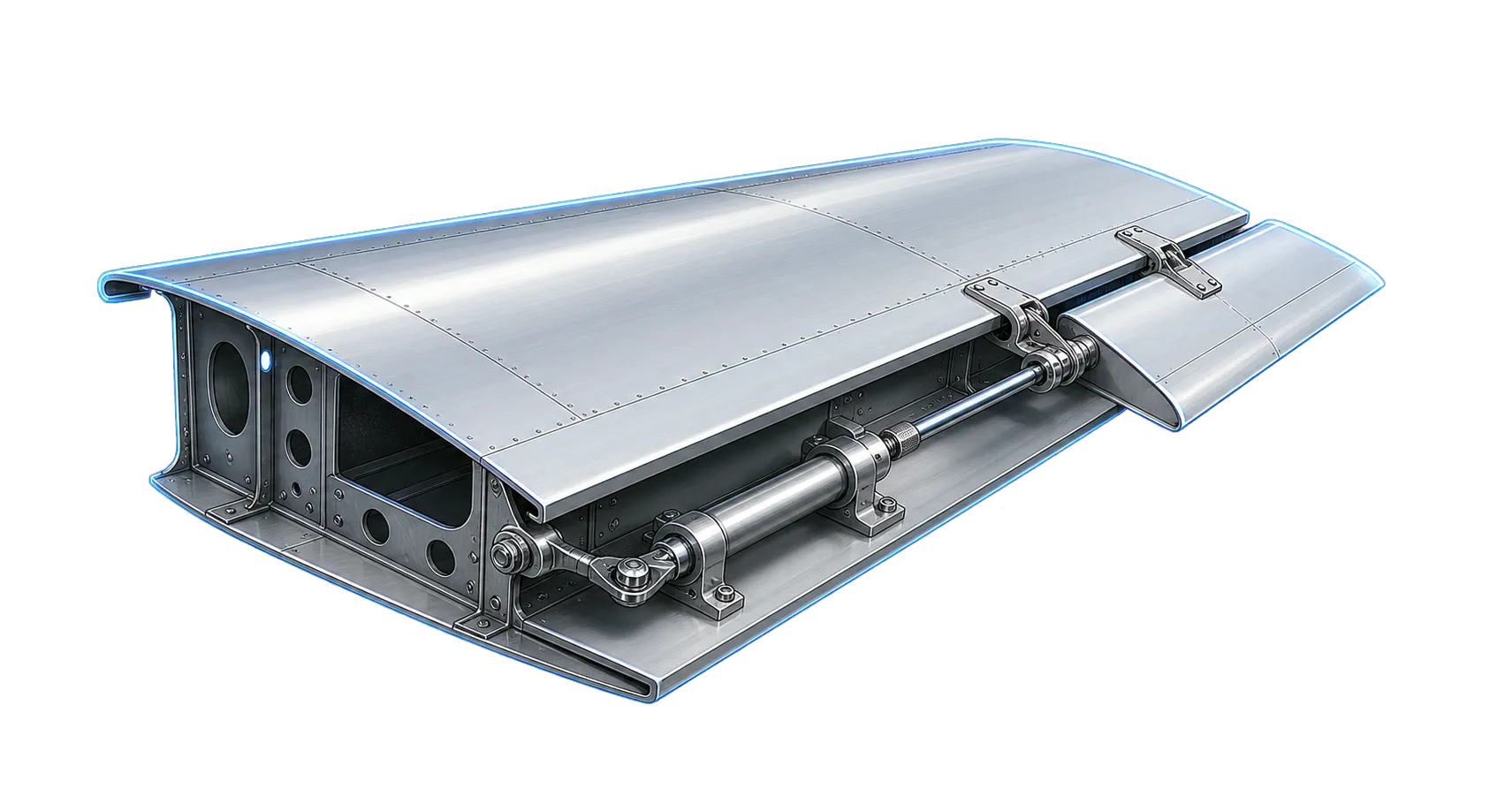
Unsafe Condition: Outboard elevators without balance weights could result in abnormal vibration, buffeting, flutter, or oscillation that could result in loss of continued safe flight and landing. Additionally, outbo...
2025-02-05
final ruleAirworthiness Directives; The Boeing Company Airplanes
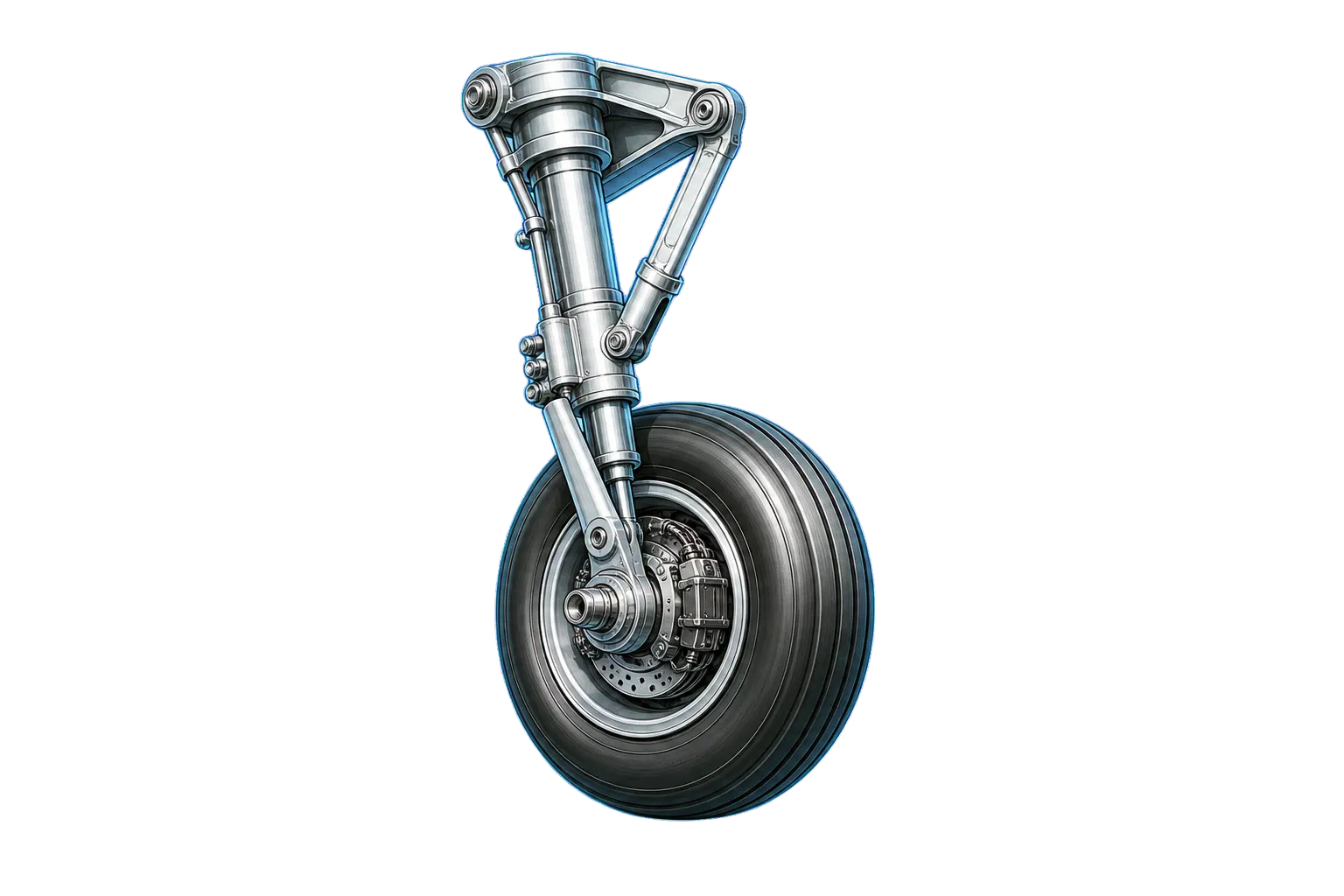
Unsafe Condition: improper inner diameter grinding of landing gear outer cylinders, resulting in possible heat damage to the outer cylinder of the nose landing gear (NLG), body landing gear (BLG), and wing landing g...
2024-19-01 Recurring
final ruleAirworthiness Directives; The Boeing Company Airplanes
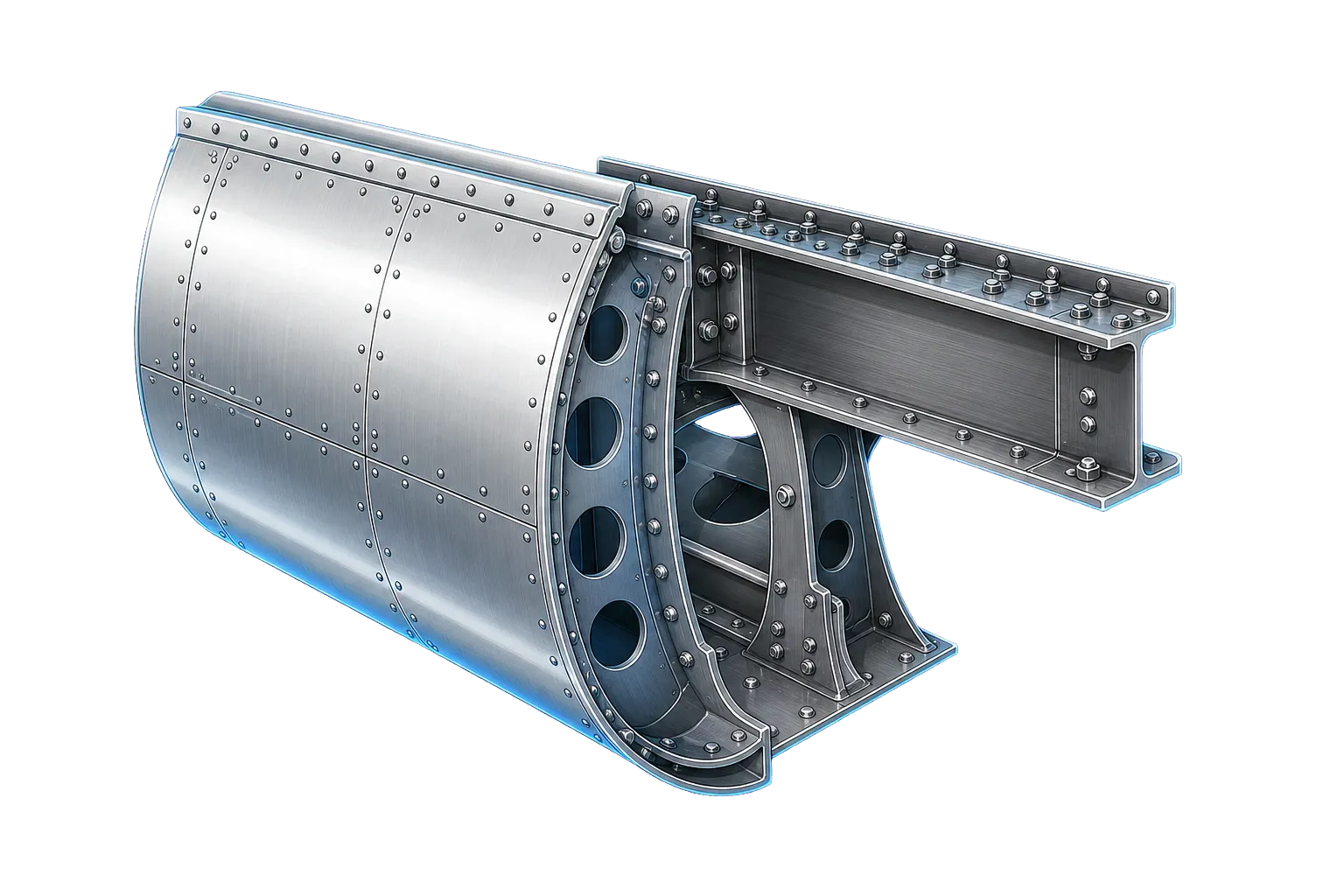
Unsafe Condition: cracks at eight fastener hole locations in the fuselage skin lap splice between stations (STAs) 1450 and 1470 at stringers S-23L and S-23R
2023-23-14
final ruleAirworthiness Directives; The Boeing Company Airplanes
Unsafe Condition: latent failures of the lightning protection features for the engine fuel feed system, which could result in the potential for ignition sources inside fuel tanks, leading to a fuel tank explosion an...