AD 2002-24-51
Applicability
| Type | Manufacturer | Model | Details |
|---|---|---|---|
| aircraft | The Boeing Company | 737-600 Series | Airworthiness Directives; Boeing Model 737-600, -700, -700C, -800, and -900 Series Airplanes; Model 747 Series Airplanes; and Model 757 Series Airplanes |
| aircraft | The Boeing Company | 737-700 Series | Airworthiness Directives; Boeing Model 737-600, -700, -700C, -800, and -900 Series Airplanes; Model 747 Series Airplanes; and Model 757 Series Airplanes |
| aircraft | The Boeing Company | 737-700C Series | Airworthiness Directives; Boeing Model 737-600, -700, -700C, -800, and -900 Series Airplanes; Model 747 Series Airplanes; and Model 757 Series Airplanes |
| aircraft | The Boeing Company | 737-800 Series | Airworthiness Directives; Boeing Model 737-600, -700, -700C, -800, and -900 Series Airplanes; Model 747 Series Airplanes; and Model 757 Series Airplanes |
| aircraft | The Boeing Company | 737-900 Series | Airworthiness Directives; Boeing Model 737-600, -700, -700C, -800, and -900 Series Airplanes; Model 747 Series Airplanes; and Model 757 Series Airplanes |
| aircraft | The Boeing Company | 747-100 Series | Airworthiness Directives; Boeing Model 737-600, -700, -700C, -800, and -900 Series Airplanes; Model 747 Series Airplanes; and Model 757 Series Airplanes |
| aircraft | The Boeing Company | 747-100B Series | Airworthiness Directives; Boeing Model 737-600, -700, -700C, -800, and -900 Series Airplanes; Model 747 Series Airplanes; and Model 757 Series Airplanes |
| aircraft | The Boeing Company | 747-100B SUD Series | Airworthiness Directives; Boeing Model 737-600, -700, -700C, -800, and -900 Series Airplanes; Model 747 Series Airplanes; and Model 757 Series Airplanes |
| aircraft | The Boeing Company | 747-200B Series | Airworthiness Directives; Boeing Model 737-600, -700, -700C, -800, and -900 Series Airplanes; Model 747 Series Airplanes; and Model 757 Series Airplanes |
| aircraft | The Boeing Company | 747-200C Series | Airworthiness Directives; Boeing Model 737-600, -700, -700C, -800, and -900 Series Airplanes; Model 747 Series Airplanes; and Model 757 Series Airplanes |
| aircraft | The Boeing Company | 747-200F Series | Airworthiness Directives; Boeing Model 737-600, -700, -700C, -800, and -900 Series Airplanes; Model 747 Series Airplanes; and Model 757 Series Airplanes |
| aircraft | The Boeing Company | 747-300 Series | Airworthiness Directives; Boeing Model 737-600, -700, -700C, -800, and -900 Series Airplanes; Model 747 Series Airplanes; and Model 757 Series Airplanes |
| aircraft | The Boeing Company | 747-400 Series | Airworthiness Directives; Boeing Model 737-600, -700, -700C, -800, and -900 Series Airplanes; Model 747 Series Airplanes; and Model 757 Series Airplanes |
| aircraft | The Boeing Company | 747-400D Series | Airworthiness Directives; Boeing Model 737-600, -700, -700C, -800, and -900 Series Airplanes; Model 747 Series Airplanes; and Model 757 Series Airplanes |
| aircraft | The Boeing Company | 747-400F Series | Airworthiness Directives; Boeing Model 737-600, -700, -700C, -800, and -900 Series Airplanes; Model 747 Series Airplanes; and Model 757 Series Airplanes |
| aircraft | The Boeing Company | 747SP Series | Airworthiness Directives; Boeing Model 737-600, -700, -700C, -800, and -900 Series Airplanes; Model 747 Series Airplanes; and Model 757 Series Airplanes |
| aircraft | The Boeing Company | 747SR Series | Airworthiness Directives; Boeing Model 737-600, -700, -700C, -800, and -900 Series Airplanes; Model 747 Series Airplanes; and Model 757 Series Airplanes |
| aircraft | The Boeing Company | 757-200 Series | Airworthiness Directives; Boeing Model 737-600, -700, -700C, -800, and -900 Series Airplanes; Model 747 Series Airplanes; and Model 757 Series Airplanes |
| aircraft | The Boeing Company | 757-200CB Series | Airworthiness Directives; Boeing Model 737-600, -700, -700C, -800, and -900 Series Airplanes; Model 747 Series Airplanes; and Model 757 Series Airplanes |
| aircraft | The Boeing Company | 757-200PF Series | Airworthiness Directives; Boeing Model 737-600, -700, -700C, -800, and -900 Series Airplanes; Model 747 Series Airplanes; and Model 757 Series Airplanes |
| aircraft | The Boeing Company | 757-300 Series | Airworthiness Directives; Boeing Model 737-600, -700, -700C, -800, and -900 Series Airplanes; Model 747 Series Airplanes; and Model 757 Series Airplanes |
Unsafe Condition
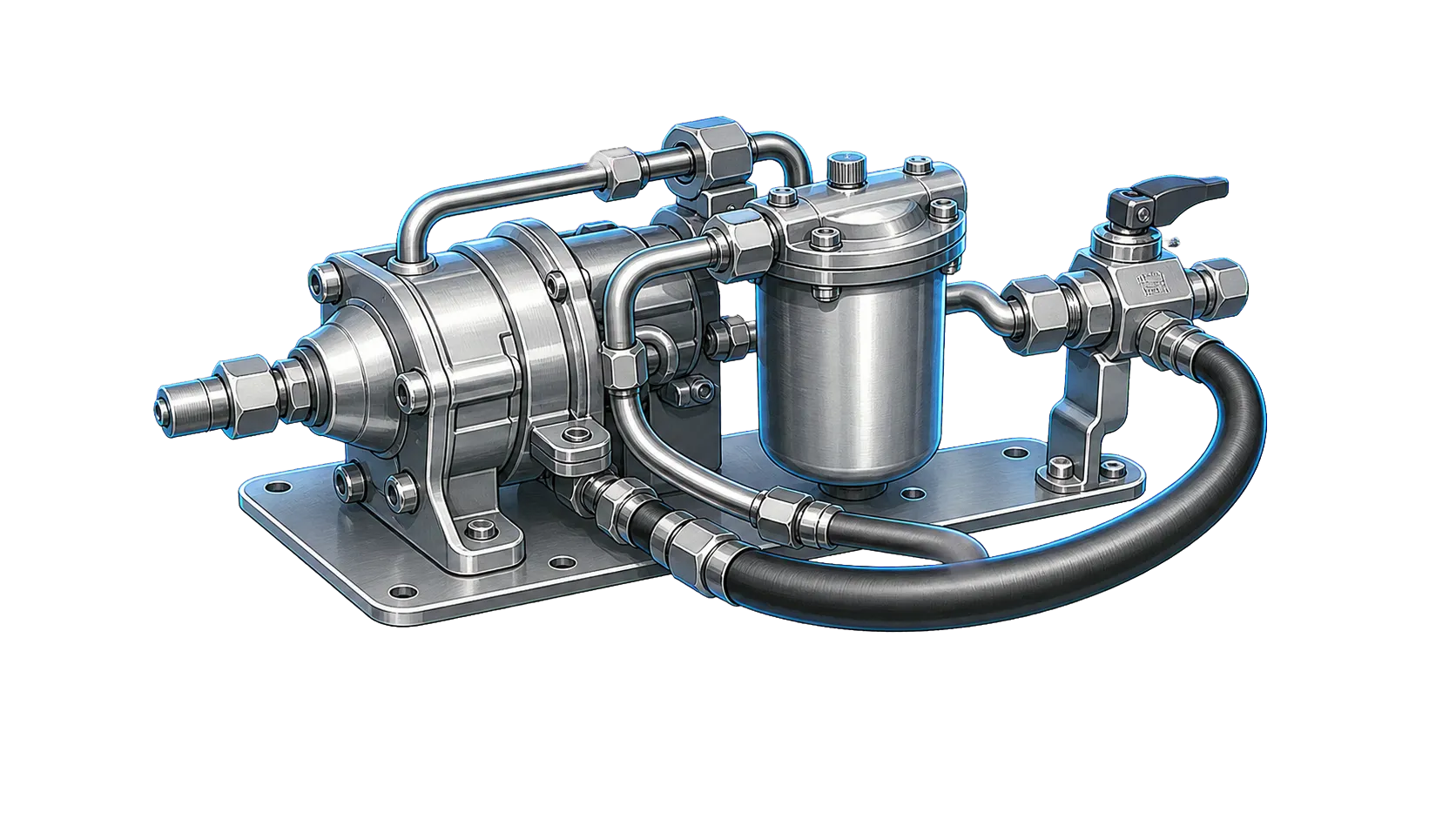
Evidence of extreme localized overheating in the priming and vapor pump section of fuel pumps, which could provide an ignition source in the fuel tank during dry running, potentially leading to fire/explosion.
AI-generated summary from the source AD text. Verify against the official source before acting.
Required Actions
Revise the Airplane Flight Manual to require flightcrews to maintain certain minimum fuel levels in the center fuel tanks. For certain airplanes, prohibit the use of the horizontal stabilizer fuel tank and certain center auxiliary fuel tanks.
AI-generated summary from the source AD text. Verify against the official source before acting.
Compliance Time
Before further flight
AI-generated summary from the source AD text. Verify against the official source before acting.
Affected Aircraft
Boeing Model 737-600, -700, -700C, -800, and -900 Series Airplanes; Model 747 Series Airplanes; and Model 757 Series Airplanes.
AI-generated summary from the source AD text. Verify against the official source before acting.
Federal Register Abstract
This document publishes in the Federal Register an amendment adopting airworthiness directive (AD) 2002-24-51 that was sent previously to all known U.S. owners and operators of the airplane models described previously by individual notices. This AD requires revising the Airplane Flight Manual to require the flightcrew to maintain certain minimum fuel levels in the center fuel tanks and, for certain airplanes, to prohibit the use of the horizontal stabilizer fuel tank and the certain center auxiliary fuel tanks. This action is prompted by reports indicating that two fuel tank pumps showed evidence of extreme localized overheating of parts in the priming and vapor pump section of the fuel pump; such overheating provides an ignition source in the fuel tank during dry running of the pump, which could result in fire/explosion of the fuel tank. The actions specified by this AD are intended to require the flightcrew to maintain certain minimum fuel levels in the center fuel tanks and, for certain airplanes and, for certain airplanes to prohibit the use of the horizontal stabilizer fuel tank and certain center auxiliary fuel tanks.
Document Text
Show stored source text (verify against official source)
[Federal Register Volume 68, Number 1 (Thursday, January 2, 2003)]
[Rules and Regulations]
[Pages 10-14]
From the Federal Register Online via the Government Publishing Office [<a href="http://www.gpo.gov">www.gpo.gov</a>]
[FR Doc No: 02-32883]
-----------------------------------------------------------------------
DEPARTMENT OF TRANSPORTATION
Federal Aviation Administration
14 CFR Part 39
[Docket No. 2002-NM-309-AD; Amendment 39-12992; AD 2002-24-51]
RIN 2120-AA64
Airworthiness Directives; Boeing Model 737-600, -700, -700C, -
800, and -900 Series Airplanes; Model 747 Series Airplanes; and Model
757 Series Airplanes
AGENCY: Federal Aviation Administration, (DOT).
ACTION: Final rule; request for comments.
-----------------------------------------------------------------------
SUMMARY: This document publishes in the Federal Register an amendment
adopting airworthiness directive (AD) 2002-24-51 that was sent
previously to all known U.S. owners and operators of the airplane
models described previously by individual notices. This AD requires
revising the Airplane Flight Manual to require the flightcrew to
maintain certain minimum fuel levels in the center fuel tanks and, for
certain airplanes, to prohibit the use of the horizontal stabilizer
fuel tank and the certain center auxiliary fuel tanks. This action is
prompted by reports indicating that two fuel tank pumps showed evidence
of extreme localized overheating of parts in the priming and vapor pump
section of the fuel pump; such overheating provides an ignition source
in the fuel tank during dry running of the pump, which could result in
fire/explosion of the fuel tank. The actions specified by this AD are
intended to require the flightcrew to maintain certain minimum fuel
levels in the center fuel tanks and, for certain airplanes and, for
certain airplanes to prohibit the use of the horizontal stabilizer fuel
tank and certain center auxiliary fuel tanks.
DATES: Effective January 7, 2003, to all persons except those persons
to whom it was made immediately effective by emergency AD 2002-24-51,
issued November 23, 2002, which contained the requirements of this
amendment.
Comments for inclusion in the Rules Docket must be received on or
before March 3, 2003.
ADDRESSES: Submit comments in triplicate to the Federal Aviation
Administration (FAA), Transport Airplane Directorate, ANM-114,
Attention: Rules Docket No. 2002-NM-309-AD, 1601 Lind Avenue, SW.,
Renton, Washington 98055-4056. Comments may be inspected at this
[[Page 11]]
location between 9 a.m. and 3 p.m., Monday through Friday, except
Federal holidays. Comments may be submitted via fax to (425) 227-1232.
Comments may also be sent via the Internet using the following address:
<a href="/cdn-cgi/l/email-protection#97aebaf6f9fabafef6e5f4f8fafaf2f9e3d7f1f6f6b9f0f8e1"><span class="__cf_email__" data-cfemail="ffc6d29e9192d2969e8d9c9092929a918bbf999e9ed1989089">[email protected]</span></a>. Comments sent via fax or the Internet must
contain ``Docket No. 2002-NM-309-AD'' in the subject line and need not
be submitted in triplicate. Comments sent via the Internet as attached
electronic files must be formatted in Microsoft Word 97 for Windows or
ASCII text.
Information pertaining to this amendment may be examined at the
FAA, Transport Airplane Directorate, 1601 Lind Avenue, SW., Renton,
Washington; or at the Office of the Federal Register, 800 North Capitol
Street, NW., suite 700, Washington, DC.
FOR FURTHER INFORMATION CONTACT: Bernie Gonzalez, Aerospace Engineer,
Propulsion Branch, ANM-140S, FAA, Seattle Aircraft Certification
Office, 1601 Lind Avenue, SW., Renton, Washington 98055-4056; telephone
(425) 227-2682; fax (425) 227-1181.
SUPPLEMENTARY INFORMATION: On November 23, 2002, the FAA issued
emergency AD 2002-24-51, which is applicable to all Boeing Model 737-
600, -700, -700C, -800, and -900 series airplanes; Model 747 series
airplanes; and Model 757 series airplanes.
The FAA has received reports indicating that two fuel tank pumps
from different Model 747 series airplanes showed evidence of extreme
localized overheating of parts in the priming and vapor pump section of
the fuel pump. The priming and vapor pump section of the pump is open
to the fuel tank via the pump inlet line and the vapor vent of the
pump. The cause of this overheating is believed to be friction between
the pump parts; however, the specific cause of the friction is unknown
at this time.
One of the two pumps was an override/jettison pump of the inboard
main tank. The pump had been removed so that X-ray inspections
specified in AD 2002-19-52, amendment 39-12900 (67 FR 61253, September
30, 2002), could be performed. The pump had been installed on the
airplane for 6,000 flight hours. Since scoring was found on the inducer
housing of the pump, the pump was disassembled, at which time evidence
of severe overheating of the priming and vapor pump section was found.
The Stellite (cobalt/chrome/nickel/iron alloy) end plates of the
priming and vapor section of the pump were blued and cracked from
thermal stress, and the steel pump shaft in that same area was also
blued. According to the pump manufacturer, bluing of the steel and/or
Stellite materials is evidence of temperatures in excess of 1,100
degrees Fahrenheit. It is believed that such temperatures could only be
reached during dry running of the pump. The previous operational
history of this pump is under investigation to determine how dry
running could have occurred. Adjacent areas of the shaft were
blackened. In addition, the aluminum bearing housing adjacent to the
back side of the end plate had melted.
The other pump was an override/jettison pump of the center tank,
which had been removed from a Model 747-400 series airplane due to a
low pressure warning received in the flight deck. The pump had been
installed on the airplane for 3,500 flight hours. The pump was found
with the thermal fuses of the electrical motor winding open, which
indicates an overheat condition in the motor section. Such overheating
may be due to the pump rotor dragging or locking. Evidence of severe
overheating of the priming and vapor pump section was found. The end
plates of the priming and vapor section of the pump were blued and
cracked from thermal stress, and the pump shaft in that same area was
blued.
Such overheating of the parts in the priming and vapor pump section
of the fuel pump provides an ignition source in the fuel tank during
dry running of the pump, which could result in fire/explosion of the
fuel tank.
Similar Parts
The pumps involved in the two reports described previously have the
same part numbers as those that were addressed in AD 2002-19-52. The
fuel pumps installed on Model 737-600, -700, -700C, -800, and -900;
Model 747; and Model 757 series airplanes are all potentially affected
since the pumps are almost identical in design.
FAA's Determination
In light of these reports, we find that procedures must be included
in the Airplane Flight Manual (AFM) to require the flightcrew to
maintain certain minimum fuel levels in the center fuel tanks, and to
prohibit the use of the horizontal stabilizer fuel tank (for Model 747-
400 series airplanes) and certain center auxiliary fuel tanks (on Model
747 series airplanes). Those procedures specify crew monitoring of fuel
levels and shutoff of center fuel tank pumps at specified levels that
ensure the pump inlet remains covered during pump operation. Covering
the pump inlet prevents fuel vapors from coming into contact with
potentially overheated parts in the priming and vapor pump section of
the fuel pump, and likely prevents the overheating condition itself.
Those procedures also require deactivation of the horizontal stabilizer
tank on Model 747-400 series airplanes and certain auxiliary fuel tanks
of Model 747 series airplanes because the small size of the tank and
the high flow rate of the pumps make it impractical to effectively
apply an early shutoff procedure.
Explanation of Requirements of the Rule
Since the unsafe condition described is likely to exist or develop
on other airplanes of the same type design, the FAA issued emergency AD
2002-24-51 to revising the AFM to require the flightcrew to maintain
certain minimum fuel levels in the center fuel tanks, and to prohibit
the use of the horizontal stabilizer fuel tank (for Model 747-400
series airplanes) and certain center auxiliary fuel tanks (on Model 747
series airplanes).
Some operators may already have accomplished the AFM revisions
required by this AD since those revisions are identical to the AFM
revisions required by AD 2002-19-52. However, the terminating action
(i.e., X-ray inspections of the fuel pumps) provided by AD 2002-19-52
allows operators to remove those AFM revisions. The unsafe condition
addressed in AD 2002-19-52 was caused by chafed wiring, so the
terminating action for that AD is not effective in eliminating the
unsafe condition addressed in this AD. Therefore, for operators that
have accomplished the terminating action specified in AD 2002-19-52,
this new AD requires that those AFM revisions be reinstated.
Interim Action
This is considered to be interim action until final action is
identified, at which time the FAA may consider further rulemaking.
Since it was found that immediate corrective action was required,
notice and opportunity for prior public comment thereon were
impracticable and contrary to the public interest, and good cause
existed to make the AD effective immediately by individual notices
issued on November 23, 2002, to all known U.S. owners and operators of
all Boeing Model 737-600, -700, -700C, -800, and -900 series airplanes;
Model 747 series airplanes; and Model 757 series airplanes. These
conditions still exist, and the AD is hereby published in the Federal
Register as an amendment to section 39.13 of the Federal Aviation
[[Page 12]]
Regulations (14 CFR 39.13) to make it effective to all persons.
Comments Invited
Although this action is in the form of a final rule that involves
requirements affecting flight safety and, thus, was not preceded by
notice and an opportunity for public comment, comments are invited on
this rule. Interested persons are invited to comment on this rule by
submitting such written data, views, or arguments as they may desire.
Communications shall identify the Rules Docket number and be submitted
in triplicate to the address specified under the caption ADDRESSES. All
communications received on or before the closing date for comments will
be considered, and this rule may be amended in light of the comments
received. Factual information that supports the commenter's ideas and
suggestions is extremely helpful in evaluating the effectiveness of the
AD action and determining whether additional rulemaking action would be
needed.
Comments are specifically invited on the overall regulatory,
economic, environmental, and energy aspects of the rule that might
suggest a need to modify the rule. All comments submitted will be
available, both before and after the closing date for comments, in the
Rules Docket for examination by interested persons. A report that
summarizes each FAA-public contact concerned with the substance of this
AD will be filed in the Rules Docket.
Commenters wishing the FAA to acknowledge receipt of their comments
submitted in response to this rule must submit a self-addressed,
stamped postcard on which the following statement is made: ``Comments
to Docket Number 2002-NM-309-AD.'' The postcard will be date stamped
and returned to the commenter.
Regulatory Impact
The regulations adopted herein will not have a substantial direct
effect on the States, on the relationship between the national
Government and the States, or on the distribution of power and
responsibilities among the various levels of government. Therefore, it
is determined that this final rule does not have federalism
implications under Executive Order 13132.
The FAA has determined that this regulation is an emergency
regulation that must be issued immediately to correct an unsafe
condition in aircraft, and that it is not a ``significant regulatory
action'' under Executive Order 12866. It has been determined further
that this action involves an emergency regulation under DOT Regulatory
Policies and Procedures (44 FR 11034, February 26, 1979). If it is
determined that this emergency regulation otherwise would be
significant under DOT Regulatory Policies and Procedures, a final
regulatory evaluation will be prepared and placed in the Rules Docket.
A copy of it, if filed, may be obtained from the Rules Docket at the
location provided under the caption ADDRESSES.
List of Subjects in 14 CFR Part 39
Air transportation, Aircraft, Aviation safety, Safety.
Adoption of the Amendment
Accordingly, pursuant to the authority delegated to me by the
Administrator, the Federal Aviation Administration amends part 39 of
the Federal Aviation Regulations (14 CFR part 39) as follows:
PART 39--AIRWORTHINESS DIRECTIVES
1. The authority citation for part 39 continues to read as follows:
Authority: 49 U.S.C. 106(g), 40113, 44701.
Sec. 39.13 [Amended]
2. Section 39.13 is amended by adding the following new
airworthiness directive:
2002-24-51 Boeing: Amendment 39-12992. Docket 2002-NM-309-AD.
Applicability: Model 737-600, -700, -700C, -800, and -900 series
airplanes; Model 747 series airplanes; and Model 757 series
airplanes; certificated in any category.
Compliance: Required as indicated, unless accomplished
previously.
To require the flightcrew to maintain certain minimum fuel
levels in the center fuel tanks, and to prohibit the use of the
horizontal stabilizer fuel tank (for Model 747-400 series airplanes)
and certain center auxiliary fuel tanks (on Model 747 series
airplanes), accomplish the following:
Note 1: Accomplishment of the actions required by paragraphs (a)
through (d) of AD 2002-19-52, amendment 39-12900, is acceptable for
compliance with the requirements of paragraphs (b) through (e) of
this AD. This AD does not require that those actions be repeated
unless the terminating actions specified in paragraphs (g) and (h)
of AD 2002-19-52 have been accomplished and the AFM revisions and
placard(s) have been removed.
(a) Accomplishment of the terminating actions specified in
paragraphs (g) and (h) of AD 2002-19-52, amendment 39-12900, does
not allow removal of the AFM revisions required by paragraphs (a),
(b), (c), and (d) of AD 2002-19-52, or paragraphs (b), (c), (d), and
(e) of this AD.
Airplane Flight Manual (AFM) Revision: Model 737-600, -700, -700C, -
800, and -900
(b) For Model 737-600, -700, -700C, -800, and -900 series
airplanes: Within 4 days after receipt of this AD, revise the
Limitations Section of the AFM to include the following (this may be
accomplished by inserting a copy of this AD into the AFM):
``Certificate Limitations
The center tank fuel pumps must be OFF for takeoff if center
tank fuel is less than 5,000 pounds (2,300 kilograms) with the
airplane readied for initial taxi.
Both center tank fuel pump switches must be selected Off when
center tank fuel quantity reaches approximately 1,000 pounds (500
kilograms) during climb and cruise or 3,000 pounds (1,400 kilograms)
during descent and landing. The fuel pumps must be positioned Off at
the first indication of fuel pump low pressure.
The CWT fuel quantity indication system must be operative to
dispatch with CWT mission fuel.
Note
The CONFIG indicator will annunciate when center tank fuel
exceeds 1,600 pounds (800 kilograms) and the center tank fuel pump
switches are Off. Do not accomplish the CONFIG non-normal procedure
prior to or during takeoff with less than 5,000 pounds (2,300
kilograms) of center tank fuel or during descent and landing with
less than 3,000 pounds (1,400 kilograms) of center tank fuel.
Note
In a low fuel situation, both center tank pumps may be selected
On and all center tank fuel may be used.
If the main tanks are not full, the zero fuel gross weight of
the airplane plus the weight of center tank fuel may exceed the
maximum zero fuel gross weight by up to 5,000 pounds (2,300
kilograms) for takeoff, climb and cruise and up to 3,000 pounds
(1,400 kilograms) for descent and landing, provided that the effects
of balance (CG) have been considered.
If a center tank fuel pump fails with fuel in the center tank,
accomplish the Fuel Pump Low Pressure non-normal procedure.
When defueling center or main wing tanks, the Fuel Pump Low
Pressure indication lights must be monitored and the fuel pumps
positioned to Off at the first indication of fuel pump low pressure.
Defueling with passengers on board is prohibited.
The limitations contained in this AD supersede any conflicting
basic airplane flight manual limitations.''
AFM Revision: Model 747-100, -200B, -200F, -200C, -100B, -300, -100B
SUD, 747SR, and 747SP
(c) For Model 747-100, -200B, -200F, -200C, -100B, -300, -100B
SUD, 747SR, and 747SP series airplanes: Within 4 days after receipt
of this AD, revise the Limitations Section of the AFM to include the
following (this may be accomplished by inserting a copy of this AD
into the AFM):
[[Page 13]]
``Certificate Limitations
Fueling and use of the center auxiliary fuel tank and auxiliary
fuel tanks 1 and 4 (if installed) is prohibited.
The center wing tank (CWT) must contain a minimum of 17,000
pounds (7,700 kilograms) of fuel prior to engine start, if the CWT
override/jettison pumps are to be selected On during flight.
The CWT fuel quantity indication system must be operative to
dispatch with CWT mission fuel.
Both CWT override/jettison pump switches must be selected Off at
or before the CWT fuel quantity reaches 7,000 pounds (3,200
kilograms), if the CWT fuel quantity is less than 50,000 pounds
(22,700 kilograms) prior to engine start. The CWT override pumps may
be selected On during stabilized cruise conditions. Both CWT
override/jettison pump switches must be selected Off at or before
the CWT fuel quantity reaches 3,000 pounds (1,400 kilograms).
Both CWT override/jettison pump switches must be selected Off at
or before the CWT fuel quantity reaches 3,000 pounds (1,400
kilograms), if the CWT fuel quantity is greater than or equal to
50,000 pounds (22,700 kilograms) prior to engine start.
Both CWT override/jettison pumps must be selected Off when
either CWT override/jettison fuel pump low pressure light
illuminates.
Warning
Do not reset a tripped fuel pump circuit breaker.
Warning
Do not cycle the CWT pump switches from On to Off to On with any
continuous low pressure indication present.
Note
The CWT may be emptied normally in an emergency fuel jettison.
Note
In a low fuel situation, both CWT override/jettison pumps may be
selected On and all CWT fuel may be used.
If a center wing tank pump fails with fuel in the center tank,
shut off the affected fuel pump.
If the main tanks are not full, the zero fuel gross weight of
the airplane plus the weight of CWT tank fuel may exceed the maximum
zero fuel gross weight by up to 7,000 pounds (3,200 kilograms) for
takeoff, climb, cruise, descent, and landing, provided that the
effects of balance (CG) have been considered.
When defueling center or main wing tanks, the Fuel Pump Low
Pressure indication lights must be monitored and the fuel pumps
positioned to Off at the first indication of fuel pump low pressure.
Defueling with passengers on board is prohibited.
The limitations contained in this AD supersede any conflicting
basic airplane flight manual limitations.''
AFM Revision: Model 747-400, -400D, and -400F
(d) For Model 747-400, -400D, and -400F series airplanes: Within
4 days after receipt of this AD, revise the Limitations Section of
the AFM to include the following (this may be accomplished by
inserting a copy of this AD into the AFM):
``Certificate Limitations
Fueling and use of the horizontal stabilizer tank (if installed)
is prohibited if a placard prohibiting its use is installed.
The center wing tank (CWT) must contain a minimum of 17,000
pounds (7,700 kilograms) prior to engine start, if the CWT override/
jettison pumps are to be selected On during flight.
The CWT fuel quantity indication system must be operative to
dispatch with CWT mission fuel.
Both CWT override/jettison pump switches must be selected Off at
or before CWT fuel quantity reaches 7,000 pounds (3,200 kilograms),
if CWT fuel quantity is less than 50,000 pounds (22,700 kilograms)
prior to engine start. The CWT override pumps may be selected On
during stabilized cruise conditions. Both CWT override/jettison pump
switches must be selected Off at or before the CWT fuel quantity
reaches 3,000 pounds (1,400 kilograms).
Note
With CWT override/jettison pumps selected Off and CWT fuel
quantity greater than 6,000 pounds (2,800 kilograms), the Fuel OVRD
CTR L & R EICAS messages will be displayed. Do not accomplish the
associated non-normal procedure.
Both CWT override/jettison pump switches must be selected Off at
or before CWT fuel quantity reaches 3,000 pounds (1,400 kilograms),
if CWT fuel quantity is greater than or equal to 50,000 pounds
(22,700 kilograms) prior to engine start.
Both CWT override/jettison pumps must be selected OFF when
either CWT override/jettison fuel pump low pressure light
illuminates.
Warning
Do not reset a tripped fuel pump circuit breaker.
Warning
Do not cycle CWT override/jettison pump switches from On to Off
to On with any continuous low pressure indication present.
Note
The center wing tank may be emptied normally during an emergency
fuel jettison.
Note
In a low fuel situation, both CWT override/jettison pumps may be
selected On and all CWT fuel may be used.
If a center wing tank pump fails with fuel in the center tank,
accomplish the Fuel OVRD CTR L, R non-normal procedure.
If the main tanks are not full, the zero fuel gross weight of
the airplane plus the weight of CWT tank fuel may exceed the maximum
zero fuel gross weight by up to 7,000 pounds (3,200 kilograms) for
takeoff, climb, cruise, descent, and landing, provided that the
effects of balance (CG) have been considered.
When defueling any fuel tanks, the Fuel Pump Low Pressure
indication lights must be monitored and the fuel pumps positioned to
Off at the first indication of fuel pump low pressure. Defueling
with passengers on board is prohibited.
The limitations contained in this AD supersede any conflicting
basic airplane flight manual limitations.''
AFM Revision: Model 757
(e) For Model 757 series airplanes: Within 4 days after receipt
of this AD, revise the Limitations Section of the AFM to include the
following (this may be accomplished by inserting a copy of this AD
into the AFM):
``Certificate Limitations
The center tank fuel pumps must be Off for takeoff if center
tank fuel is less than 5,000 pounds (2,300 kilograms) with the
airplane readied for initial taxi.
Both center tank fuel pump switches must be selected Off when
center tank fuel quantity reaches approximately 1,000 pounds (500
kilograms) during climb, cruise, or descent. The center tank fuel
pumps must be positioned Off at the first indication of fuel pump
low pressure.
The CWT fuel quantity indication system must be operative to
dispatch with CWT mission fuel.
Warning
Do not reset a tripped fuel pump circuit breaker.
Note
The Fuel CONFIG light will illuminate when there is fuel in the
center tank that exceeds 1,200 pounds (600 kilograms) and the center
tank fuel pump switches are Off. Do not accomplish the associated
non-normal procedure prior to or during takeoff with less than 5,000
pounds (2,300 kilograms) of center tank fuel, unless there is an
imbalance between main tanks or fuel is low in either main tank.
After canceling the Fuel CONFIG light, monitor fuel quantity
indications and accomplish the appropriate non-normal procedure if a
main tank imbalance or main tank low fuel quantity occurs.
Note
In a low fuel situation, both center tank pumps may be selected
On and all center tank fuel may be used.
If the main tanks are not full, the zero fuel gross weight of
the airplane plus the weight of center tank fuel may exceed the
maximum zero fuel gross weight by up to 5,000 pounds (2,300
kilograms) for takeoff, climb, cruise, descent, and landing,
provided that the effects of balance (CG) have been considered.
If a center tank fuel pump fails or indicates low pressure with
fuel in the center tank, accomplish the Fuel Pump non-normal
procedure.
When defueling center or main wing tanks, the Fuel Pump Low
Pressure indication lights must be monitored and the fuel pumps
positioned to Off at the first indication of fuel pump low pressure.
Defueling with passengers on board is prohibited.
The limitations contained in this AD supersede any conflicting
basic airplane flight manual limitations.''
Alternative Methods of Compliance
(f)(1) An alternative method of compliance or adjustment of the
compliance time that provides an acceptable level of safety may be
used if approved by the Manager, Seattle Aircraft Certification
Office (ACO), FAA.
[[Page 14]]
Operators shall submit their requests through an appropriate FAA
Principal Operations Inspector, who may add comments and then send
it to the Manager, Seattle ACO.
(2) Alternative methods of compliance, approved previously in
accordance with AD 2002-19-52, amendment 39-12900, are not
considered to be approved as alternative methods of compliance with
this AD.
Note 2: Information concerning the existence of approved
alternative methods of compliance with this AD, if any, may be
obtained from the Seattle ACO.
Special Flight Permits
(g) Special flight permits may be issued in accordance with
sections 21.197 and 21.199 of the Federal Aviation Regulations (14
CFR 21.197 and 21.199) to operate the airplane to a location where
the requirements of this AD can be accomplished.
Effective Date
(h) This amendment becomes effective on January 7, 2003, to all
persons except those persons to whom it was made immediately
effective by emergency AD 2002-24-51, issued on November 23, 2002,
which contained the requirements of this amendment.
Issued in Renton, Washington, on December 23, 2002.
Vi L. Lipski,
Manager, Transport Airplane Directorate, Aircraft Certification
Service.
[FR Doc. 02-32883 Filed 12-31-02; 8:45 am]
BILLING CODE 4910-13-P
Source: Official FAA Source ↗
Retrieved: Apr 6, 2026
Rights: U.S. Government Public Domain
This site is not affiliated with or endorsed by the FAA. Always verify with official sources.
Related Airworthiness Directives
2025-25-04
final ruleAirworthiness Directives; The Boeing Company Airplanes
Unsafe Condition: inflation of the escape slide while it is in the escape slide compartment, which could result in injury to passengers and crew during normal operation, or impede an emergency evacuation by renderin...
2025-19-12
final ruleAirworthiness Directives; The Boeing Company Airplanes
Unsafe Condition: Improper grinding of the inner diameter of the main landing gear (MLG) outer cylinders, resulting in possible heat damage to the outer cylinders. This could cause failure of a principal structural ...
2025-15-01 Recurring
final ruleAirworthiness Directives; The Boeing Company Airplanes
Unsafe Condition: A frame web crack at a certain fuselage station (STA) between certain stringers common to the frame web notch.
2025-07-03 Recurring
final ruleAirworthiness Directives; The Boeing Company Airplanes
Unsafe Condition: cracking in the station (STA) 663.75 frame fitting outboard chords and failsafe straps adjacent to the stringer S-18A straps, which could result in failure of a principal structural element (PSE) t...
